
Puzzleprime Deduction
🔍 Deduction • Medium
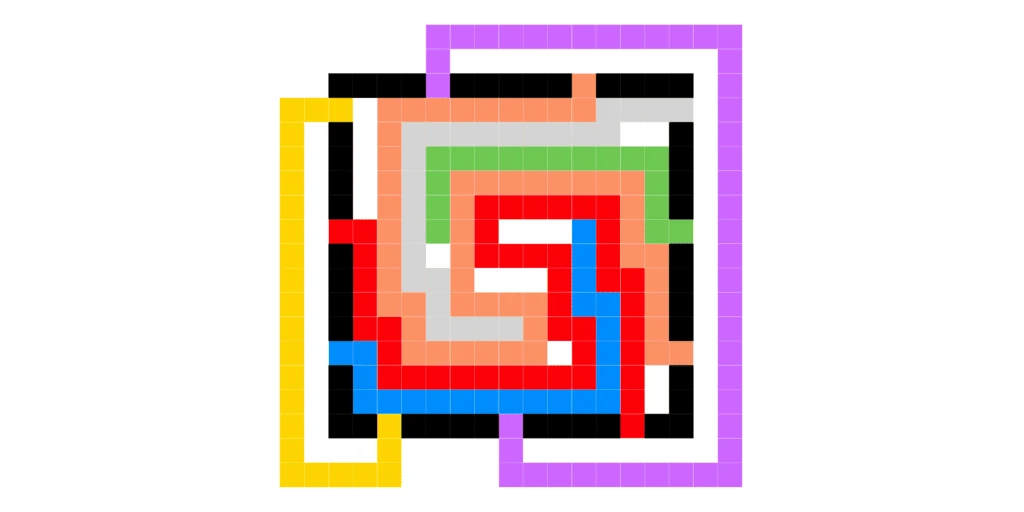
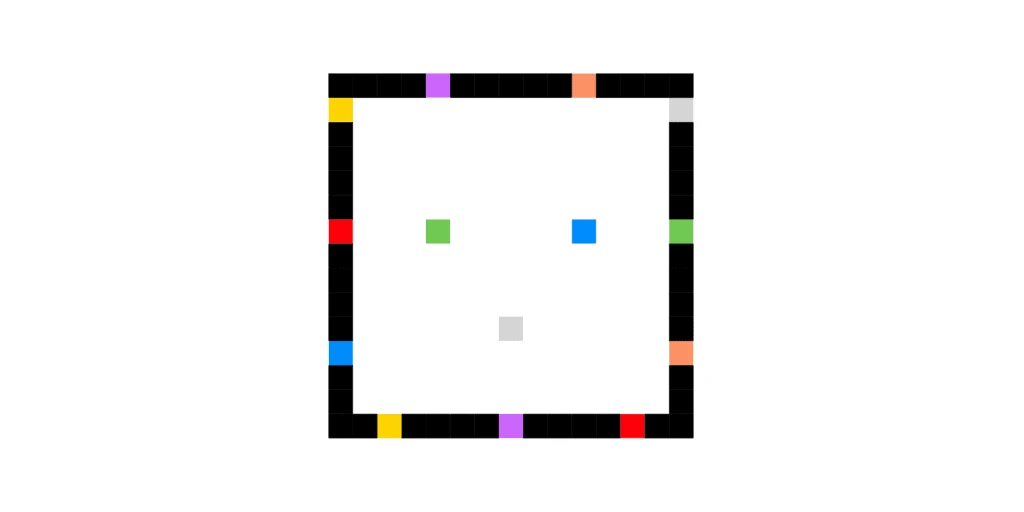
Connect the Squares
Connect the pairs of squares with non-interacting lines that do not cross the black boundary.
Tap to see the conclusion
🔍 Deduction • Advanced
11 is a Racehorse
Can you figure out what story the following sequence of statements is telling?
11 is a racehorse
12 is 12
1111 race
12112
11 is a racehorse
12 is 12
1111 race
12112
Tap to see the conclusion
🔍 Deduction • Easy
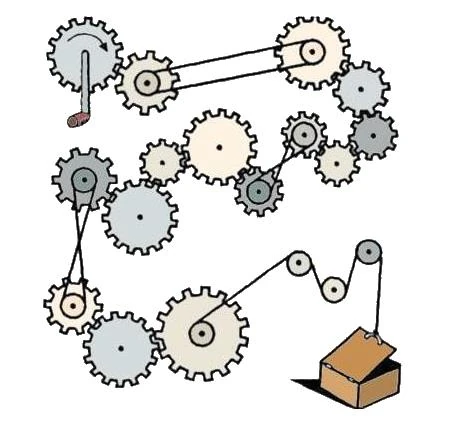
Open or Close
If you turn the handle of the top left gear clockwise, will the box in the bottom right open or close?
Tap to see the conclusion
🔍 Deduction • Medium
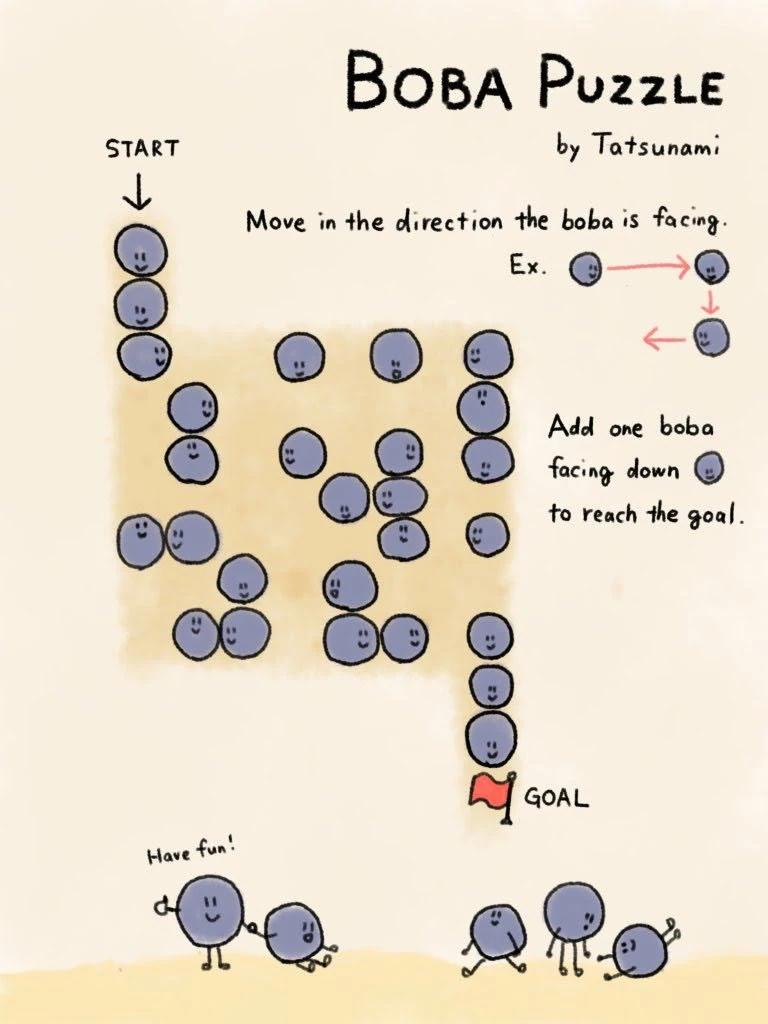
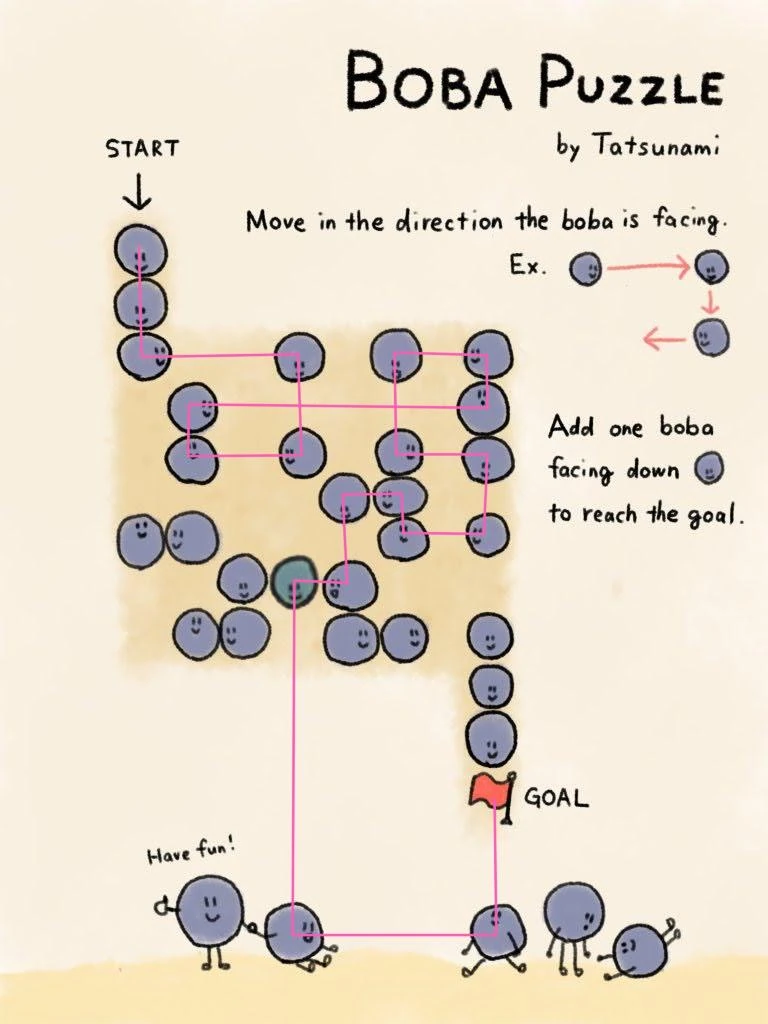
Boba Puzzle
Tap to see the conclusion
🔍 Deduction • Advanced
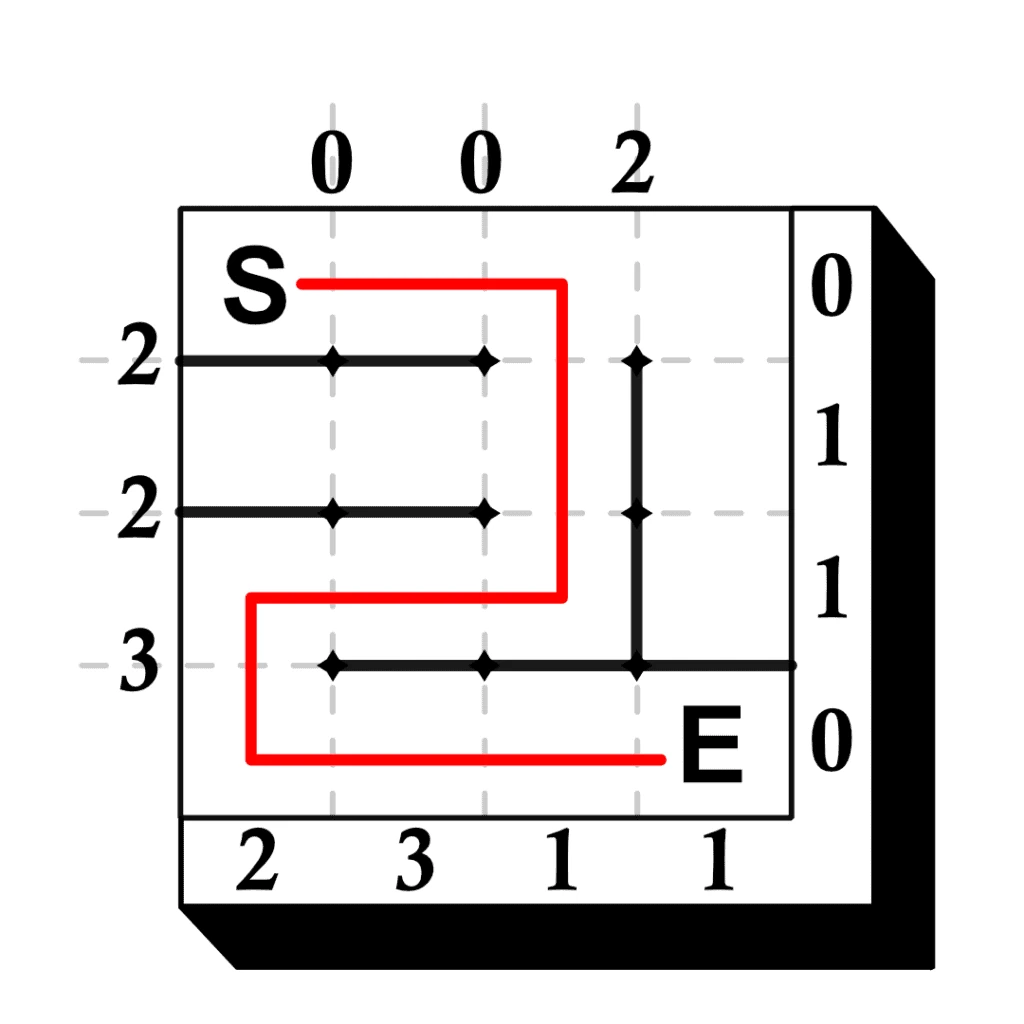
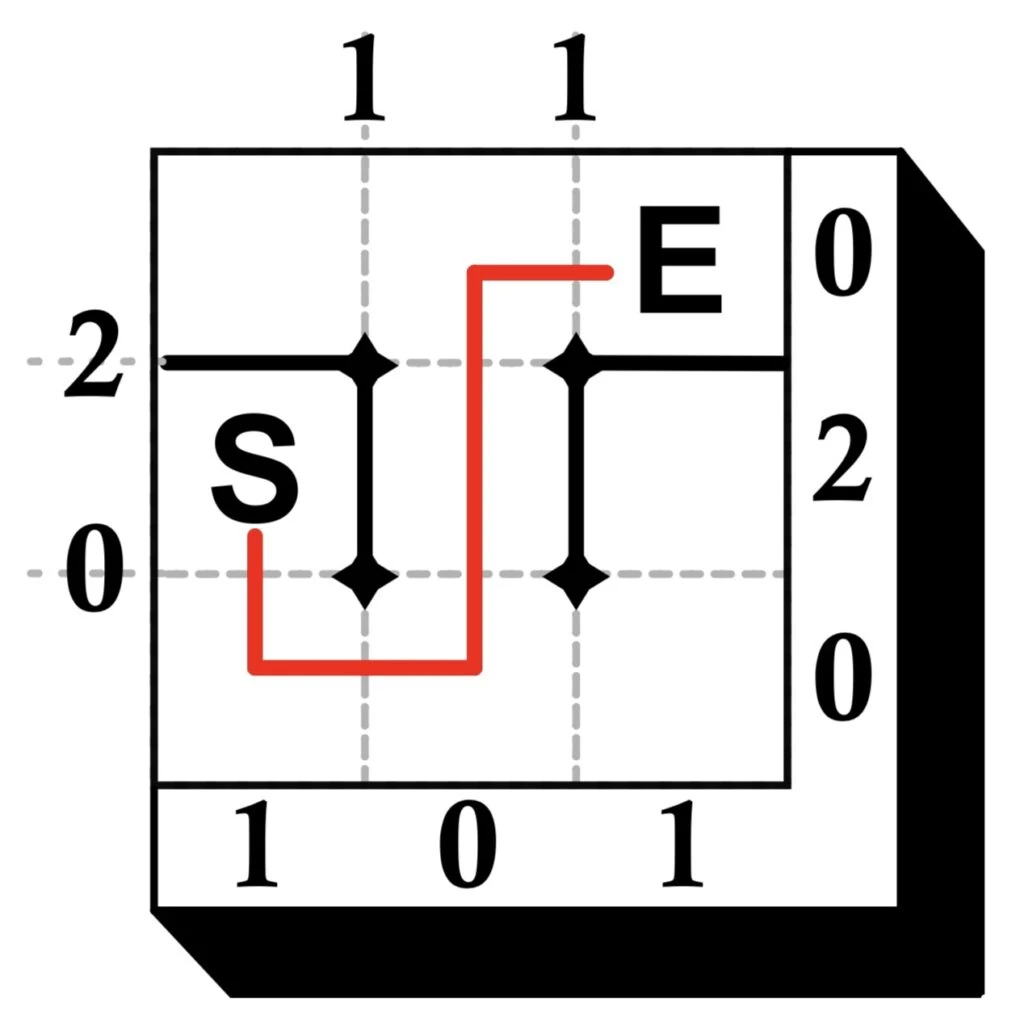
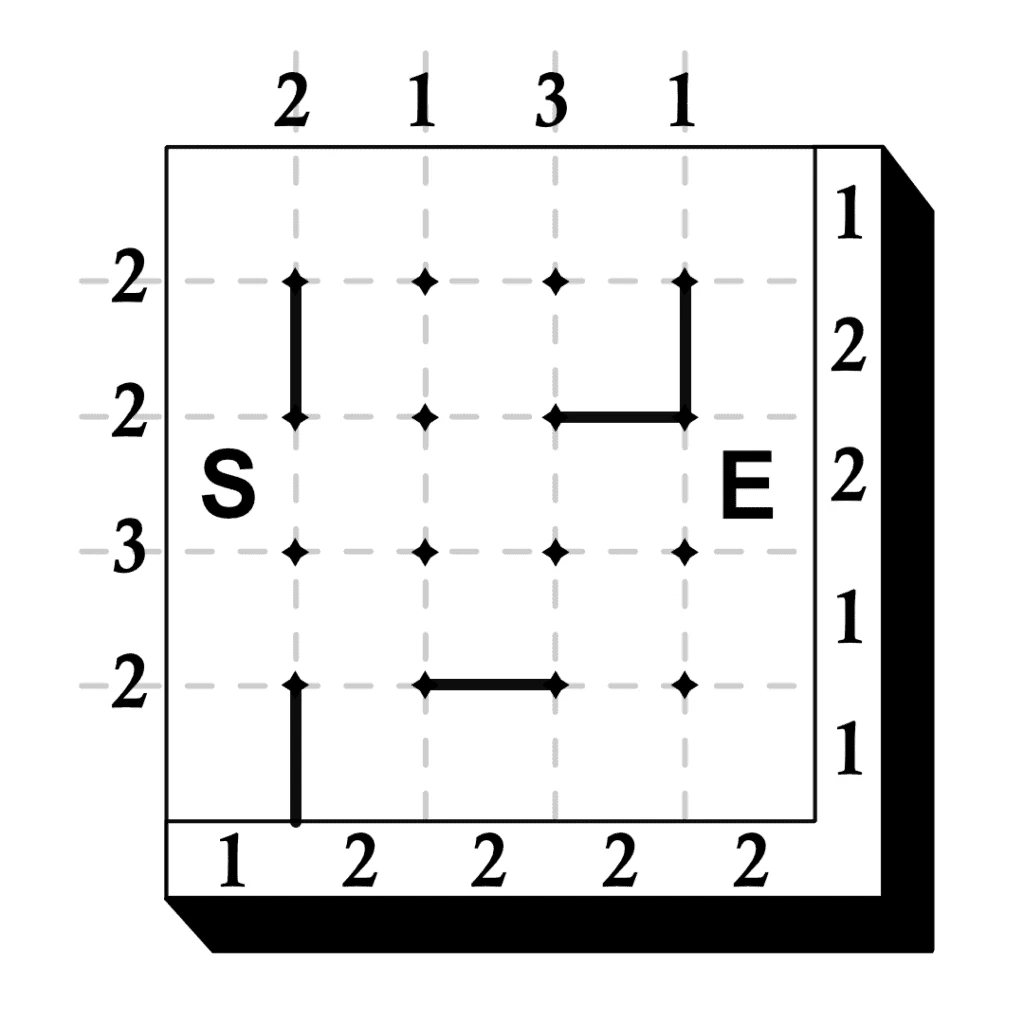
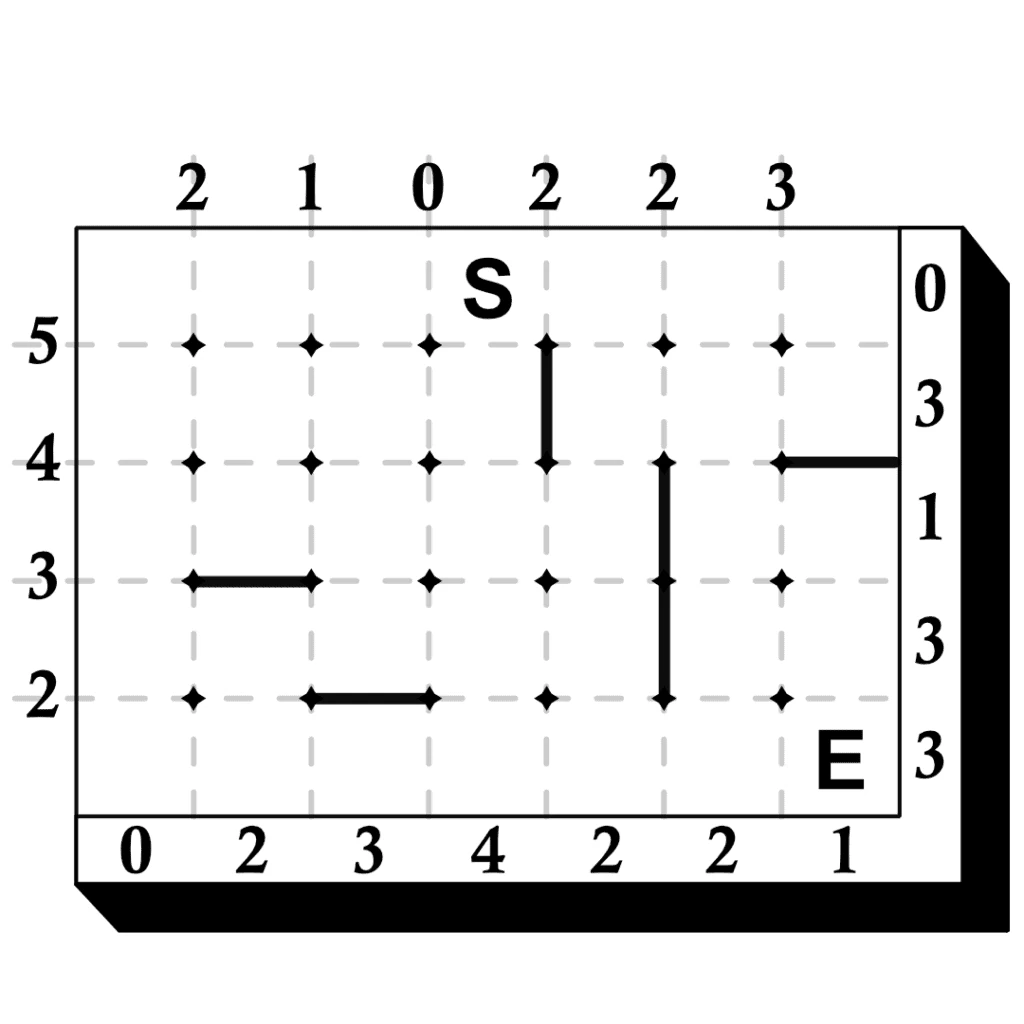
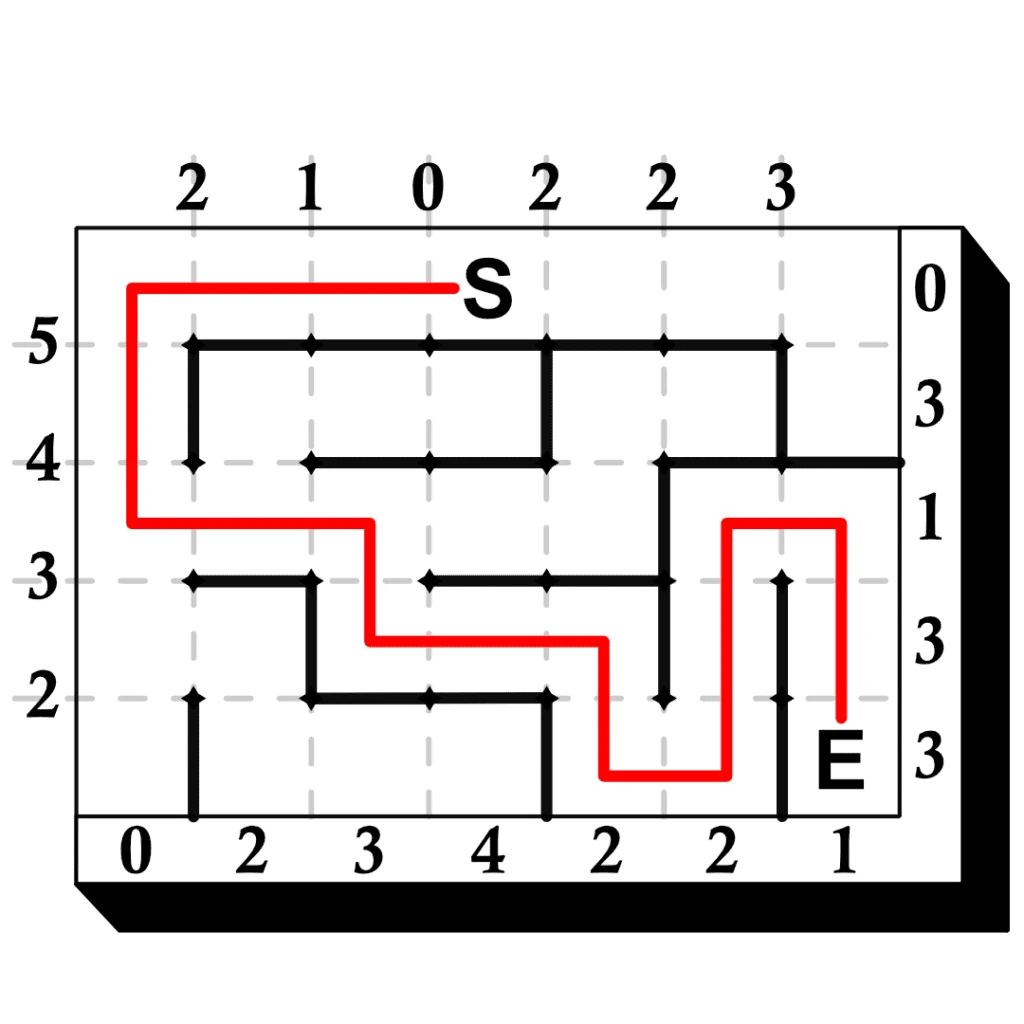
Sunome
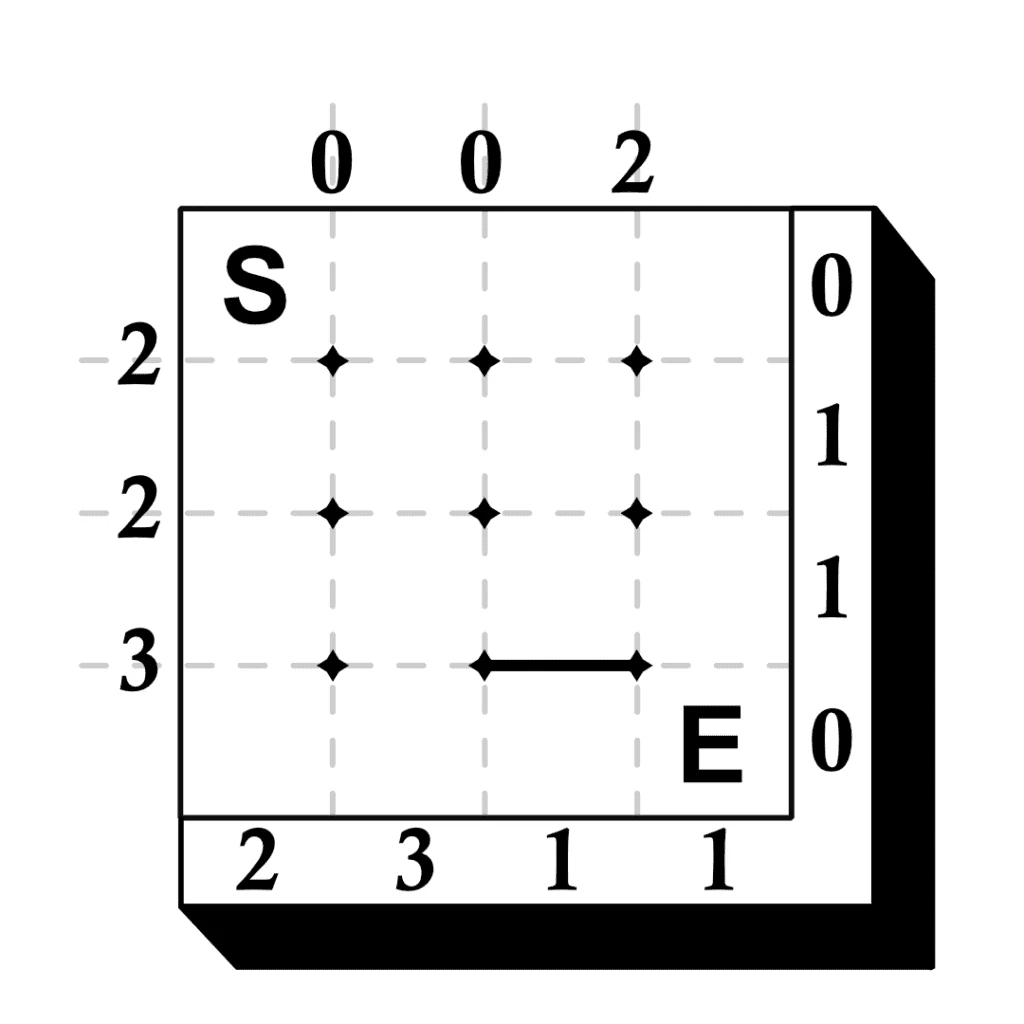
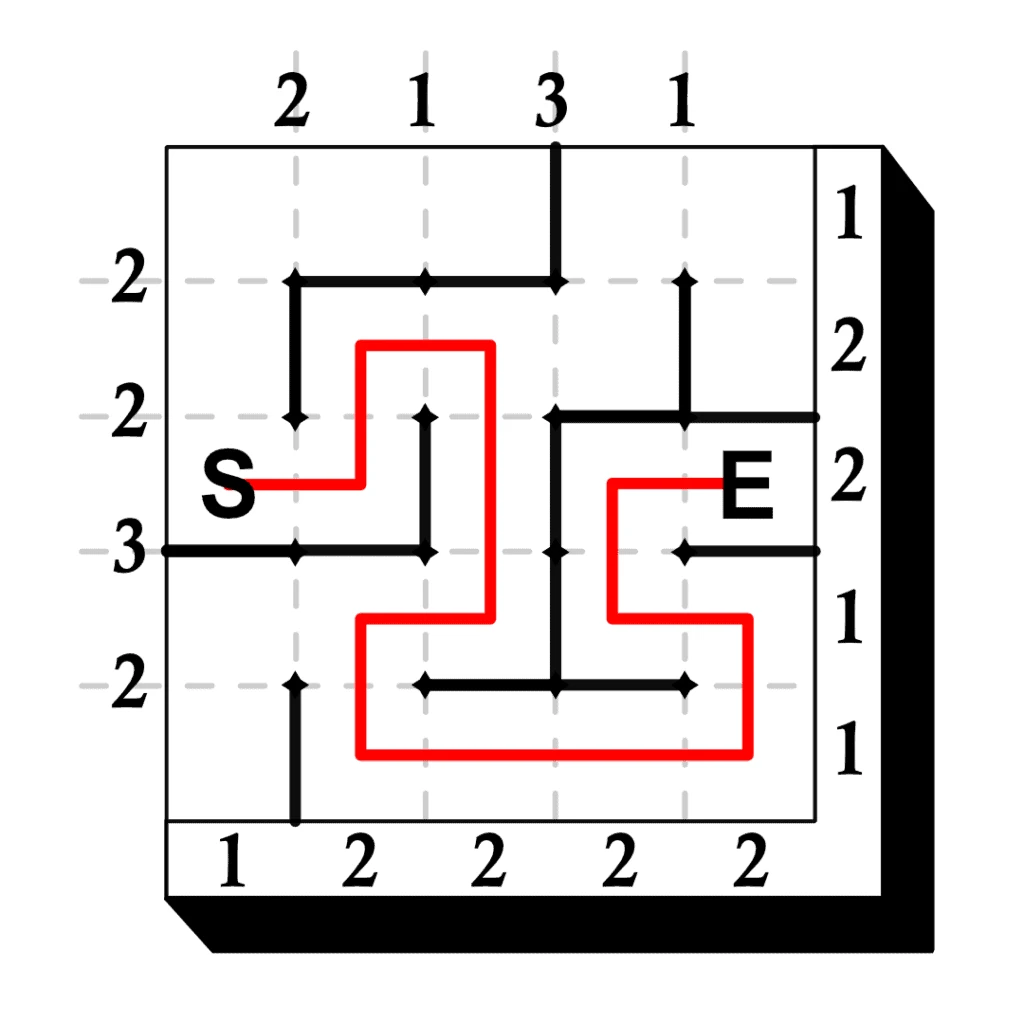
The main challenge of a Sunome puzzle is drawing a maze. Numbers surrounding the outside of the maze border give an indication of how the maze is to be constructed. To solve the puzzle you must draw all the walls where they belong and then draw a path from the Start square to the End square.
The walls of the maze are to be drawn on the dotted lines inside the border. A single wall exists either between 2 nodes or a node and the border. The numbers on the top and left of the border tell you how many walls exist on the corresponding lines inside the grid. The numbers on the right and bottom of the border tell you how many walls exist in the corresponding rows and columns. In addition, the following must be true:
Each puzzle has a unique solution.
There is only 1 maze path to the End square.
Every Node must have a wall touching it.
Walls must trace back to a border.
If the Start and End squares are adjacent to each other a wall must separate them.
Start squares may be open on all sides, while End squares must be closed on 3 sides.
You cannot completely close off any region of the grid.
Examine the first example, then solve the other three puzzles.
EXAMPLE
EASY
MEDIUM
HARD
The walls of the maze are to be drawn on the dotted lines inside the border. A single wall exists either between 2 nodes or a node and the border. The numbers on the top and left of the border tell you how many walls exist on the corresponding lines inside the grid. The numbers on the right and bottom of the border tell you how many walls exist in the corresponding rows and columns. In addition, the following must be true:
Each puzzle has a unique solution.
There is only 1 maze path to the End square.
Every Node must have a wall touching it.
Walls must trace back to a border.
If the Start and End squares are adjacent to each other a wall must separate them.
Start squares may be open on all sides, while End squares must be closed on 3 sides.
You cannot completely close off any region of the grid.
Examine the first example, then solve the other three puzzles.
EXAMPLE
EASY
MEDIUM
HARD
Tap to see the conclusion
🔍 Deduction • Hard
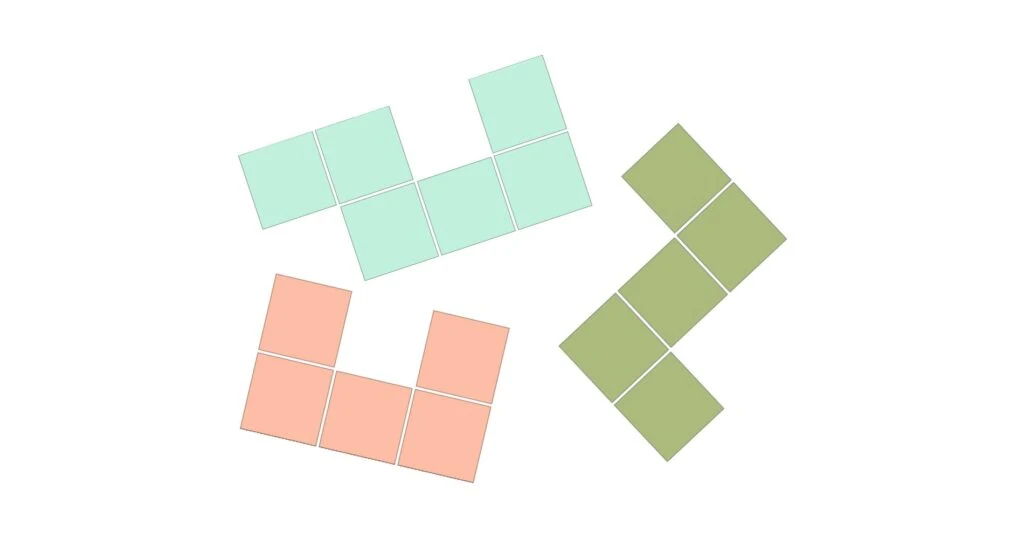
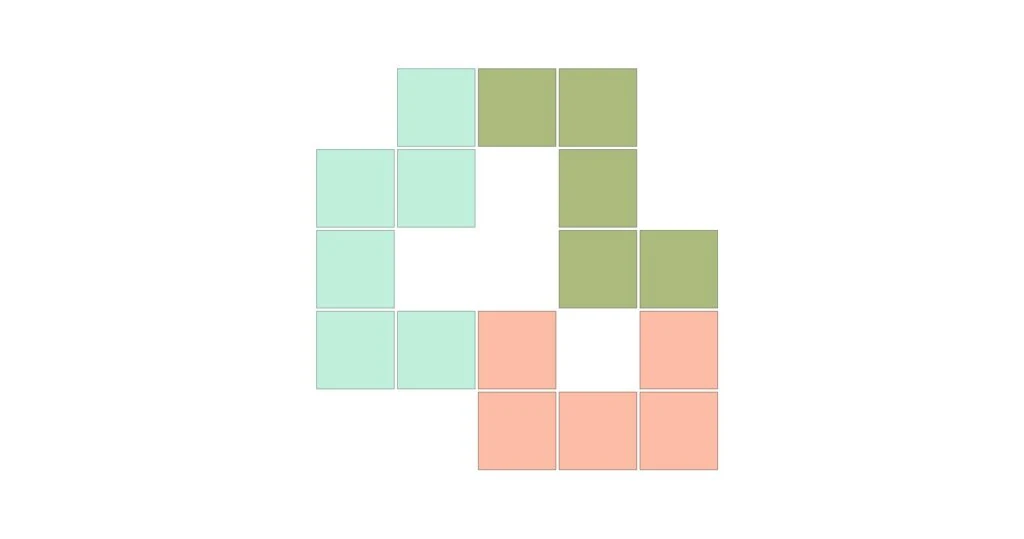
Symm-Sala-Bim
Rearrange the three polyominoes so that they form a symmetrical shape.
Tap to see the conclusion
🔍 Deduction • Medium
Goats and Cabbages
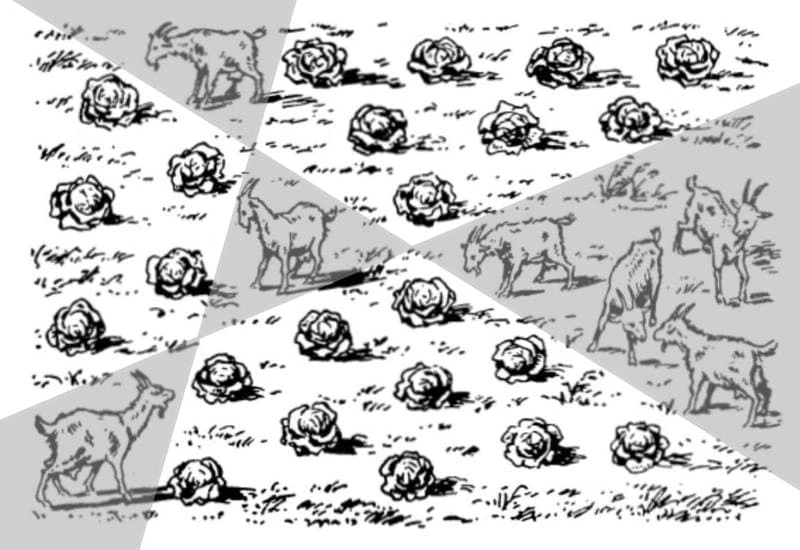
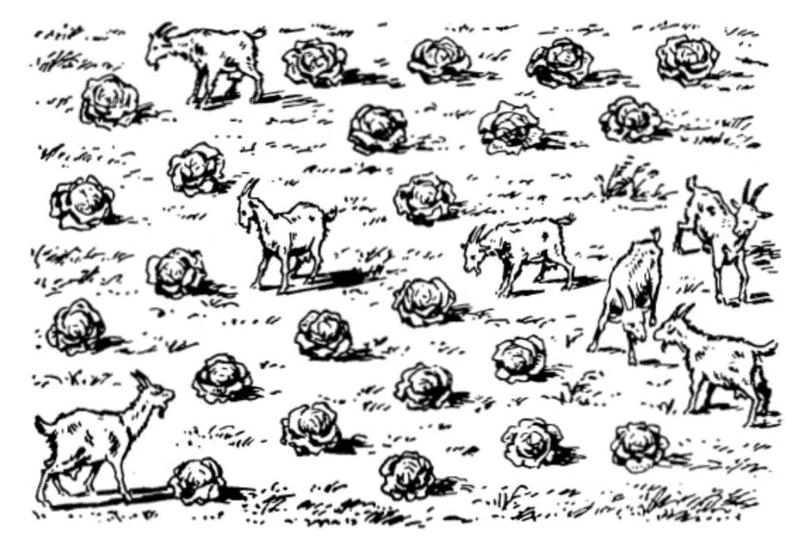
Separate all the goats from the cabbage in the picture by drawing 3 straight lines.
Tap to see the conclusion
🔍 Deduction • Advanced
In This Shoe…
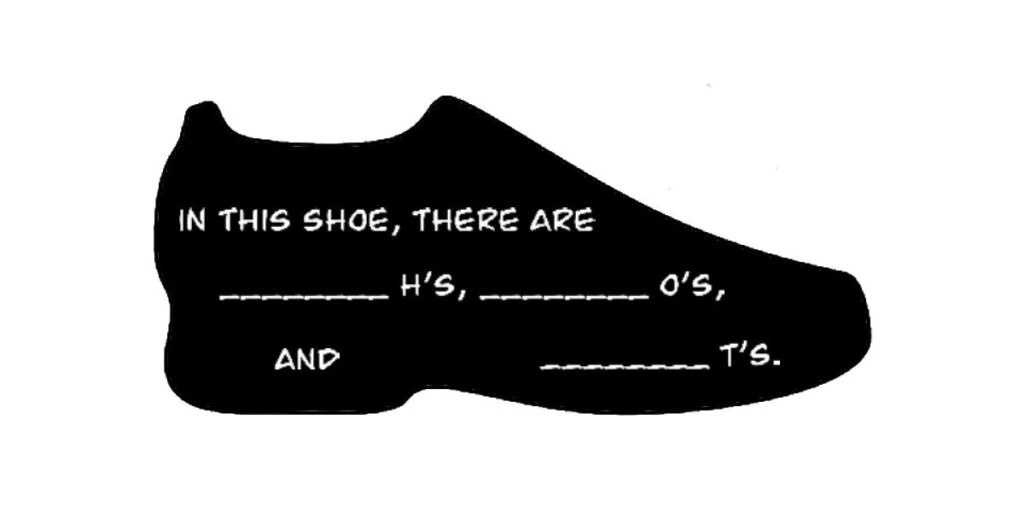
Fill the three missing numbers (using words) in the shoe below.
Remark: The missing words can be of any length.
Remark: The missing words can be of any length.
Tap to see the conclusion
🔍 Deduction • Medium
Toasting Bread
Your toaster is broken, so you decide to toast your bread in a pan. The pan can hold three slices of bread at a time and takes 1 minute to toast one of their sides. How much time would it take you to toast four slices of bread on both sides using the pan?
Tap to see the conclusion
🔍 Deduction • Easy
100 Guests in 99 Rooms
One hundred people entered a hotel that had 99 rooms, and each of them asked for their own room. In order to solve the problem, the bellboy did the following:
He asked the 100th guest to wait for a while with the 1st guest in room number 1, so that there were 2 guests inside. Then he took the 3rd guest to room number 2, the 4th guest to room number 3, and so on, until finally taking the 99th guest to room number 98. At the end he returned to room number 1 and took the 100th guest to room number 99, which was still vacant.
How is it possible that the bellboy was able to find a free room for everyone?
He asked the 100th guest to wait for a while with the 1st guest in room number 1, so that there were 2 guests inside. Then he took the 3rd guest to room number 2, the 4th guest to room number 3, and so on, until finally taking the 99th guest to room number 98. At the end he returned to room number 1 and took the 100th guest to room number 99, which was still vacant.
How is it possible that the bellboy was able to find a free room for everyone?
Tap to see the conclusion