
Visual Brain Puzzles Online
Test your observation skills with visual brain puzzles based on blocks, triangles, squares, glasses, parking spots, and object positions. Each card asks you to study the image carefully and notice hidden shapes, directions, movements, or visual tricks. These picture challenges are useful for improving focus, spatial thinking, visual comparison, and careful problem-solving.
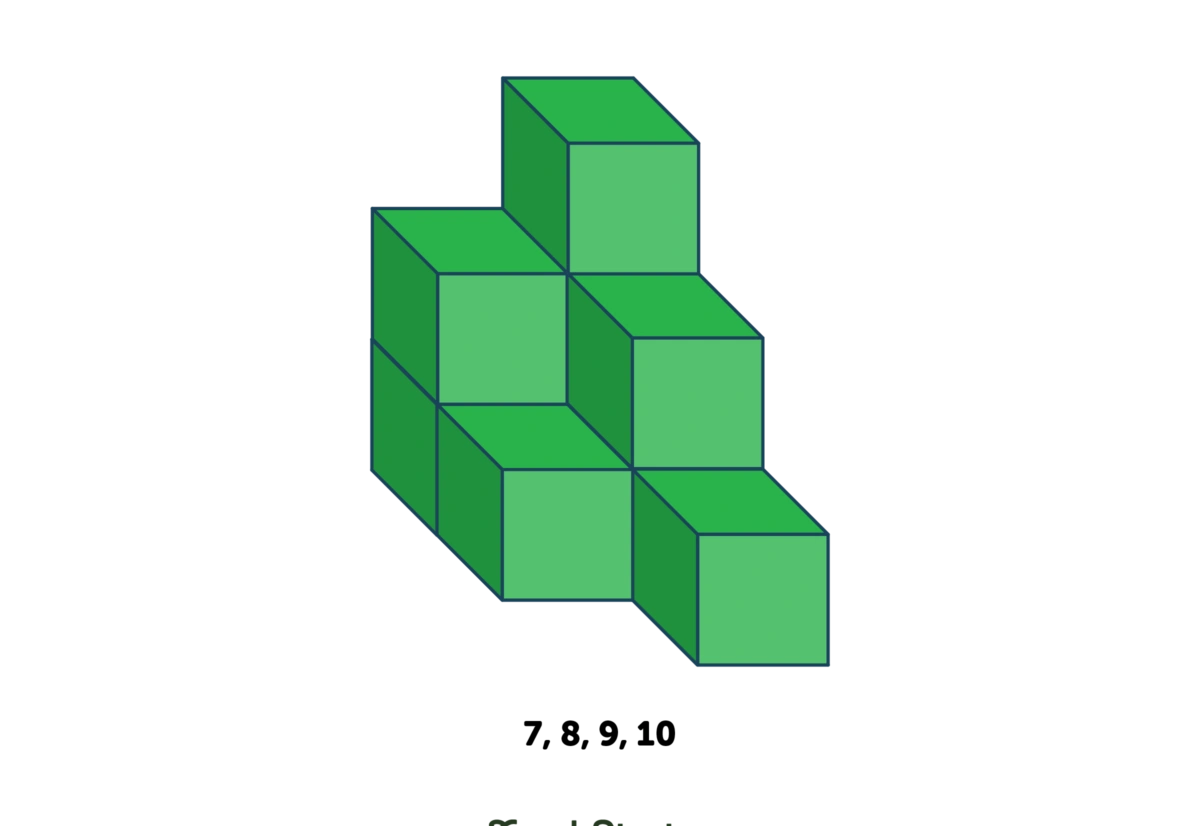
How Many Blocks Are in This Tower?
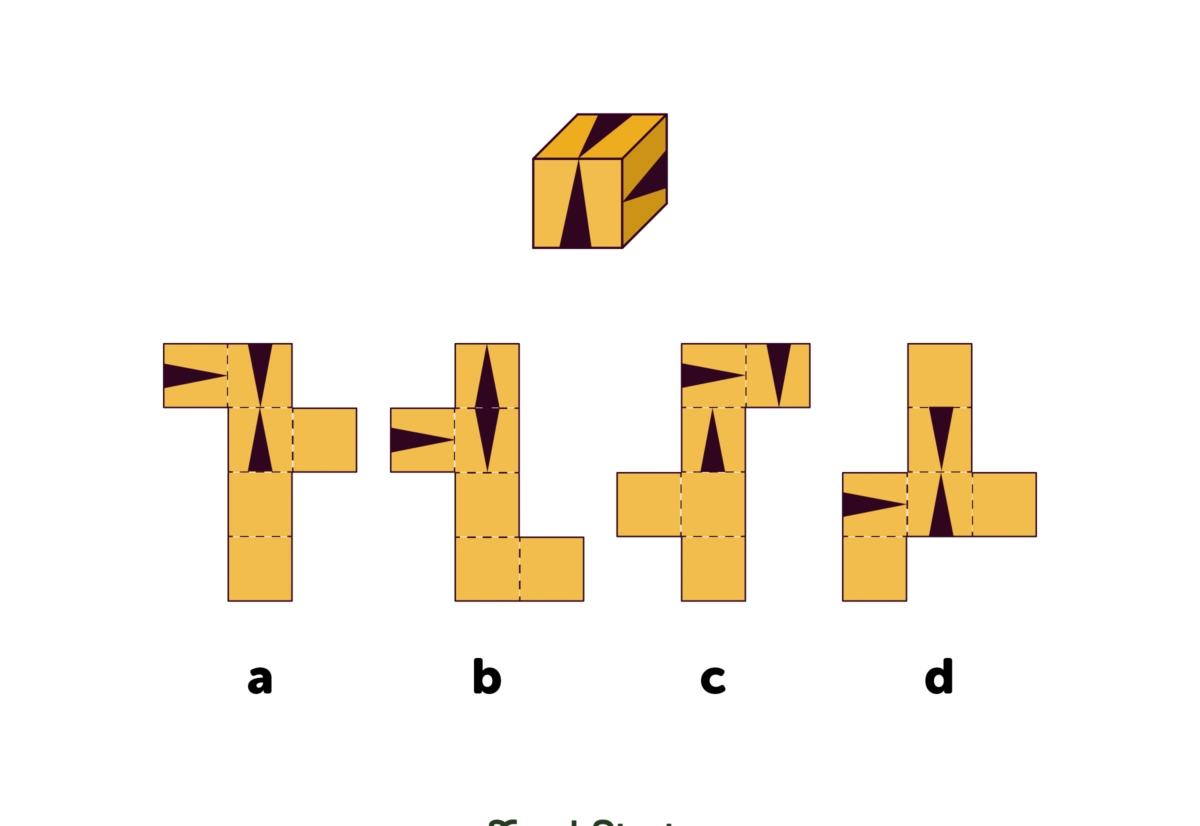
Spatial Visualization Test
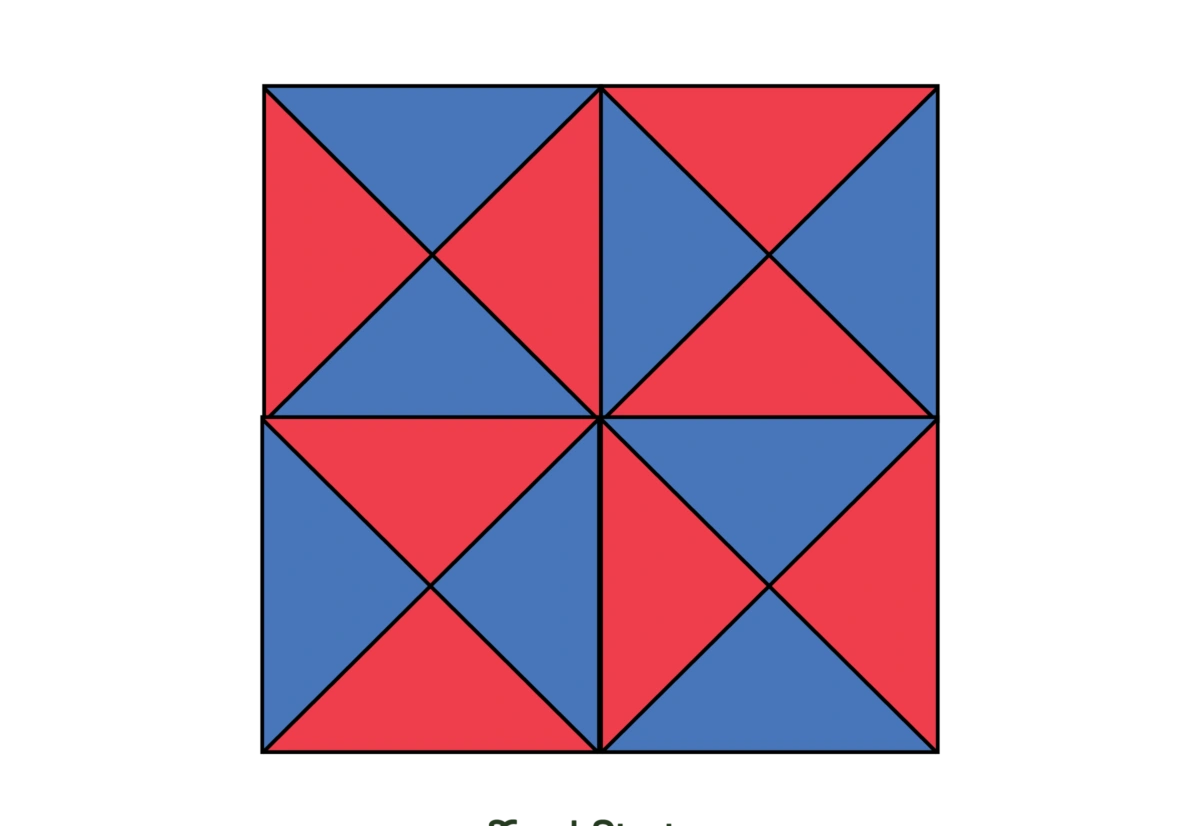
How Many Triangles?
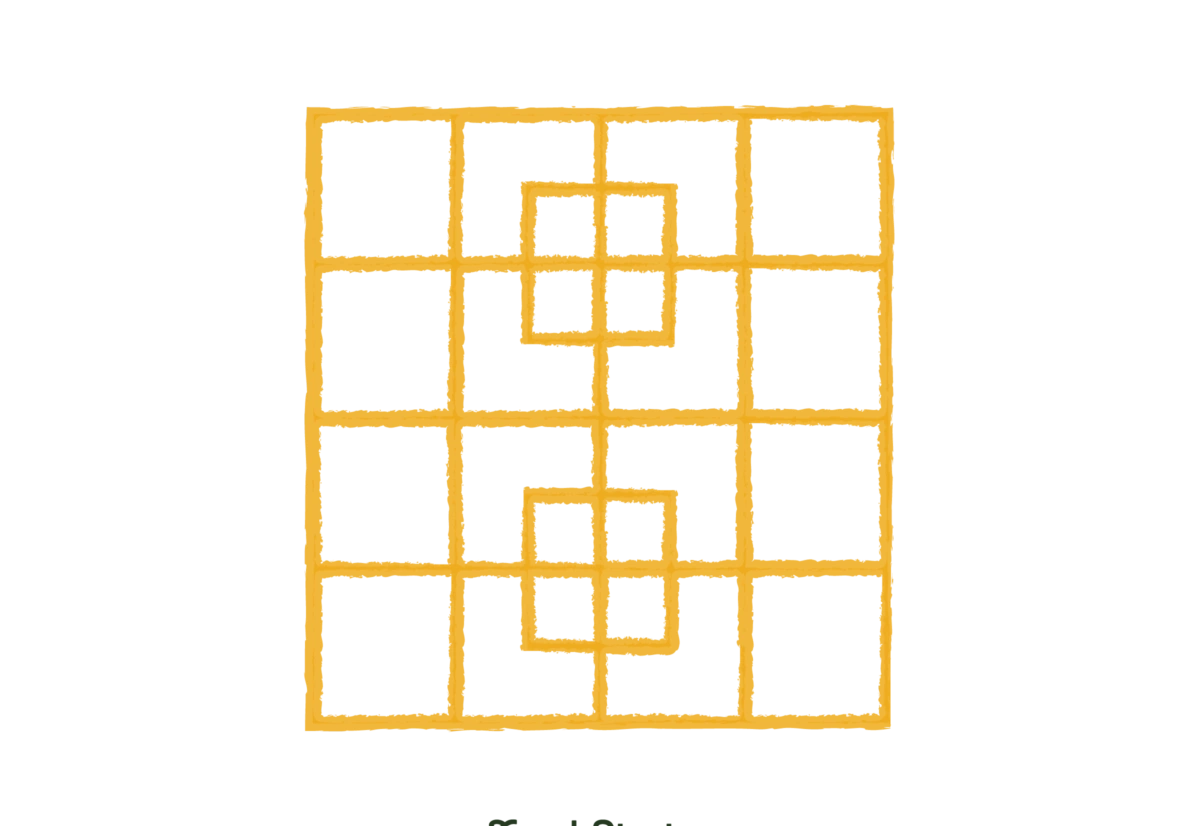
How Many Squares?
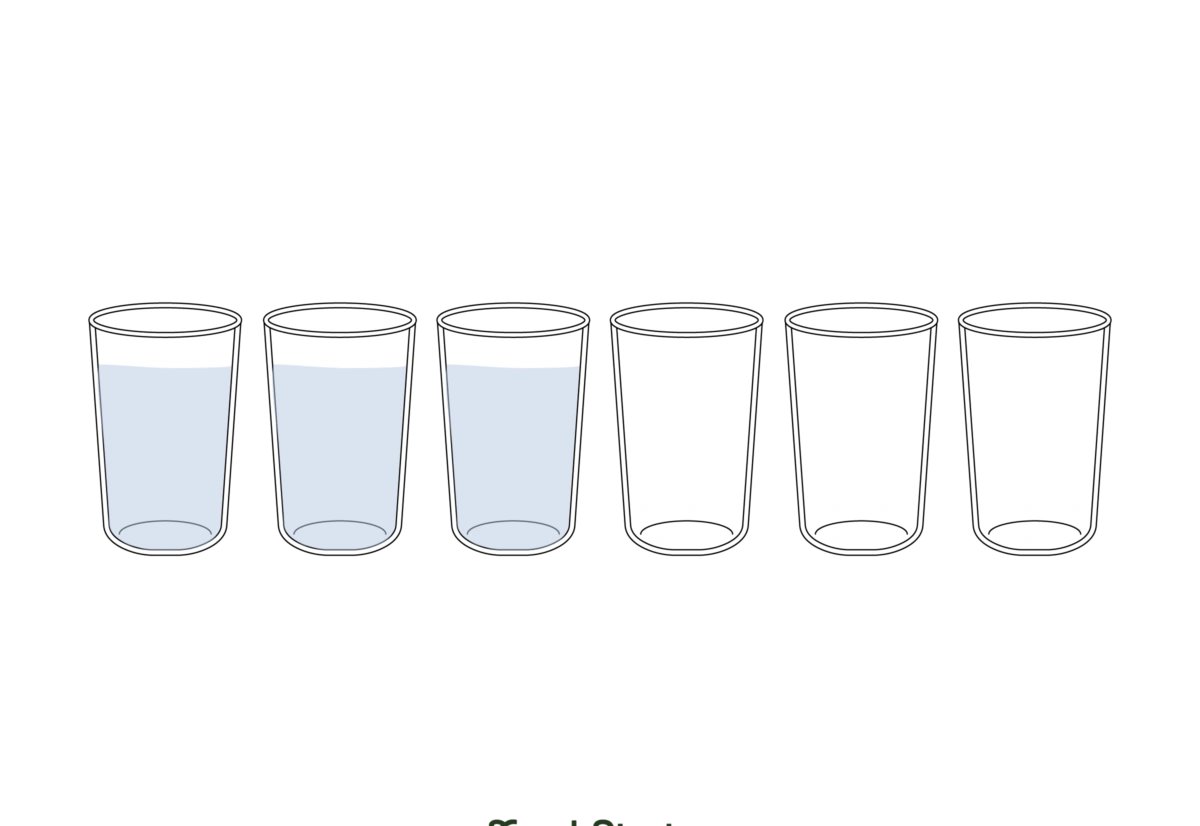
Move One Glass
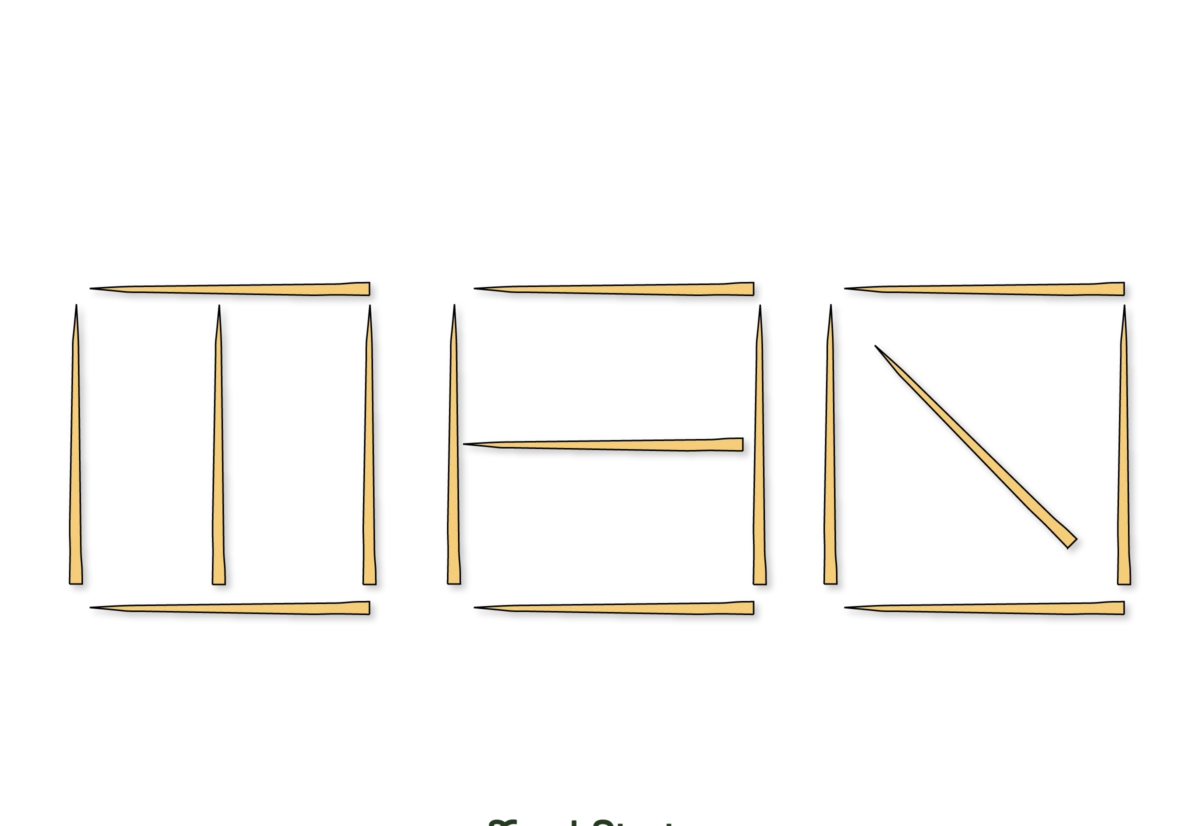
Make 10
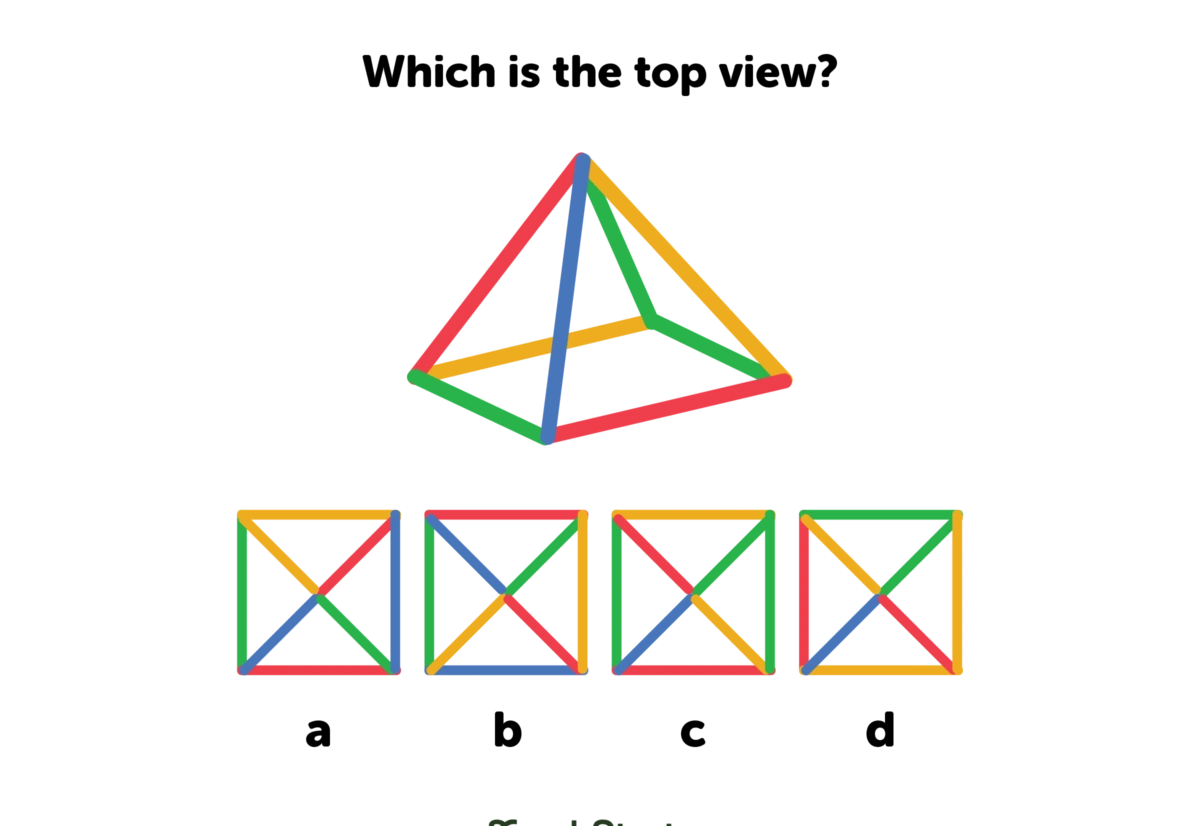
Top View
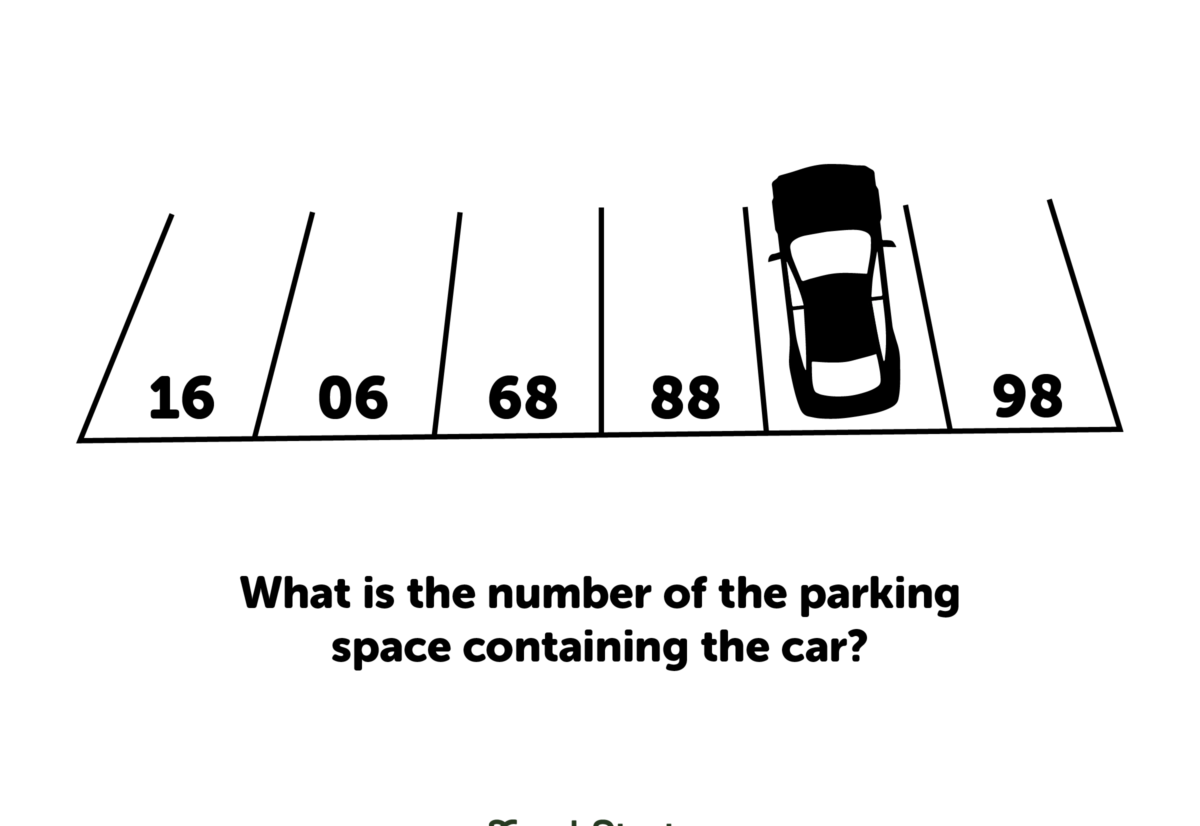
Which Parking Spot?
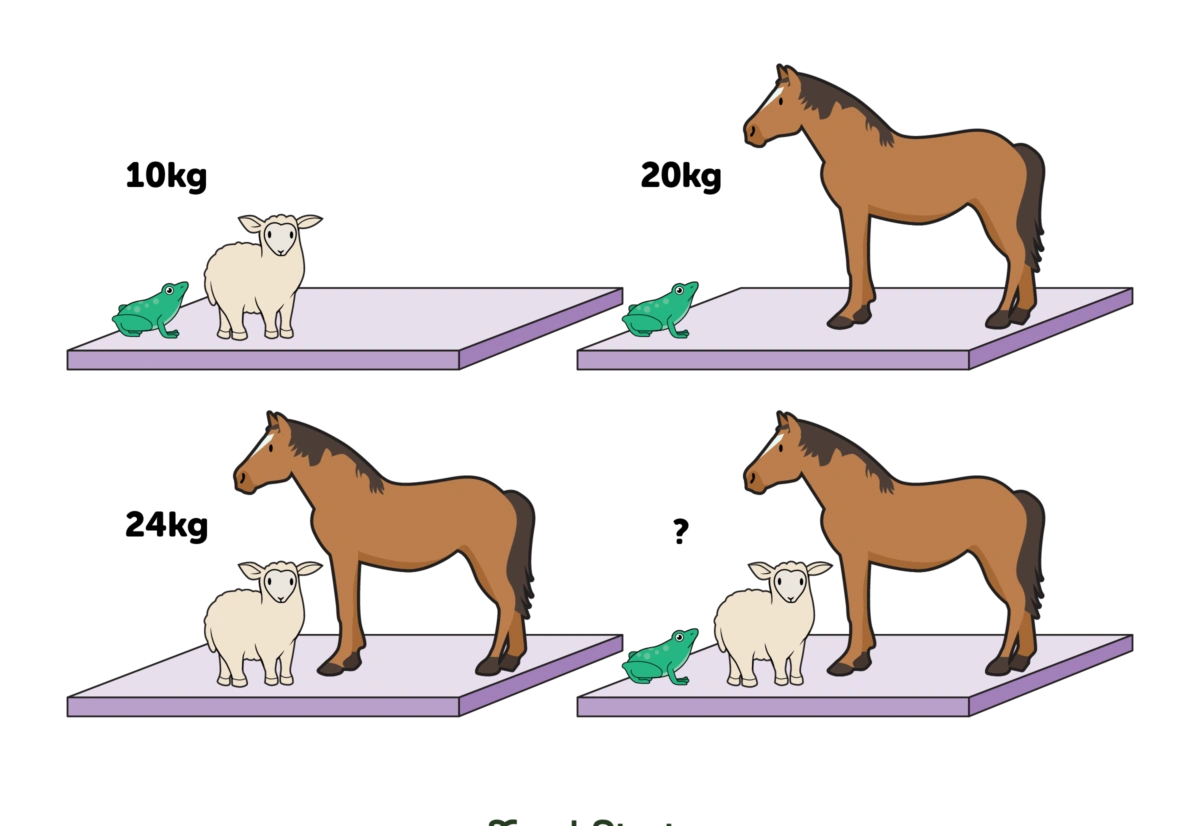
What Do We Weigh?
Start by Noticing What the Puzzle Is Really Asking
Visual brain puzzles are not always about numbers or long instructions. Many of them are about seeing the image correctly. A card may show blocks, glasses, matchstick-style shapes, triangles, squares, a parking layout, or a simple object arrangement, but the real question is usually hidden in the way the picture is built.
On this page, you will find puzzles such as How Many Blocks Are in This Tower?, Spatial Visualization Test, How Many Triangles?, How Many Squares?, Move One Glass, Make 10, Top View, Which Parking Spot?, and What Do We Weigh?. These are not the same as regular math questions. They ask you to look carefully, compare positions, and understand what the image is showing.
That is what makes these observation puzzle games useful. The answer may be right in front of you, but you need to slow down and read the picture before solving it.
Different Types of Visual Brain Challenges on This Page
This page includes more than one style of visual puzzle, so every card trains a slightly different thinking skill.
Some cards test spatial reasoning. For example, the block tower and top-view puzzles ask you to imagine how objects are placed in space. You may need to count visible and hidden blocks or decide how a shape would look from another angle.
Some cards test shape recognition. Triangle and square puzzles look simple, but they often include smaller shapes inside larger ones. If you count only the obvious shapes, you may miss the correct answer.
Some cards test movement and arrangement. The glass puzzle and “Make 10” style card ask you to understand what changes when one object moves. These puzzles are good for practicing flexible thinking because the image does not need to change much for the answer to change.
Other cards, like the parking spot puzzle or weight comparison puzzle, use everyday objects to test logic. You have to study the scene, compare clues, and avoid choosing the first answer that looks correct.
Why These Puzzles Are Good for Focus
Visual brain puzzles are helpful because they make you pay attention without feeling like heavy study. You are not memorizing rules. You are looking, comparing, checking, and thinking.
When you solve a visual brain puzzle, you practice useful skills such as:
- Careful observation.
- Spatial awareness.
- Pattern recognition.
- Visual comparison.
- Patience before answering.
- Problem-solving from image clues.
These skills are useful for children, students, and adults. Children can learn to notice details and compare shapes. Students can practice logical thinking without long text. Adults can use these puzzles as a short focus break during the day.
The main benefit is simple: these puzzles train you not to rush. Many wrong answers happen because the puzzle looks easier than it is.
Real Examples from This Visual Puzzle Page
The How Many Blocks Are in This Tower?
Card is a good example of spatial thinking. You cannot count only the front blocks. Some blocks may be partly hidden behind others, so you need to imagine the full structure.
The How Many Triangles?
Card works differently. Here, the challenge is to count small triangles first, then check whether larger triangles are formed by joining smaller parts. This kind of puzzle rewards patience.
The Which Parking Spot?
Puzzle uses a common trick. Instead of reading the numbers normally, you may need to look at the image from a different direction. That makes it a strong visual reasoning card.
The Move One Glass puzzle asks you to think about change. You need to decide which single move can fix the arrangement, not just describe what you see.
These examples show why picture challenges are not only for fun. They also teach you how to test an image carefully before deciding.
Why Some Visual Puzzles Need a Second Look
Many visual puzzles are designed to make the first answer feel obvious. A triangle puzzle may hide larger shapes inside smaller ones. A block puzzle may include parts you cannot see from the front. A parking puzzle may only make sense after changing the viewing direction.
This is why a second look is useful. Instead of asking only “What do I see first?”, ask “What could I be missing?” That small shift helps you notice hidden shapes, object positions, and visual tricks that are easy to overlook.
A Simple Method to Solve Visual Brain Puzzles
Before answering, look at the full card once. Do not focus only on the center. Many visual puzzles hide the clue near an edge, in the direction of an object, or inside a repeated shape.
For shape puzzles, count the smallest shapes first. Then check for larger combined shapes.
For block and top-view puzzles, imagine the object from another side. Ask yourself what might be hidden behind the visible part.
For movement puzzles, test the change mentally before choosing the answer.
For parking, weight, or object comparison cards, read the full scene. The answer often depends on the relationship between objects, not one object alone.
If you feel stuck, look away for a few seconds and return to the puzzle. A fresh look often helps you see the detail you missed.
Continue with Related Brain Games
If you enjoy these visual brain puzzles, you may also like Picture Logic Puzzles for image-based reasoning, Logic Puzzles for clue-solving practice, and Word Search Puzzles for careful scanning. For number-based thinking, Number Math Puzzles are a good next step.
Best Way to Use These Picture Challenges
These puzzles work best when you solve them slowly and explain your answer. If you are playing alone, try to say why your answer makes sense before revealing it. If children or students are playing, ask them what they noticed first, what changed, and whether they checked the full image.
Frequently Asked Questions
Visual brain puzzles are picture-based challenges where you solve the answer by observing shapes, objects, positions, patterns, or hidden details.
Yes. They encourage you to slow down, compare details, and focus on the image before choosing an answer.
This page includes block counting, spatial visualization, triangle and square puzzles, glass movement puzzles, parking spot riddles, and object comparison challenges.
Start by studying the full image, then check shapes, corners, object positions, hidden parts, and repeated patterns before answering.
Yes. Many cards are beginner-friendly, but some need a second look because the clue is hidden in the image structure.
They often hide the answer in small details, viewing direction, combined shapes, or object placement. Many mistakes happen because users answer after noticing only the most obvious part of the image.
Yes. Logic puzzles often rely on clues or wording, while visual brain puzzles mainly depend on observing shapes, positions, hidden objects, and image structure.