
Logic Riddles for Clue-Based Thinking and Smart Guesses
Solve logic riddles that ask you to connect clues, test ideas, and avoid jumping to the first answer. The page includes short reasoning cards with visual clues, number hints, word tricks, and scene-based questions. Each riddle is designed as a quick browser-based thinking exercise where one small detail can change the solution.
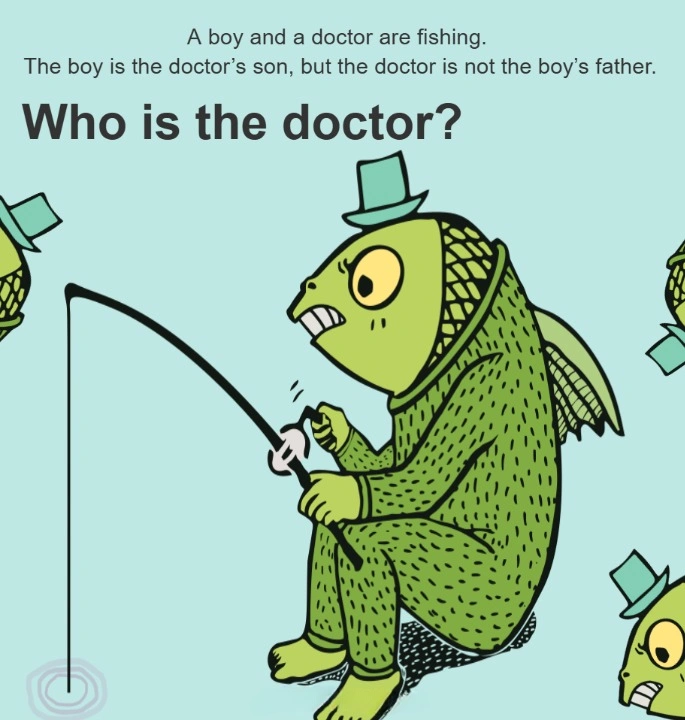
The Doctor Isn’t Who You Think
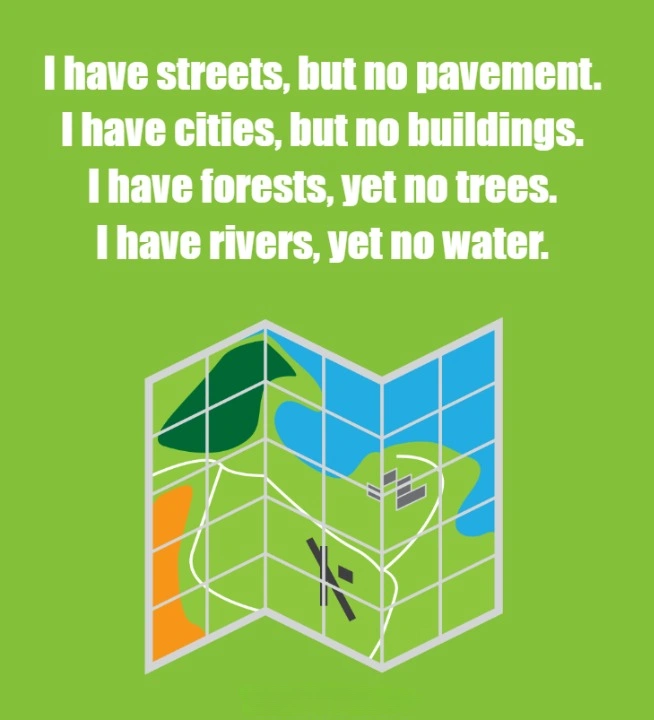
Logic riddle
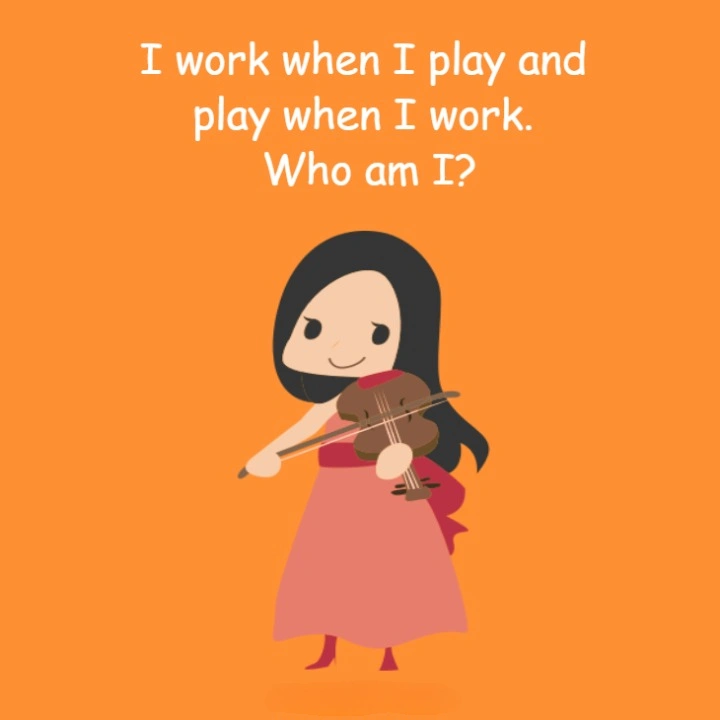
I work when I play and play when...
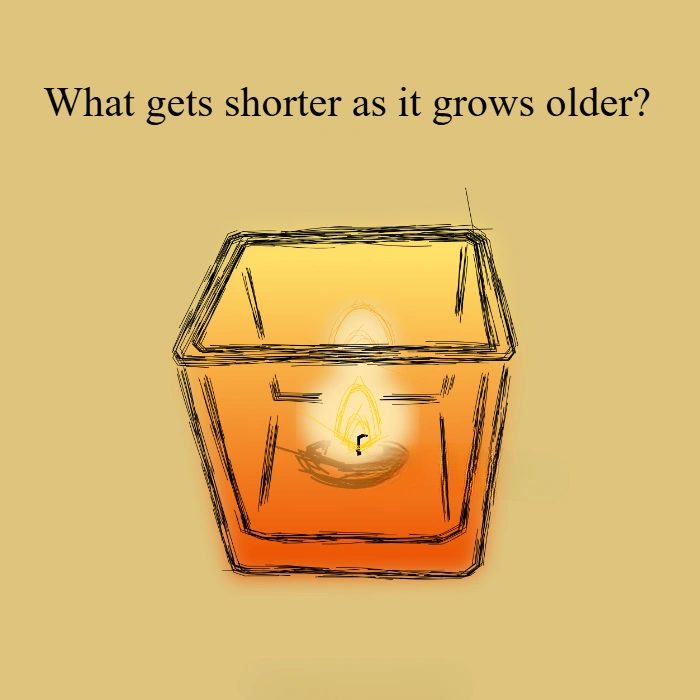
What gets shorter as it grows older?
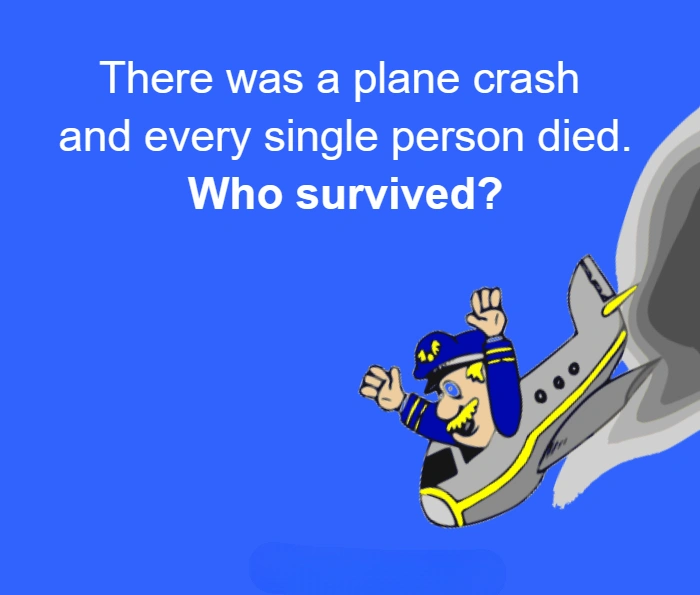
Plane crash riddle
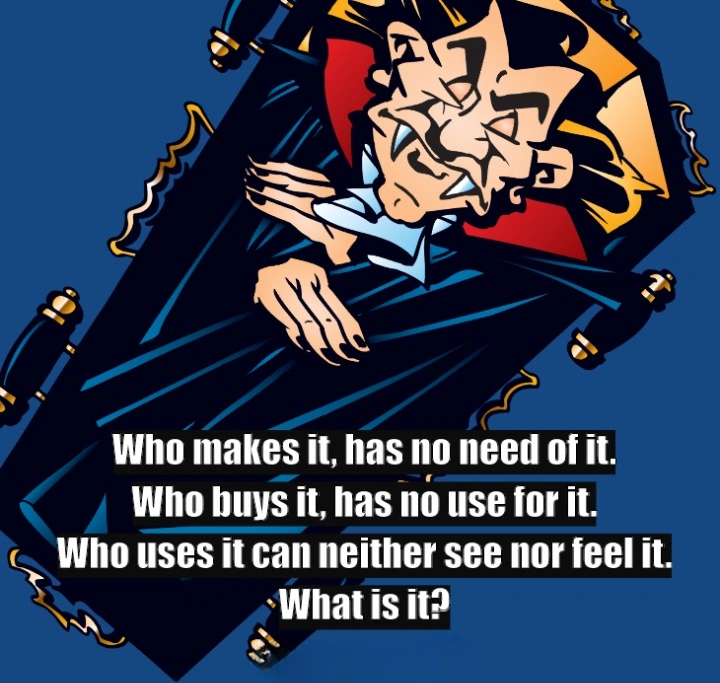
hard riddle
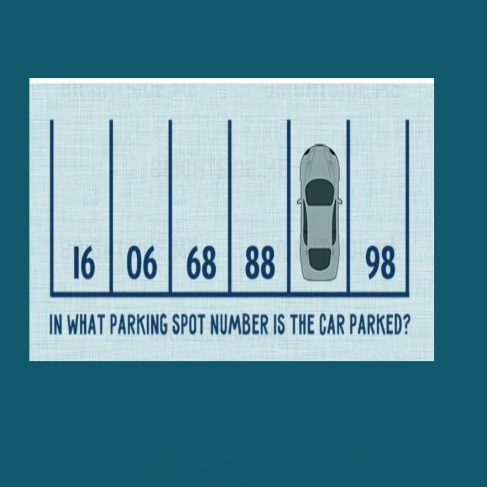
what is the number?
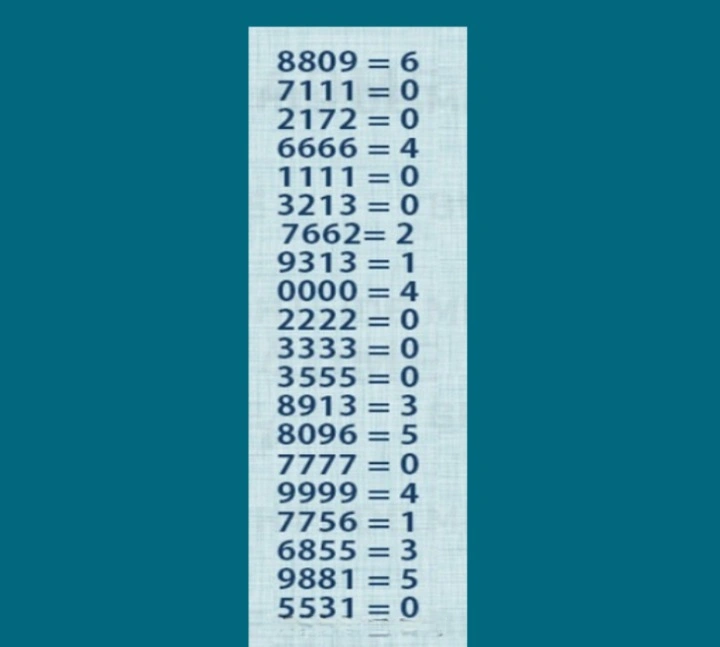
Number sequence
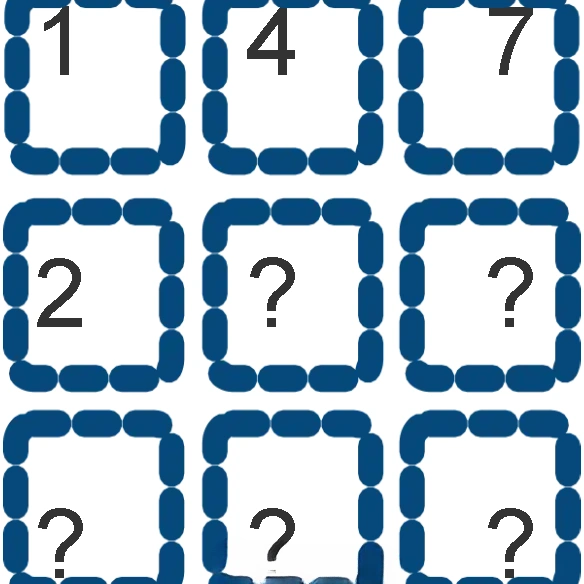
Help what are the numbers
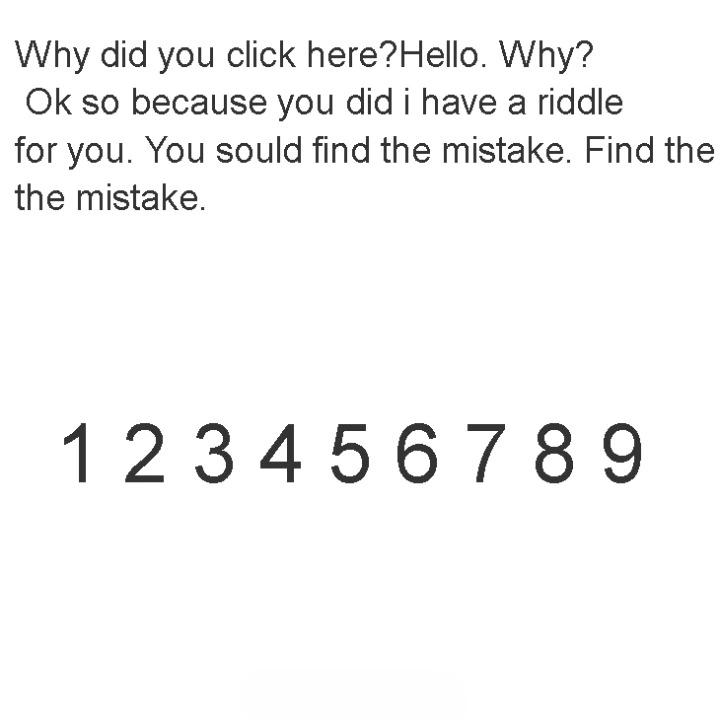
Find the mistake.
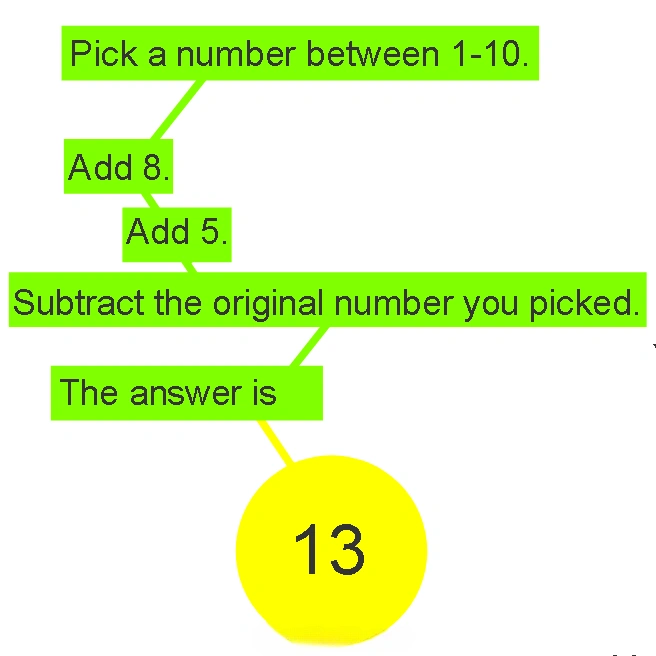
I know your number
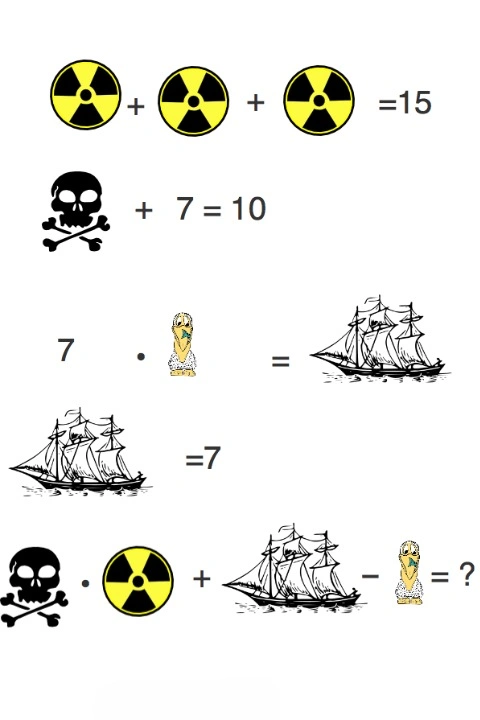
alert
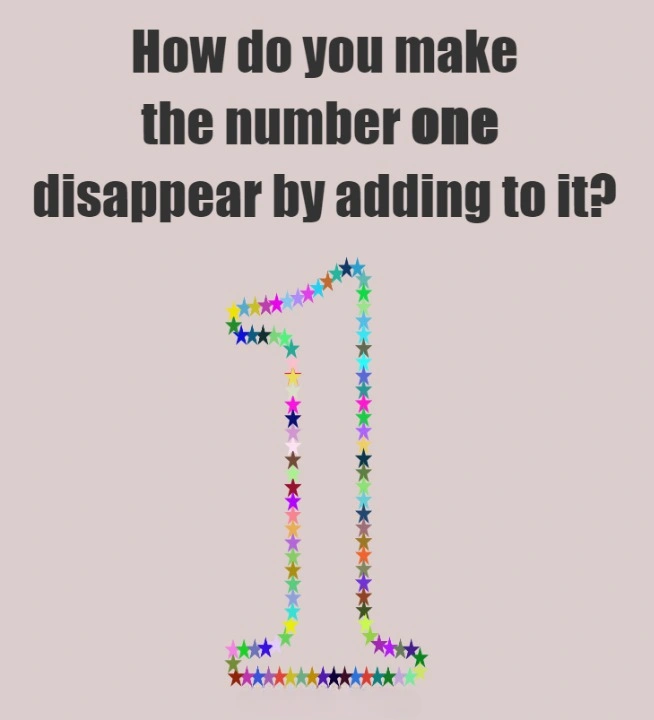
How do you make the number one disappear
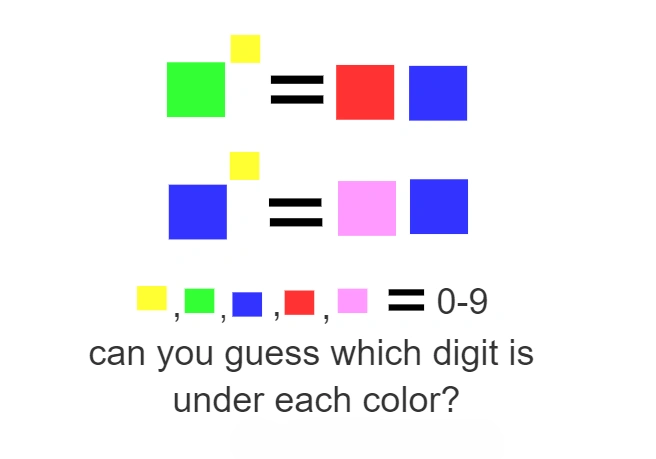
The 5 Colors
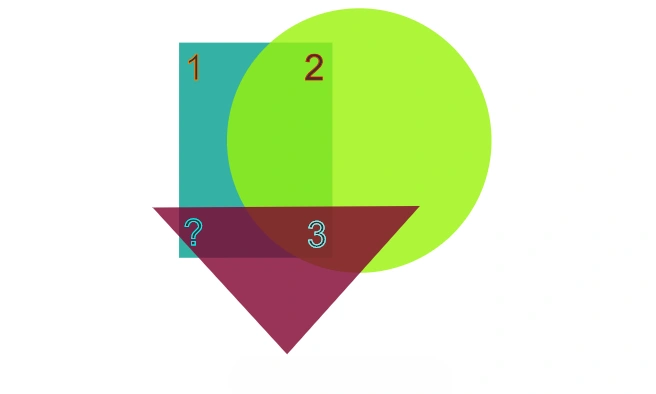
Shapes
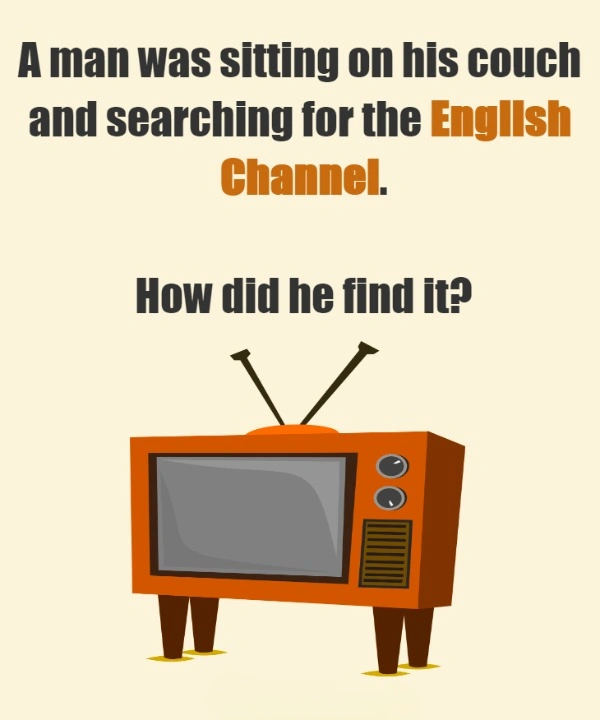
A man was sitting on his couch riddle
Birthday Riddle
Man looks out of a boat
Two men on a ship
What invention lets you look right through a...
The Rule of Logic Riddles: Prove Your Guess
A logic riddle is not solved only by guessing. A good answer should be supported by the clues shown in the question or image.
Before you reveal the answer, ask yourself: “Can I prove this answer from the puzzle?” If the answer depends only on a random guess, slow down and inspect the card again.
This matters because many puzzles on this page are designed to make your first assumption feel correct. The real answer may come from a small visual clue, a missing detail, a number pattern, or a line of wording that changes the whole meaning.
Four Ways These Puzzles Test You
1. Visual Inspection
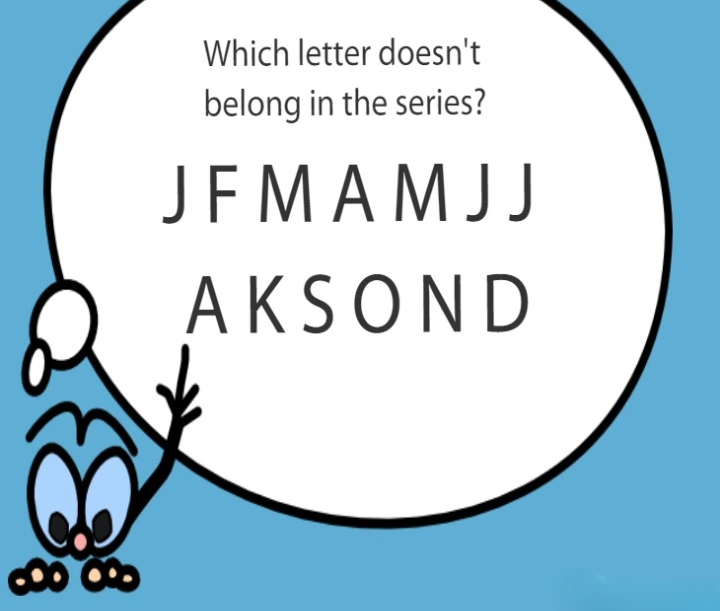
Cards like Find the mistake, Shapes, The 5 Colors, and Help what are the numbers ask you to look closely instead of reading quickly. The clue may be hidden in spacing, color, order, shape position, or something that appears slightly wrong.
For these puzzles, do not focus only on the largest object. Check corners, labels, repeated items, missing items, and anything that looks too neat.
2. Number Reasoning
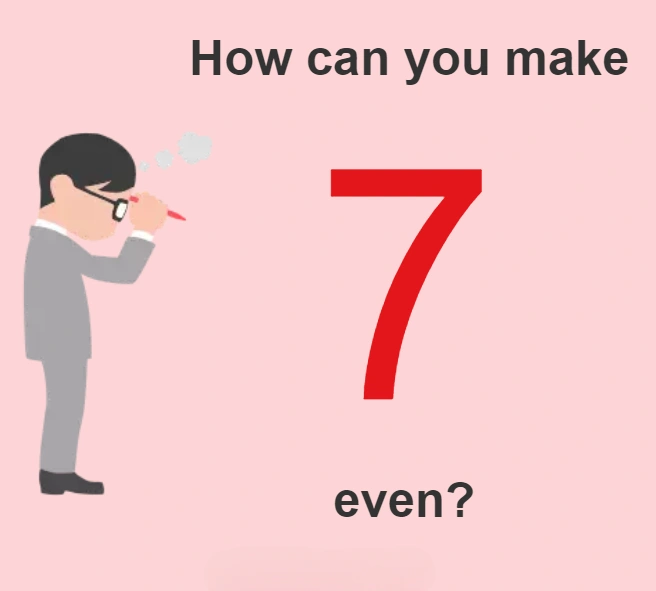
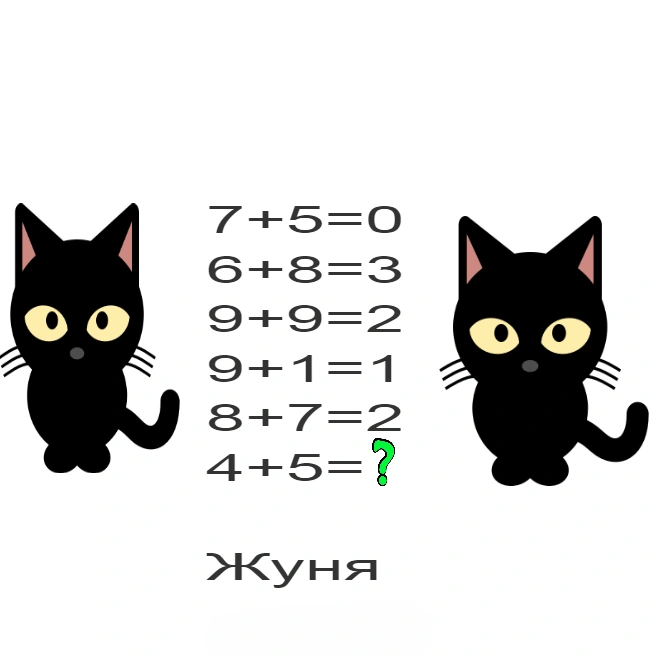
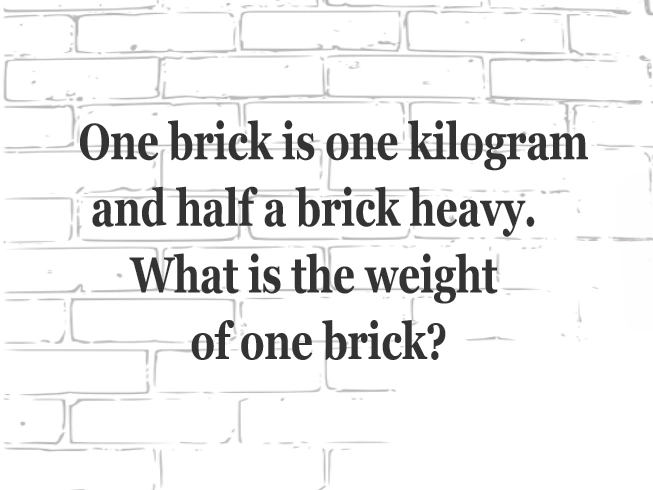
Cards like Number sequence, what is the number?, I know your number, and how can you make 7 even? are not always normal math problems. Some use patterns, some use word tricks, and some depend on how the number is written.
When a number riddle feels confusing, test more than one rule. Try sequence order, difference between numbers, digit position, spelling, and visual shape.
3. Scene Logic
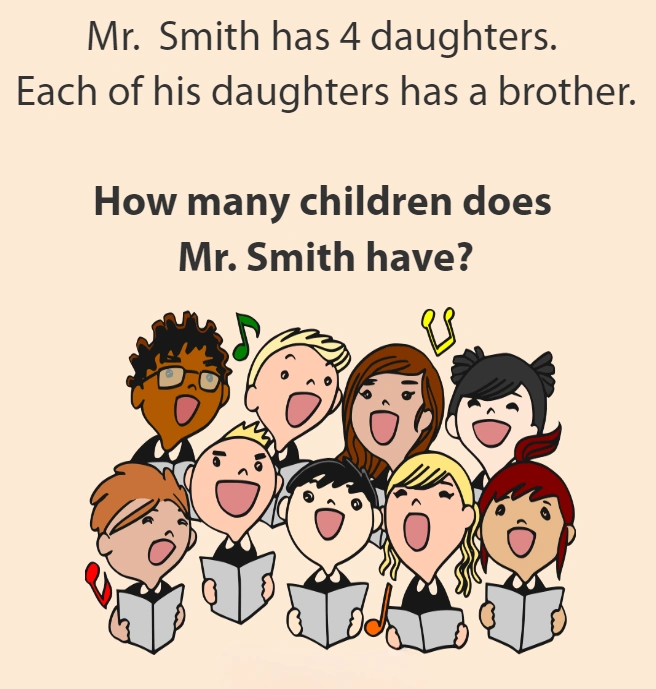
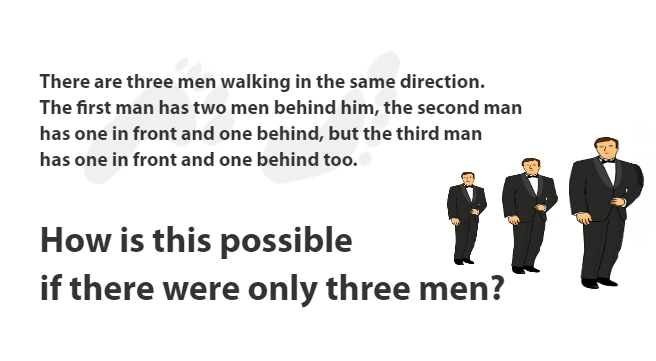
Cards like Plane crash riddle, Two men on a ship, Man looks out of a boat, A man was sitting on his couch riddle, and Birthday Riddle are situation puzzles. These usually hide the answer inside the story.
For these, build a simple timeline. Who is present? What happened first? What detail does the question want you to assume? The answer often appears when you remove the assumption.
4. Wording Traps
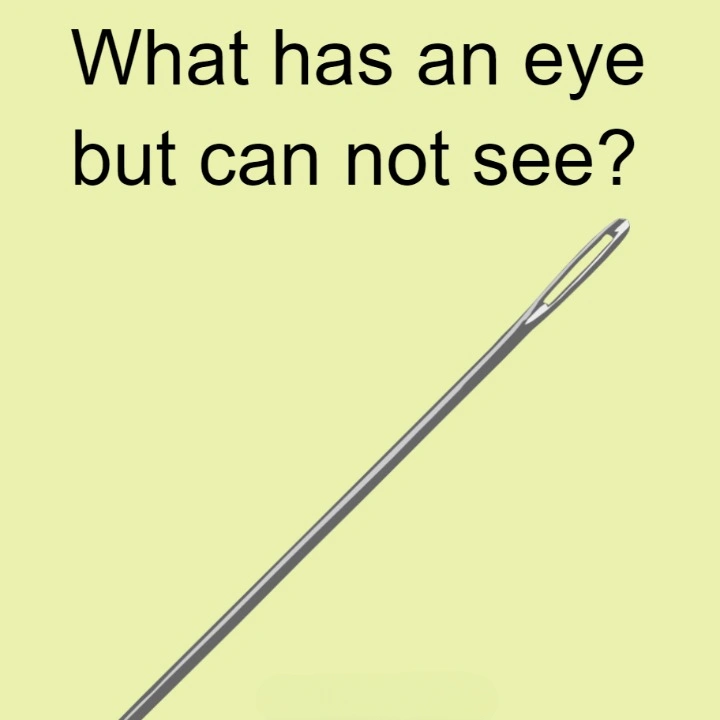
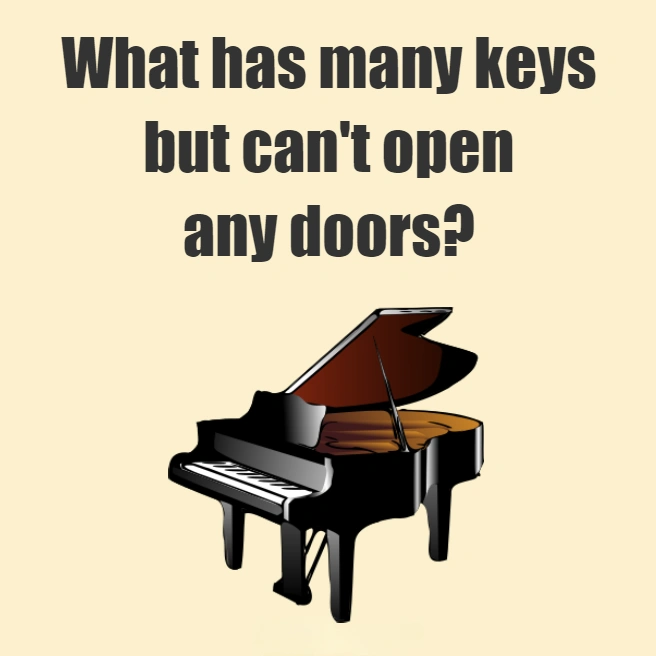
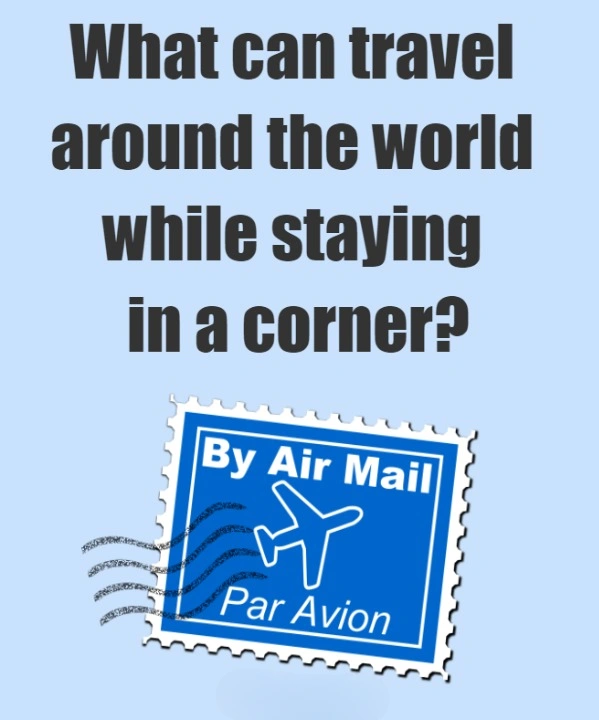
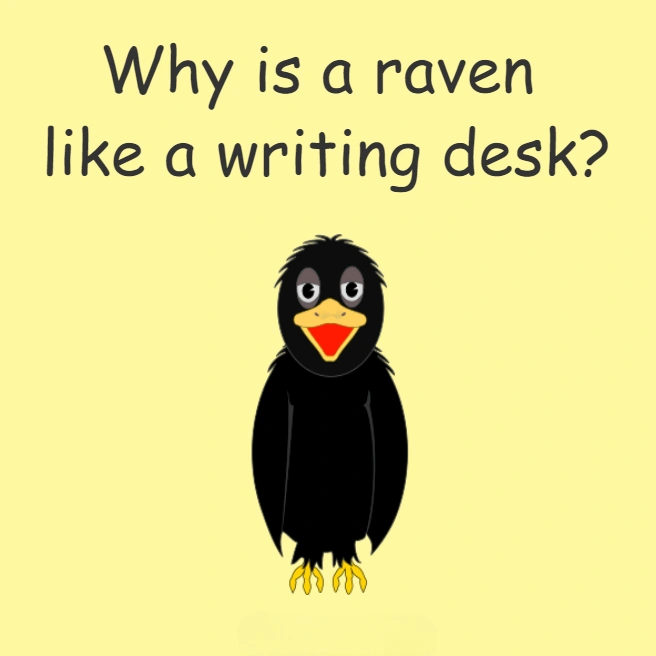
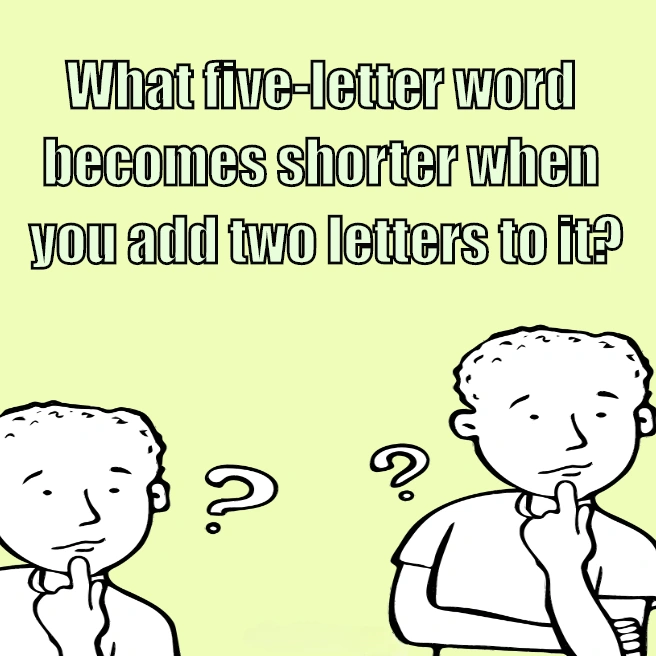
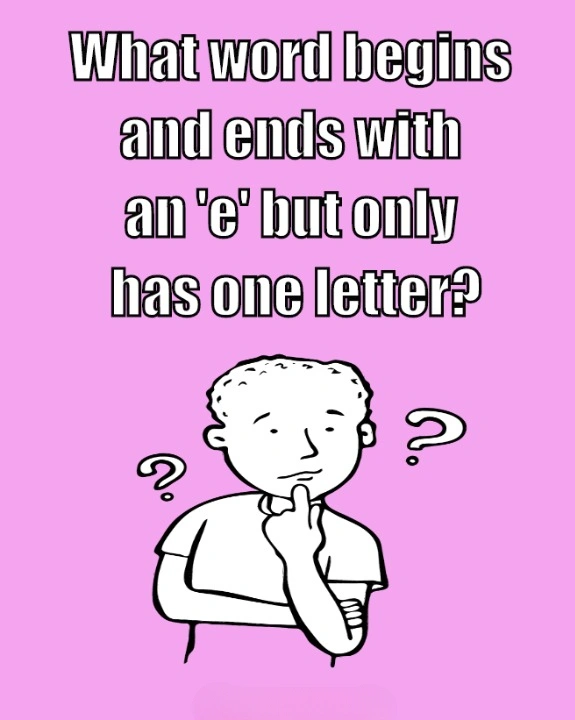
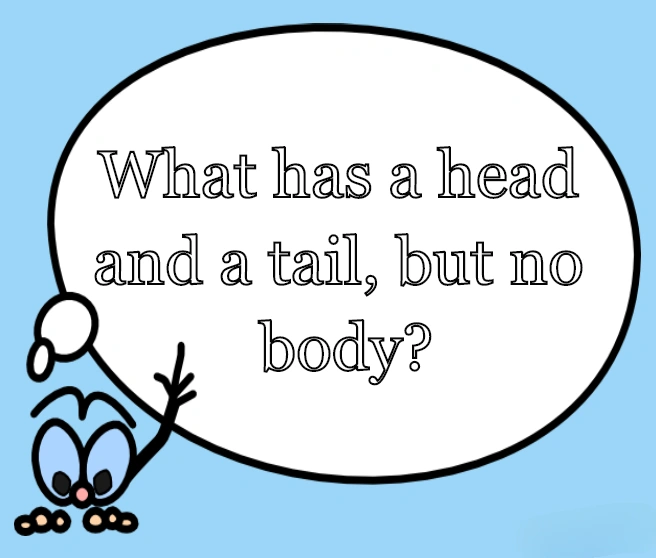
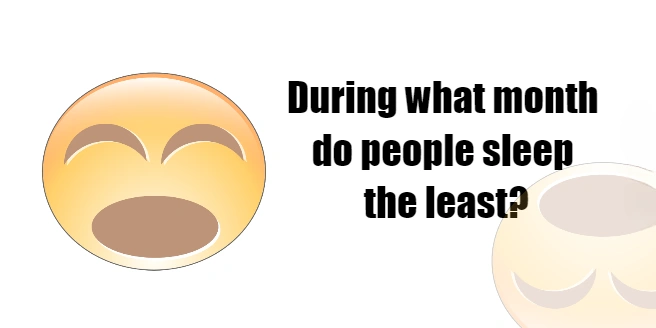
Cards like What gets shorter as it grows older?, What invention lets you look right through a wall?, What has many keys but can’t open any doors?, and What can travel around the world riddle depend on words with more than one meaning.
Do not take every phrase literally. A “key” may not open a door. A “wall” may not need to be broken. A thing that “travels” may not move by itself.
A Simple Test Before Revealing
Use this quick check before tapping the answer:
- Does the answer fit every clue?
- Did I inspect the image, not only the text?
- Is the question trying to make me assume something?
- Could one word have a second meaning?
- Is there a simpler answer than the one I first thought of?
If your answer fails one of these checks, keep looking. Logic riddles reward slow attention more than fast guesses
How to Handle Image-Based Logic Cards
Image riddles need a different approach from text riddles. Start by scanning the full card from top to bottom. Then compare similar parts of the image.
If the puzzle shows numbers, check whether the order, spacing, or missing value matters.
If it shows colors or shapes, compare position, size, count, and pattern.
If it shows people or objects, ask what the image is not showing. In logic puzzles, the missing detail can be as important as the visible detail.
When the Puzzle Looks Too Easy
Some logic riddles look easy because they are built around a common assumption. That is the trap.
For example, a plane crash riddle may sound like a survival question, but the answer may depend on where the crash happened or how the question is worded. A couch riddle may look like a normal living-room scene, but the solution may depend on one clue in the image or description.
When a puzzle feels obvious, read it one more time before revealing the answer.
Better Ways to Play This Page
Try solving the cards in small rounds instead of scrolling through everything at once.
- Round 1: choose only visual cards.
- Round 2: choose only number cards.
- Round 3: choose only story or scene cards.
- Round 4: choose word-trick cards.
This makes the page more useful because each round trains a different type of reasoning. It also helps you notice which puzzle style is easiest or hardest for you.
Common Mistakes in Logic Riddles
The most common mistake is trusting the first answer that feels right.
Another mistake is treating all logic riddles like math. Some are math-based, but many are about wording, image details, assumptions, or missing information.
Players also miss answers when they ignore the title. A card title like Find the mistake, Number sequence, or The Doctor Isn’t Who You Think can give a clue about what kind of reasoning is needed.
More Puzzle Pages to Try
If you enjoy logic riddles, try Tricky Riddles for shorter misdirection puzzles or Brain Riddles for quick clue-based thinking.
If you prefer number-based reasoning, try Math Number Riddles, Math Puzzle Games, or Sudoku.
If you like visual scanning, Word Search Puzzles and Picture Logic are better choices because they focus more on pattern recognition and observation.
Frequently Asked Questions
Funny riddles usually focus on jokes or surprise wording. Logic riddles focus more on clues, patterns, assumptions, and reasoning.
Start by identifying the puzzle type. Decide whether it is visual, number-based, scene-based, or wording-based. Then test your answer against every clue.
No. Some use numbers, but many use images, object clues, story details, missing information, or word tricks.
Yes. You can open the page, choose a puzzle card, think through the clue, and reveal the answer in your browser.
Guessing may help you start, but the final answer should always match the clues. A strong logic riddle answer can be explained by pointing to wording, image details, number patterns, or story clues shown in the puzzle.
Read the riddle again and test both answers against every clue. The better answer should fit the full question without ignoring details. If one answer only works by assuming extra information, it is probably not the intended solution.