
Kids Logic Riddles: Simple Clue Games for Young Thinkers
Explore easy logic riddles and picture-based puzzle cards created for younger players. Kids can look at clues, numbers, shapes, animals, words, or images, then make a guess before checking the answer. This page is useful for quick thinking practice, guided puzzle play, and fun learning moments with parents or teachers.
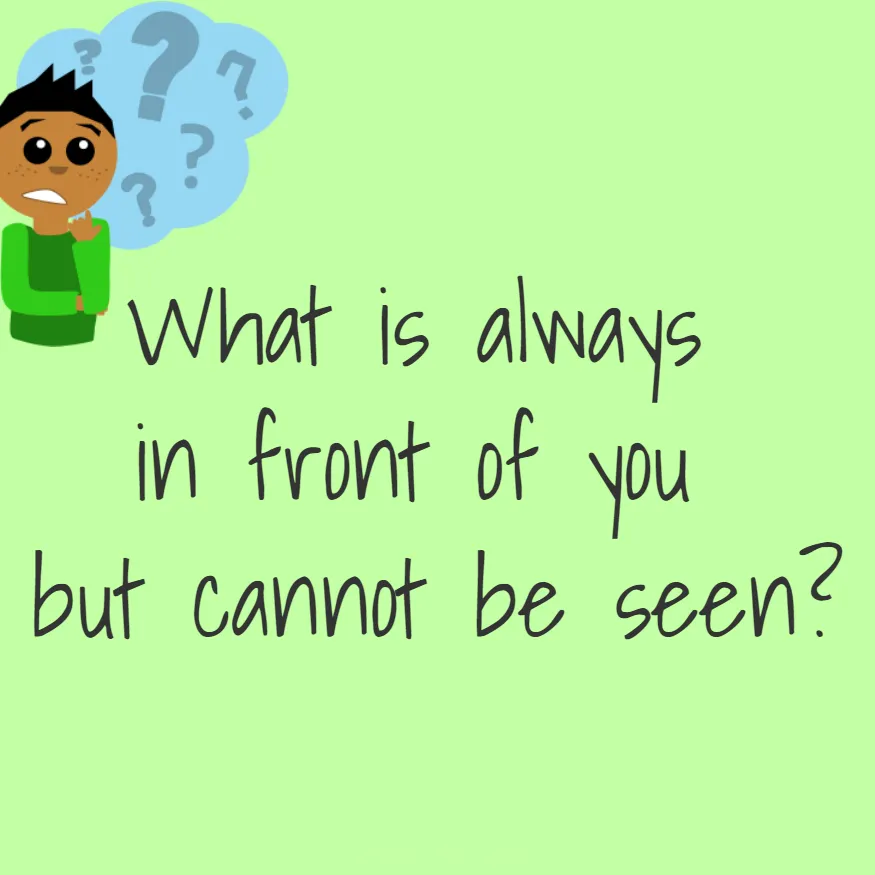
What is always in front of you but cannot be seen?
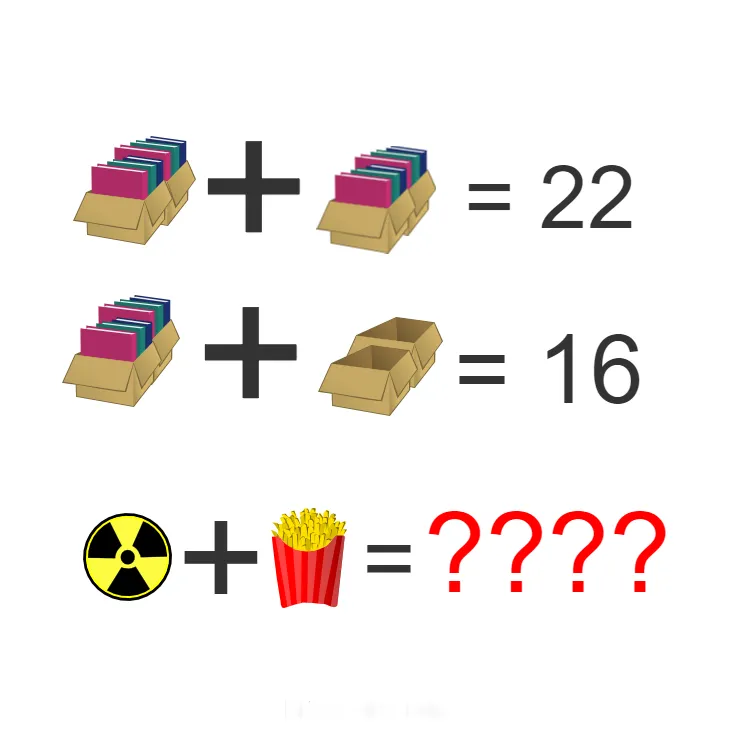
HUH????
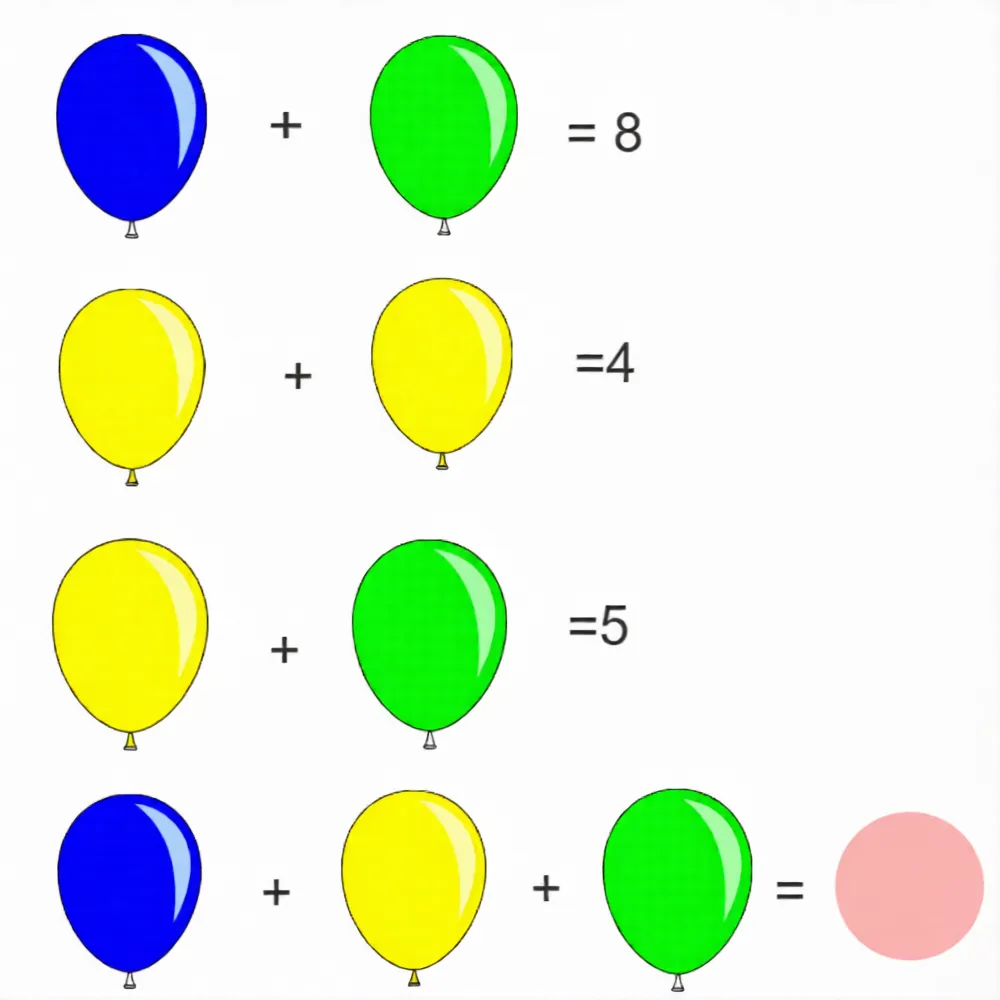
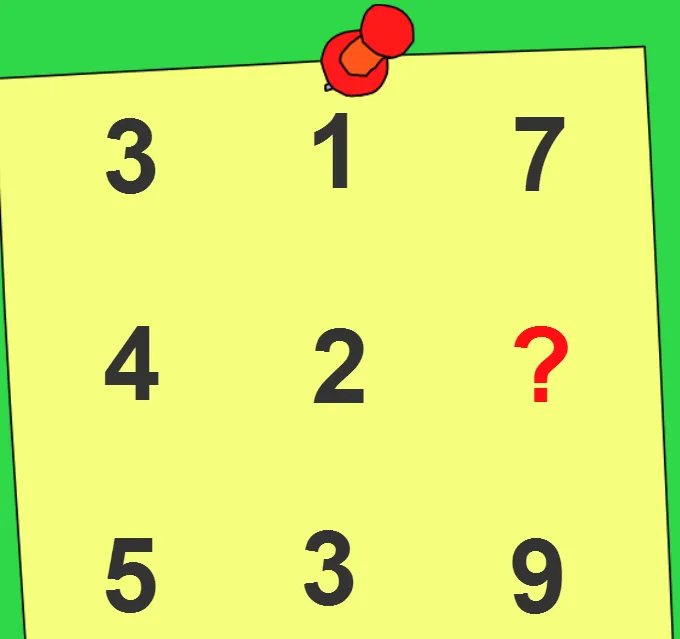
Guess the number
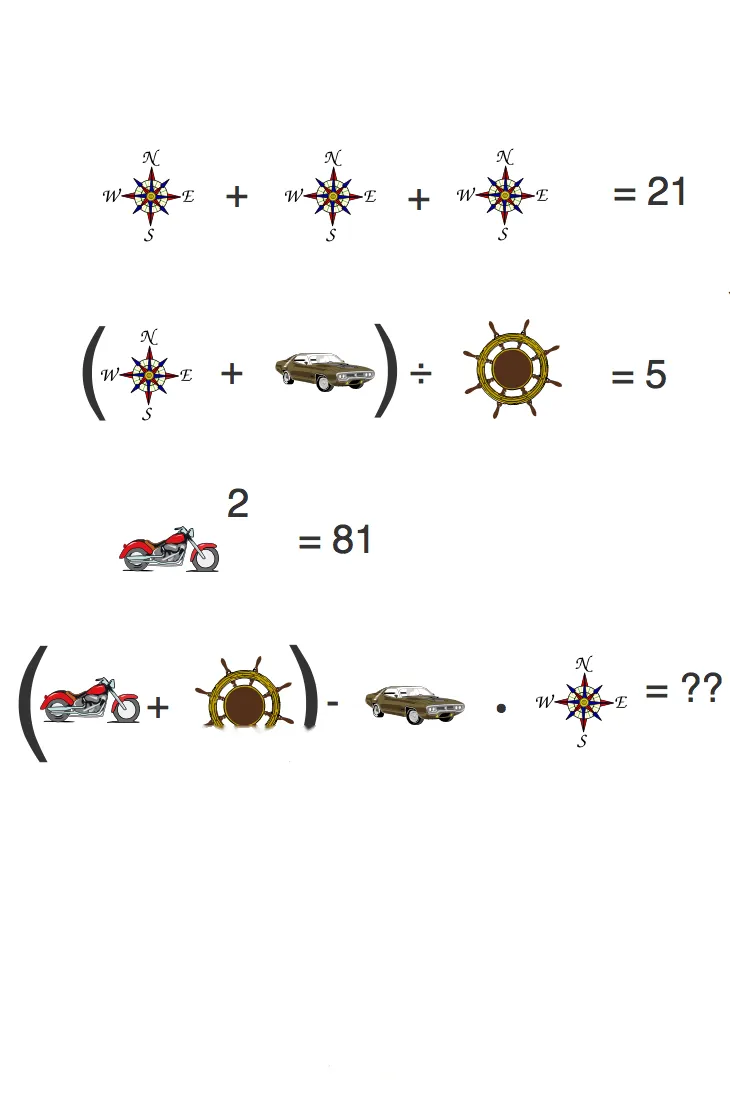
fun
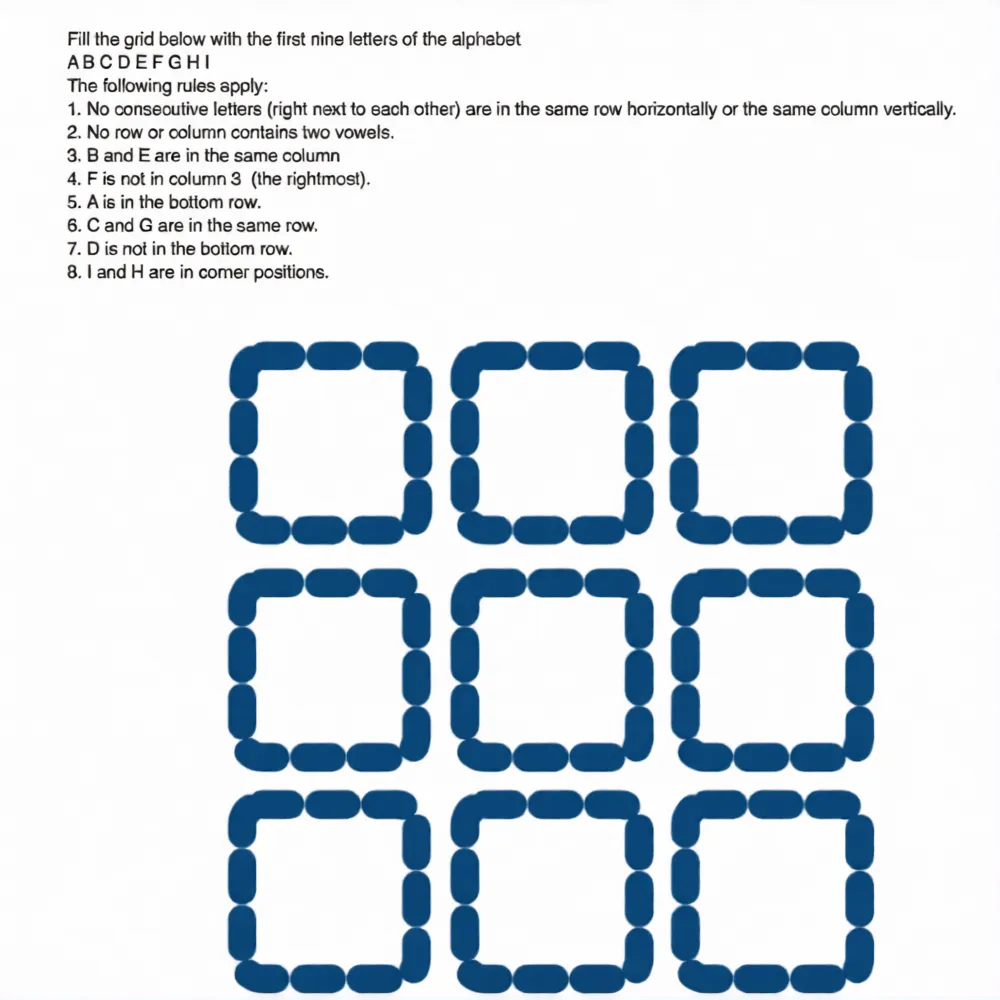
ABCDEFGHI
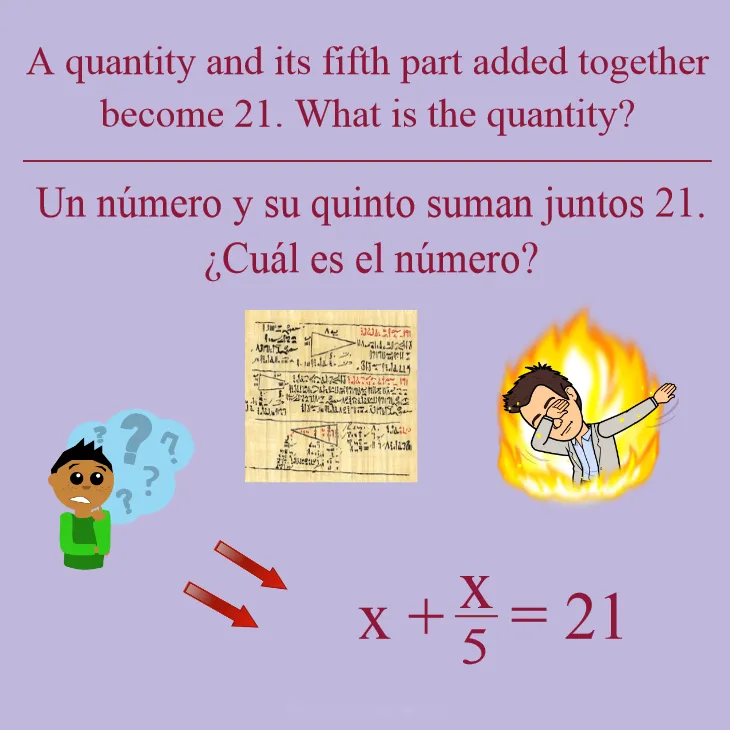
Rhind Papyrus - 27
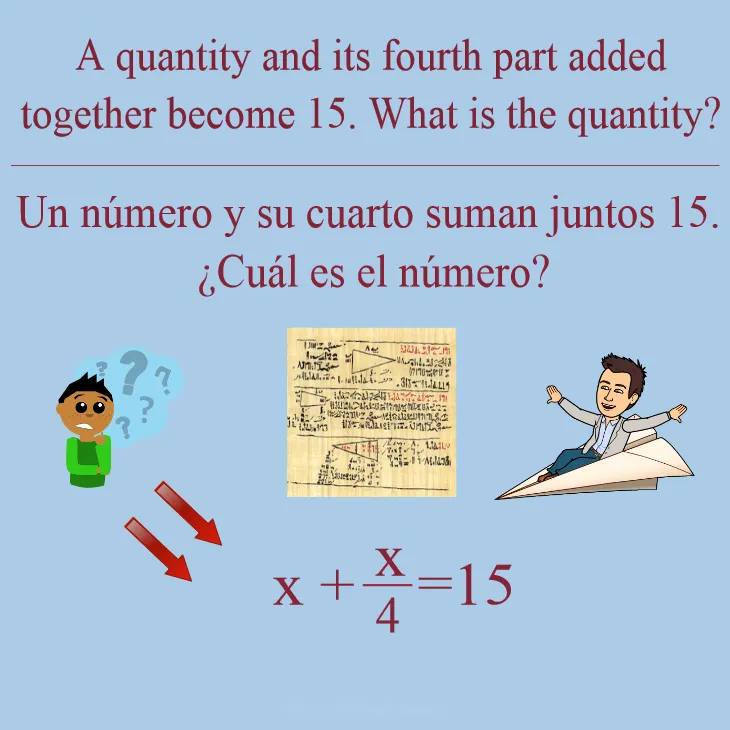
Rhind Papyrus - 26
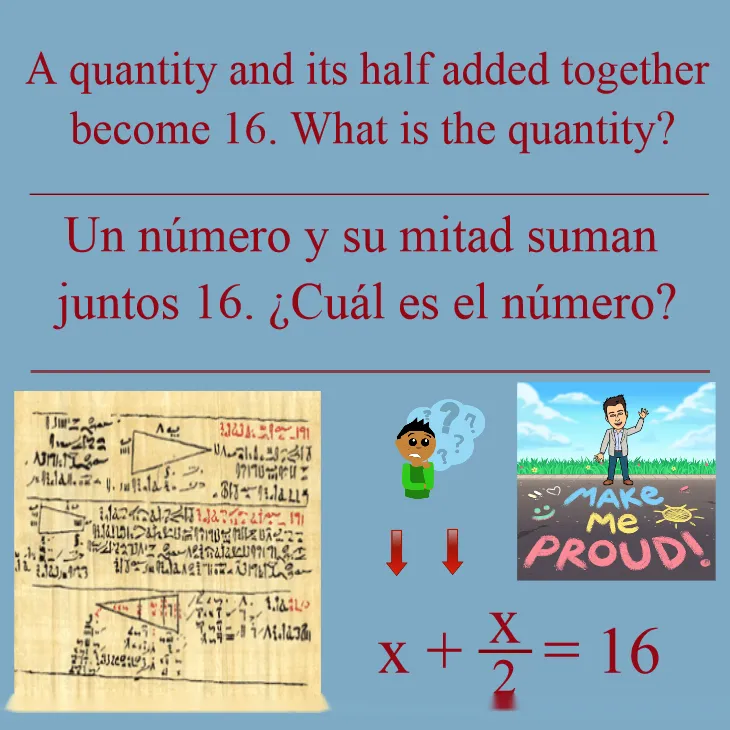
Rhind Papyrus - 25
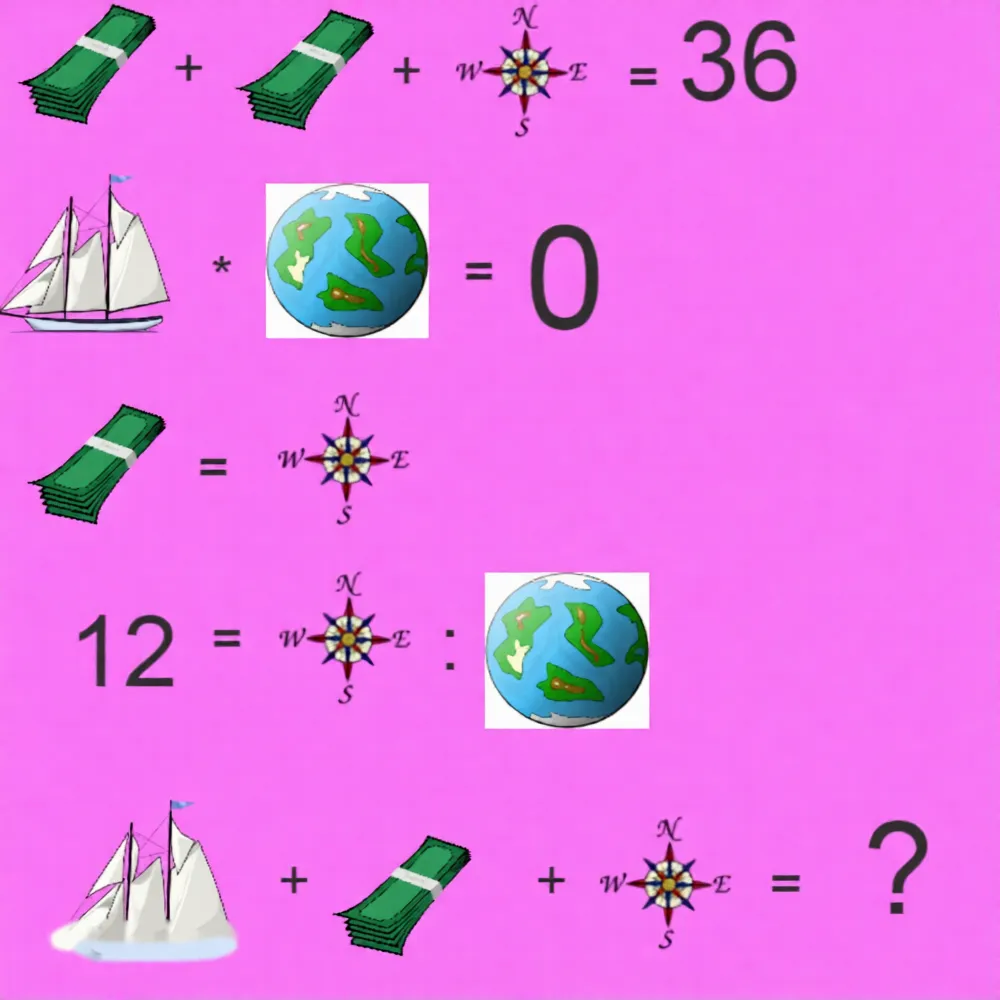
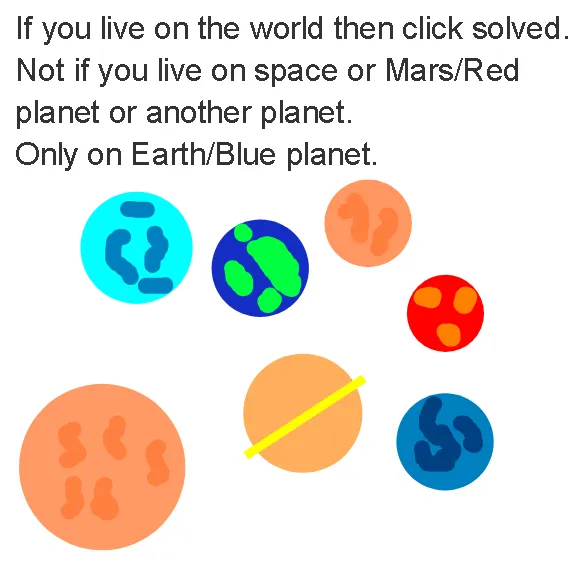
travel around the world
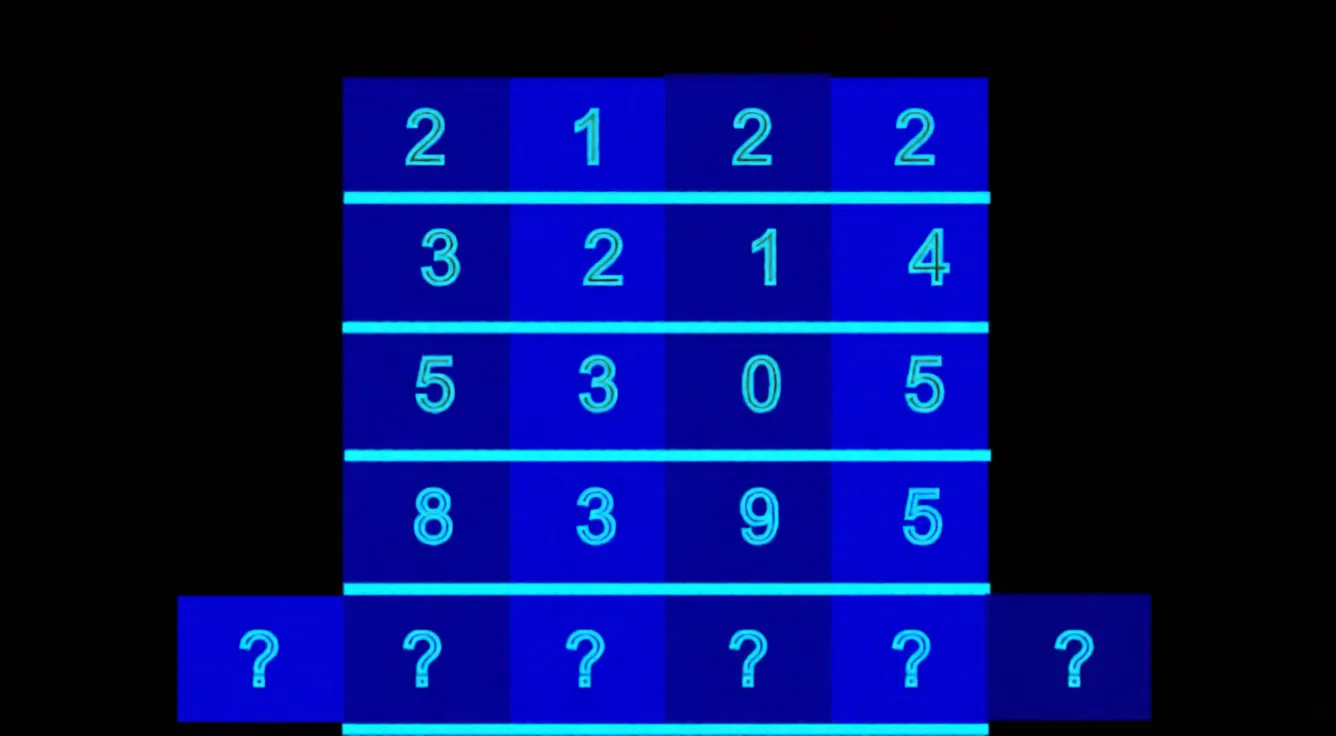
a hard one
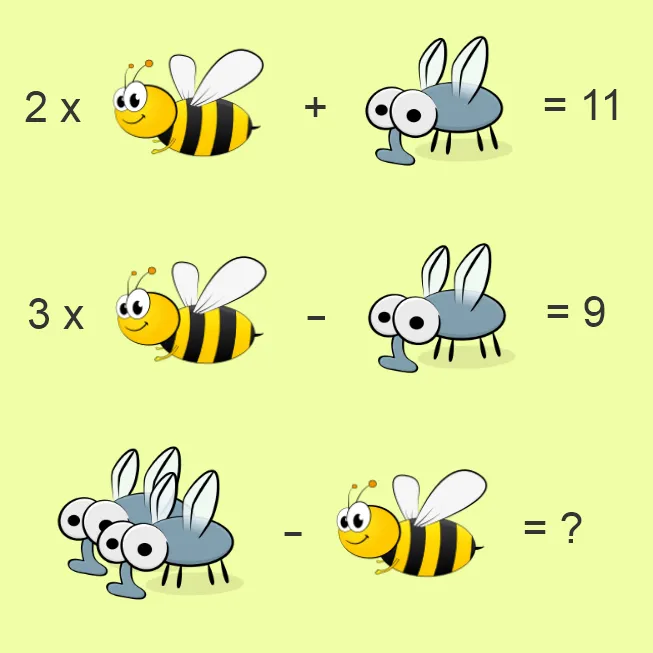
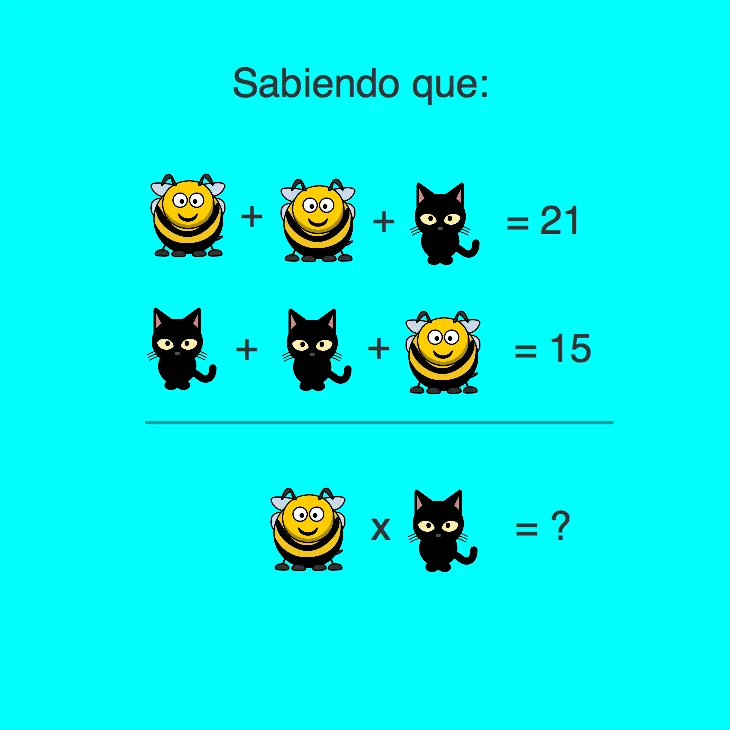
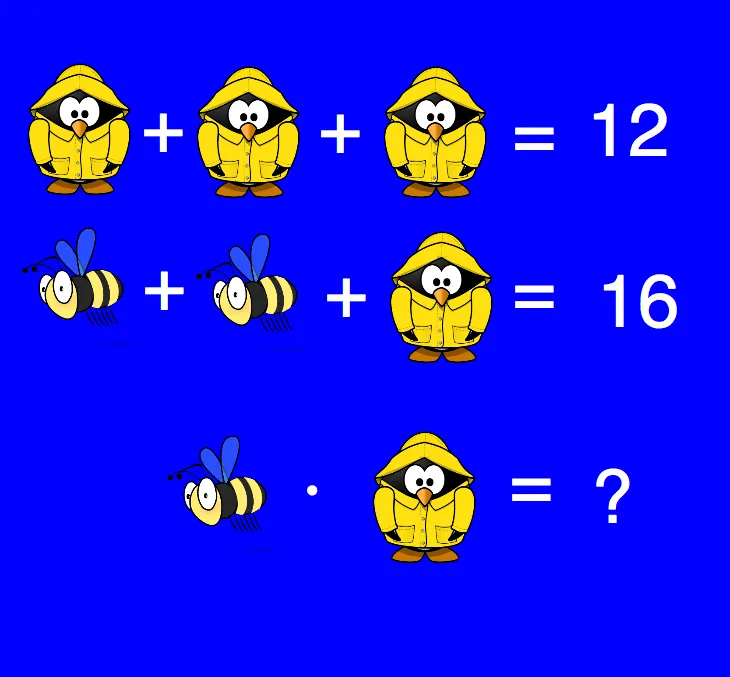
mosquito & bee
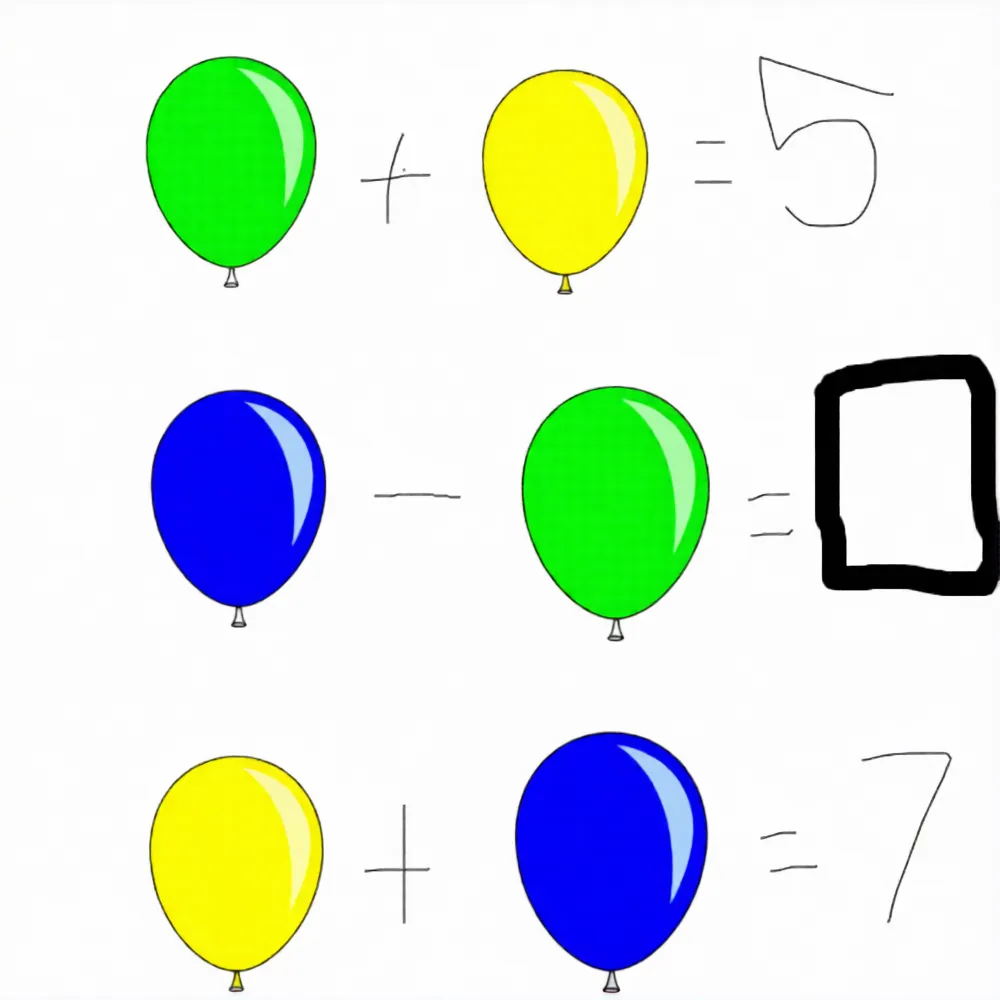
cousin camp
A Better Way for Kids to Play
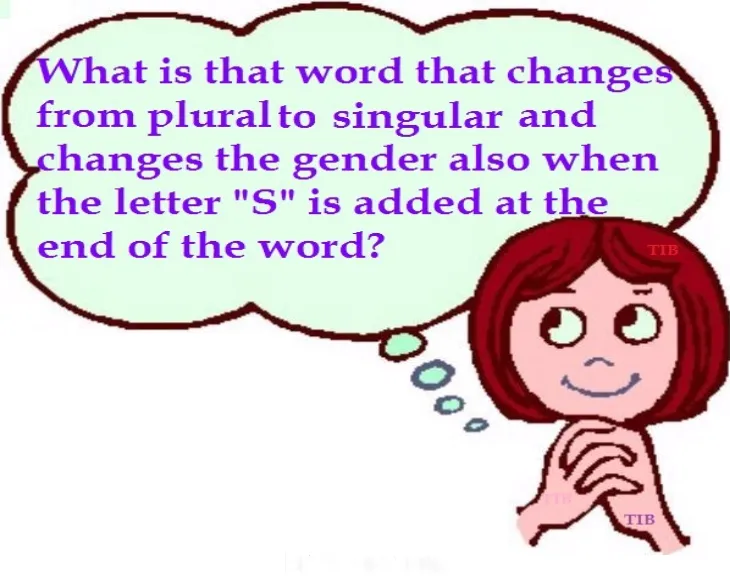
Kids should not rush through the cards just to reveal answers. A better way is to treat each puzzle like a small question: What do I see? What is missing? What pattern is changing? What clue did the image give me?
This makes the page more useful than a simple answer list. When children explain why they picked an answer, they practice careful looking and clear thinking.
For younger kids, an adult can read the riddle aloud. For older kids, let them solve first, then ask them to explain the clue before moving to the next card.
The Look, Think, Answer Method
Use this simple method with the puzzle cards:
- Look: Notice the picture, title, numbers, shapes, animals, or words.
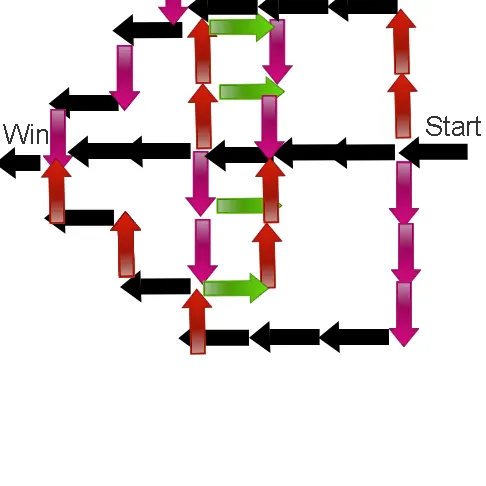
- Think: Ask what is changing. Is something missing, repeated, counted, added, or matched?
- Answer: Make a guess before checking the solution.
- Explain: Say why the answer makes sense.
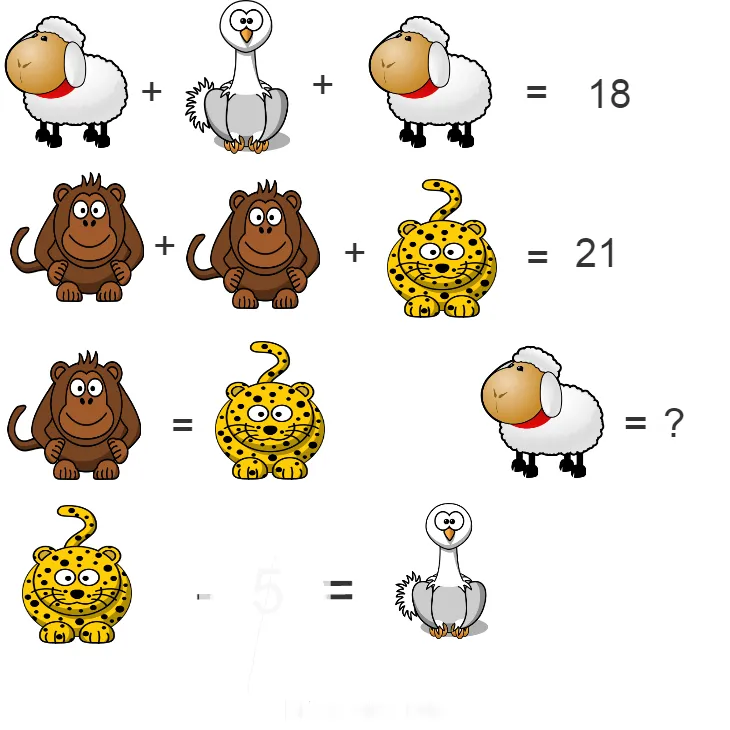
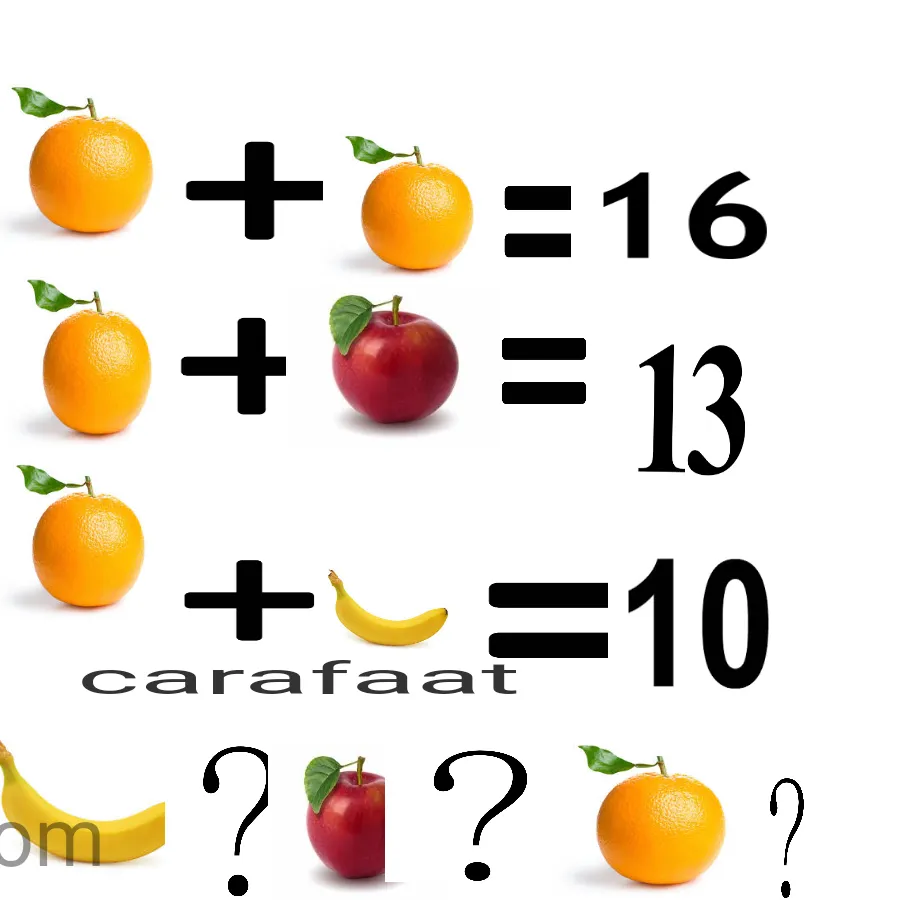
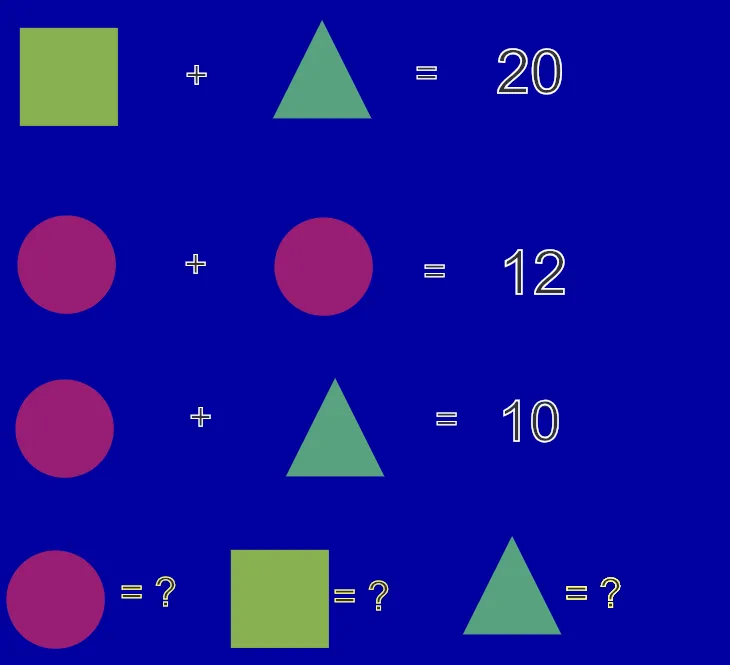
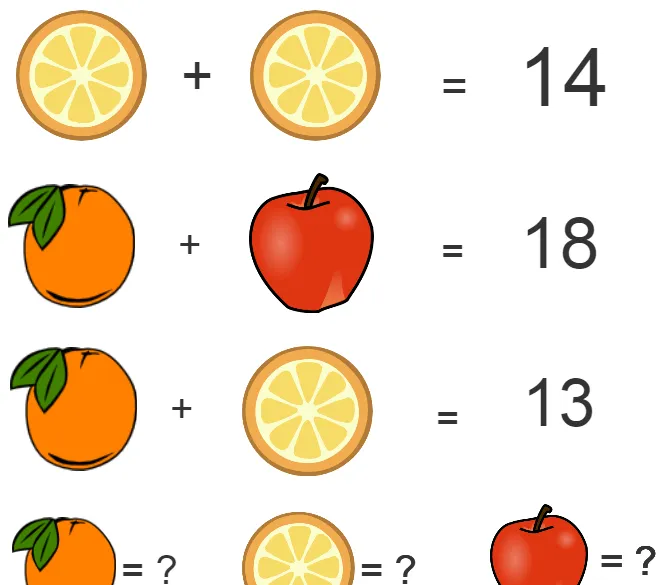
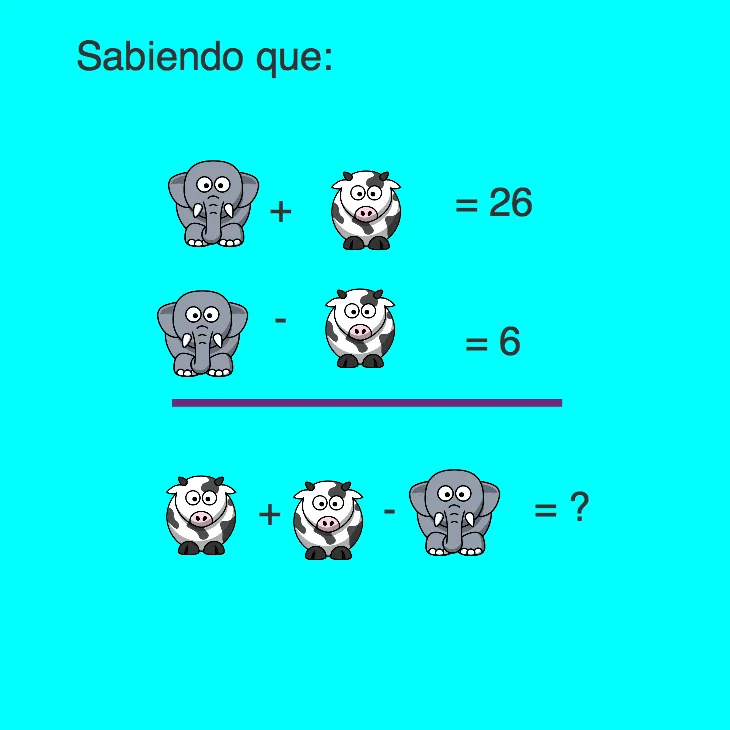
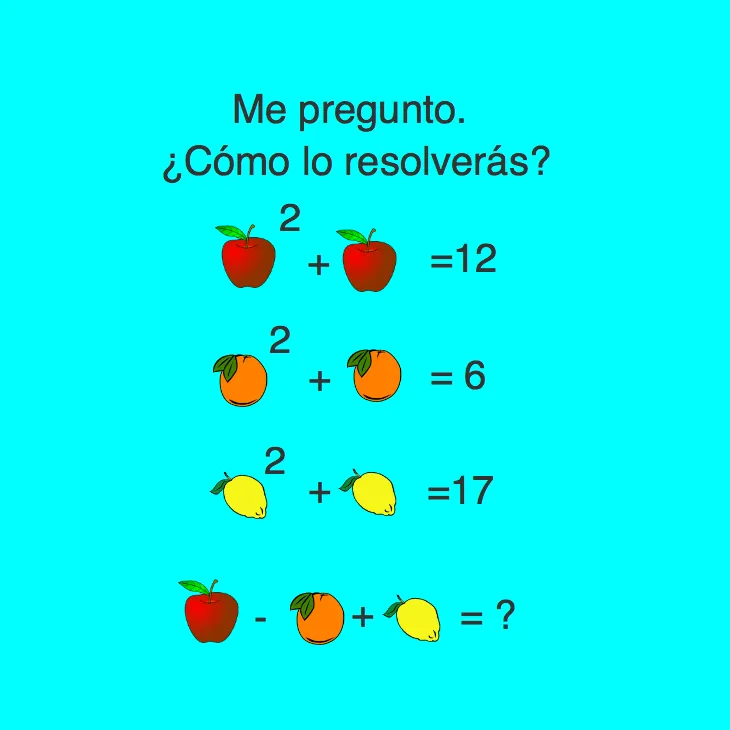
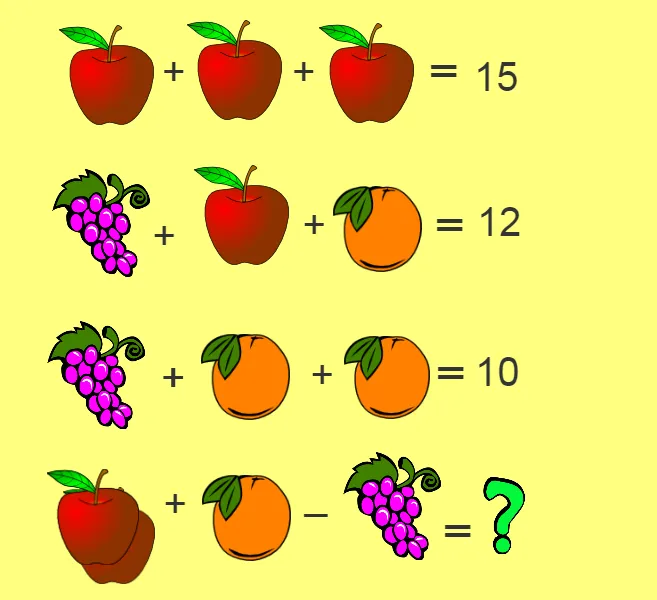
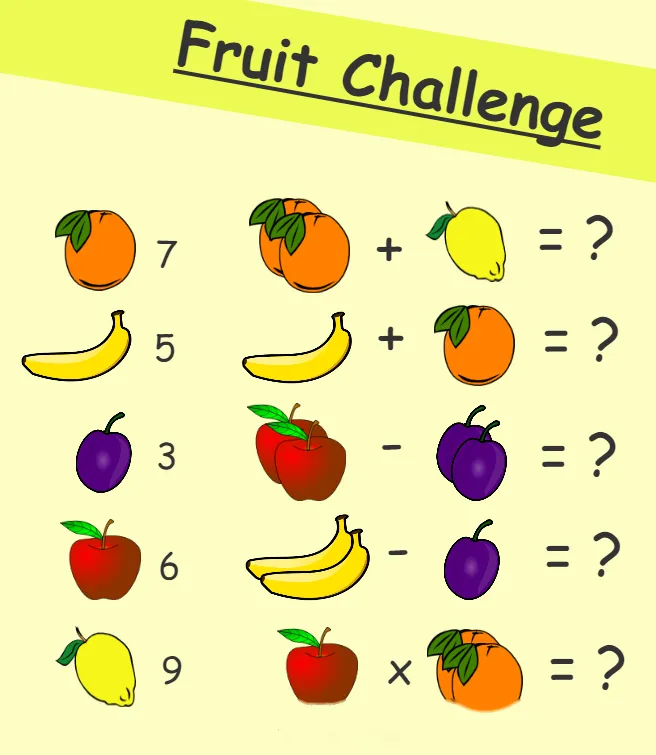
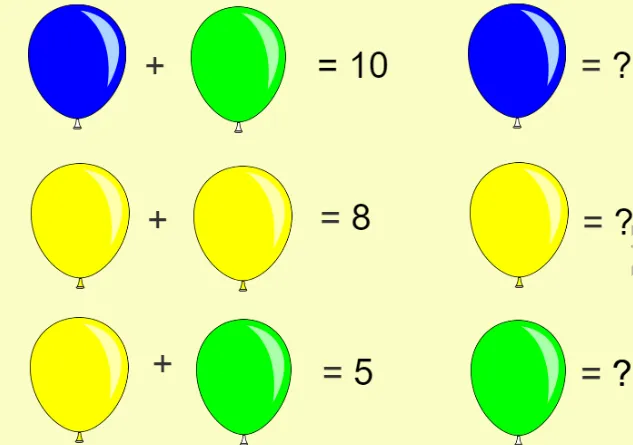
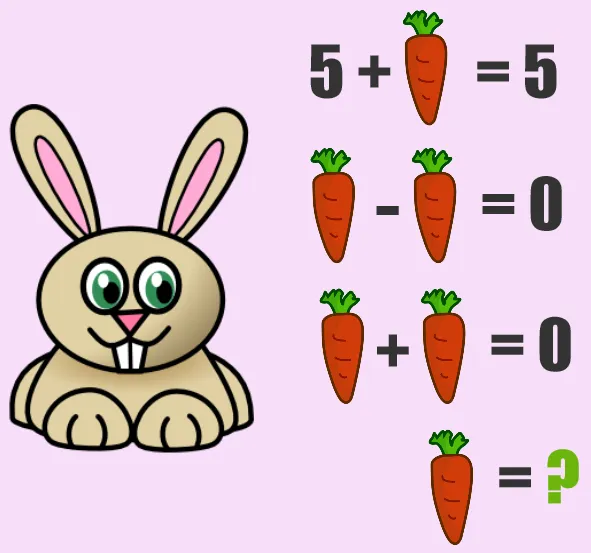
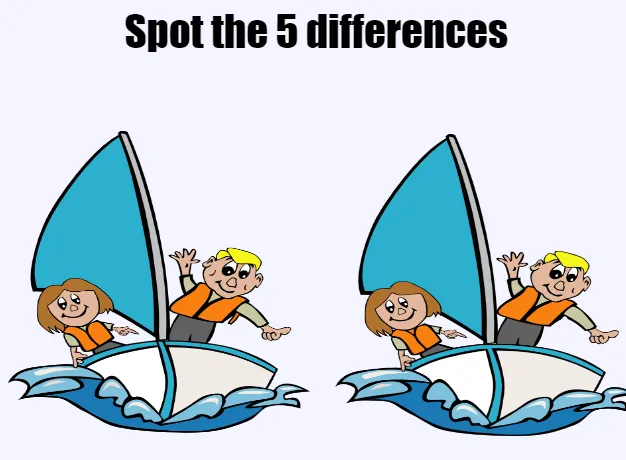
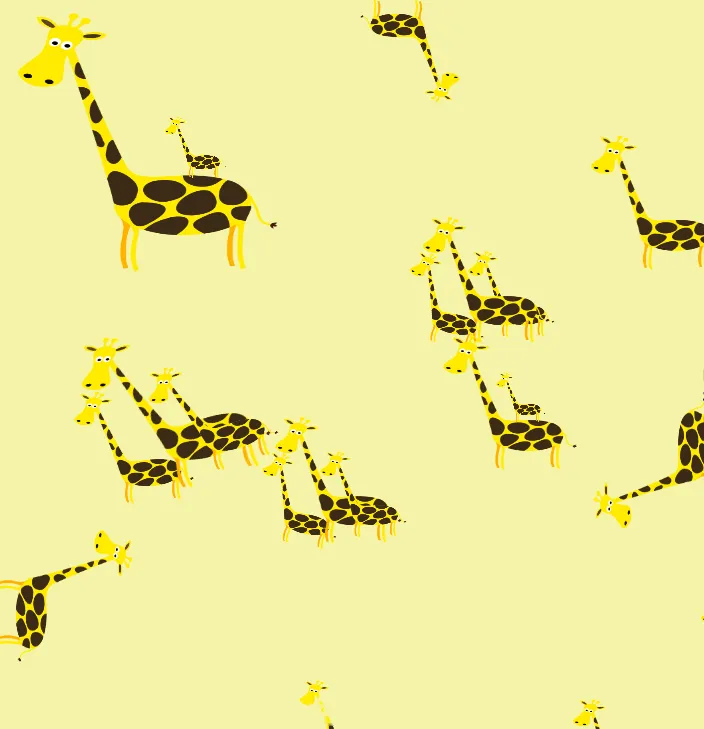
This four-step method works well for cards like Guess the number, mosquito & bee, shapes, fruit, Rabbit and carrot, five differences, and How many giraffes?
Puzzle Skills Kids Can Practice
Picture Clue Puzzles
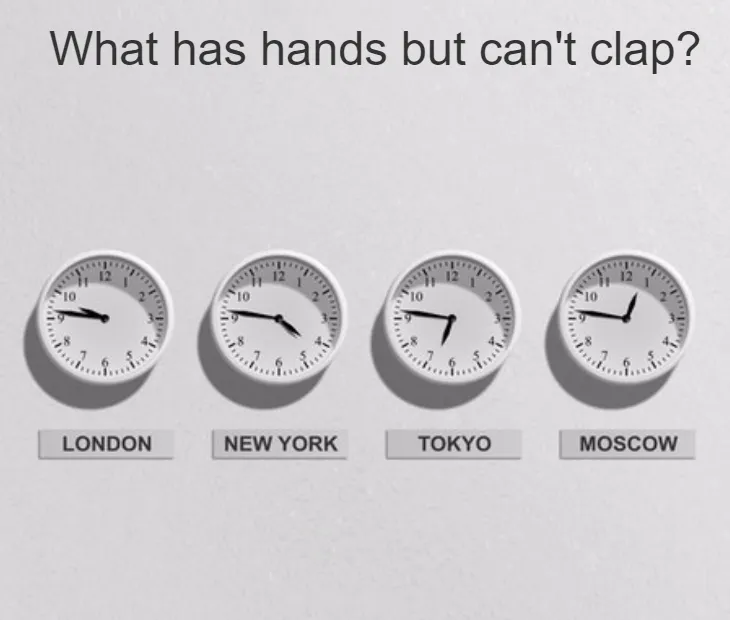
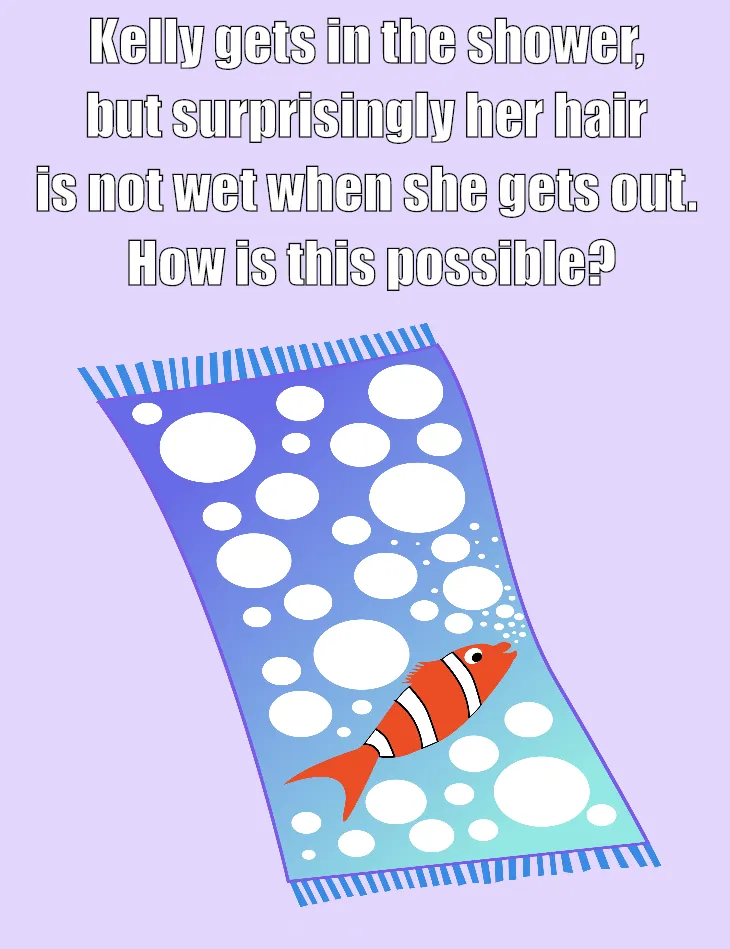
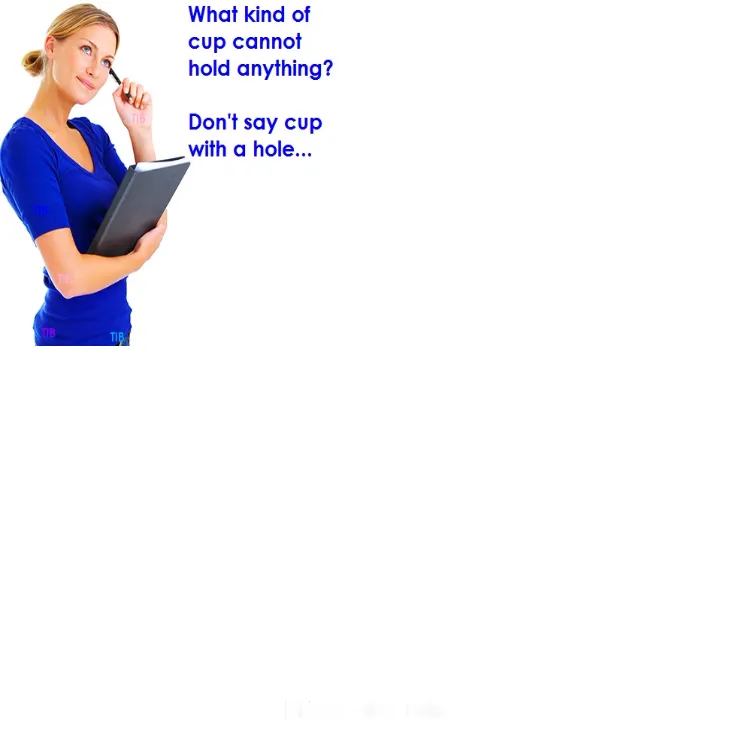
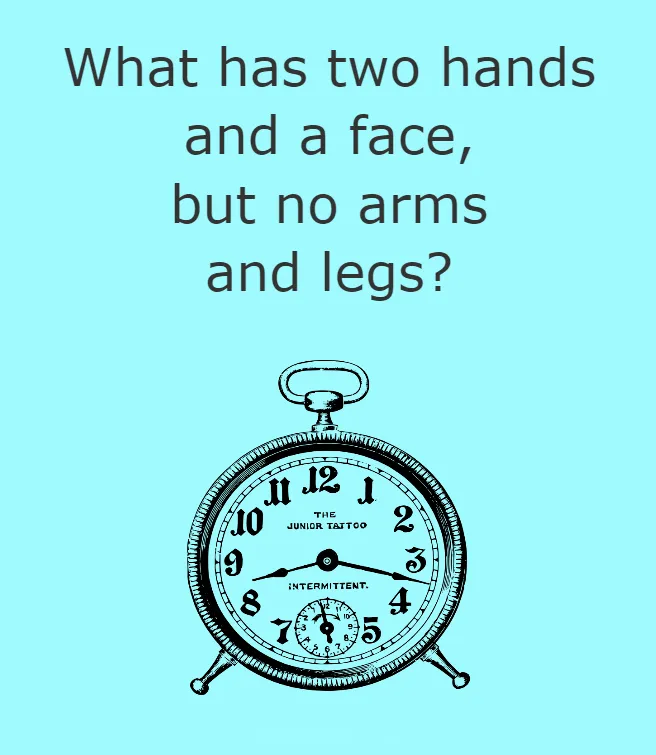
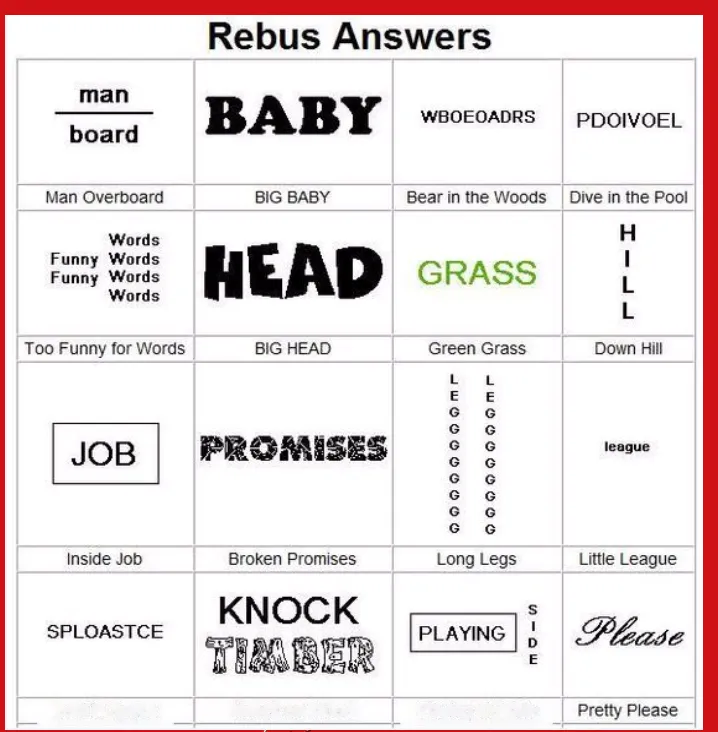
Cards like What is always in front of you but cannot be seen?, travel around the world, Cup that cannot hold anything, and What has hands but cannot clap? help kids connect words with everyday ideas.
These puzzles are useful because the answer often comes from a simple clue hidden in the sentence.
Number and Counting Puzzles
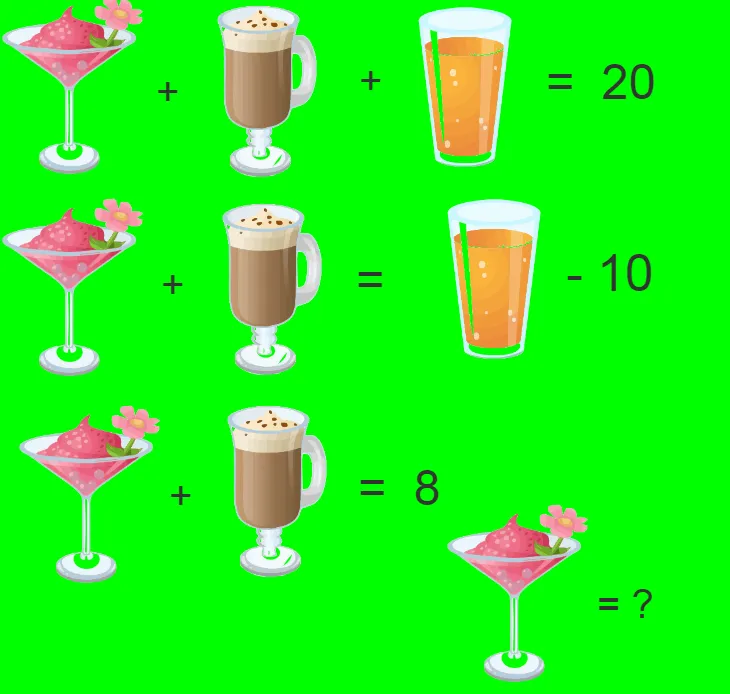
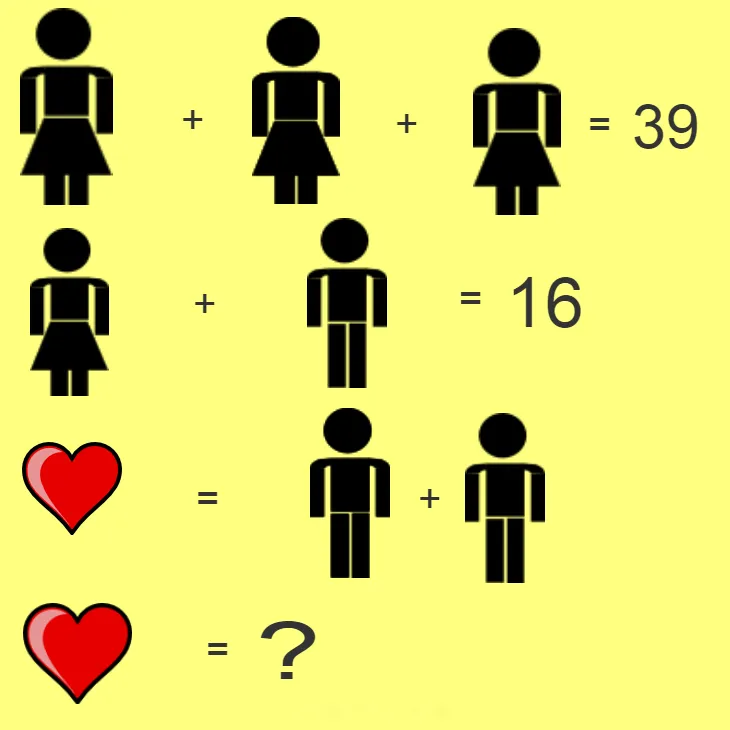
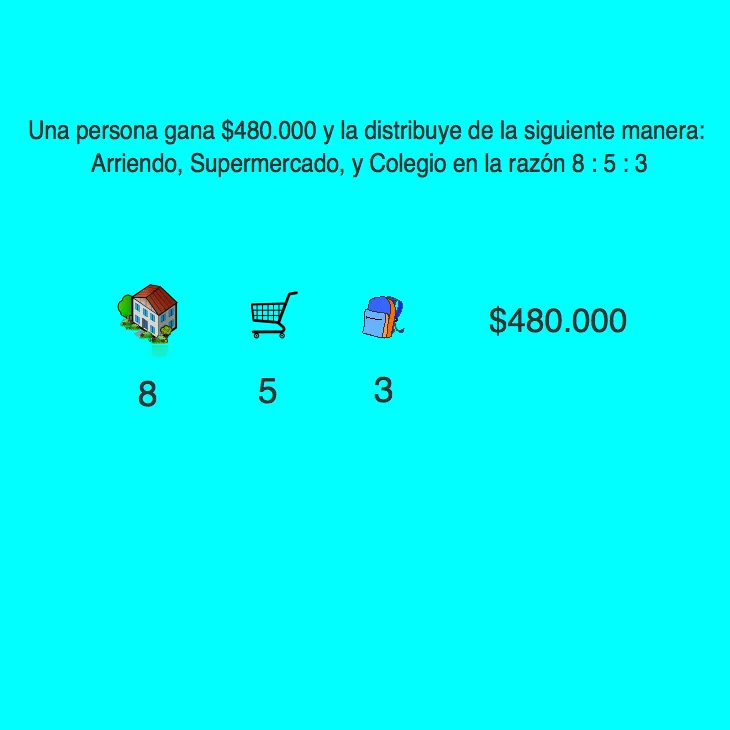
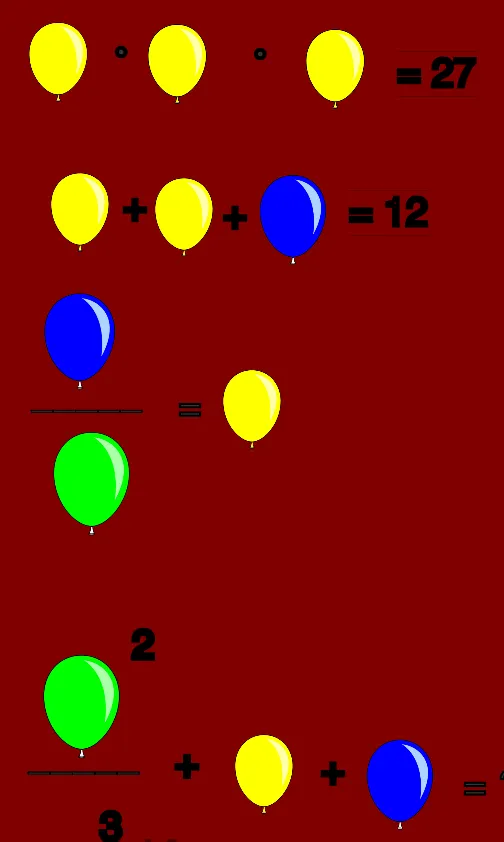
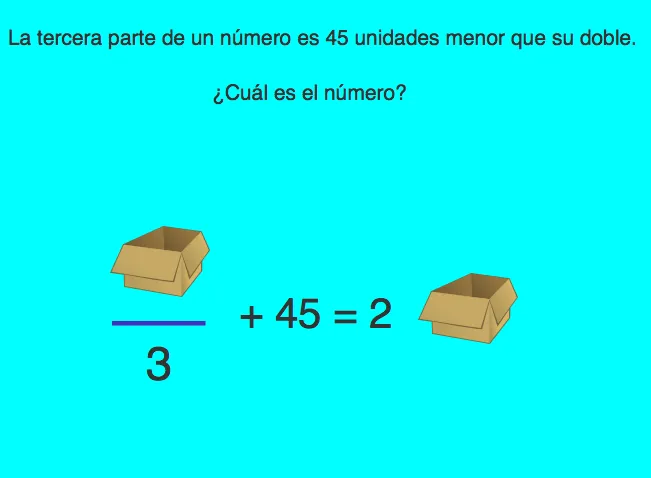
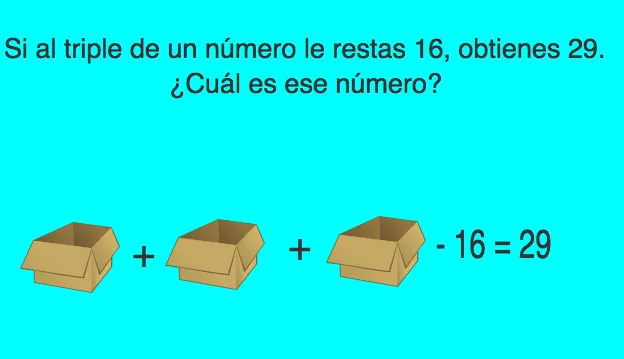
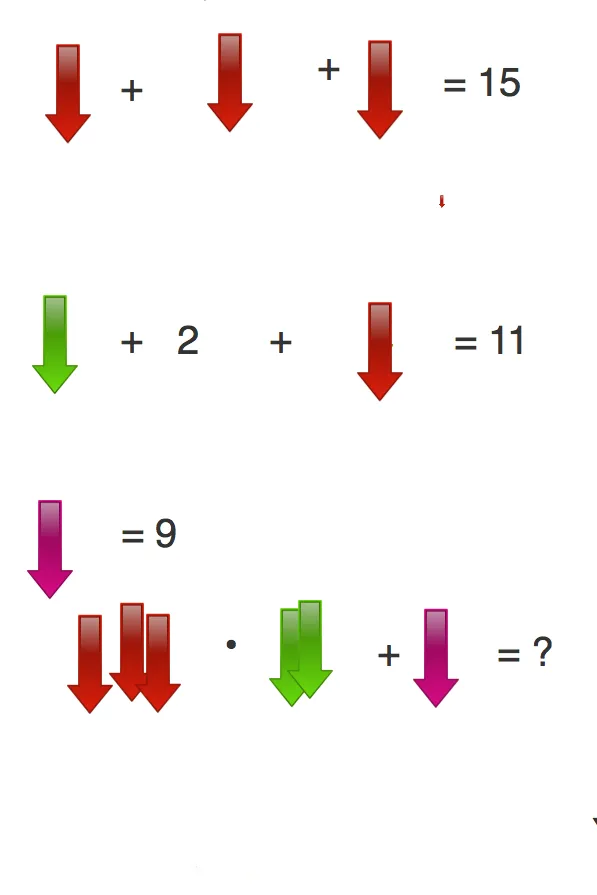
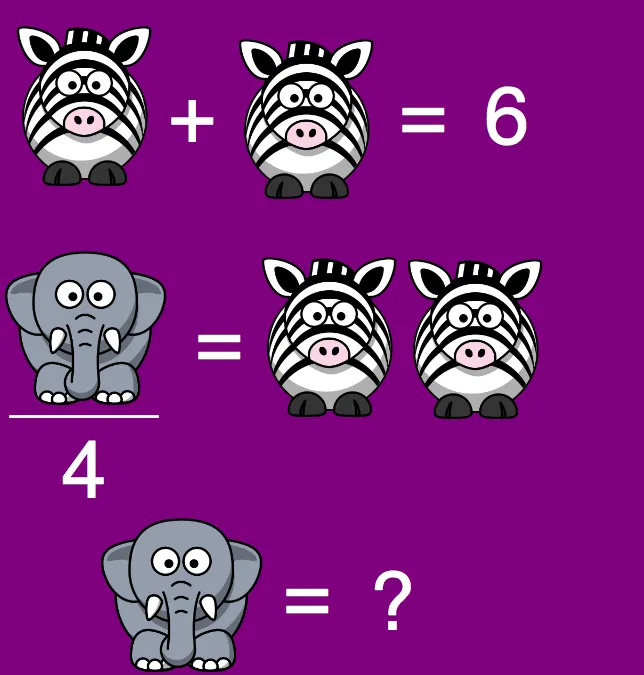
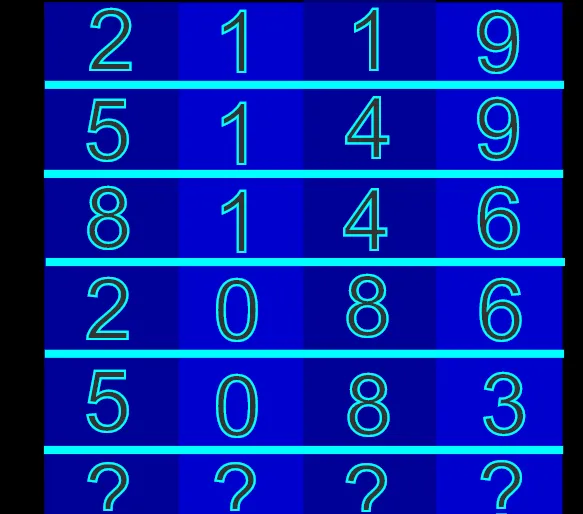
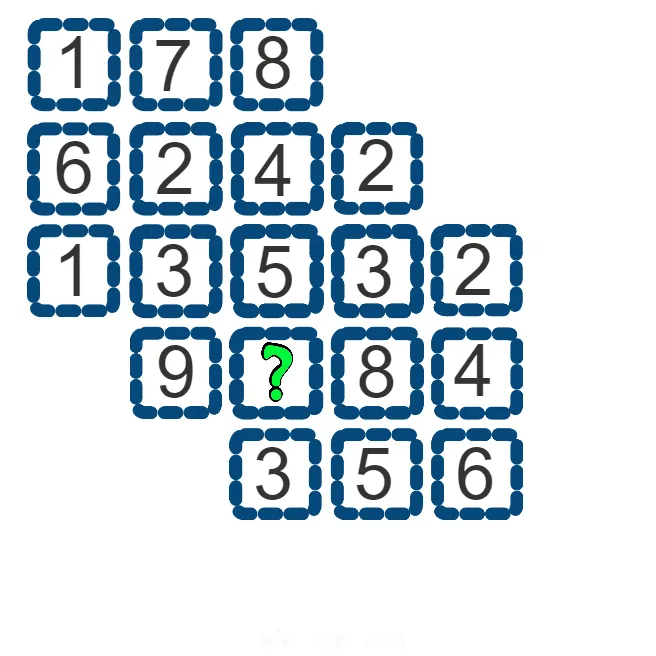
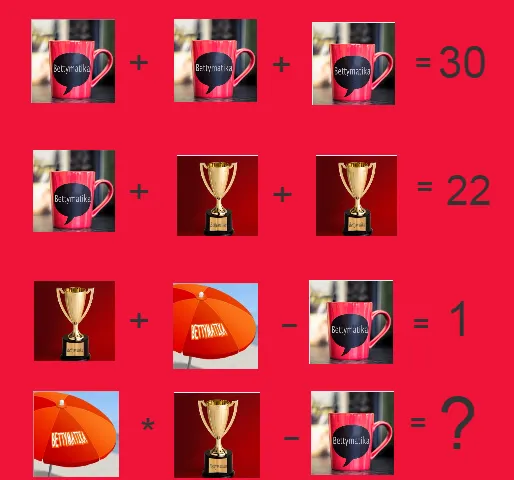
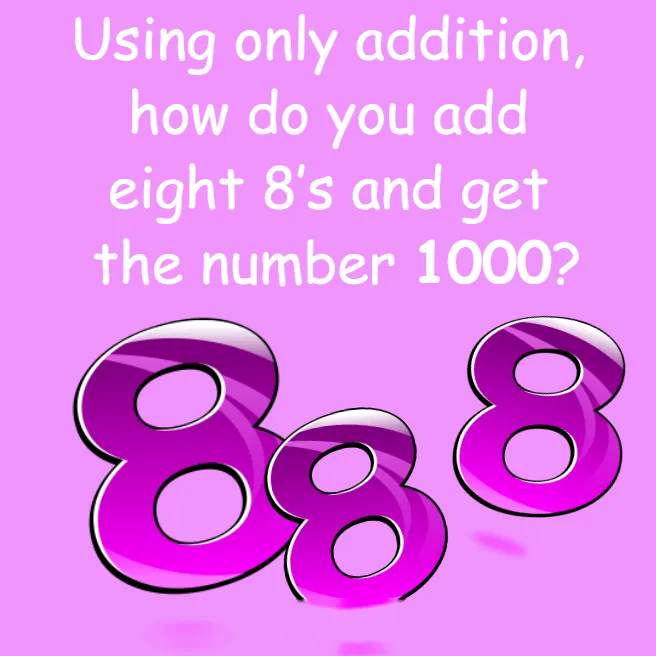
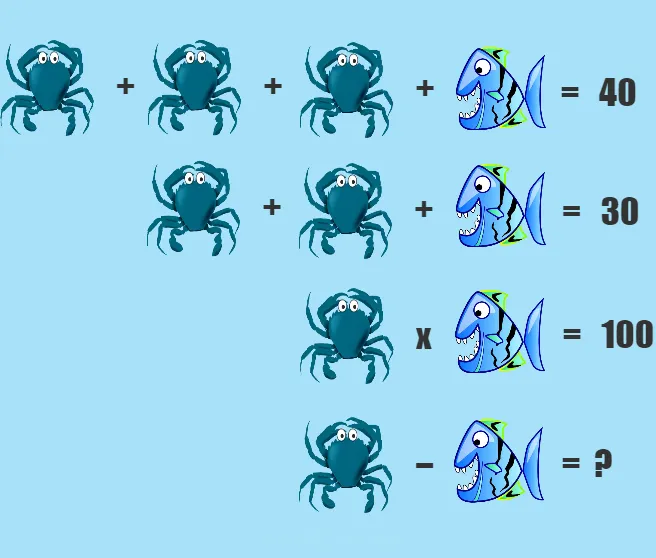
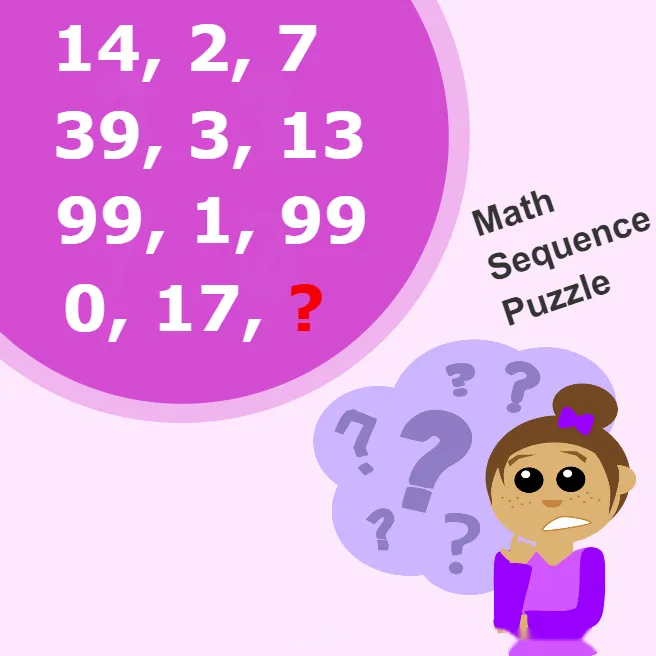
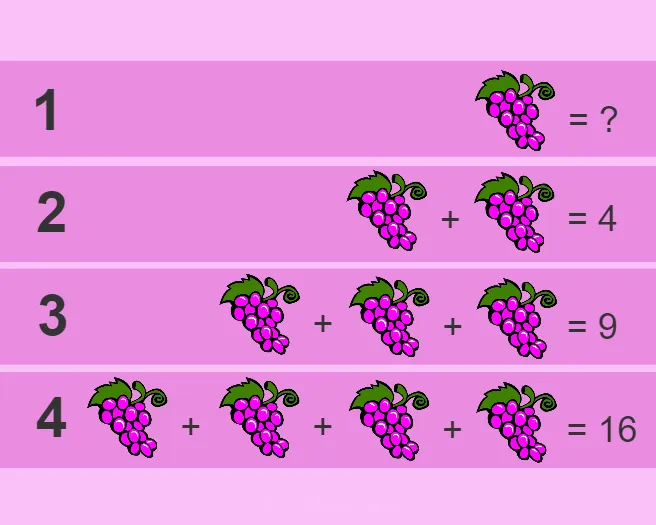
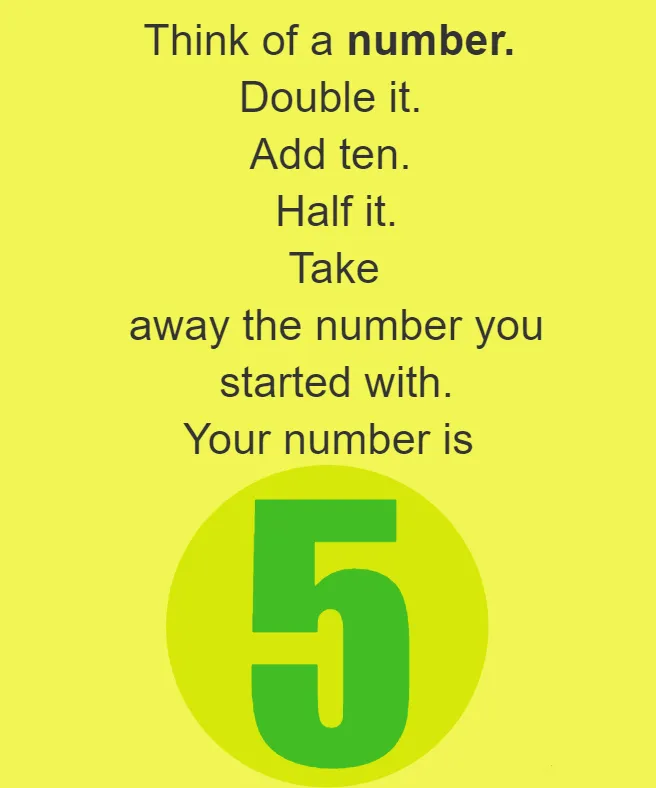
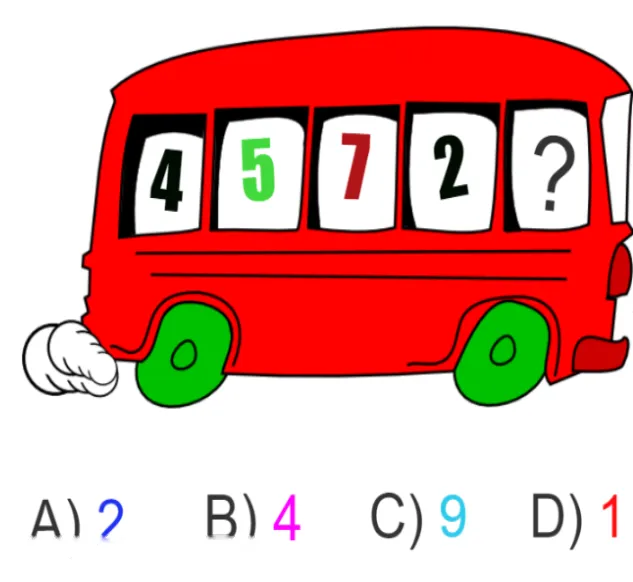
Cards like Guess the number, The Four Digits, The 27 numbers, How do you add eight 8’s and get the number 1000?, and Sequence Puzzle are better for children who enjoy numbers.
These cards can help kids practice counting, comparing, grouping, and checking number patterns.
Animal and Object Puzzles
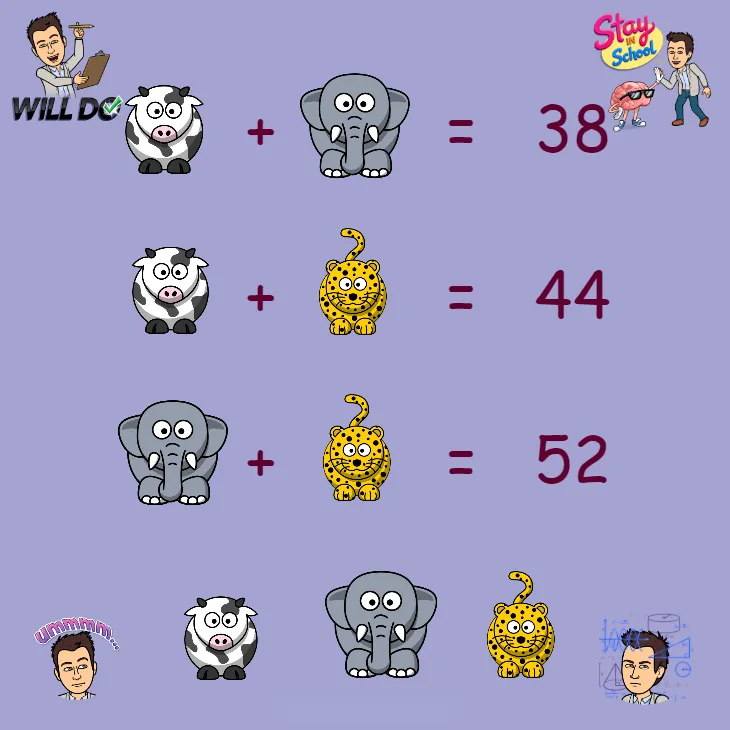
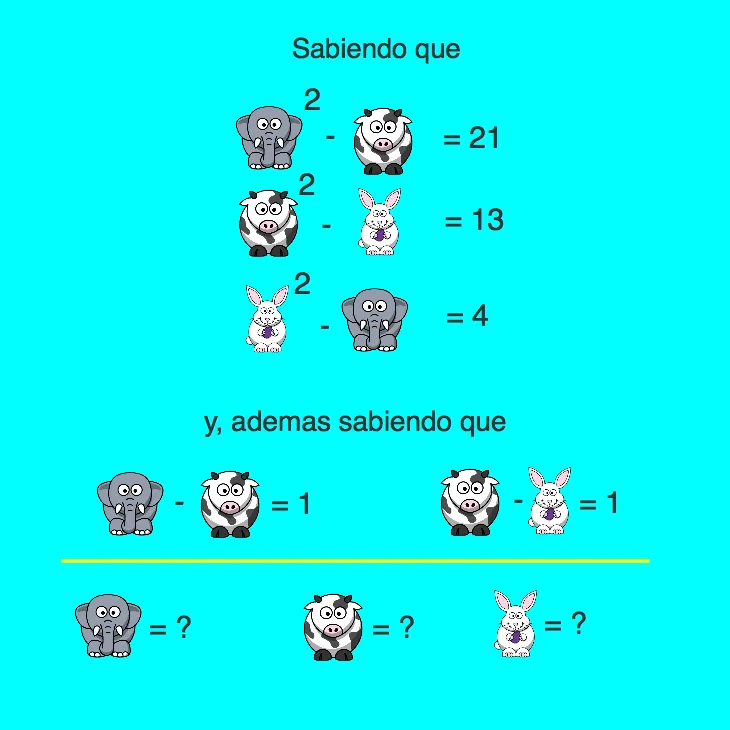
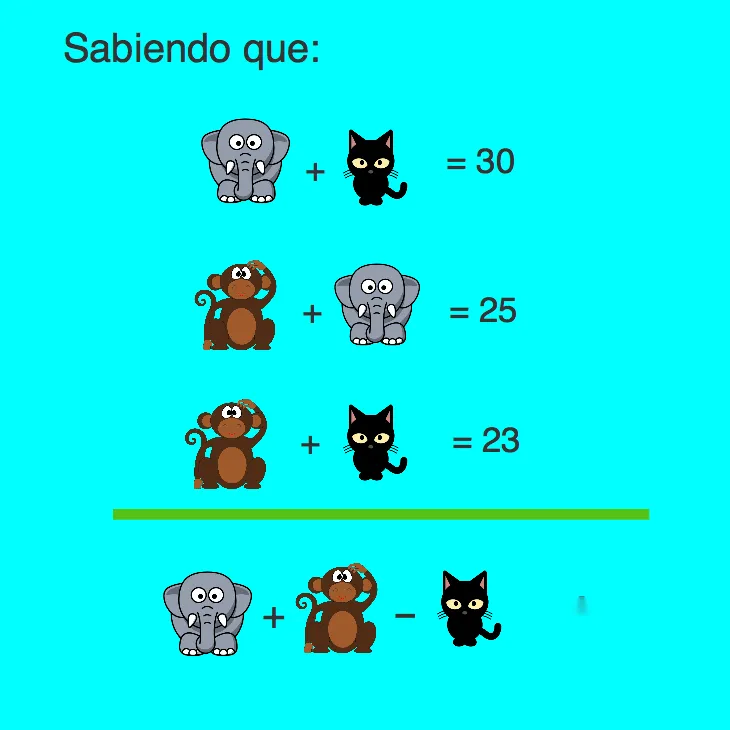
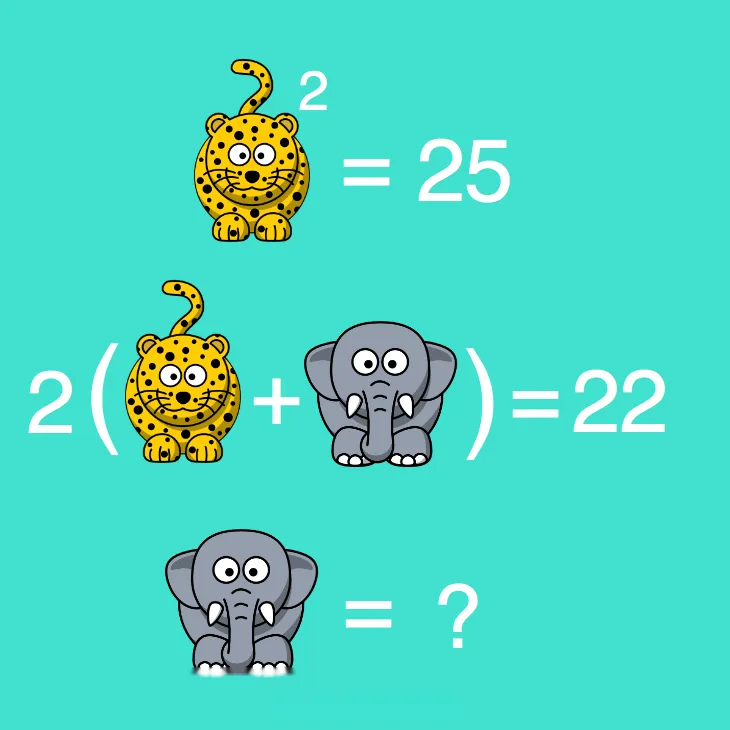
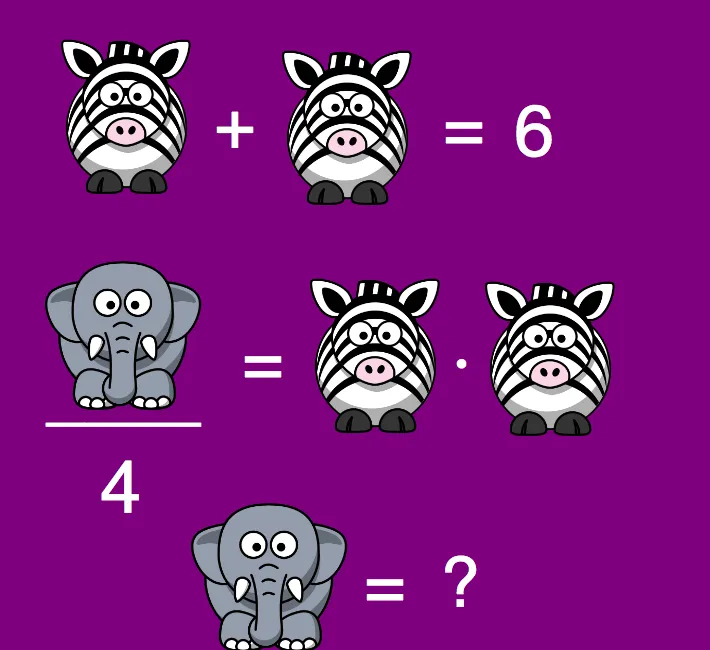
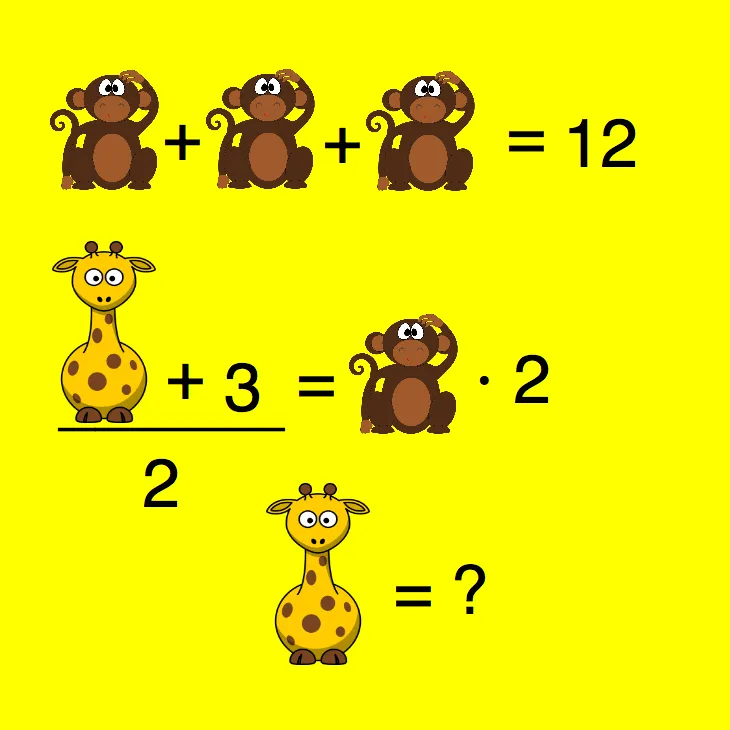
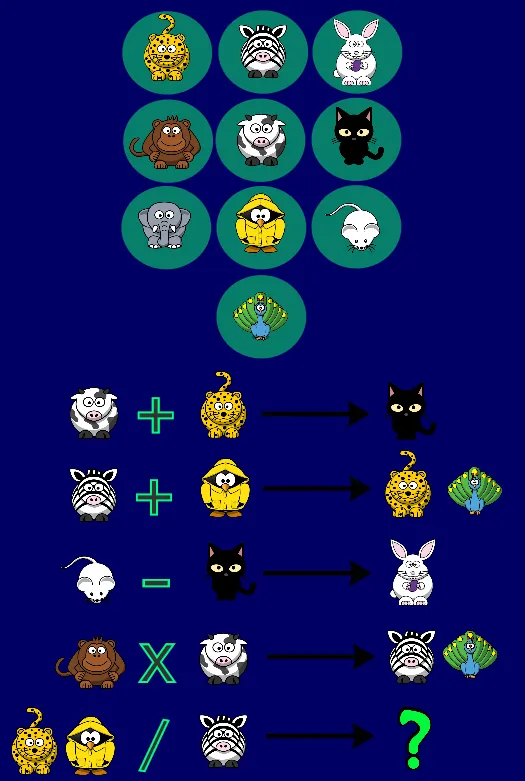
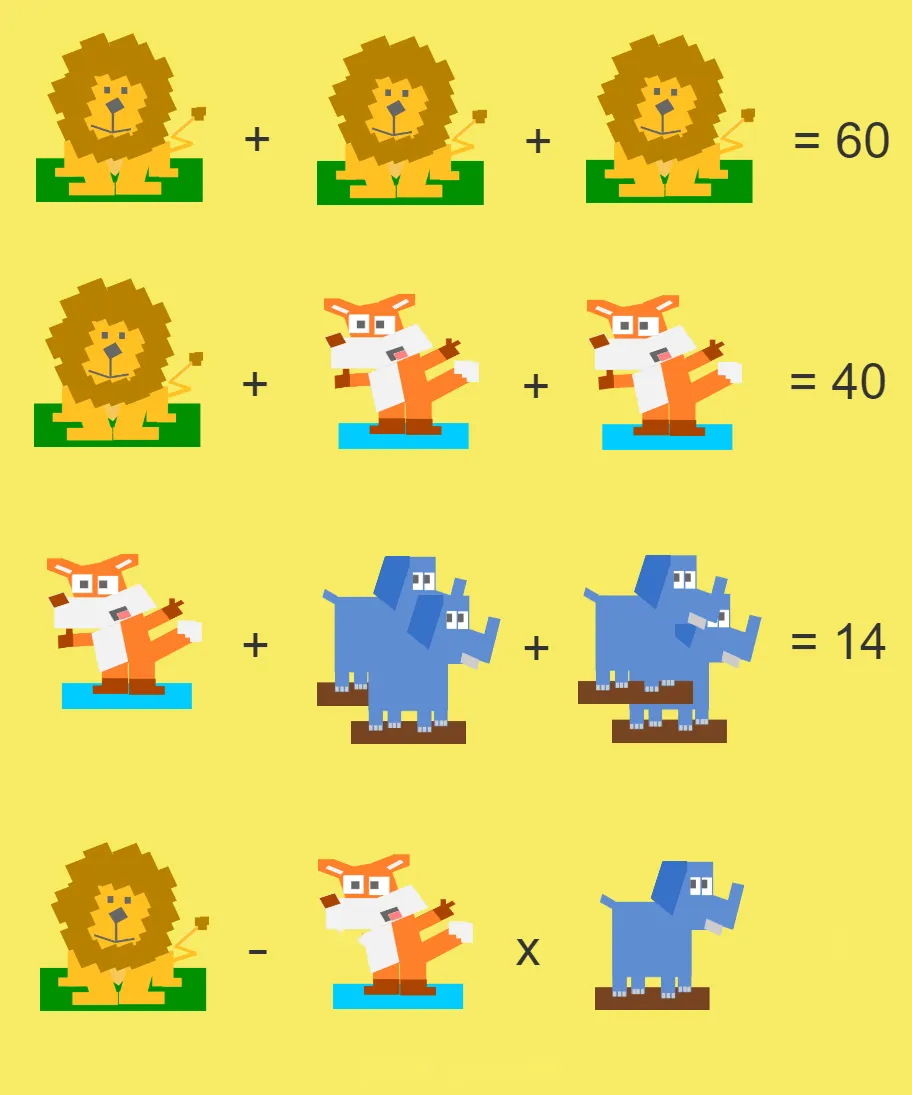
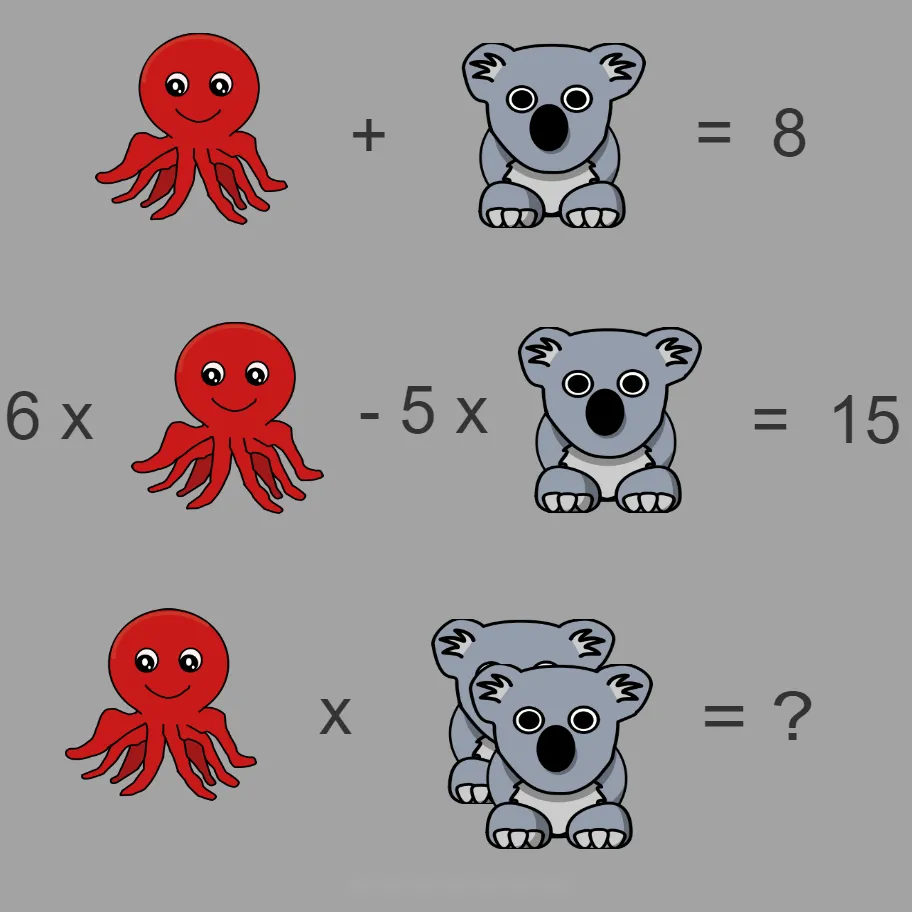
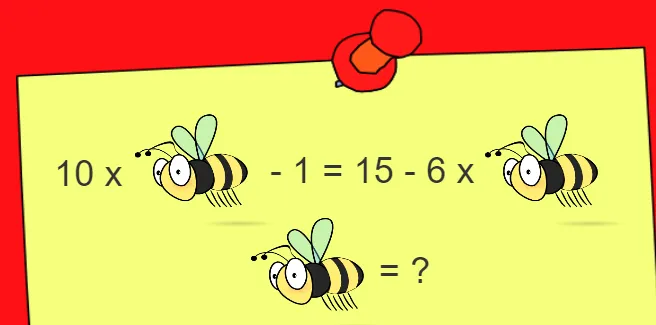
Cards like mosquito & bee, Bee kids puzzle, Rabbit and carrot, Octopus & Koala, Lion & Fox & Elephant, and Monkey Giraffe make the page more visual and playful.
Kids can look for differences, count items, compare animals, or notice repeated details.
Shape and Pattern Puzzles
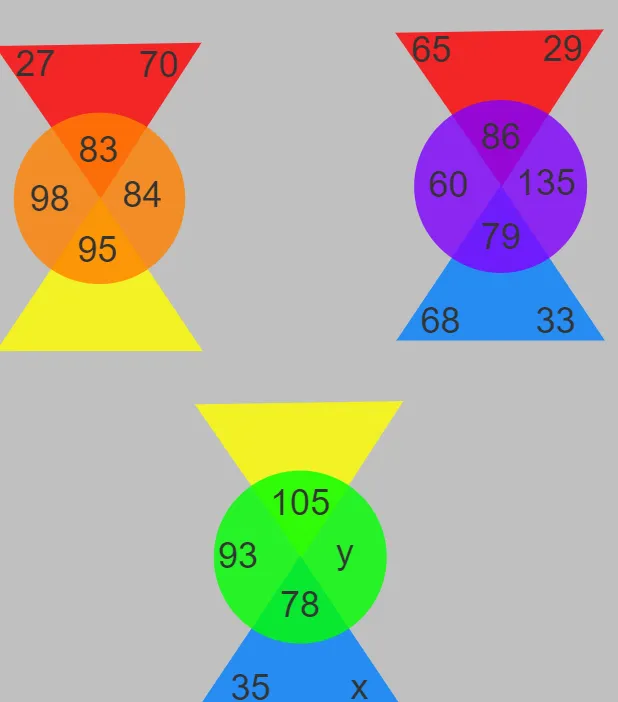
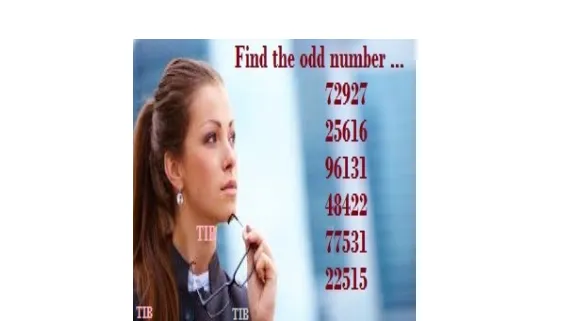
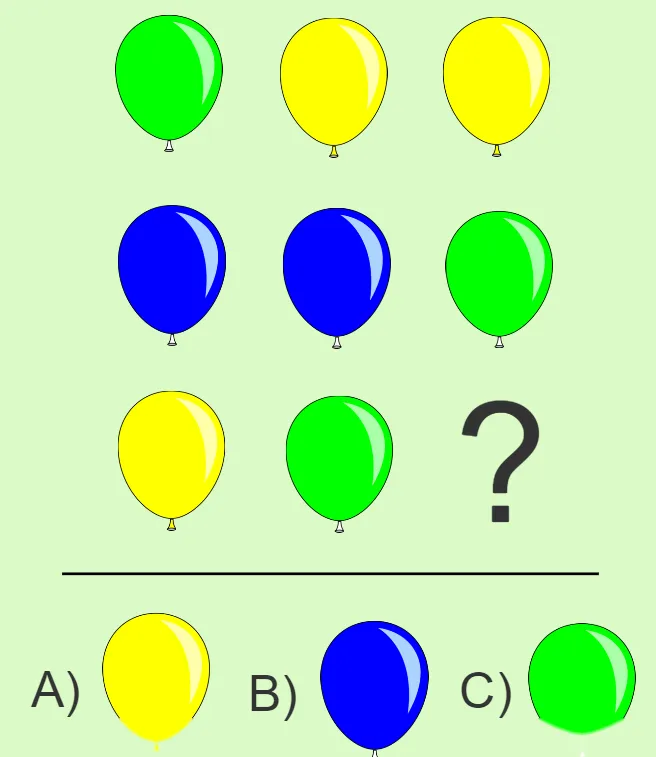
Cards like shapes, Colourful Hourglasses, Find the Odd Number, five differences, and cousin camp are good for visual attention.
These puzzles help children slow down and inspect the full card instead of only looking at the biggest object.
How Parents and Teachers Can Use This Page
This page works best in short rounds. Choose three to five cards at a time, then pause and talk about the answers.
Ask questions like:
- What clue helped you most?
- Did you count everything?
- Was anything missing or different?
- Can you explain your answer another way?
- Which card was easiest, and which one was tricky?
This keeps the activity active instead of turning it into fast scrolling.
Keep the Challenge Comfortable
Kids puzzle pages should feel safe, clean, and encouraging. If a child gets an answer wrong, that is still useful. A wrong guess can show which clue they missed.
Avoid putting too much pressure on speed. These riddles are better when kids have time to notice details, test ideas, and explain what they see.
For younger children, start with visual cards and simple object riddles. For older children, move toward number patterns, sequence puzzles, and multi-step clues.
Quality Check for a Kids Puzzle Page
A good kids logic puzzle should be clear enough to understand but not so obvious that it becomes boring. The answer should make sense after it is revealed.
The best cards for this page are:
- Easy to read.
- Clean and child-safe.
- Based on a clear clue.
- Visual enough to hold attention.
- Not dependent on adult knowledge.
- Fair after the answer is shown.
Cards with confusing titles, unclear language, duplicate names, or mixed-language labels should be renamed or edited so the page feels properly reviewed.
Suggested Puzzle Path
Use this order for a smoother experience:
- Start with simple picture riddles.
- Move to animal and object puzzles.
- Try shape and difference puzzles.
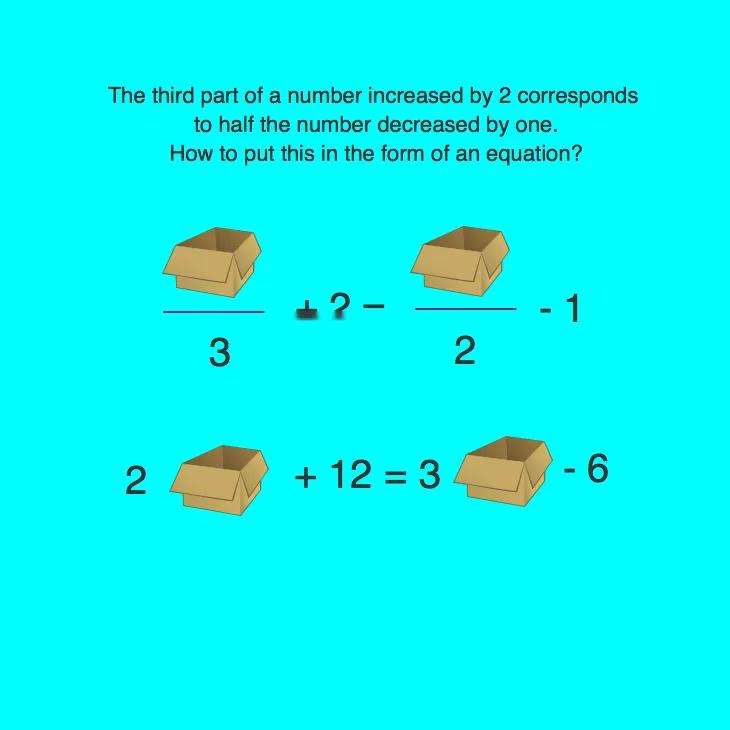
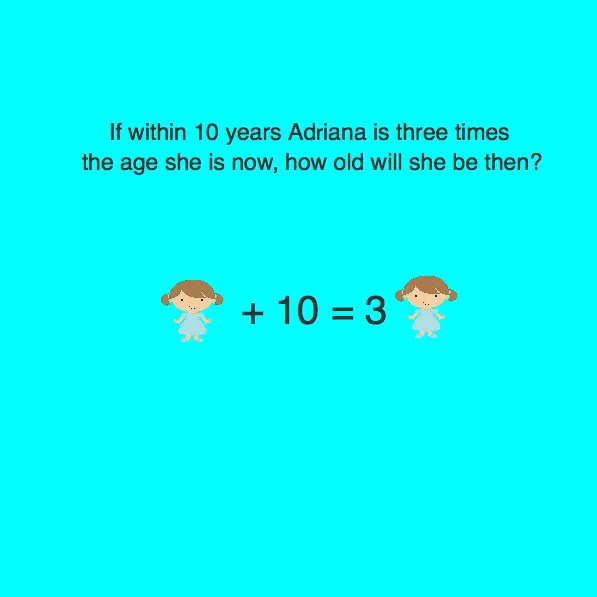
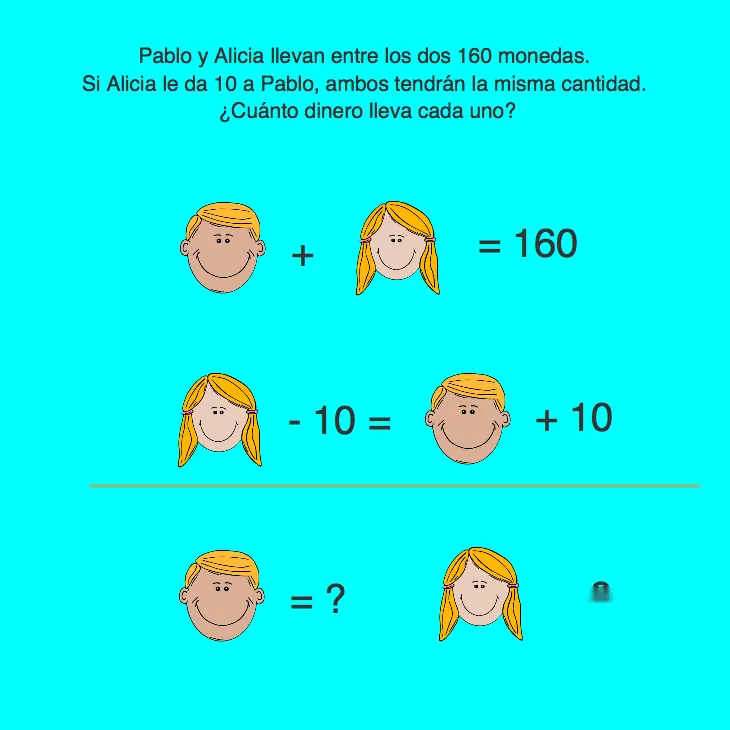
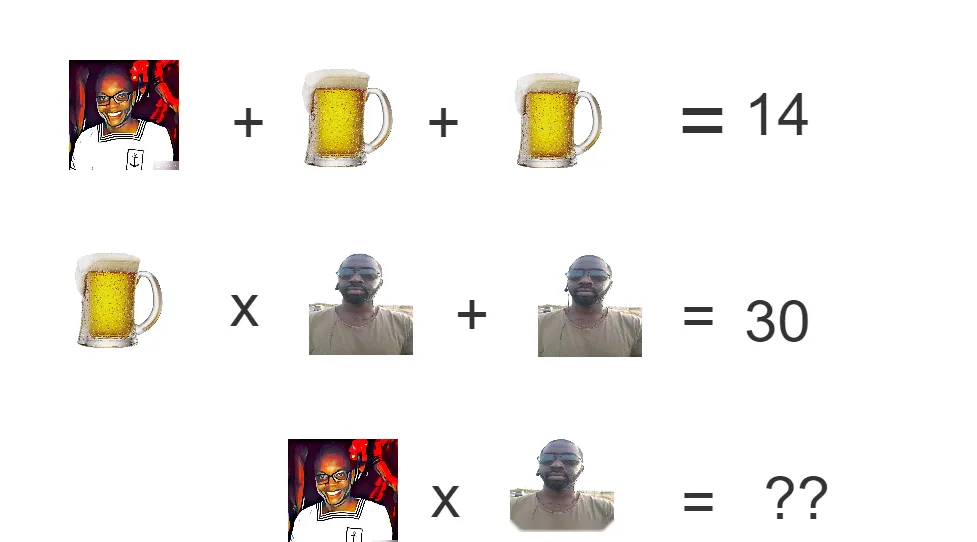
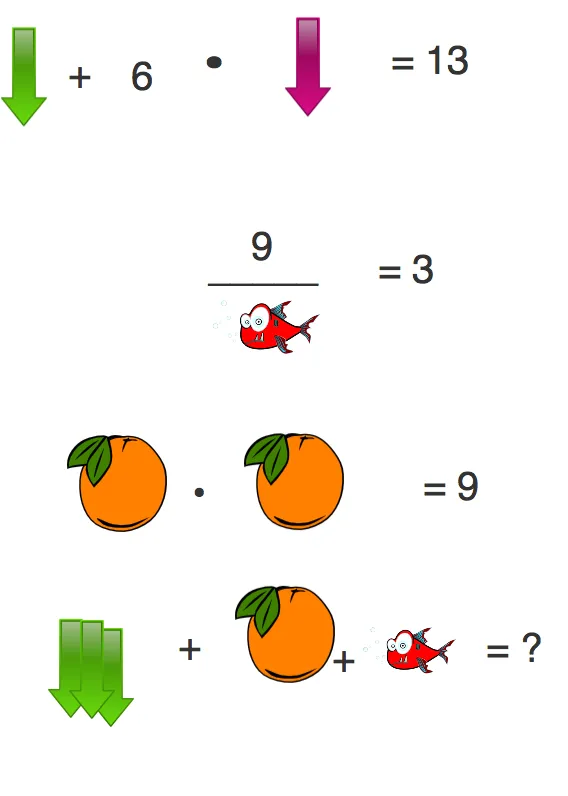
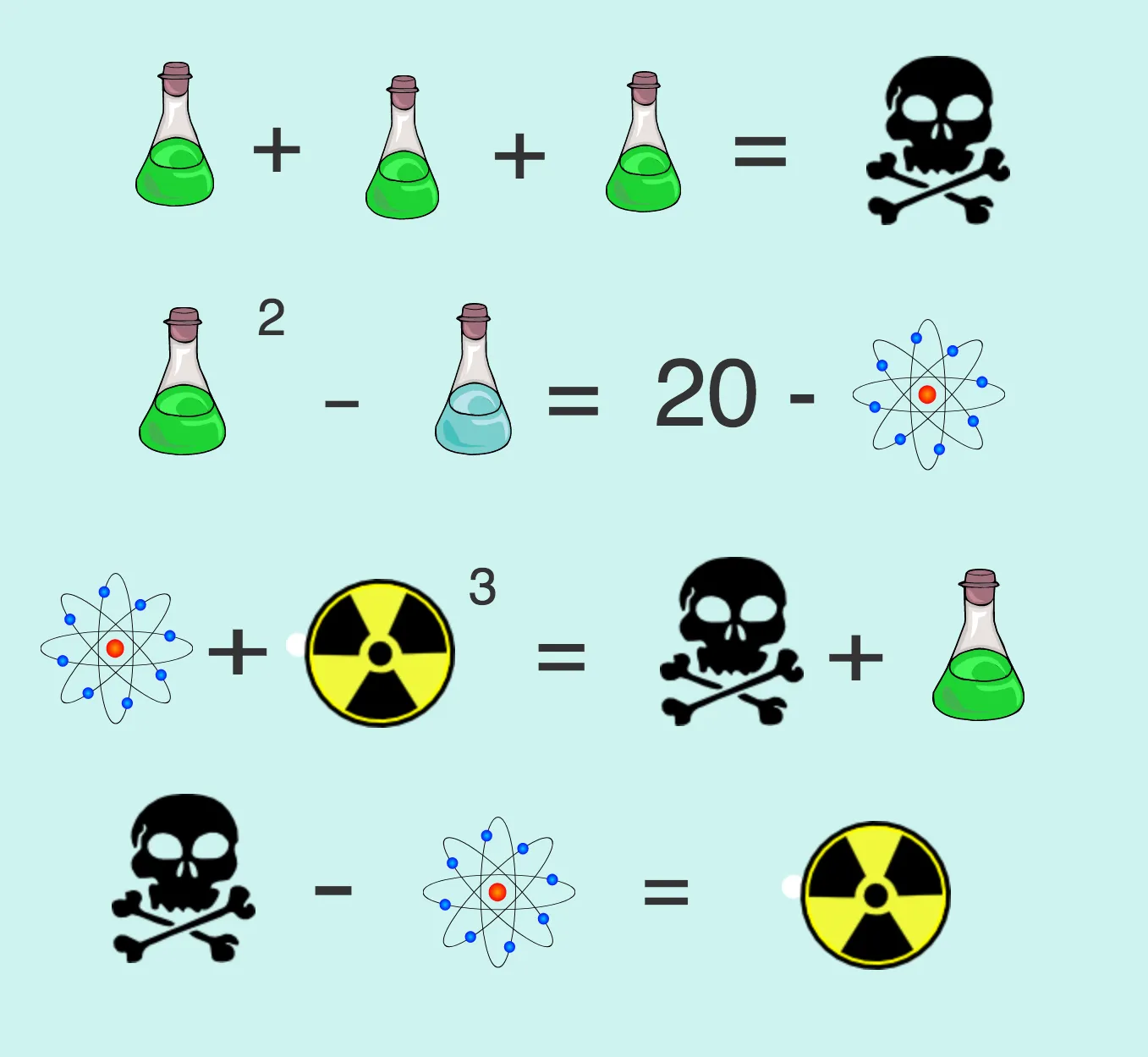
- Finish with number patterns or equation cards.
This order helps younger players build confidence before they reach harder puzzles.
More Clean Puzzle Pages to Try
For more child-friendly puzzle time, try Word Search Puzzles, Sudoku, Math Puzzle Games, Number Maths Puzzle, Brain Teaser, and General Knowledge.
These pages offer different kinds of practice. Word Search helps with visual scanning, Sudoku supports structured thinking, Math Puzzle Games focus on patterns and numbers, and Brain Teaser pages give short thinking challenges. This helps children explore different puzzle styles based on what they enjoy most.
Frequently Asked Questions
Kids logic riddles are short puzzle questions or picture challenges that ask children to use clues, counting, matching, reading, or observation to find an answer.
They can be useful for children who can understand simple pictures, words, or numbers. Younger children may enjoy the page more with help from a parent or teacher.
Kids can practice careful looking, simple counting, pattern spotting, reading clues, comparing objects, and explaining their answers.
Older kids can try them alone, but younger kids may benefit from guided play. Asking them to explain the answer is often more useful than only checking if they were correct.
No. The puzzle cards can be played directly in the browser.
Yes. Teachers can use a few cards as short warm-up activities, group guessing games, or simple observation exercises, especially when children explain how they found the answer.