
Picture Logic Puzzles Online
Solve picture logic puzzles where food items, animals, clocks, shapes, colors, and object clues hide the answer. Each card asks you to compare images, find the hidden rule, and work through the puzzle step by step. These visual logic games are fun for beginners, students, and adults who enjoy image-based reasoning challenges.
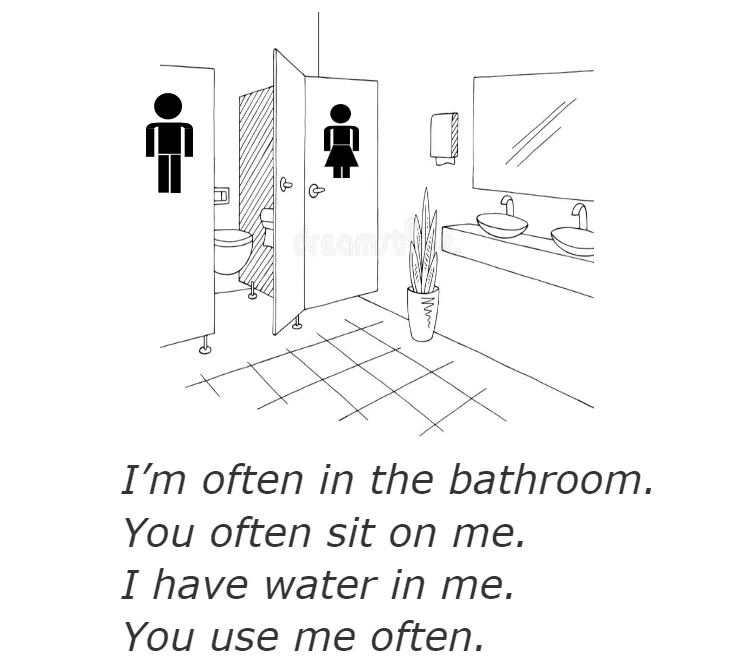
Toilet
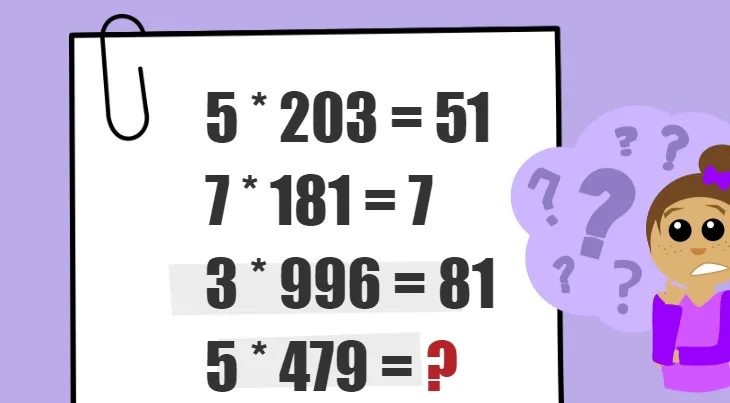
Logical reasoning puzzle question
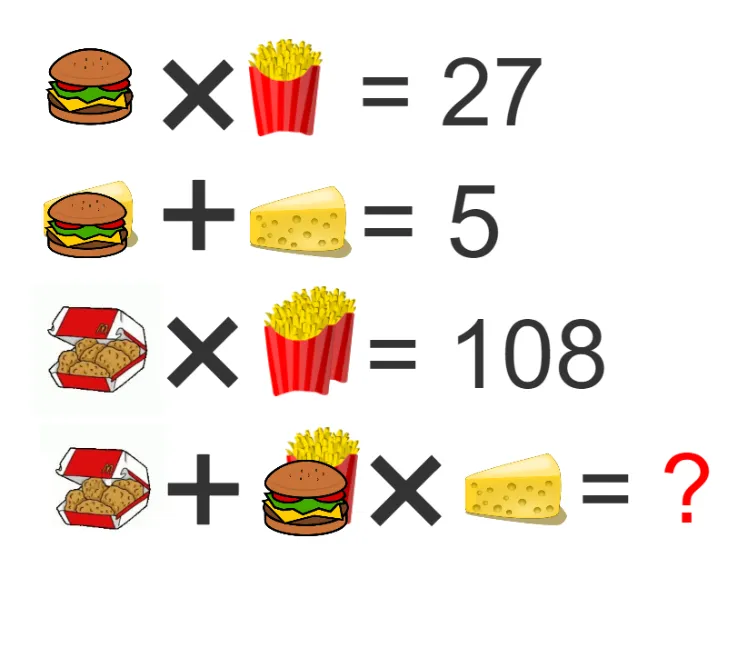
MC Snack
MC Snack
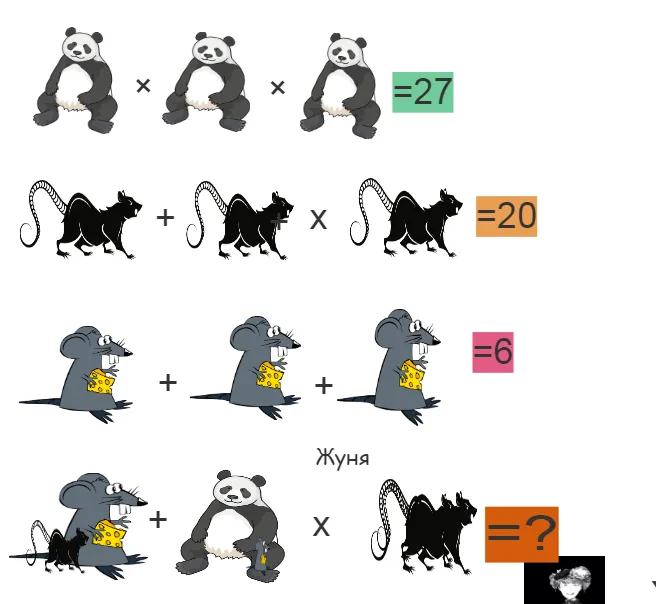
puzzle
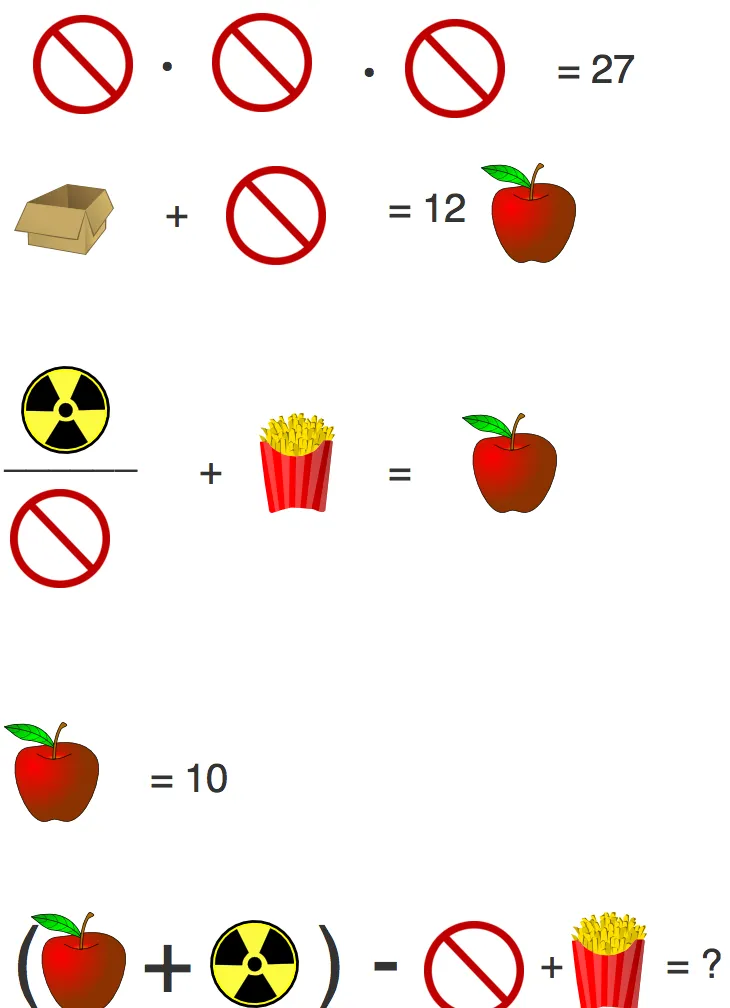
fun
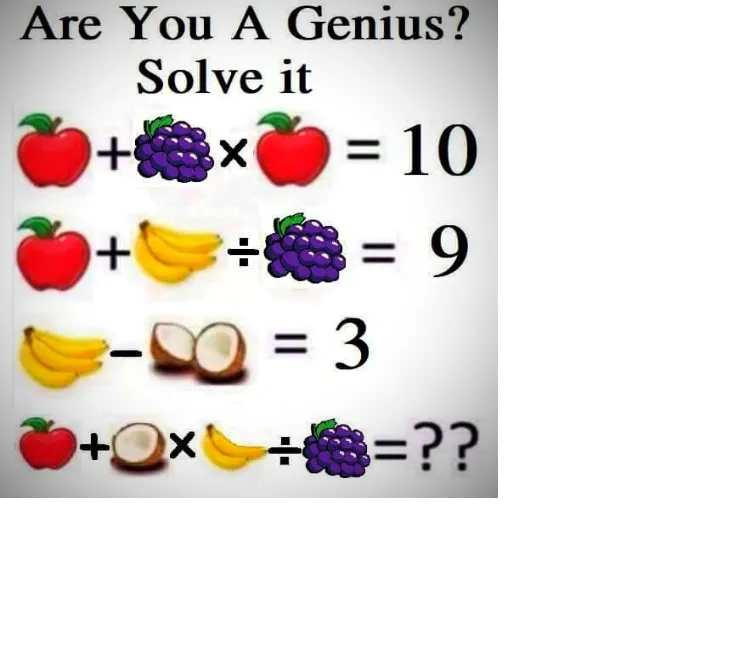
Only Genius can solve it
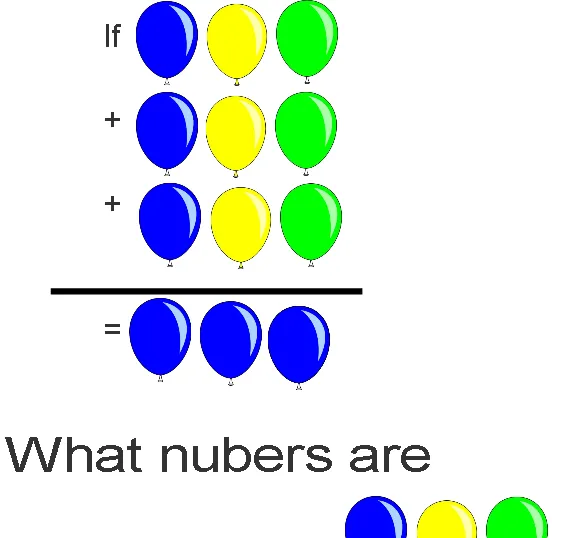
Is there a number?
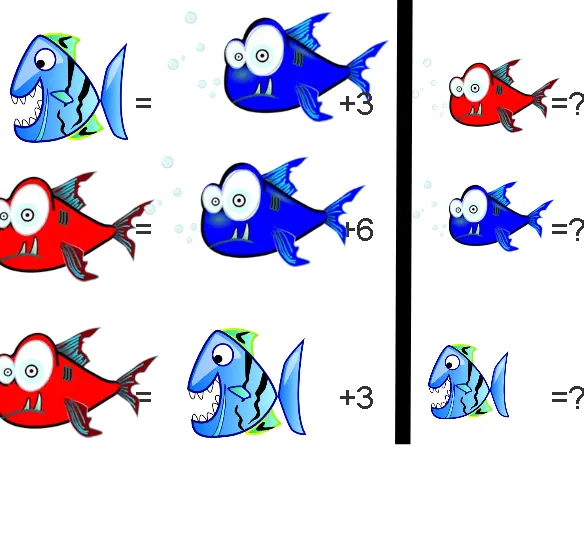
Fish
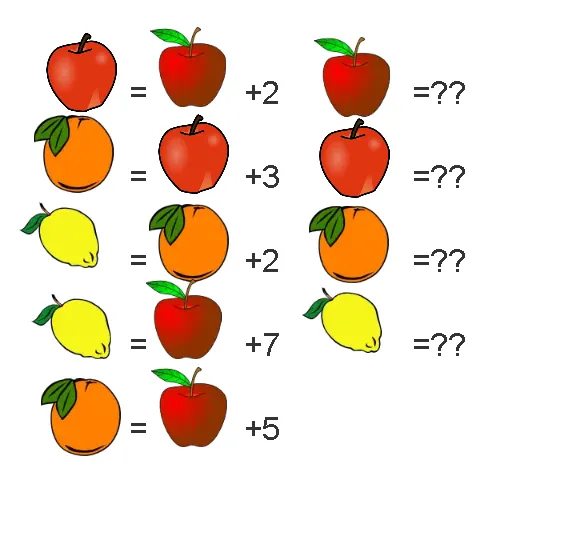
Fruit
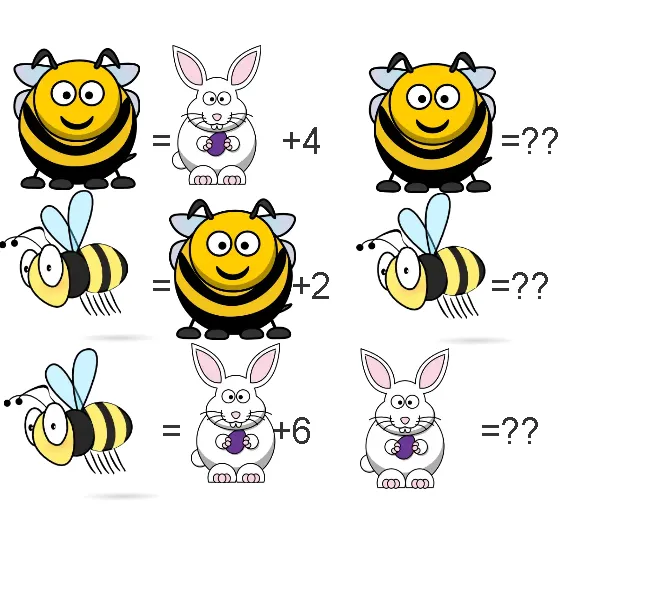
Wasp,bee and rabbit.
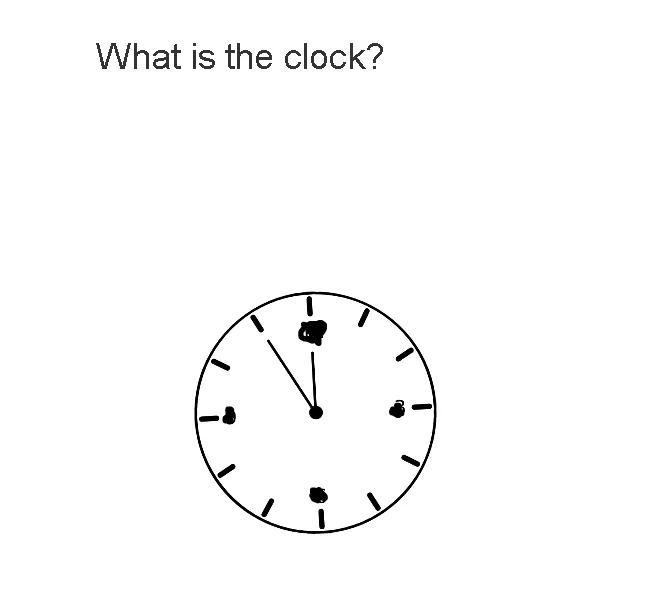
Clock
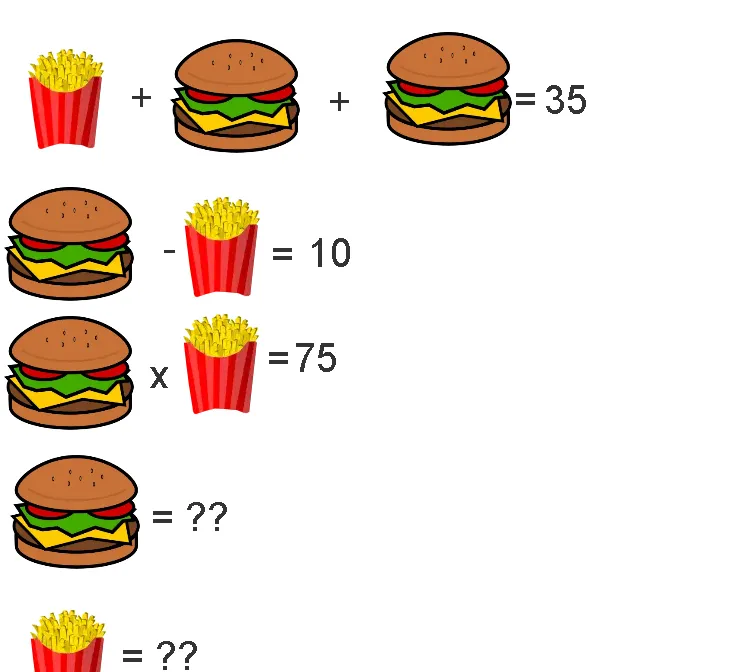
Burger and frenchfry
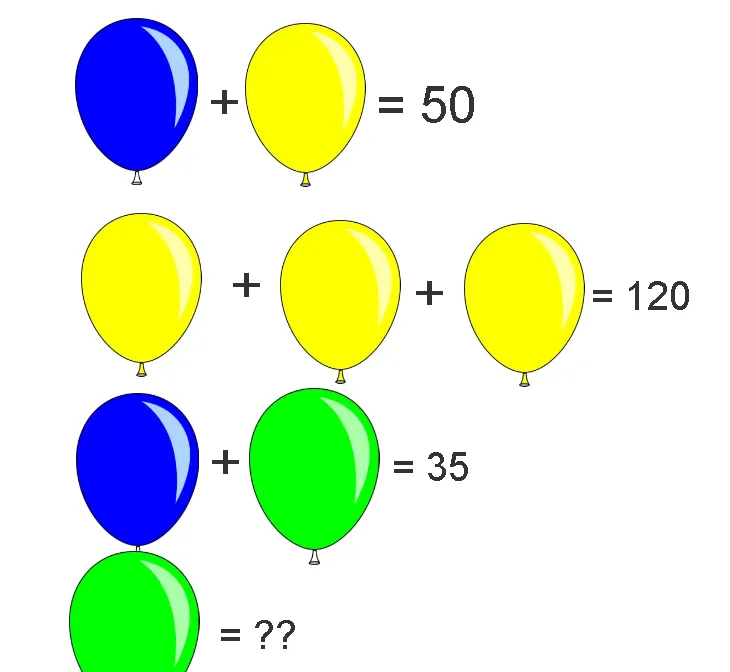
Math Riddle
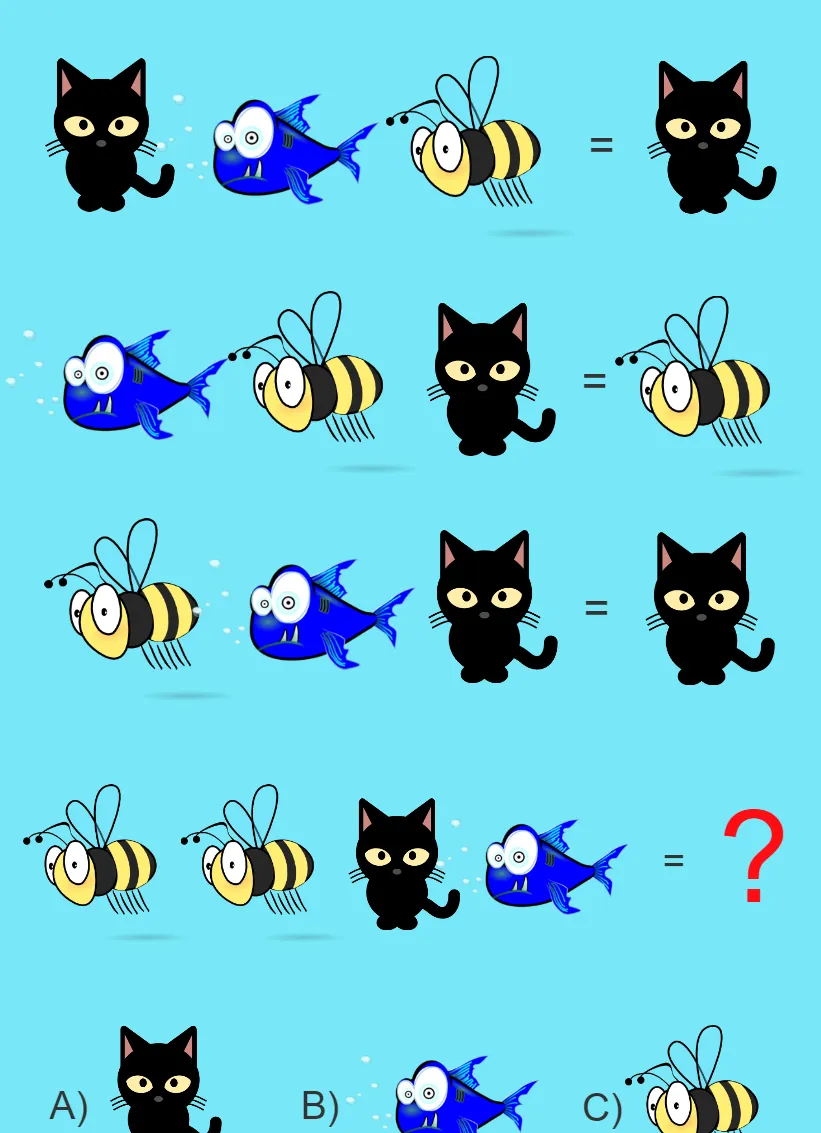
Logic puzzle for kids
Dear math statement
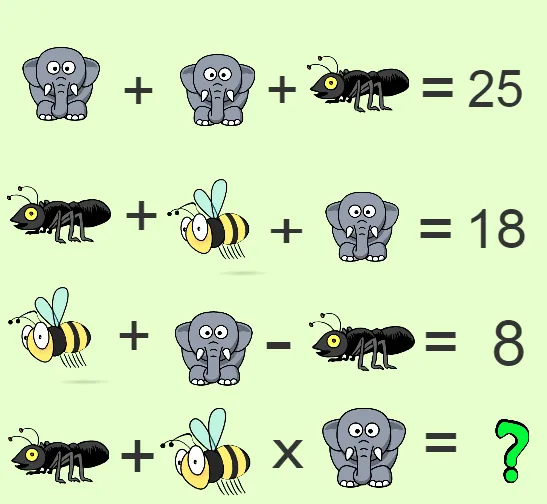
Logic puzzle
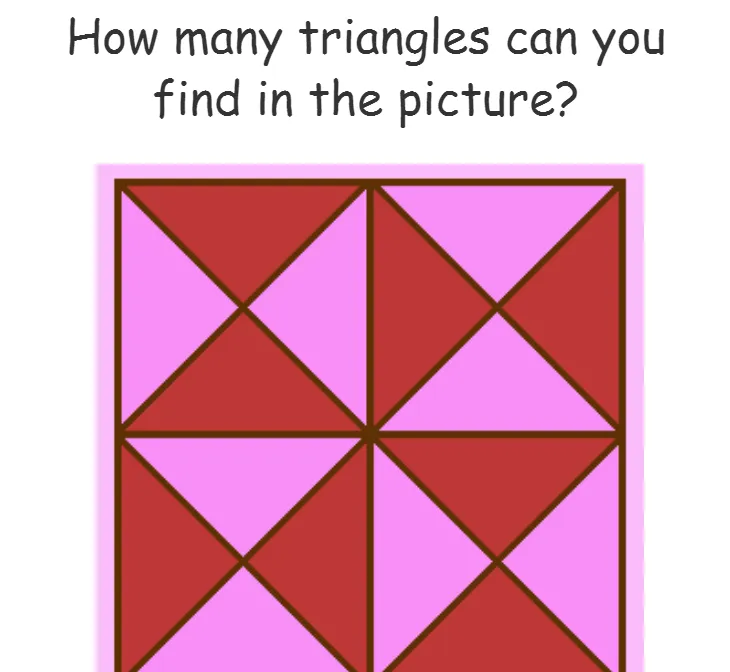
How many triangles puzzle
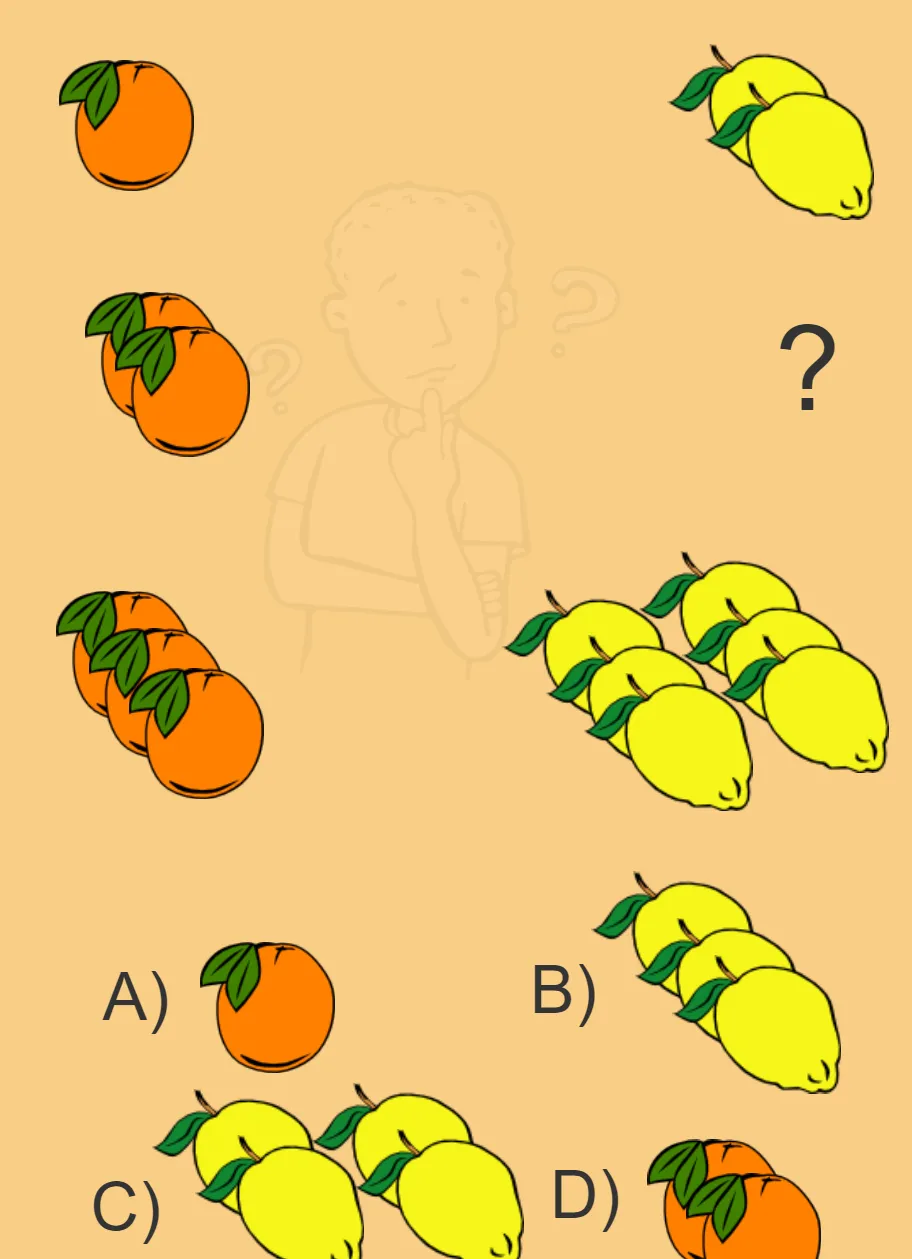
Orange and Lemon
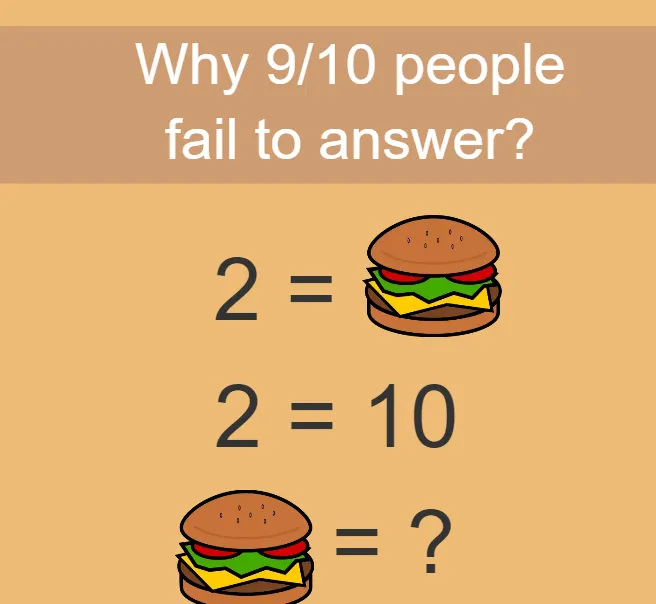
9 out of 10 people fail to answer correctly





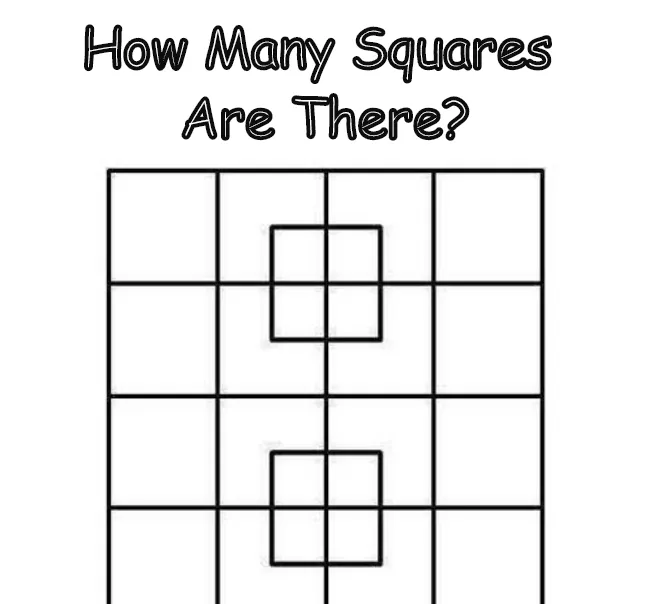
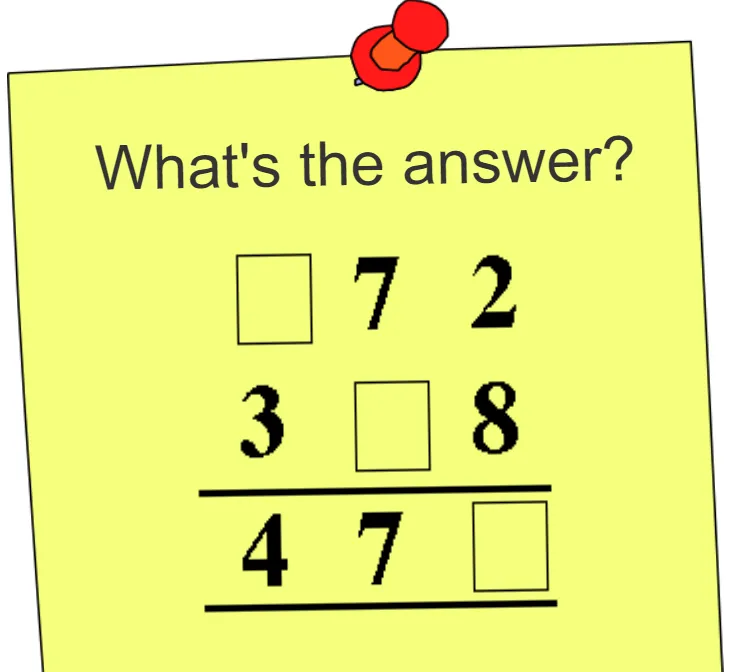

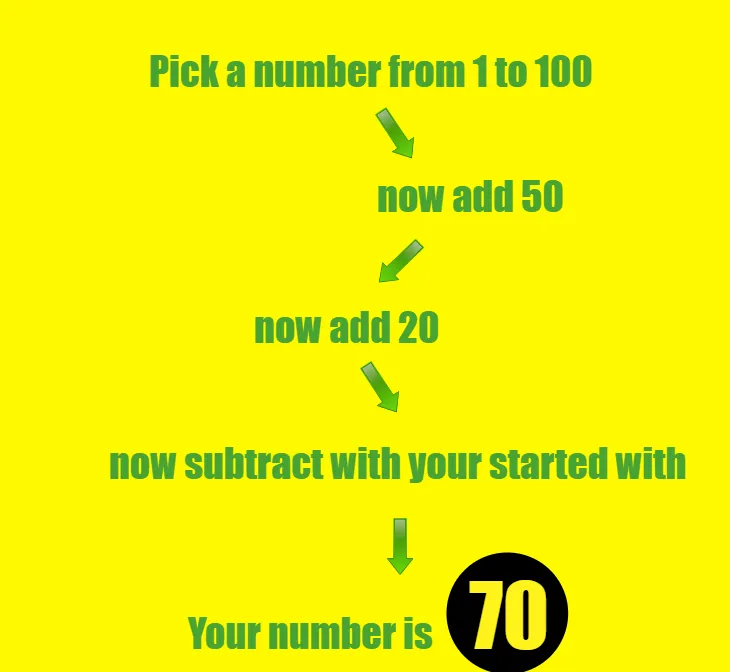
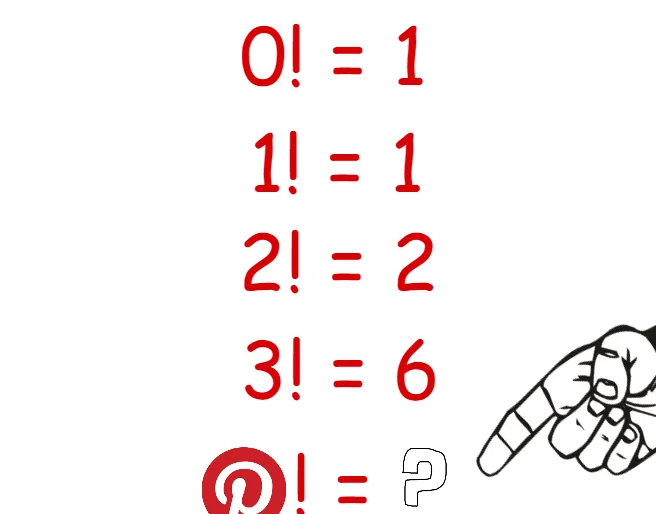
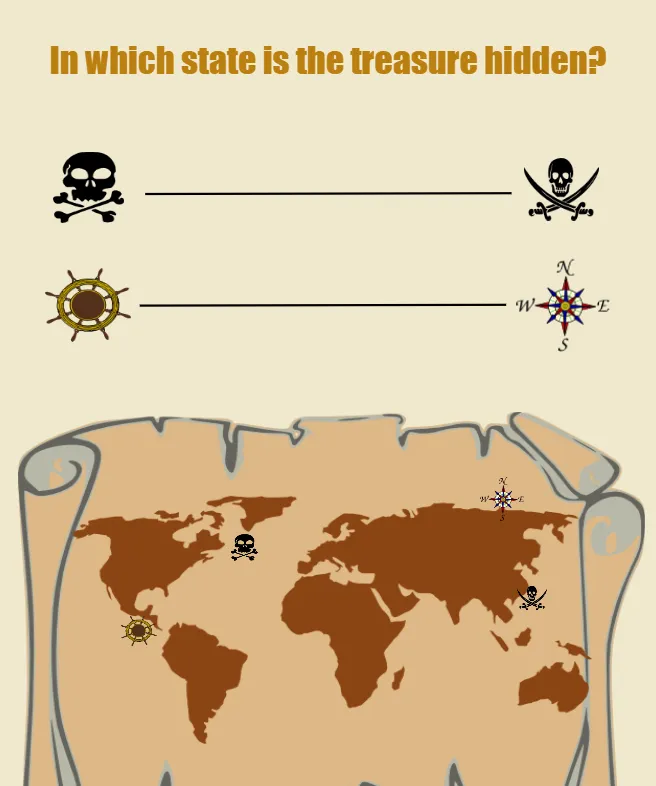
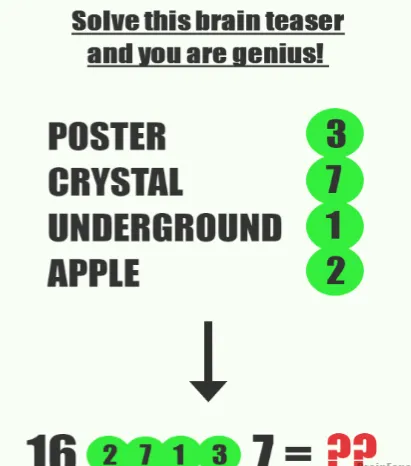
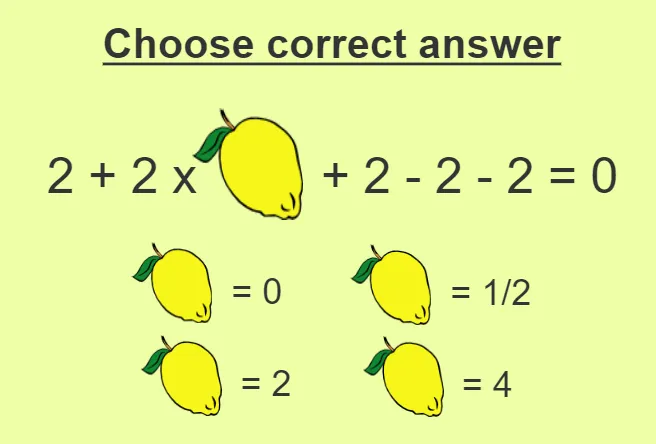

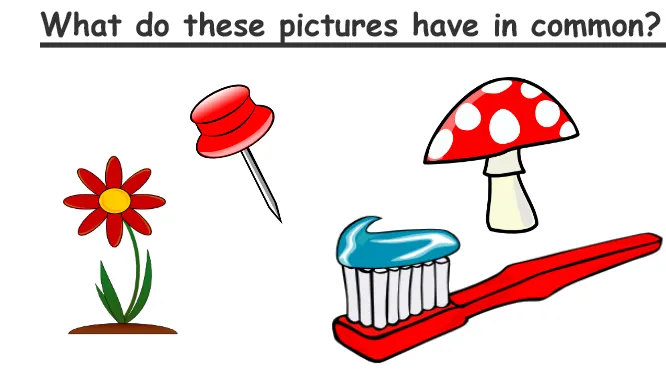
Think Beyond the Picture You See First
Picture logic puzzles look playful, but they are rarely about the picture alone. A burger, fish, fruit, clock, bee, rabbit, or triangle may look simple at first, but each object can carry a value, position, rule, or hidden clue. The real challenge is to understand how the pictures connect.
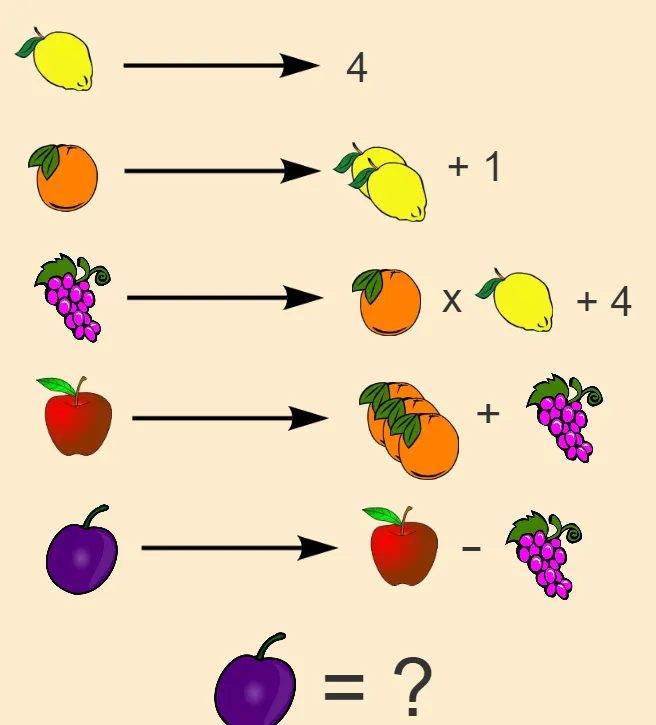
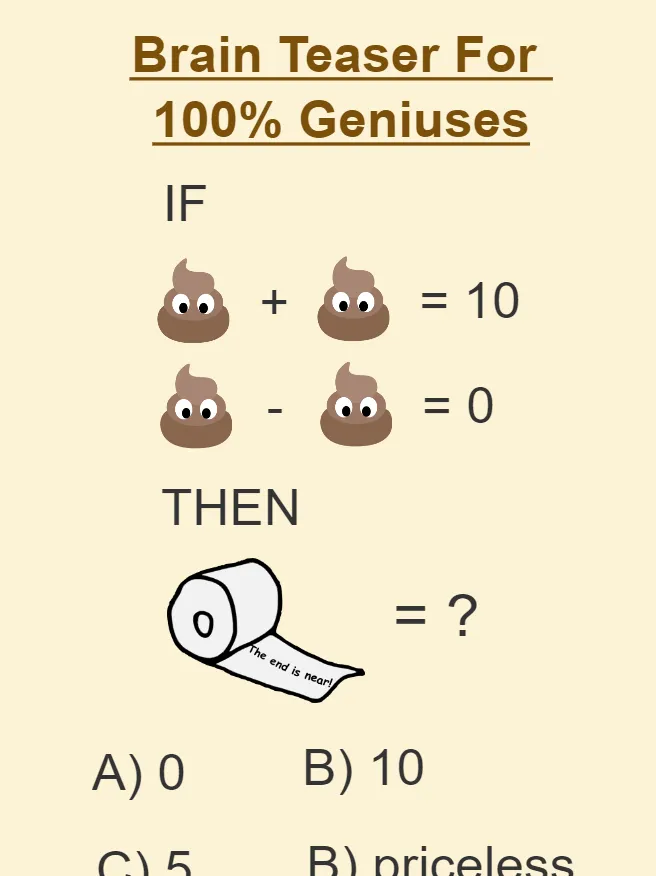
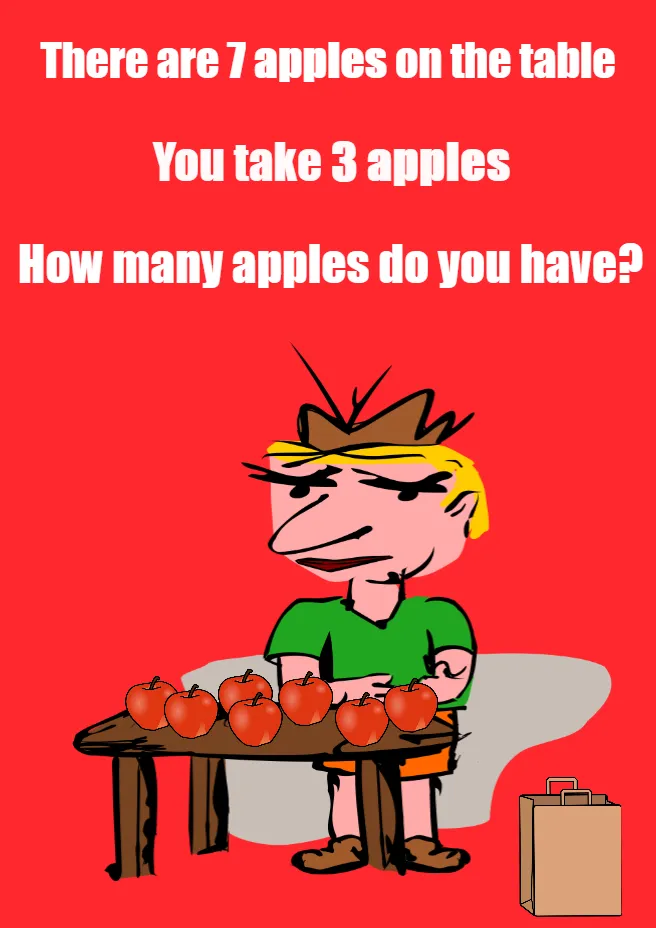
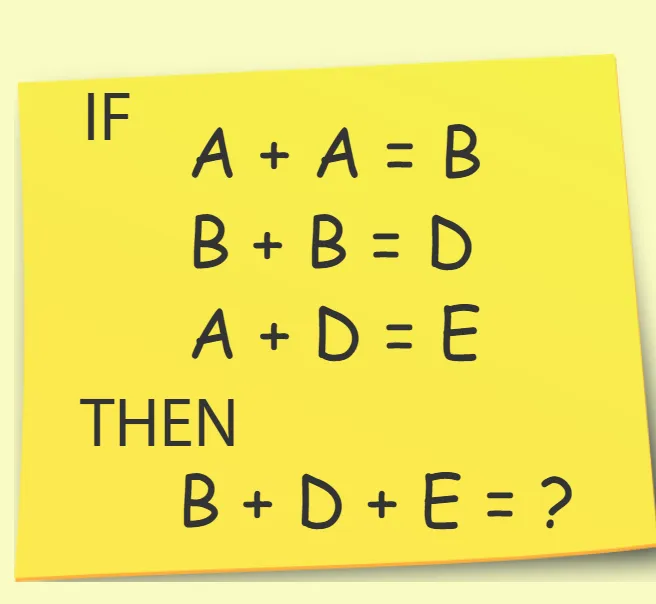
On this page, you will find visual puzzles such as MC Snack, Fish, Fruit, Wasp, bee and rabbit, Clock, Burger and frenchfry, Math Riddle, How many triangles puzzle, and Orange and Lemon. Some cards use pictures instead of numbers, while others use images to hide a pattern. That is what makes picture logic puzzles different from normal math questions
Instead of reading a long problem, you study a small image. You compare objects, check repeated symbols, and slowly work out what each picture means.
What Are Picture Logic Puzzles?
Picture logic puzzles are visual reasoning challenges where images replace numbers, words, or clues. A burger may represent one value, a fruit may represent another, or a group of animals may follow a pattern. To solve the puzzle, you need to decode the image before answering.
These puzzles are also known as visual logic puzzles or picture puzzle games. They are popular because they feel simple, but they make you think carefully. You may only see a few objects, but one small change in the picture can change the answer.
For example, if a puzzle shows three burgers adding up to a number, you should not jump to the final line immediately. First, find the value of one burger. Then check whether the next line changes the object, adds another item, or uses a different operation.
Why Visual Brain Games Are Useful for Thinking Practice
Visual brain games can help users practice observation, pattern recognition, and step-by-step reasoning. They do not require difficult formulas, but they do reward careful checking.
These puzzles encourage you to ask useful questions:
- Is the same picture repeated?
- Did the number of objects change?
- Is one object smaller, larger, or missing?
- Is there a hidden operation?
- Does the final line use the same rule as the earlier lines?
This type of thinking is helpful because many wrong answers come from looking too quickly. A puzzle may show the same burger twice, but one line may include fries, a drink, or a different object count. If you miss that detail, the answer may be wrong.
Why Small Image Changes Matter
In picture logic puzzles, the smallest visual change can change the answer. A food item may appear alone in one line but with another object in the final line. A shape may look the same at first, but the color, size, count, or position may be different.
This is why careful comparison is more important than fast calculation. Before choosing an answer, check whether the final image exactly matches the earlier image. If the picture has changed, the value or rule may have changed too.
Puzzle Types You Can Find on This Page
This page includes different styles of picture-based logic challenges, so every card does not feel the same.
1. Food-Based Picture Puzzles
Cards like MC Snack, Burger and French Fry, and Orange and Lemon use food items as clues. These puzzles usually ask you to find the value of each item before solving the final line.
2. Animal and Object Pattern Puzzles
Cards such as Fish, Wasp, bee and rabbit, and Logic puzzle for kids use animals or characters in repeated patterns. These are good for practicing comparison because the same object may appear in different positions.
3. Shape and Color Logic Puzzles
The Math Riddle and How many triangles puzzle cards use shapes and colors. In these puzzles, counting carefully matters. A triangle puzzle may include small triangles, larger combined triangles, and hidden shapes inside the design.
4. Clock and Visual Detail Challenges
The Clock card is different because it asks users to observe time, direction, or position. These puzzles are less about object values and more about noticing visual placement.
Solved Example From This Page
Take a simple food-style puzzle like the MC Snack card. Suppose the first line shows:
Burger + Burger = 10
That means one burger is worth 5.
Now suppose the next line shows:
Burger + Fries = 8
Since the burger is already 5, the fries must be 3.
If the final line asks:
Burger + Fries + Burger = ?
Then the answer is:
5 + 3 + 5 = 13
This is the safest way to solve picture logic puzzles. First decode one picture, then use that value in the next line. Do not solve the final line until you understand what each object represents.
How to Solve Picture Logic Puzzles Step by Step
Start with the easiest line. Many picture puzzles include one line that clearly repeats the same object. Use that line to find the first value.
Then move to the next clue. If a new picture appears, compare it with the value you already know. Write the value down if needed.
Before answering the last line, check for small changes. This is where many players make mistakes. The final line may show:
- A different number of objects.
- A missing item.
- A changed color.
- A smaller or larger image.
- A different math operation.
- A hidden shape inside the design.
When solving triangle or shape puzzles, count slowly. Do not count only the obvious shapes. Look for larger shapes created by joining smaller ones.
Common Mistakes Players Should Avoid
One common mistake is assuming that every image has the same value in every line. In most cases, it does, but the puzzle may change the object slightly. A burger with fries is not always the same as a burger alone.
Another mistake is rushing through the final equation. Many visual puzzles are designed so the last line looks familiar but includes one small twist.
Also, avoid guessing from the picture style. Cute food, animals, or colors can make the puzzle feel easy, but the answer still depends on the rule.
Why These Puzzles Are Fun for Different Users
Picture puzzle games are enjoyable because they feel light but still make the brain work. Children can use them to practice observation and simple reasoning. Adults can use them as quick visual challenges during a break. Puzzle lovers enjoy them because each card uses a slightly different rule
They are also easy to play in a browser. You can open a card, study the image, solve the answer, and move to another puzzle without a long setup.
Explore More Puzzle Games
If you enjoy picture logic puzzles, you may also like Number Math Puzzles for number-based pattern challenges, Logic Puzzles for clue-based reasoning, Sudoku Puzzles for structured thinking, and Word Search Puzzles for careful scanning practice.
Best Way to Use These Visual Puzzle Cards
These cards work best when you solve them slowly and explain your reasoning. First identify what each picture represents, then compare the final line with the earlier clues. If you are playing with children or students, ask them what changed between the lines and why they chose their answer.
Frequently Asked Questions
Picture logic puzzles are visual challenges where images, objects, shapes, or symbols are used as clues. You solve them by finding the hidden rule behind the pictures.
Start with the easiest clue, find the value of one picture, compare the next line, and check the final line carefully for small changes.
Yes. Many picture puzzles use simple images and basic logic, making them easy for beginners to understand and practice.
Most mistakes happen because users solve too quickly, miss a changed object, count shapes incorrectly, or ignore a different operation in the final line.
Yes. Adults can enjoy visual brain games as short thinking challenges that practice focus, observation, and step-by-step reasoning.
Not exactly. Some use numbers or equations, but many depend on visual comparison, object values, hidden rules, shapes, colors, or position changes.
Check whether the object count, color, size, position, operation, or shape has changed in the final line. Small visual changes often affect the answer.