
Brain Teasers Online – Visual Logic Challenge Board
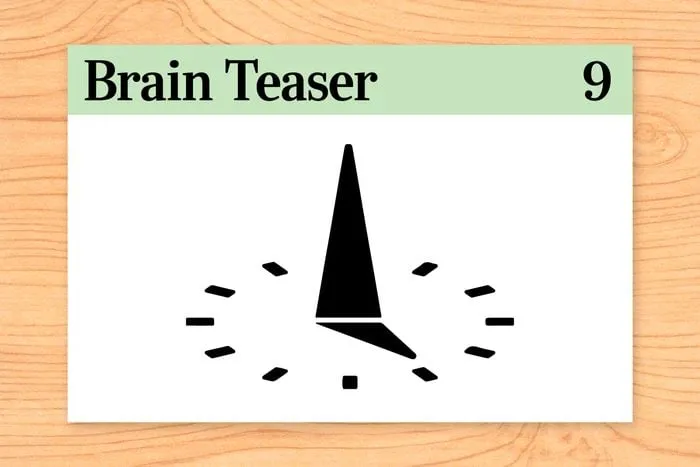
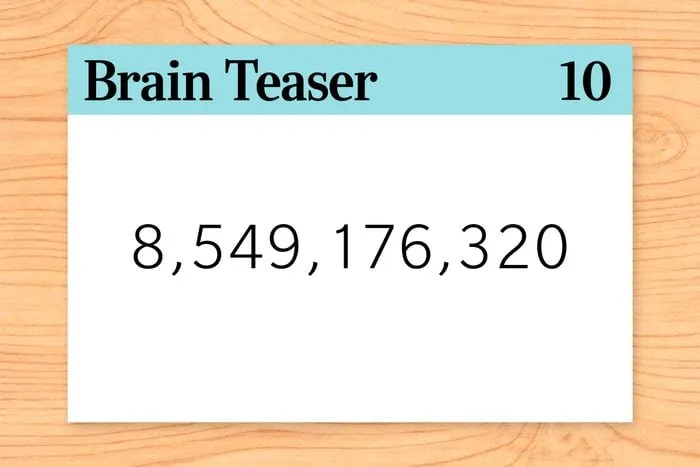
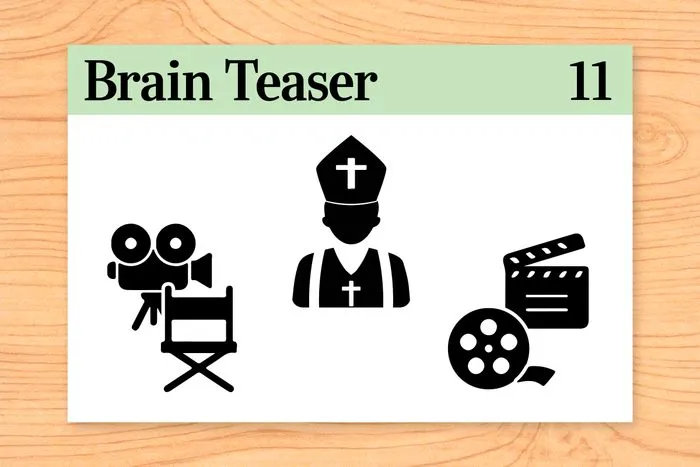
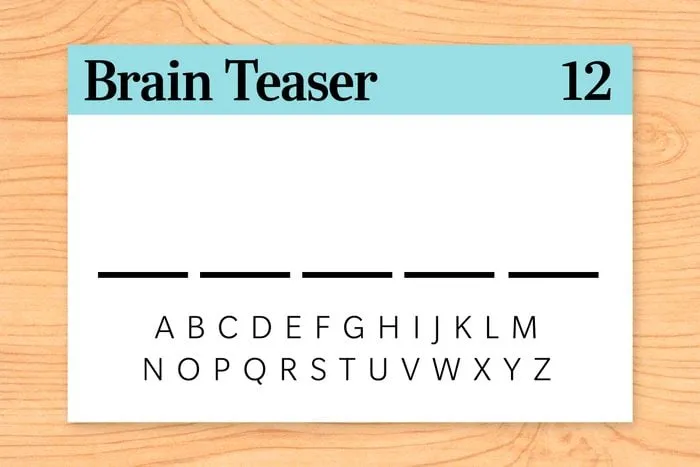
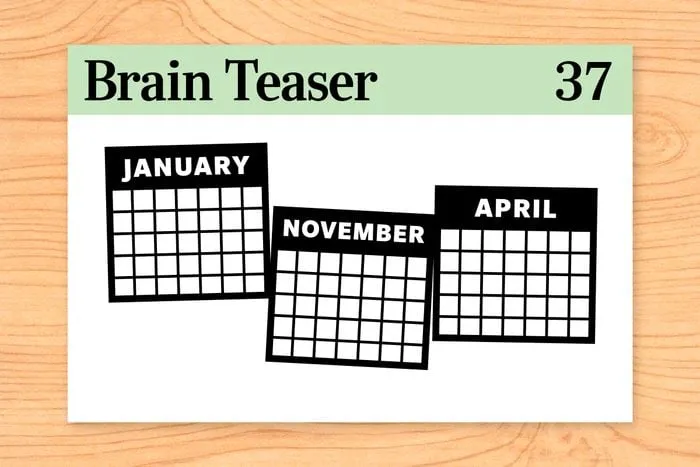
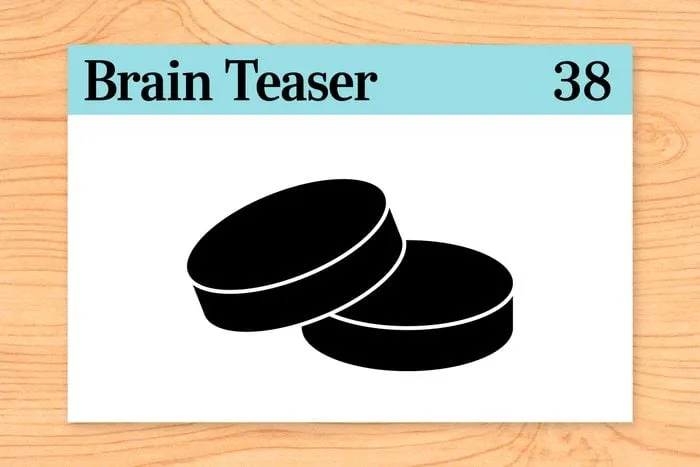
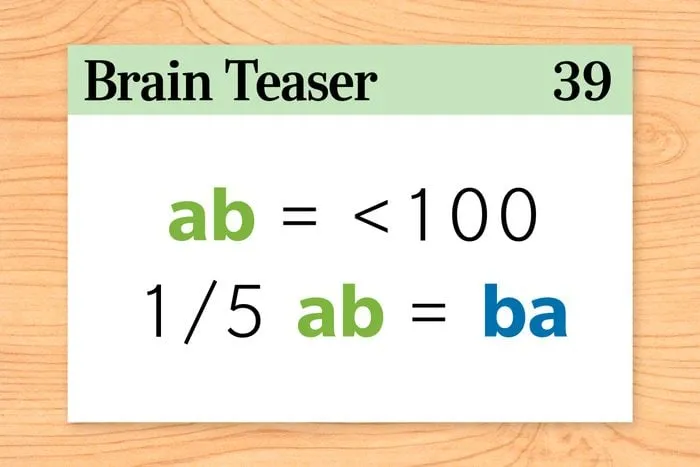
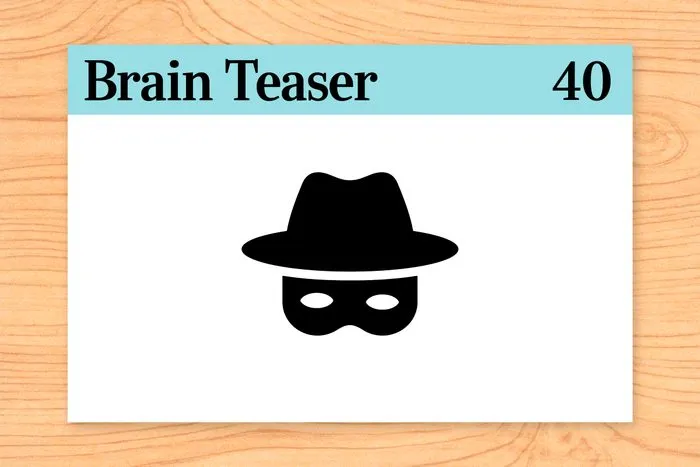
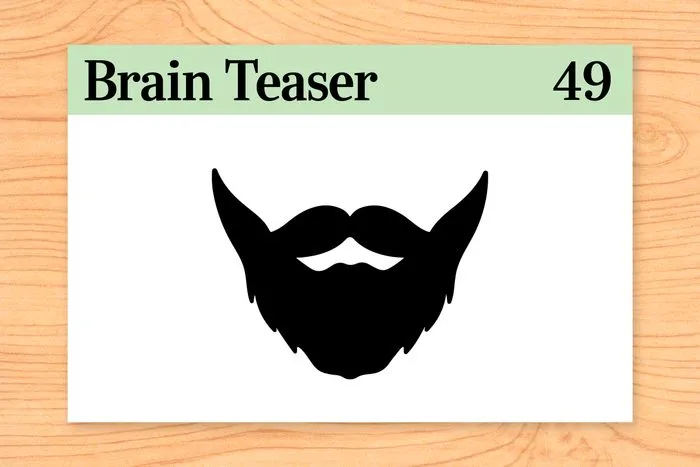
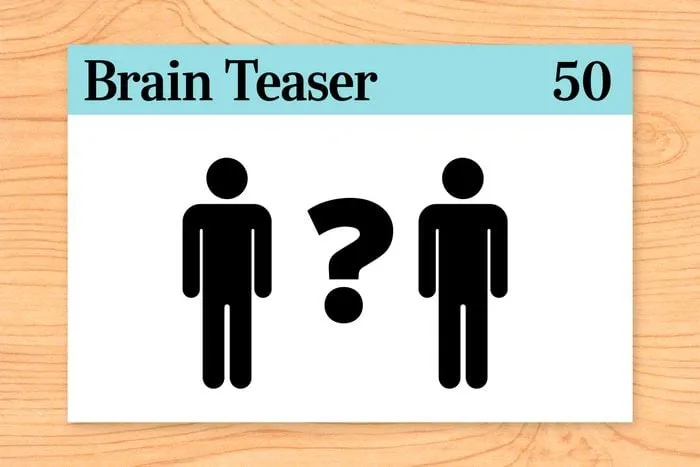
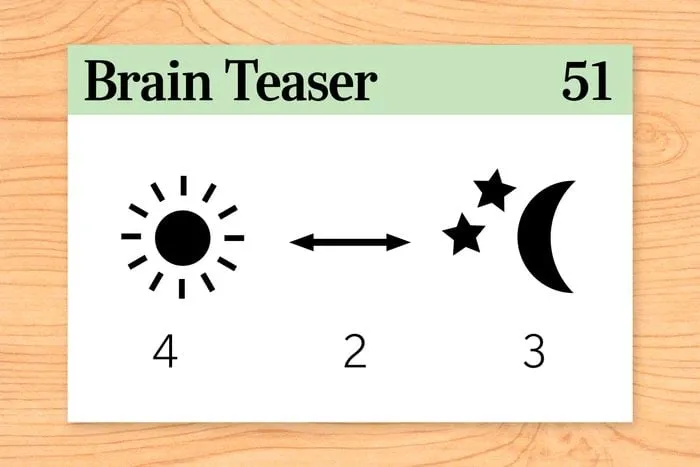
Welcome to our Brain Teasers page, designed to challenge how you see problems, patterns, and hidden rules. Unlike standard riddles, these puzzles rely on visual logic, number patterns, symbols, and sequences instead of language alone. Each puzzle card represents a small logic challenge where solving it depends on observing a hidden rule, spotting a subtle difference, or detecting a small shift that changes everything.
Brain teasers are enjoyable because they are deceptively simple. While some puzzles may look easy at first glance, the true challenge lies in noticing the details your mind initially ignores.
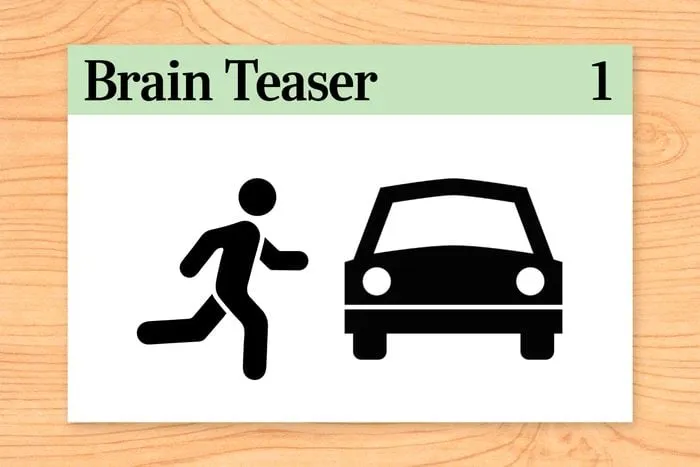
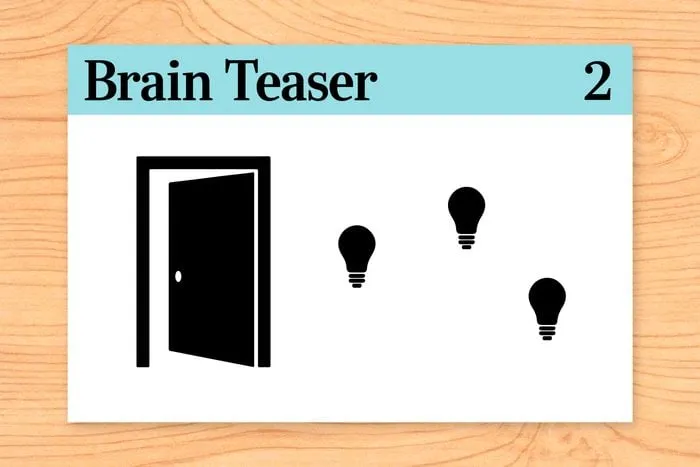
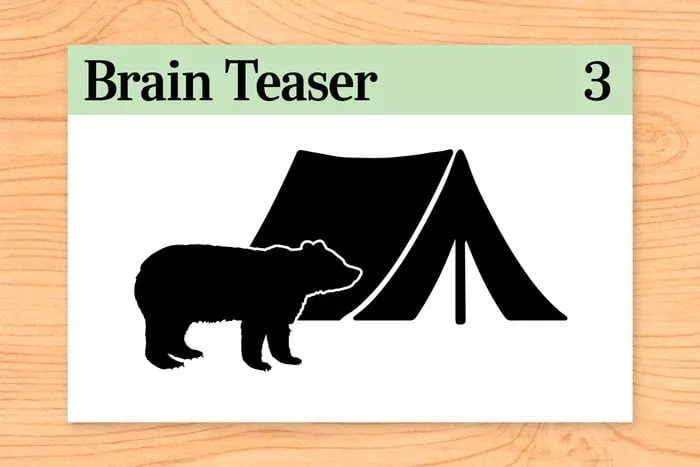
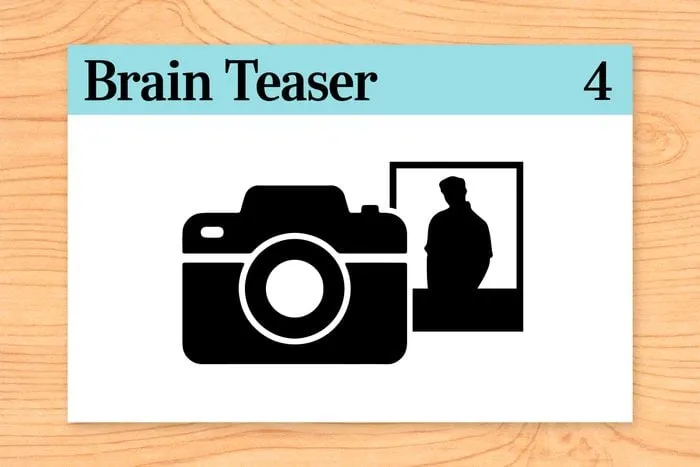
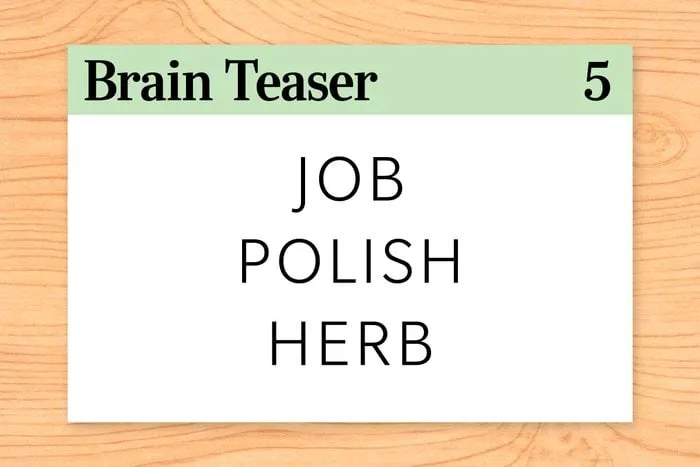
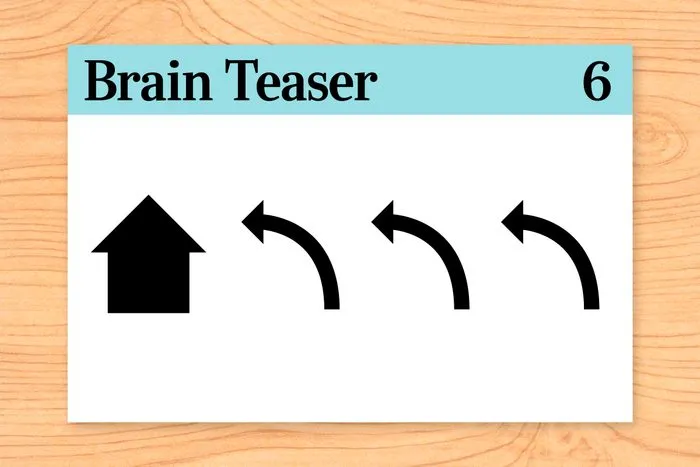
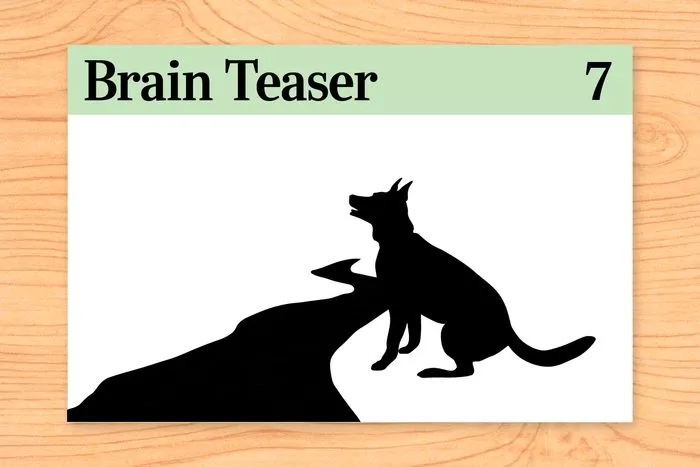
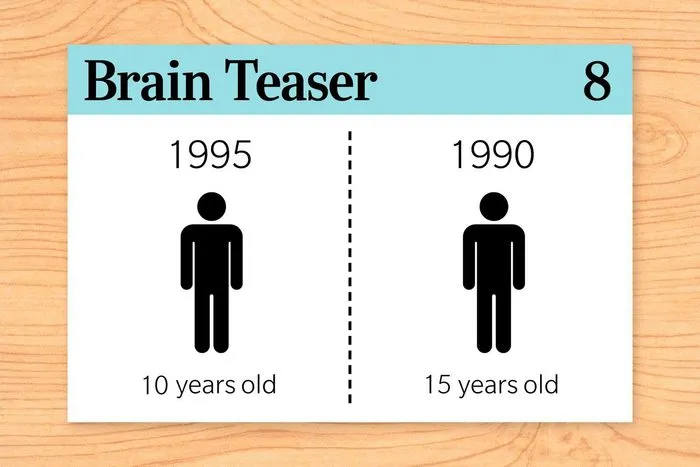
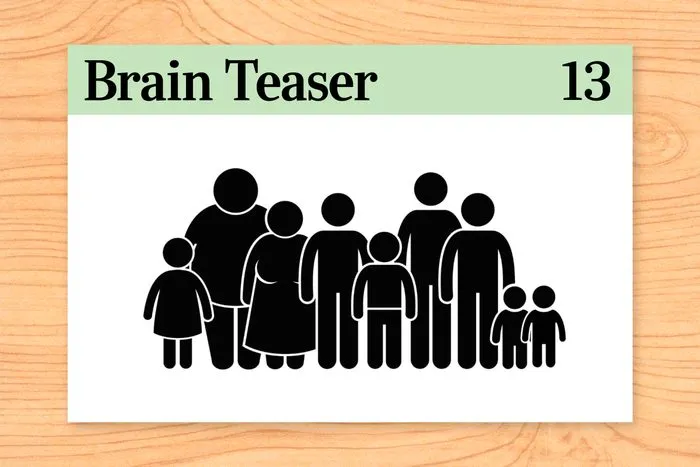
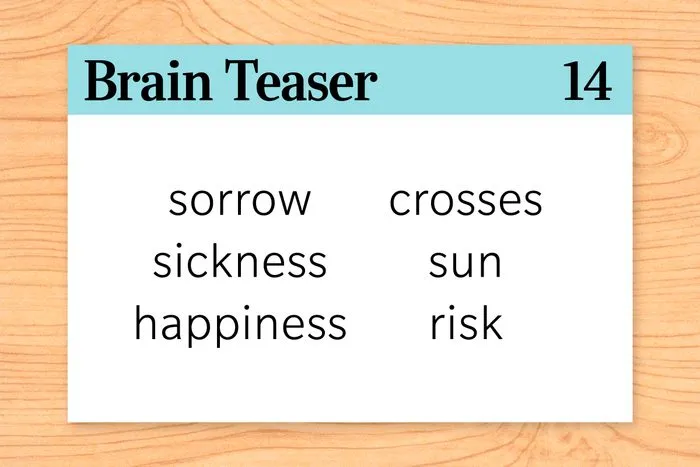
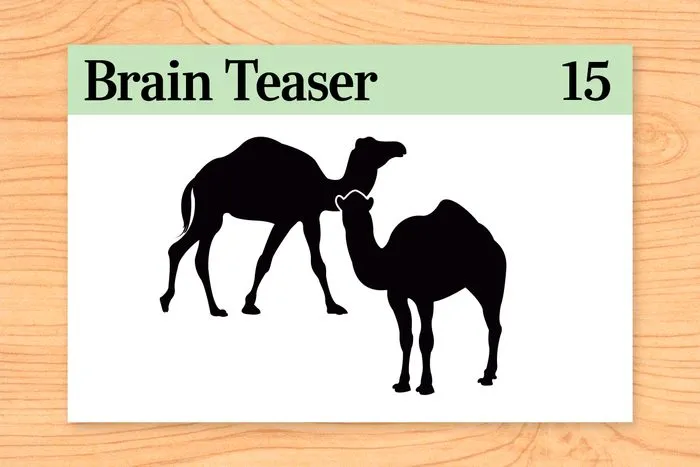
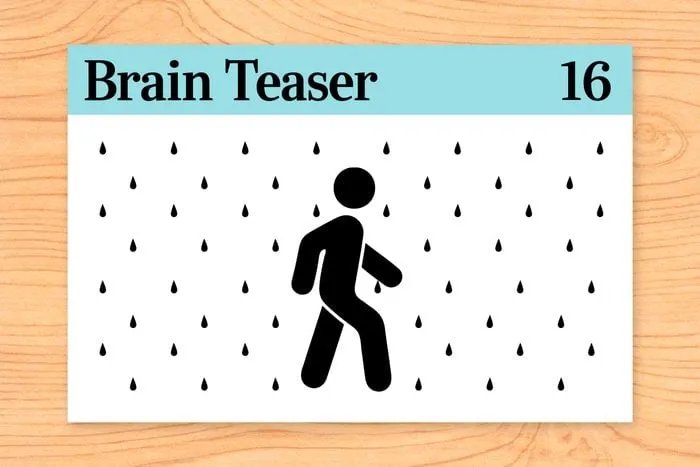
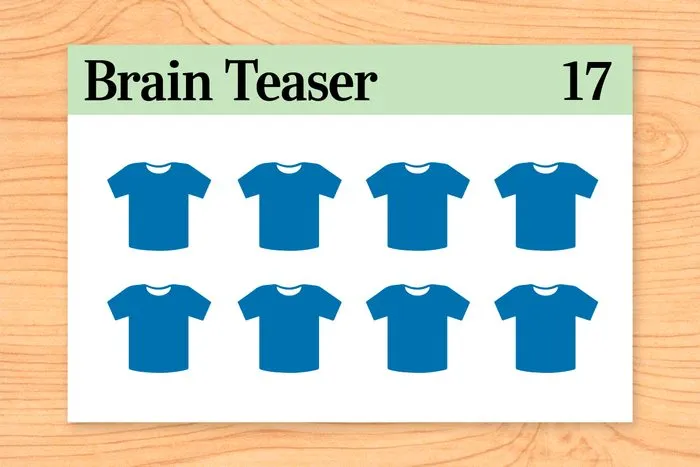
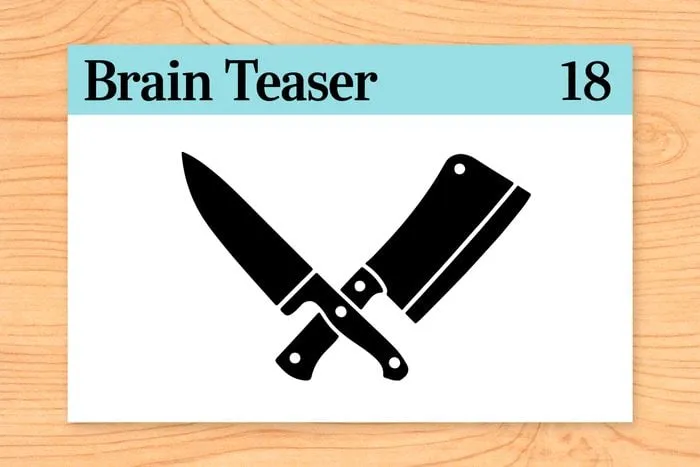
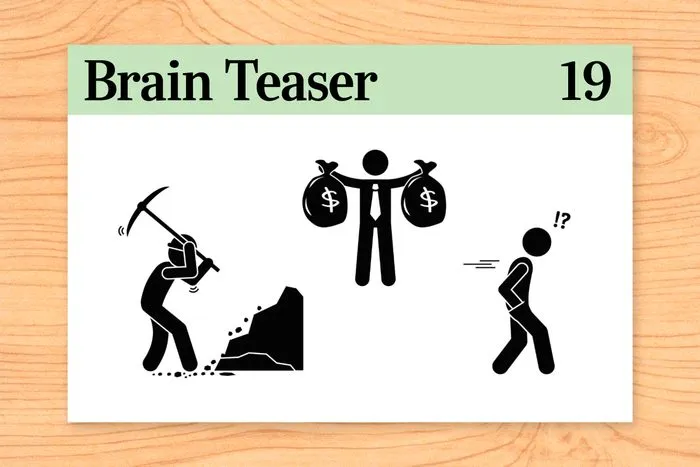
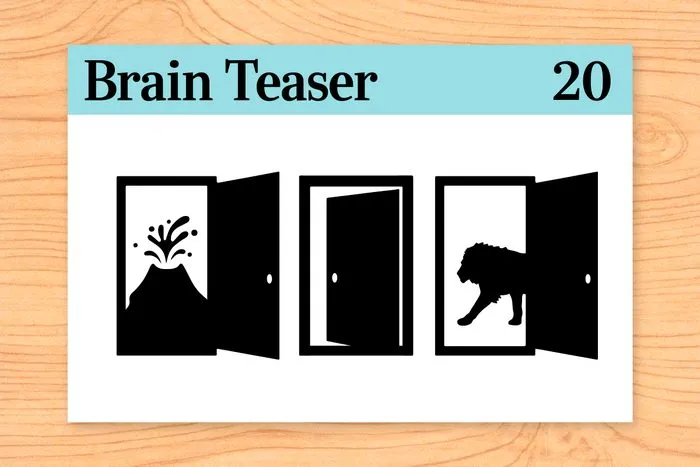
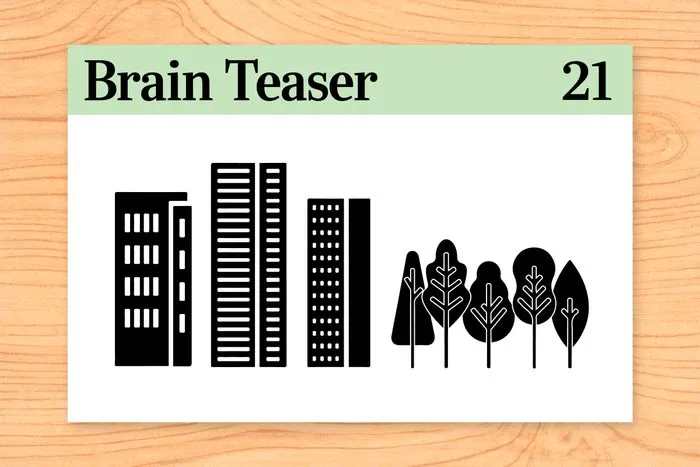
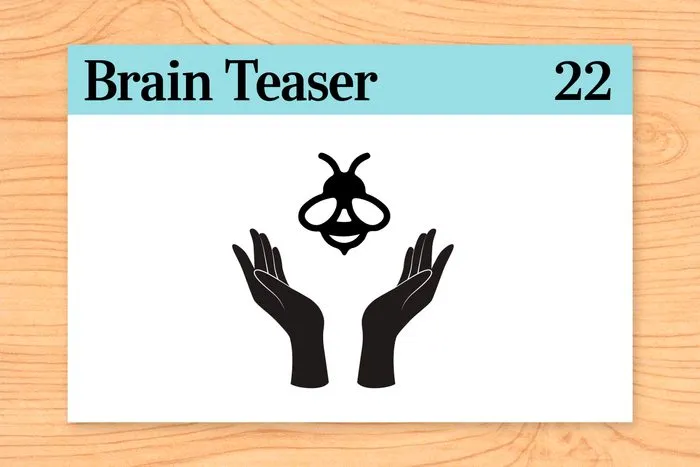
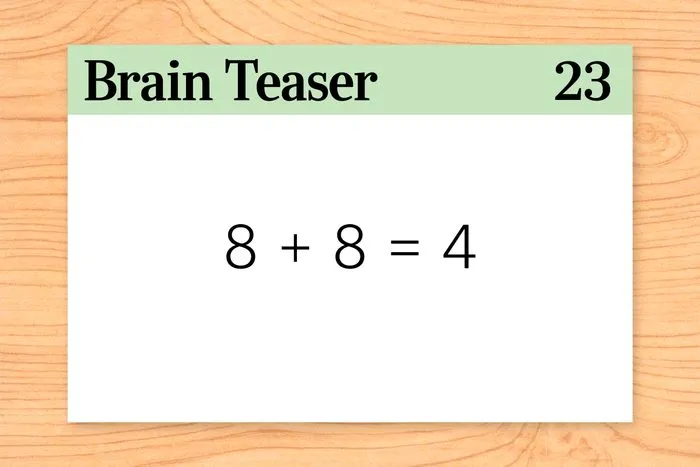
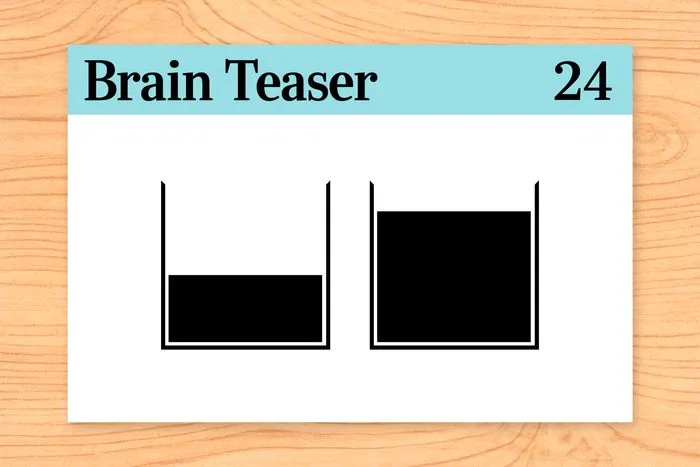
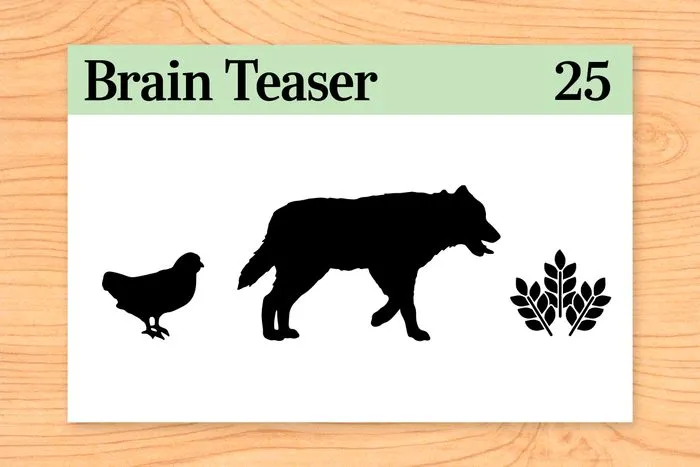
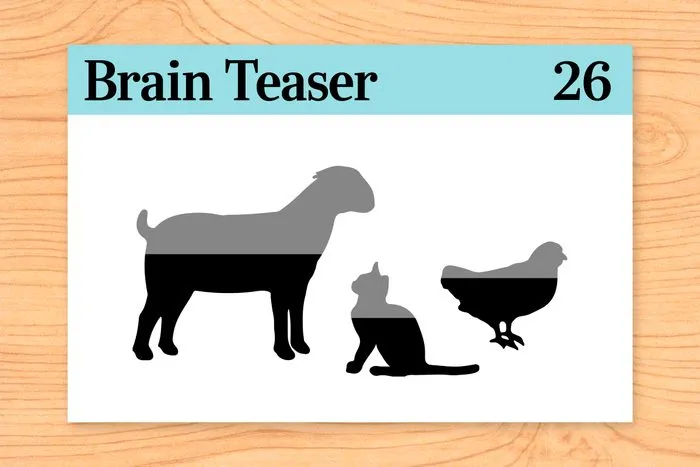
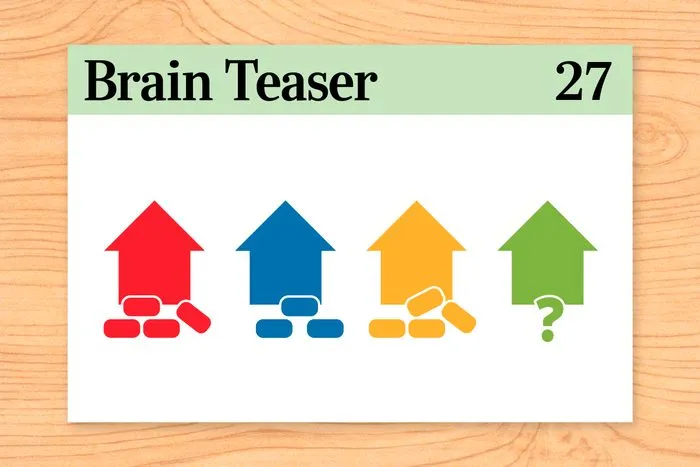
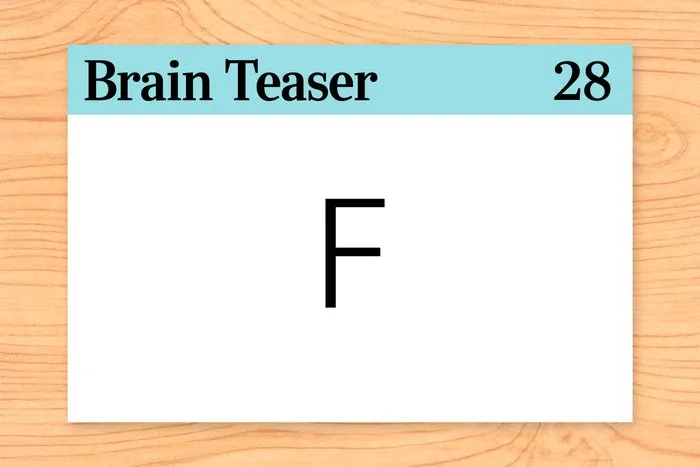
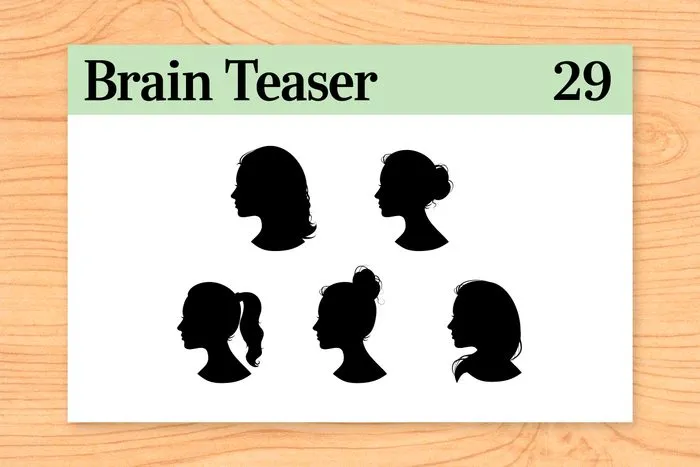
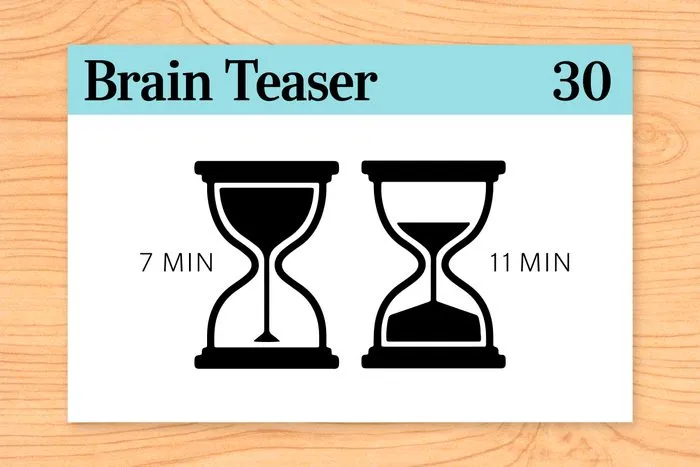
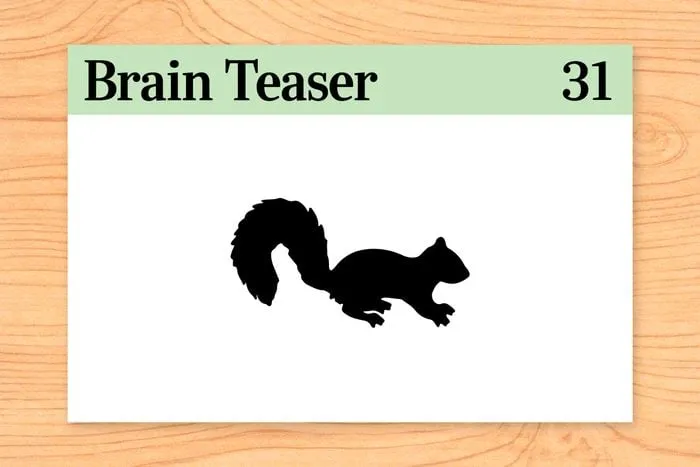
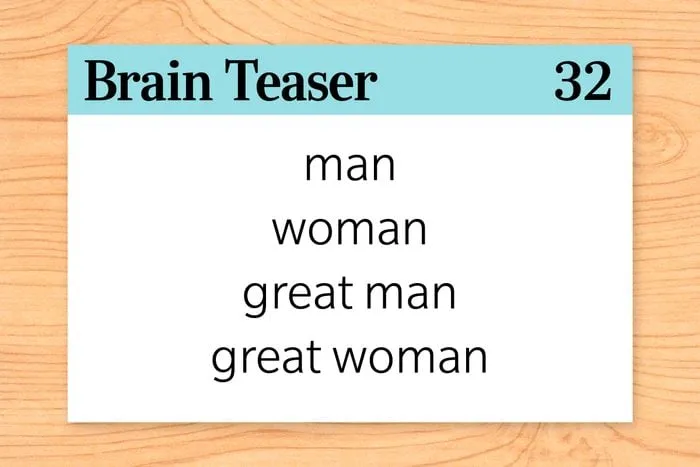
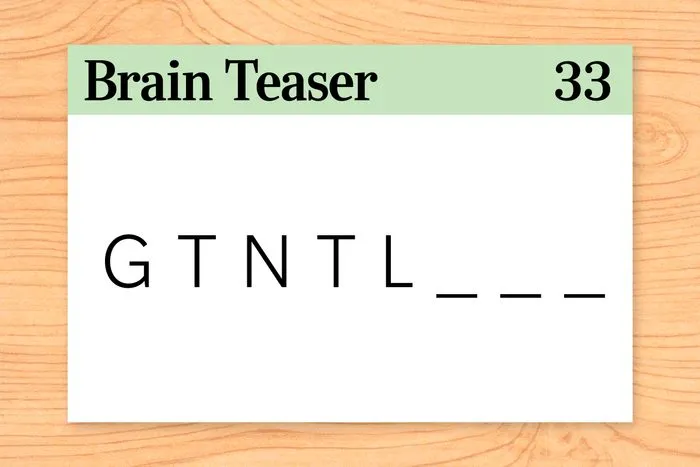
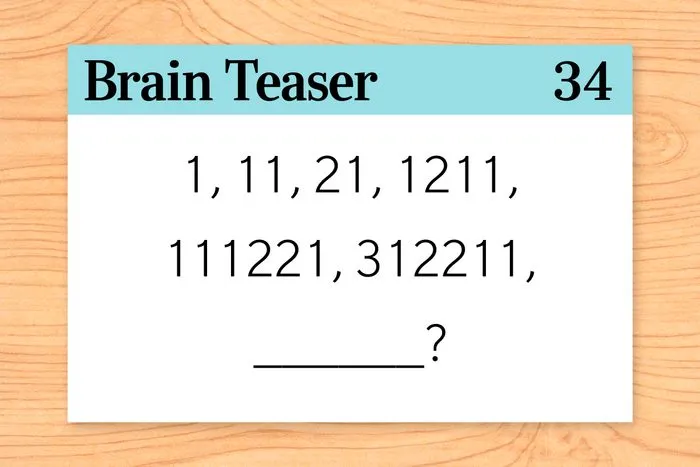
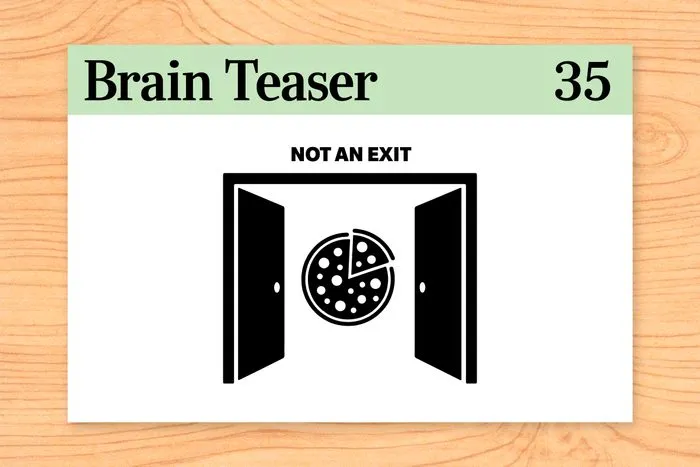
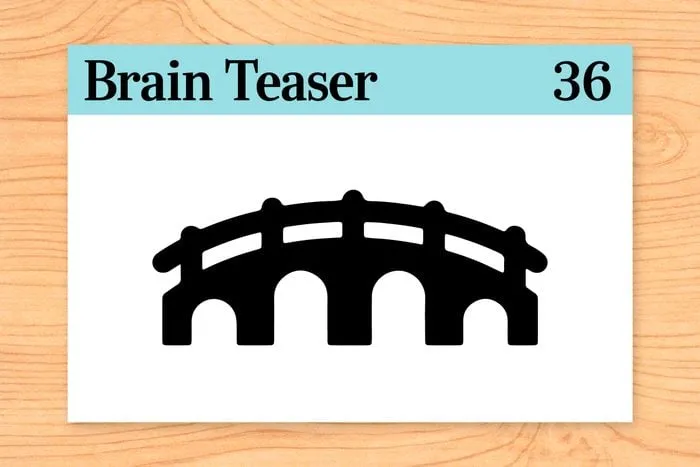
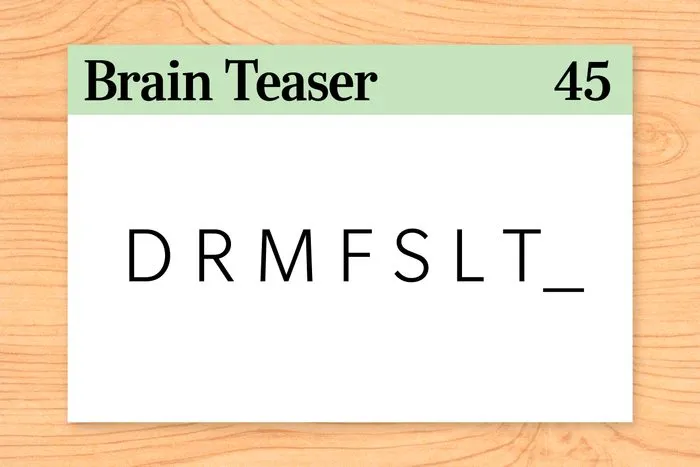
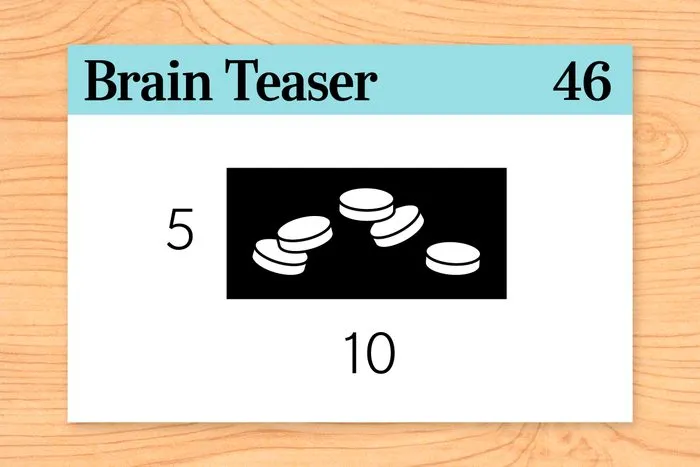
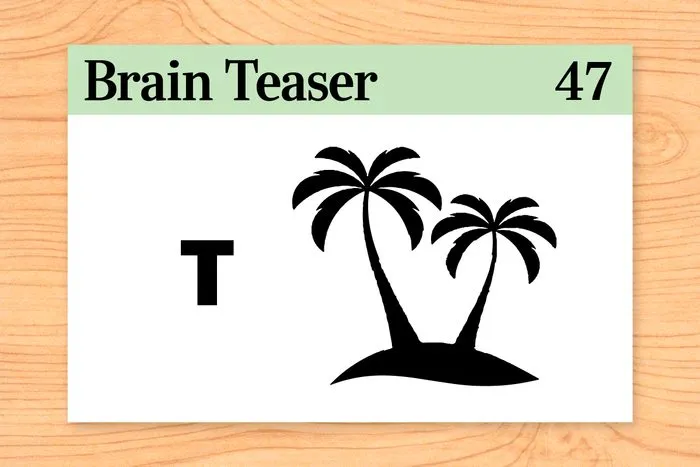
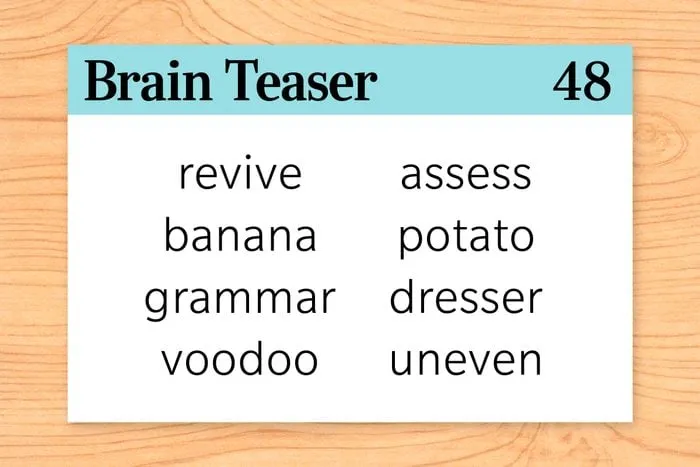
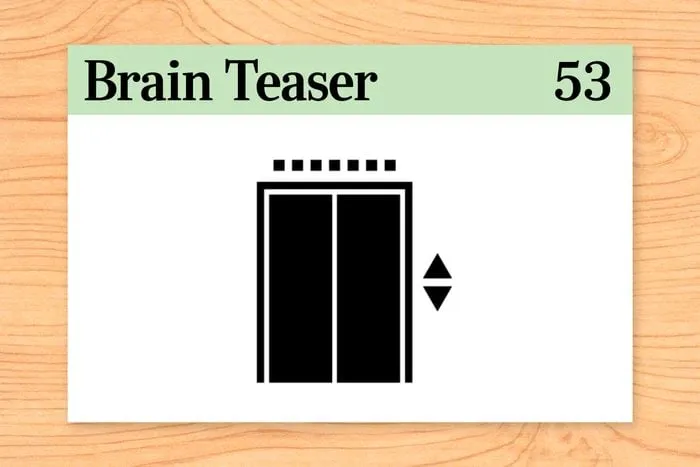
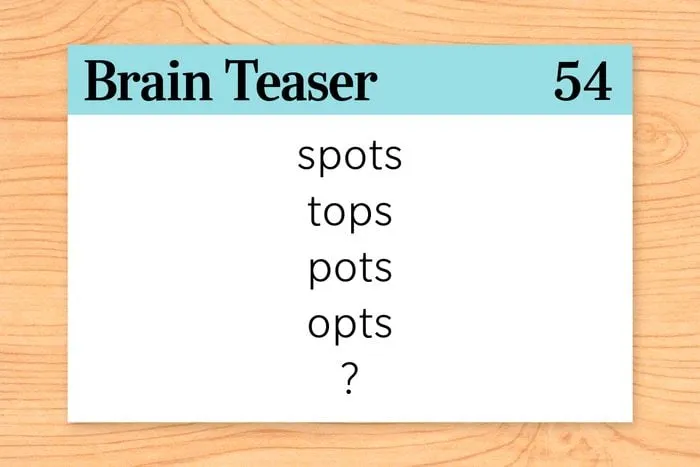
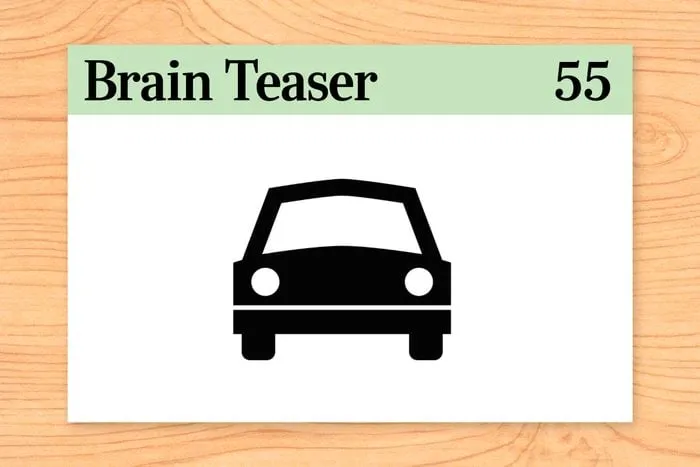
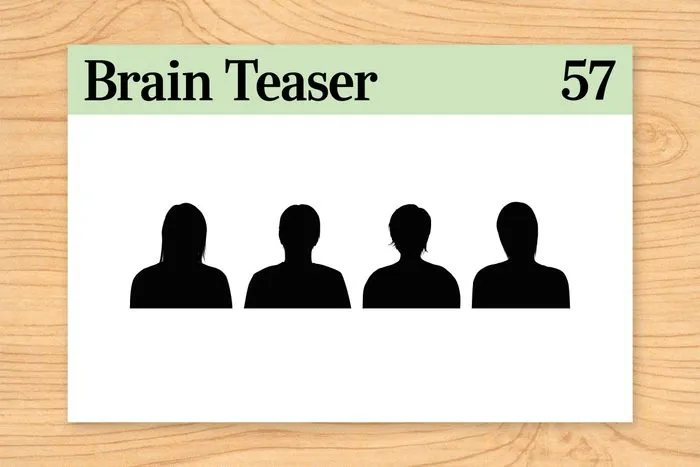
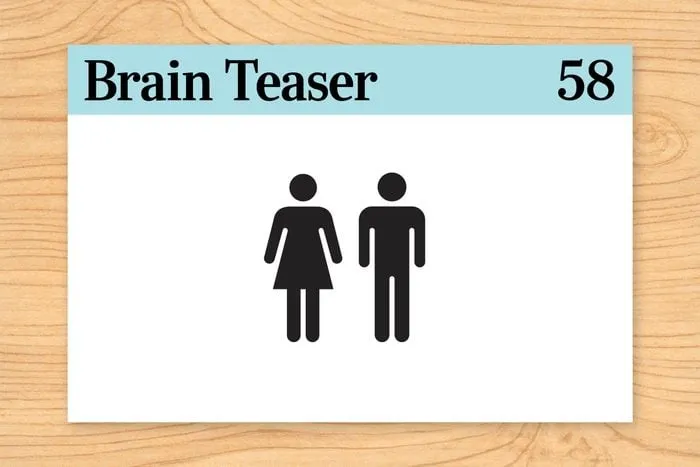
Why Brain Teasers Challenge Your Thinking
Many players make mistakes not because the puzzles are hard, but because they misinterpret the visual information. The confusion often comes from three main issues:
- Jumping to conclusions too quickly
- Misreading patterns or sequences as random
- Overlooking subtle details in orientation, spacing, or order
For example, a number sequence may seem arbitrary but actually follows addition, subtraction, or alternating rules. A symbol puzzle may depend on rotation, reflection, or position, rather than the symbol’s shape. Success in brain teasers relies on observing carefully and resisting the urge to guess based on first impressions.
How to Solve Brain Teasers – The Rule Finder Method
To approach brain teasers effectively, follow a structured method:
- Look for repetition – Notice if shapes, numbers, or symbols repeat in the sequence.
- Identify movement or transformation – Check for flips, rotations, or shifts in positions.
- Find the missing rule – Ask yourself: what changes each step?
- Test one rule at a time – Avoid combining multiple assumptions until you confirm the first.
- Confirm your solution – Ensure your rule accounts for all parts of the puzzle, not just one element.
A good habit is to describe the pattern in simple terms before solving. This slows down your thinking and prevents impulsive answers.
How Brain Teasers Train Your Brain
Unlike trivia or knowledge-based quizzes, brain teasers test your reasoning and observation under uncertainty. Regular practice improves:
- Pattern filtering – Ignoring irrelevant details to focus on the logic.
- Logical consistency – Checking that each step follows the hidden rule.
- Visual scanning speed – Noticing subtle differences and sequence breaks.
- Rule elimination – Quickly discarding incorrect assumptions.
- Focus under pressure – Maintaining attention even with distractions.
Players often do not notice progress immediately; improvement builds gradually through repeated practice.
Types of Brain Teasers You Will Encounter
We designed our brain teasers to challenge multiple aspects of thinking. These types include:
- Pattern Movement Puzzles – Number sequences, shape shifts, or symbol progressions.
- Visual Rotation Logic – Icons or shapes may rotate or flip, altering the answer subtly.
- Missing Rule Puzzles – One element intentionally breaks the pattern.
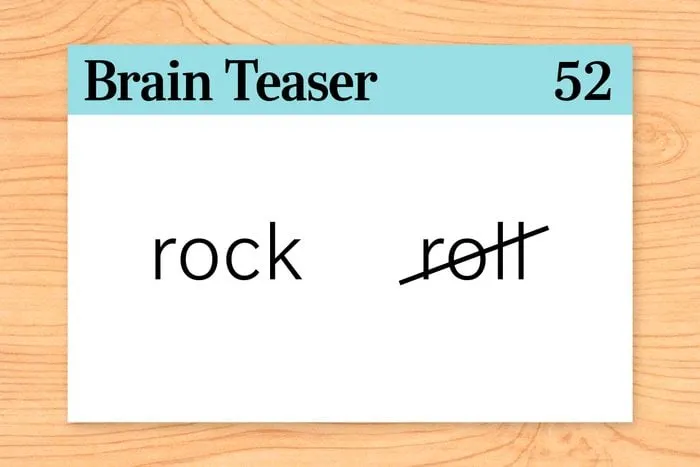
- Word Structure Logic – Letters may be rearranged, removed, or transformed.
- Mixed Symbol Encoding – Symbols represent numbers, actions, or coded meanings rather than literal visuals.
Each puzzle type targets a different reasoning skill and helps develop a comprehensive problem-solving mindset.
Common Mistakes and How to Avoid Them
Most players make predictable errors due to how the brain processes visual information:
- Rushing to judgment – Assuming the first visible pattern is correct.
- Focusing on the wrong element – Ignoring position or movement changes.
- Applying unrelated rules – Using math logic where visual reasoning is required.
- Overlooking details – Missing a rotation, spacing, or directional change.
- Ignoring multiple layers – Failing to check if a second rule is applied.
Tip: If your answer feels too obvious, pause and re-examine the puzzle from a new perspective.
Suggested Progression Path
To gradually improve, follow this path:
- Begin with simple sequence puzzles to identify repeating patterns.
- Move to image-based logic challenges requiring observation of visual shifts.
- Advance to mixed symbol decoding puzzles.
- Try multi-layer pattern puzzles, which may combine two or more hidden rules.
By progressing gradually, you reduce frustration and improve your reasoning skills efficiently.
How to Approach This Page Effectively
Avoid treating the page like a simple “scroll-and-click” list. Instead:
- Pick 3–5 puzzles at a time.
- Identify the type of pattern or rule before selecting an answer.
- Mentally write down your guess and reasoning.
- Compare your guess to the solution and reflect on what you missed.
This method ensures real learning and keeps your practice purposeful rather than random.
Why Difficulty Feels Inconsistent
The puzzles vary intentionally:
- Some test observations only.
- Others require multi-step reasoning.
- Some challenge assumption control.
- Others switch between logic types.
The goal is adaptability, not uniform difficulty. Over time, your ability to handle diverse rules will improve.
How to Avoid Getting Stuck
If a puzzle feels confusing:
- Reset your thinking. Step back before retrying.
- Focus only on differences between elements, not similarities.
- Describe the pattern in one sentence.
- Remove assumptions you made earlier.
Oftentimes, eliminating one incorrect assumption is more effective than adding a new theory.
Similar Puzzle Types You May Like
- Logic Riddles – Word-based reasoning challenges
- Tricky Riddles – Language misdirection puzzles
- Math Number Riddles – Sequence and pattern numbers
- Sudoku – Structured number grids
- Word Search Puzzles – Visual scanning and observation
Each category strengthens a different reasoning skill and complements brain teaser practice.
Benefits of Brain Teasers
- Enhances problem-solving and analytical skills
- Improves attention to detail and focus
- Boosts pattern recognition and logical thinking
- Encourages patience and methodical reasoning
- Offers a fun, interactive, and educational experience for all ages
How to Play Brain Teaser Games
- Read the question or observe the image carefully.
- Analyze the sequence, pattern, or symbol set.
- Identify any hidden rule or subtle change.
- Choose your answer.
- Compare it with the solution and learn what detail you missed.
This approach maximizes learning and cognitive growth.
Frequently Asked Questions
Logic-based puzzles that challenge your observation, pattern recognition, and reasoning rather than testing knowledge.
Yes, puzzles start simple and gradually increase in difficulty.
Yes, they help with logical consistency, attention, and structured problem-solving.
Identify the repeating rule, test it across all elements, and confirm your reasoning.
Even a few puzzles daily can gradually improve observation, attention, and pattern recognition.