
Tricky Riddles That Test Careful Reading and Clever Thinking
Try short tricky riddles where the first answer is not always the right one. These cards use wording traps, hidden meanings, simple twists, and playful clues to make you pause before revealing the solution. This page is best for readers who enjoy clever questions, quick puzzle breaks, and answers that make you think twice.
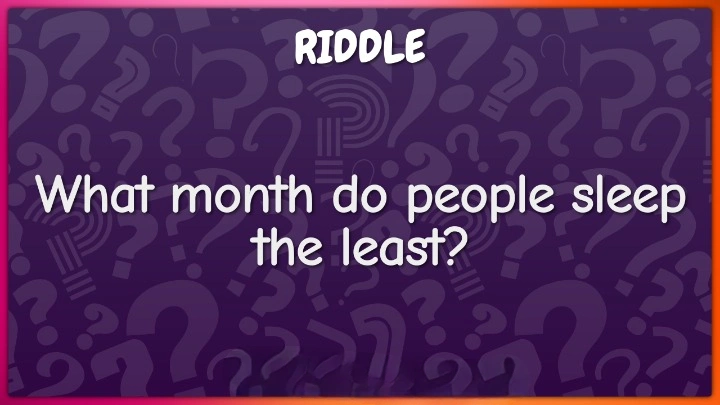
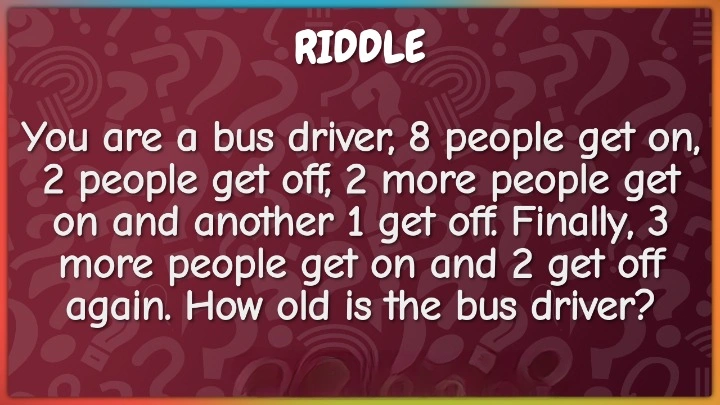
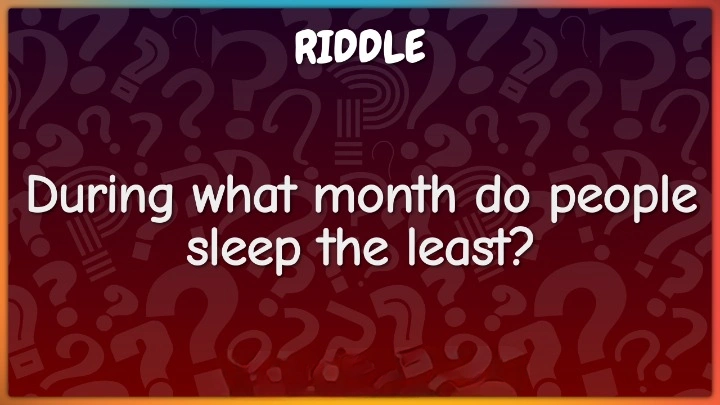
The Trick Is Usually in One Word
Most tricky riddles do not need difficult knowledge. The answer is usually hidden inside the wording.
A question may sound like it is asking about direction, weight, food, time, or movement, but one word changes everything. That is why the fastest answer is often wrong.
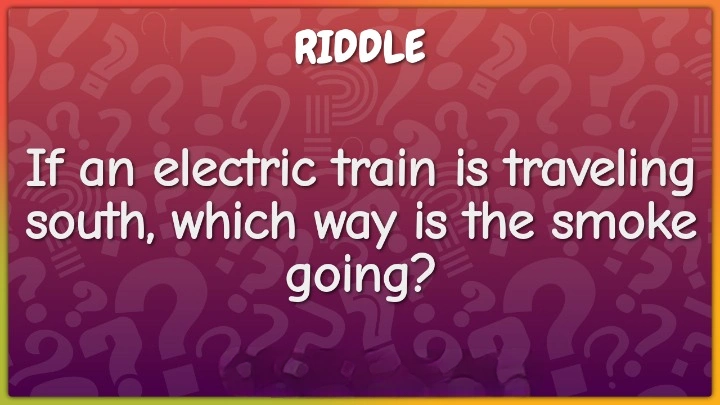
For example, the electric train riddle asks where the smoke is going. The trap is that an electric train does not create smoke. The answer is not about north, south, wind, or direction. It is about noticing the impossible details.
That is the main rule for this page: before you reveal the answer, find the word that might be tricking you.
Spot the Trap Before You Tap
Use this quick check while playing:
- Is the question asking something impossible?
- Is one word being used in a second meaning?
- Is the answer simpler than the question makes it seem?
- Is the riddle trying to make you assume something that was never said?
If you can find the trap, the answer becomes much easier.
Tricky Riddles From This Page
Here are examples from this page and the type of trick each one uses.
1. Electric train and smoke
The answer is there is no smoke. The riddle makes you think about direction, but the real clue is that the train is electric.
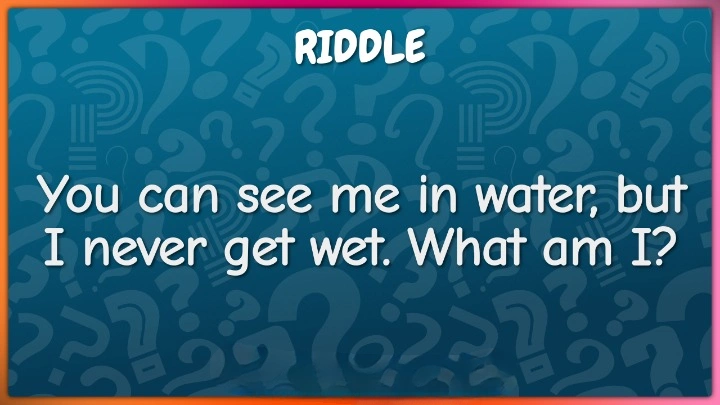
2. You can see me in water, but I never get wet.
The answer is reflection. The reflection appears in water, but it is not a physical thing that can get wet.
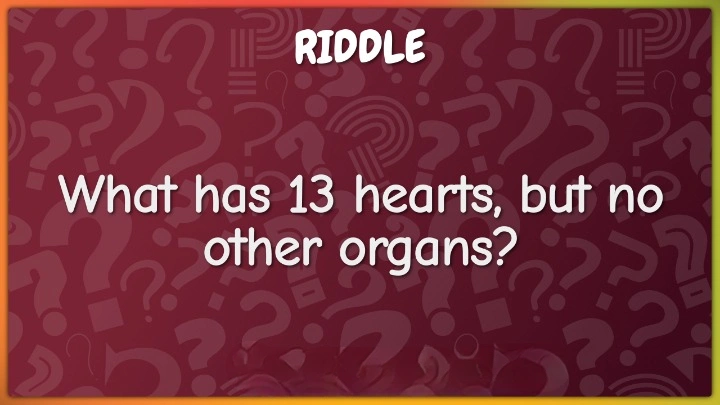
3. What has 13 hearts, but no other organs?
The answer is a deck of playing cards. The riddle sounds like a body question, but it points to hearts as a card suit.
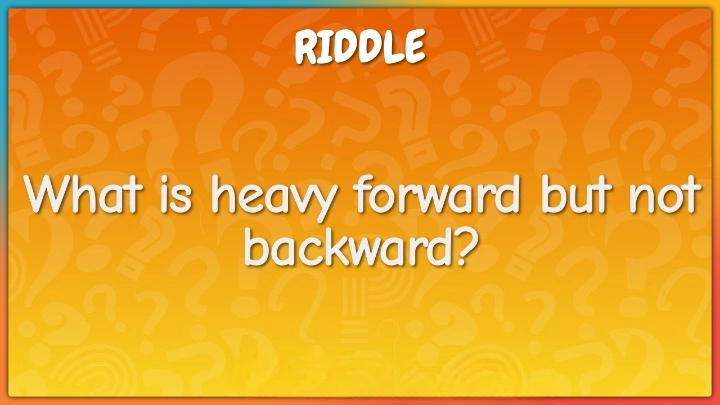
4. What is heavy forward but not backward?
The answer is ton. Forward, it means a heavy weight. Backwards, it becomes “not.”
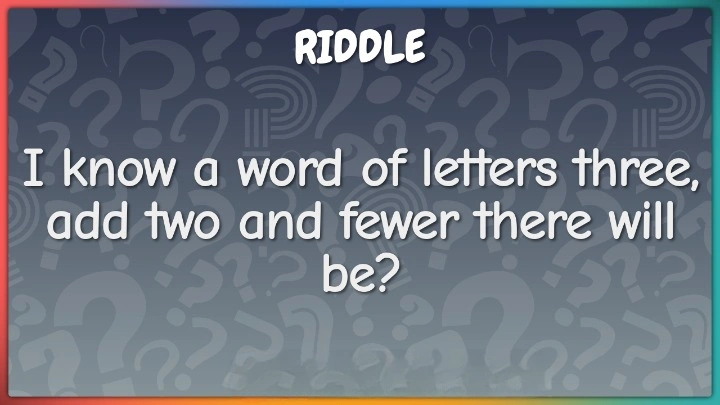
5. I know a word of letters three, add two and fewer there will be.
The answer is few. Adding “er” makes “fewer,” so the word becomes connected to a smaller amount.
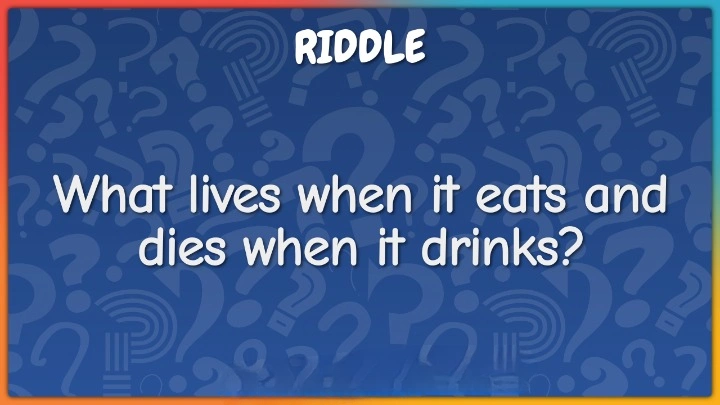
6. What lives when it eats and dies when it drinks?
The answer is fire. Fire grows when it consumes fuel and goes out when water is added.
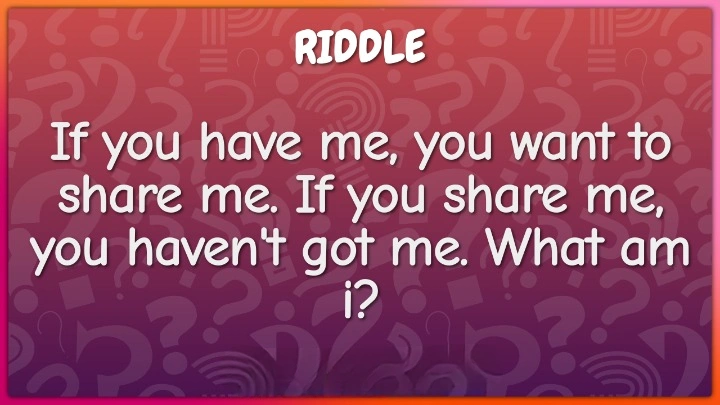
7. If you have me, you may want to share me. If you share me, you haven’t got me.
The answer is secret. A secret stops being secret once it is shared.
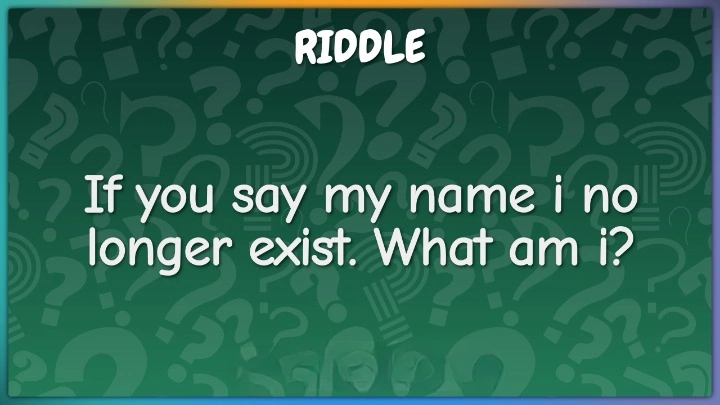
8. If you say my name, I no longer exist.
The answer is silence. Saying anything breaks silence.
These examples show why tricky riddles are different from normal quiz questions. The answer is not hidden in facts. It is hidden in how the question is written.
The Three Main Traps on This Page
1. The False Direction Trap
Some riddles point your mind toward the wrong category. The electric train riddle makes you think about smoke direction, but the real answer is that there is no smoke.
2. The Word Flip Trap
Some riddles depend on spelling or word order. “Ton” becoming “not” is a good example. The clue is not about lifting weight. It is about reading the word differently.
3. The Meaning Shift Trap
Some riddles use a word that belongs to more than one situation. Hearts can mean body organs, but in the card riddle, hearts are a suit in a deck.
Once you know these traps, many tricky riddles become easier to solve.
Why Tricky Riddles Feel Easy After the Answer
A good tricky riddle feels confusing before the reveal and obvious after it. That is because the clue was already there, but the question pushed your attention somewhere else.
When you reveal an answer, read the question again. Ask yourself what word changed the meaning. This turns the page from a simple answer list into a better thinking exercise.
If the answer still feels random after reading it again, the riddle may be weak. A fair tricky riddle should make sense once the hidden clue is noticed.
A Better Way to Play
Try solving the page in short rounds instead of revealing every answer quickly.
- First round: answer five cards without tapping.
- Second round: reveal the answers and mark which ones tricked you.
- Third round: look for the trap type: false direction, word flip, or meaning shift.
You can also play with friends. Read one riddle aloud, let everyone guess, then reveal the answer. The best part is often hearing which assumption each person made.
Keep the Page Clean and Useful
Tricky riddles work best when the puzzle is clever, not confusing or uncomfortable. The strongest cards are short, clear, and fair.
Good tricky riddles should:
- Use clean wordplay.
- Give enough clues to support the answer.
- Avoid random answers.
- Avoid misleading claims.
- Make sense after reveal.
For AdSense and user trust, this page should stay focused on clever wording, hidden meanings, and quick puzzle entertainment.
Where to Go Next
Choose your next page based on the kind of challenge you want.
- Try Logic Riddles if you want clue checking and reasoning.
- Try Brain Riddles if you want shorter thinking puzzles.
- Try Hard Riddles if you want stronger wording and more difficult clues.
- Try Math Number Riddles if you prefer number tricks and patterns.
- Try Sudoku or Word Search Puzzles if you want structured, non-riddle puzzles.
Frequently Asked Questions
Tricky riddles are short puzzles that use hidden meanings, wordplay, or misleading wording to make the answer harder to spot.
They fool people because the question makes the obvious answer feel correct. The real answer usually depends on a small wording detail.
Not always. Logic riddles rely more on reasoning and clues, while tricky riddles often rely on misdirection, wordplay, or a second meaning.
Read the question twice, look for words with more than one meaning, and check whether the obvious answer is too easy.
Yes. You can read each riddle card and reveal the answer directly in your browser.