
Number Math Puzzles Online
Practice number math puzzles with missing values, hidden rules, picture clues, equations, number rows, and tricky pattern cards. Each puzzle asks you to understand how the numbers connect before choosing the final answer.These brain maths challenges help improve number sense, logical thinking, focus, and patient problem-solving.
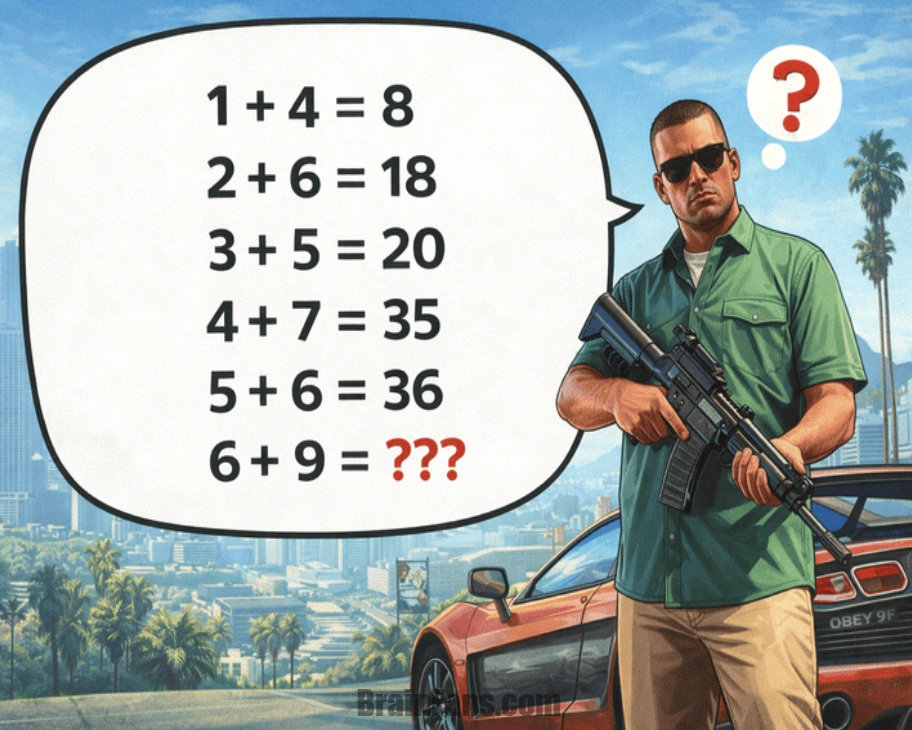
This ain’t clean math, it’s street math
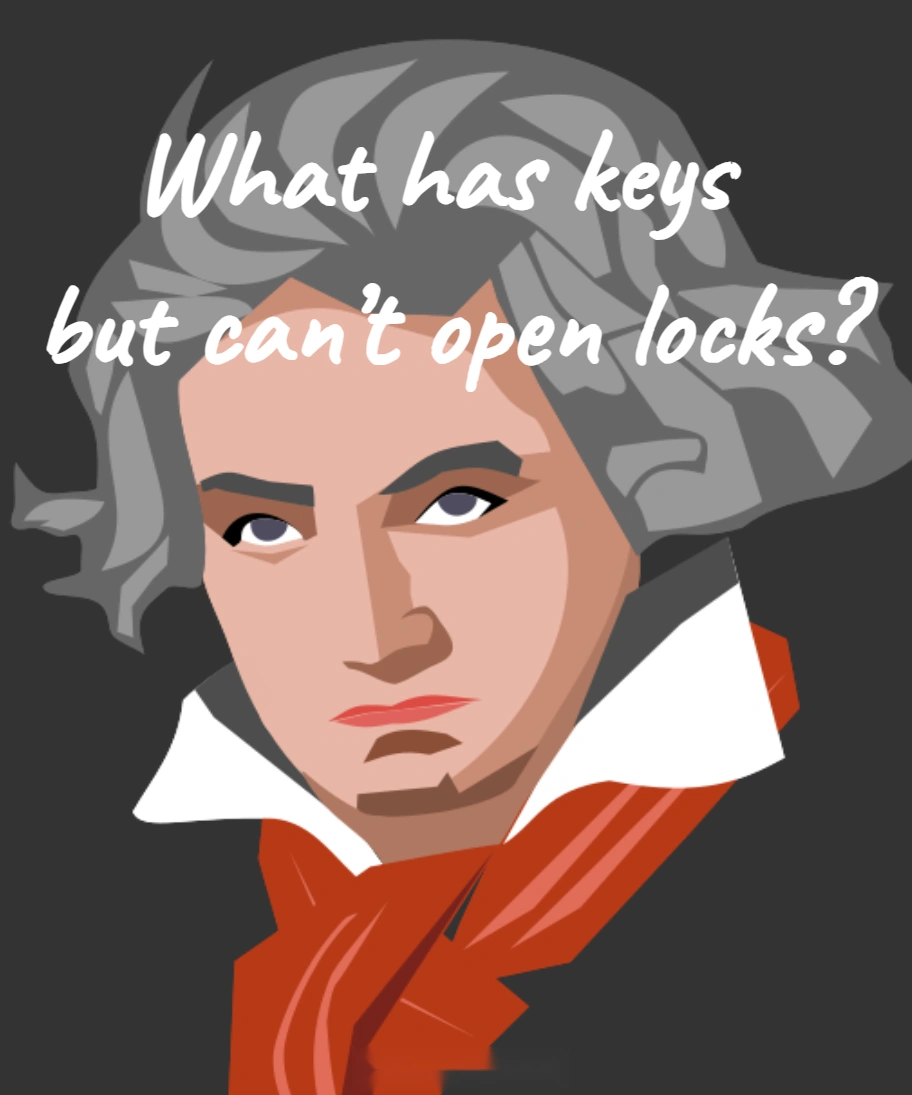
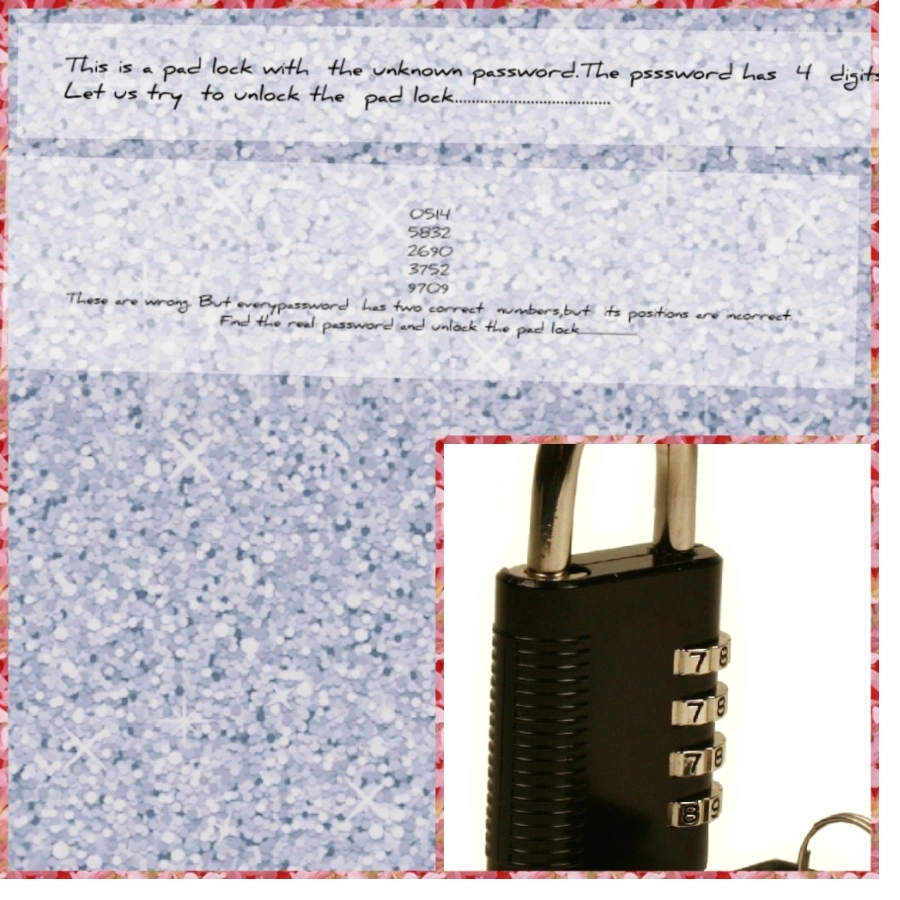
Keys That Don’t Unlock
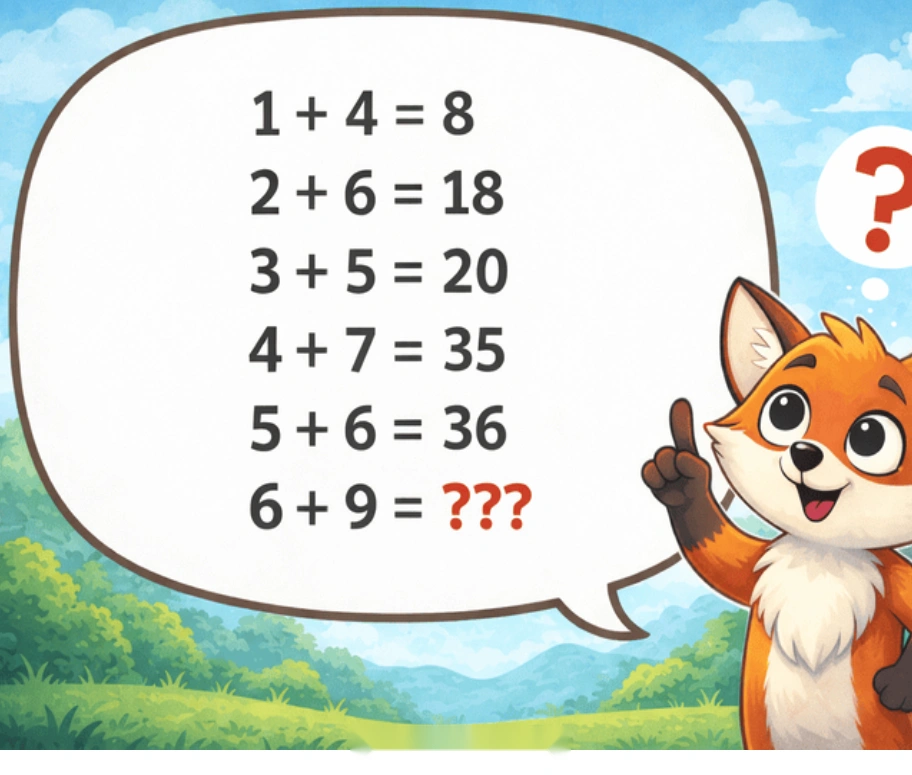
Not What It Seems
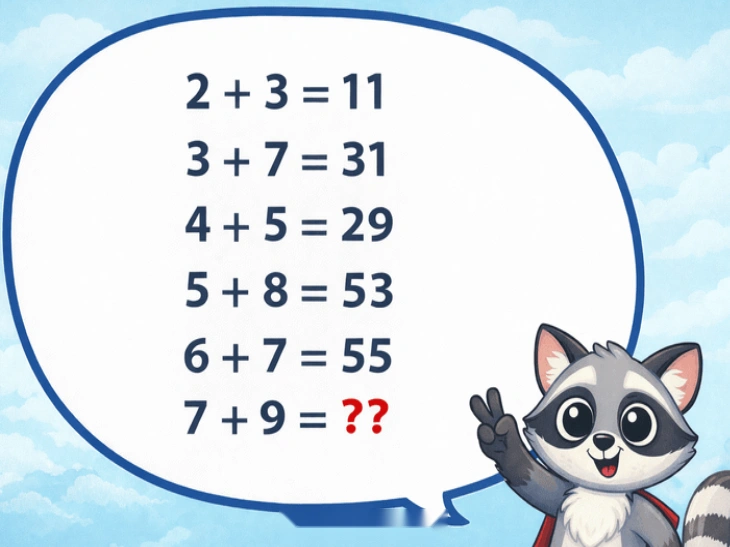
The Hidden Pattern Puzzle
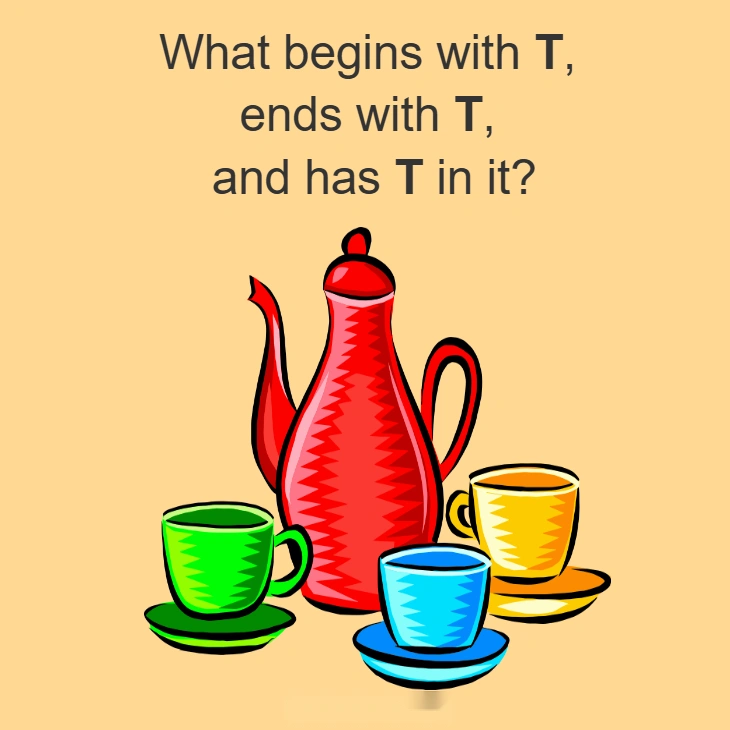
What begins with T, ends with T, and has T in it?
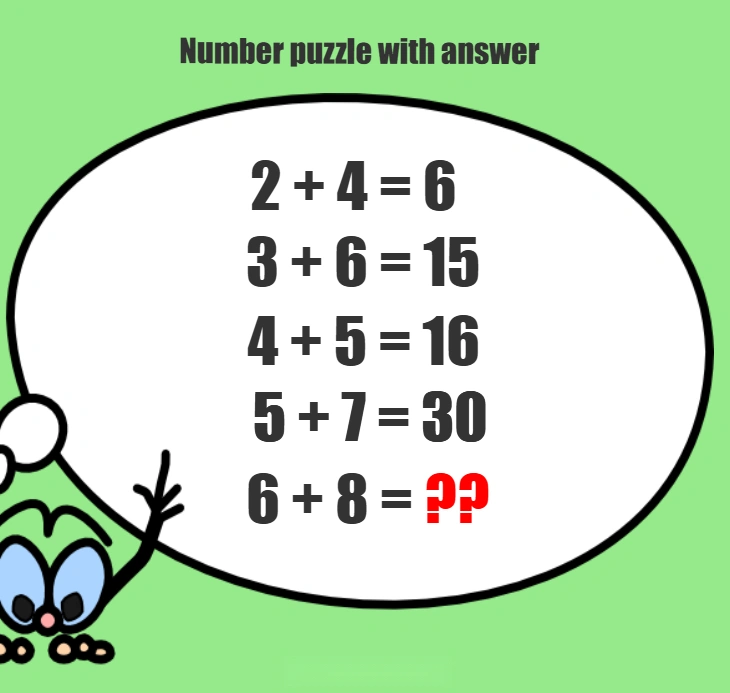
Number puzzle with answer
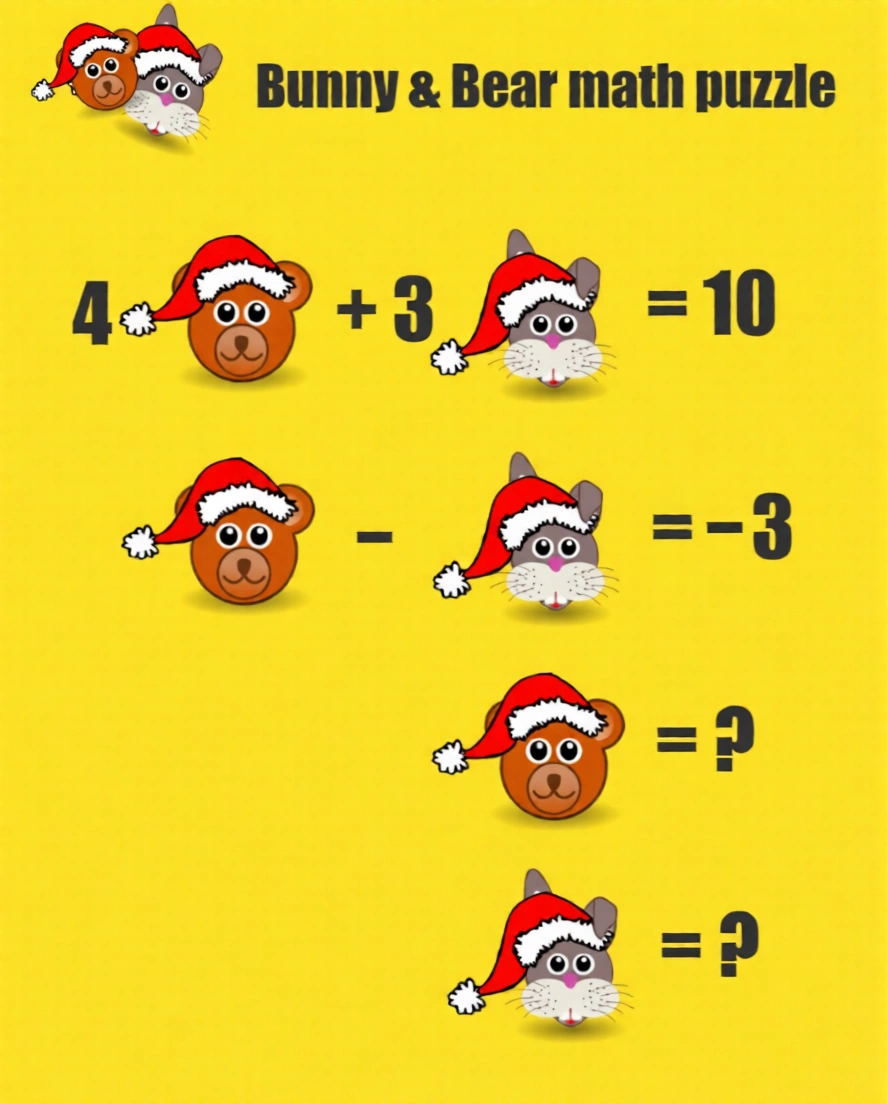
Bunny & Bear math puzzle
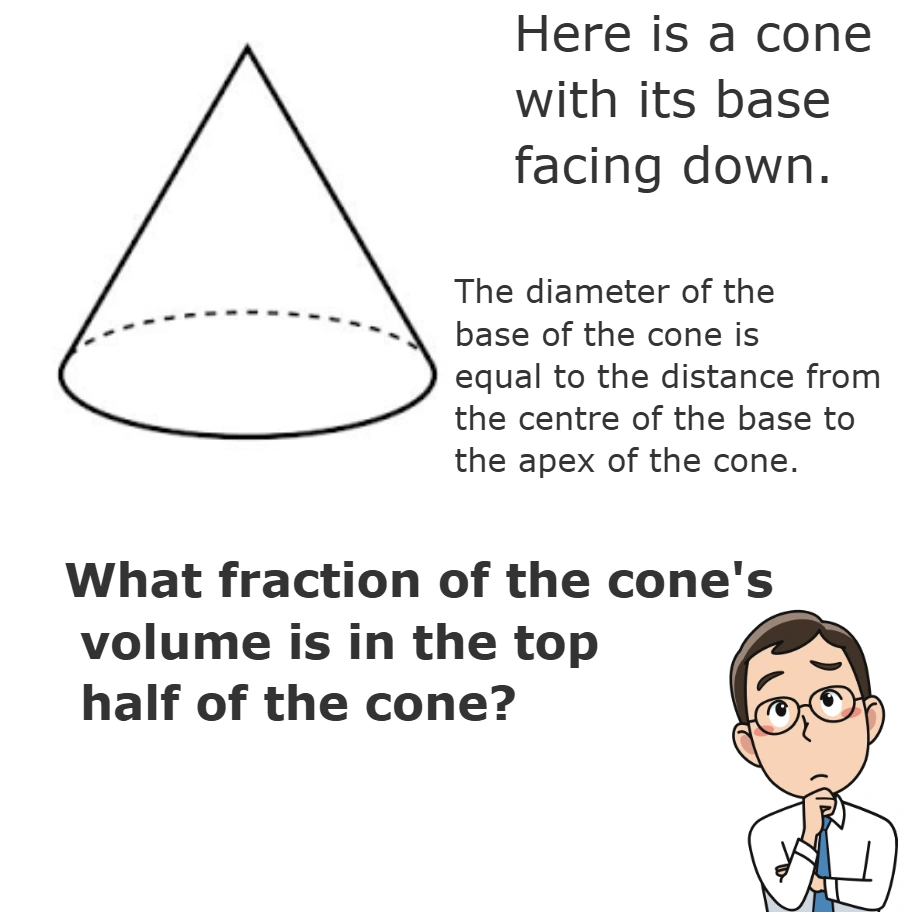
Cone volume problem
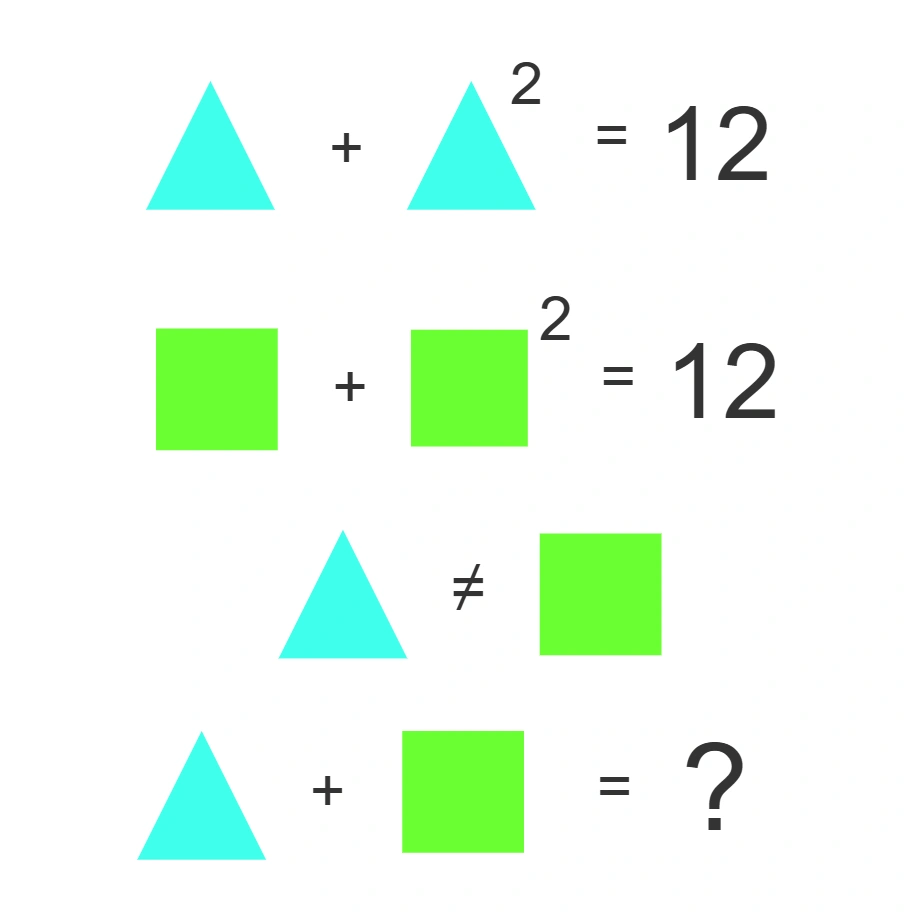
Square and Triangle problem
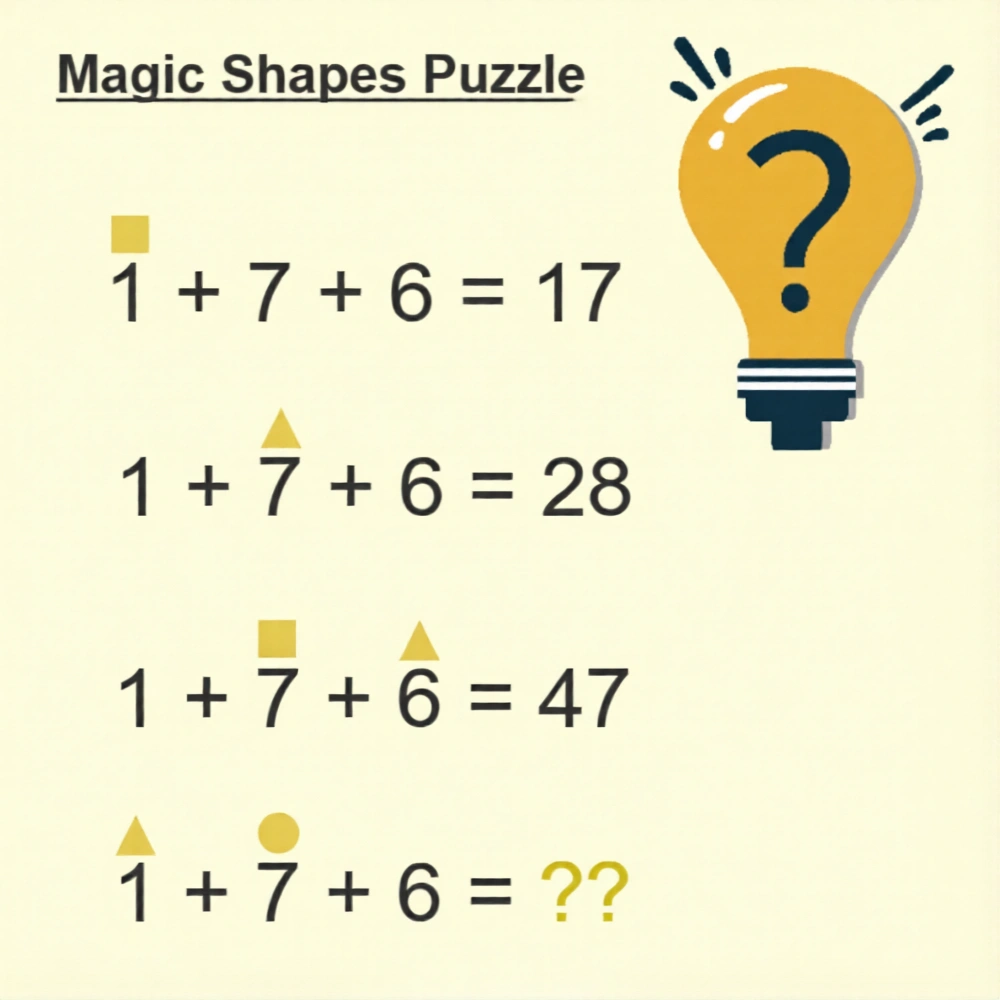
Brain test with magic shapes
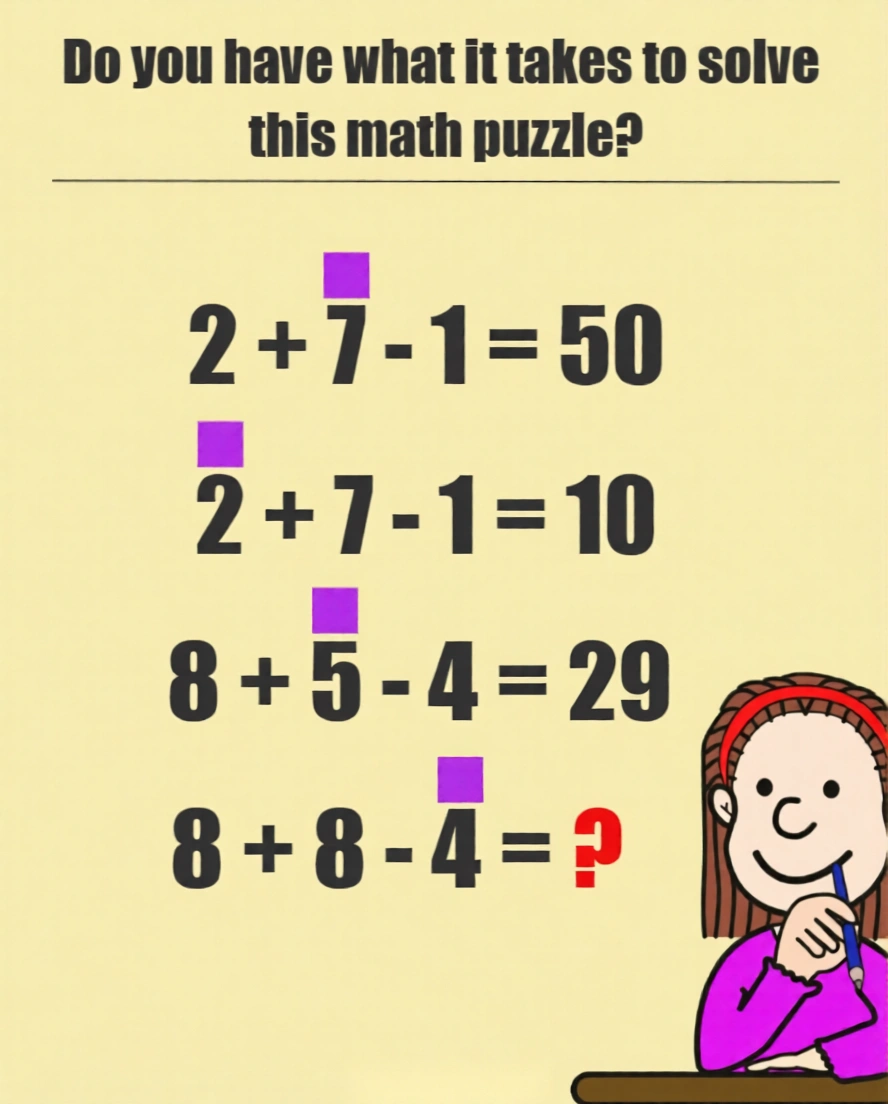
Do you have what it takes to solve this puzzle?
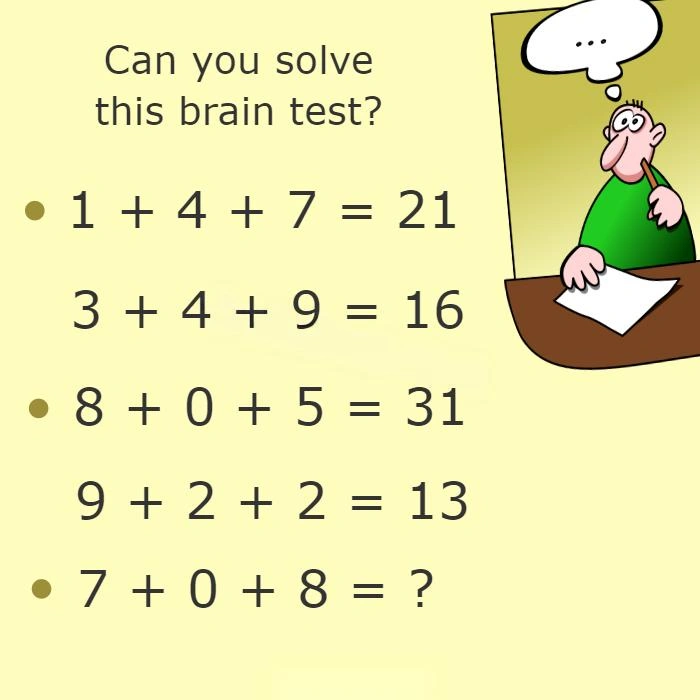
Can you solve this brain test?
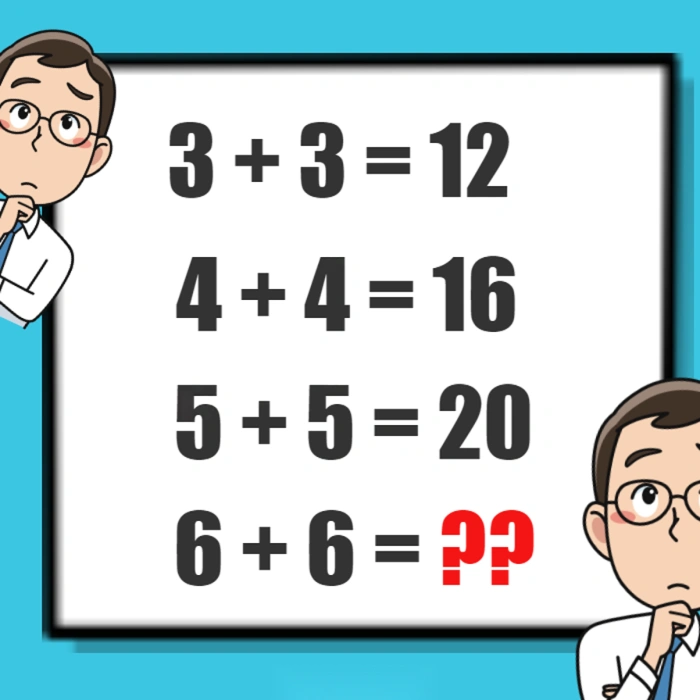
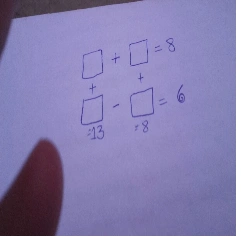
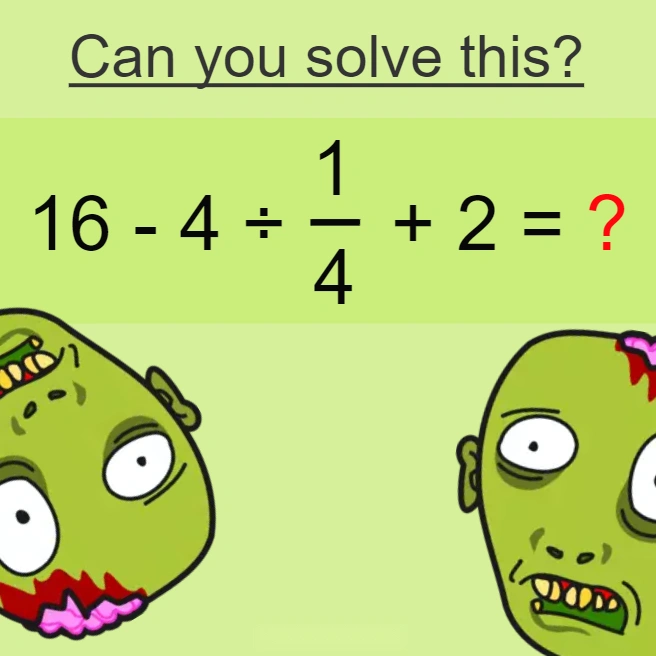
Math question with equations
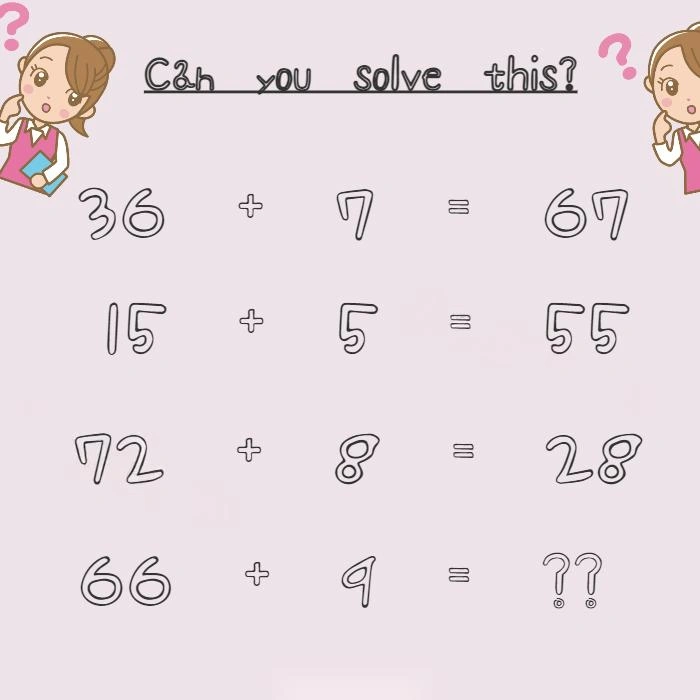
Math Puzzle For Student - Math Logic Puzzle
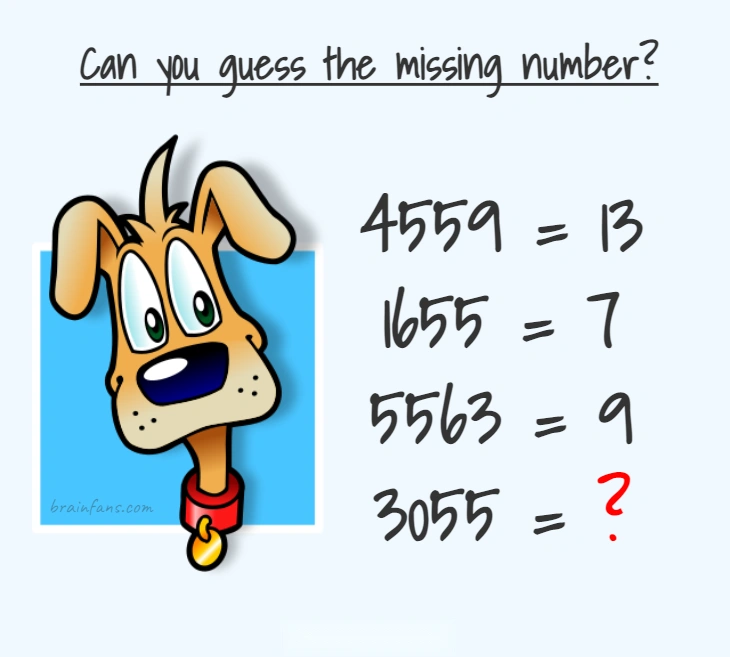
Easy number puzzle
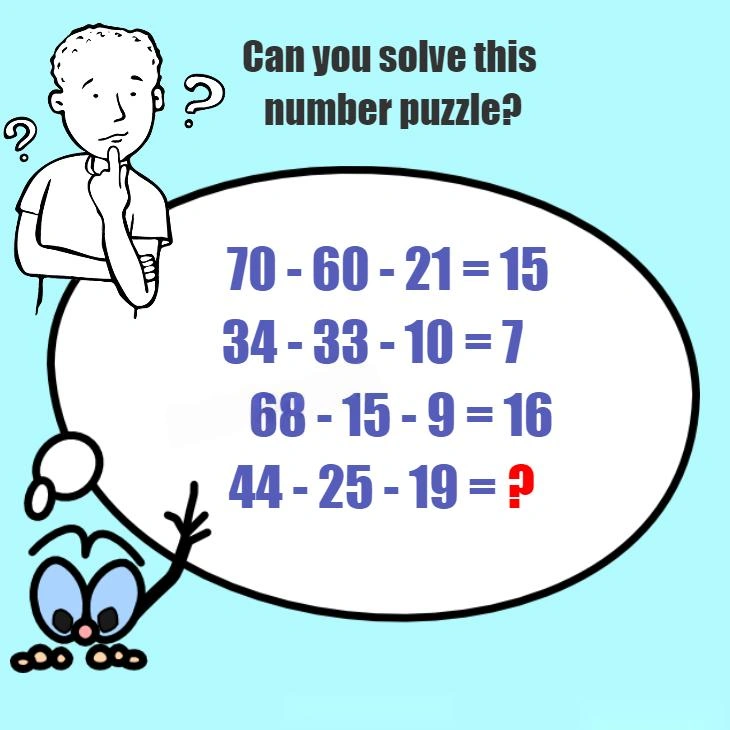
Number puzzle with answer
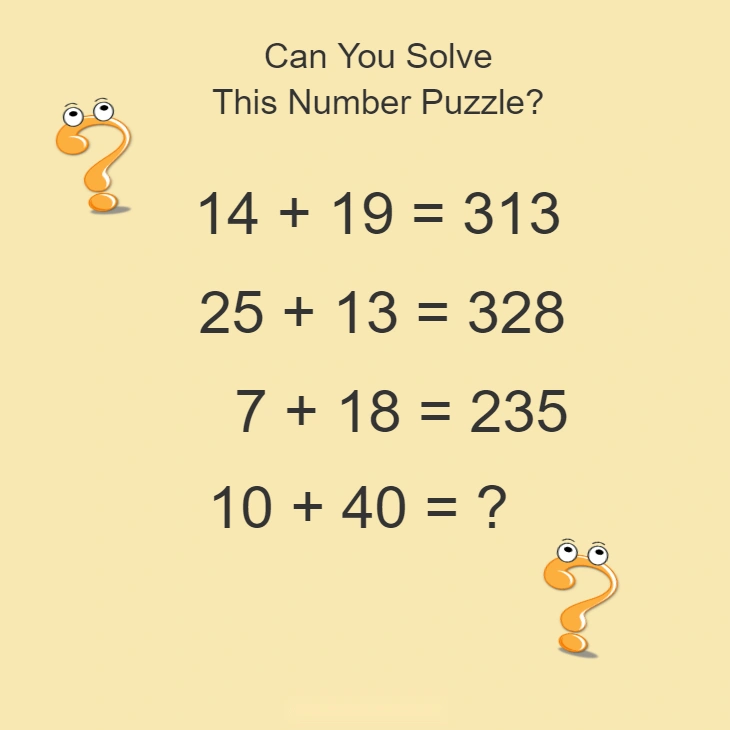
Number puzzle quiz with answer
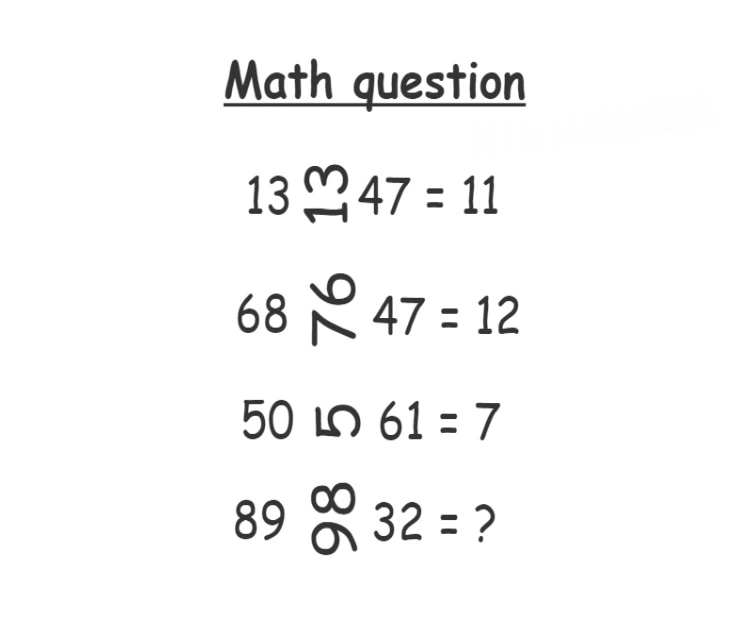
Math question
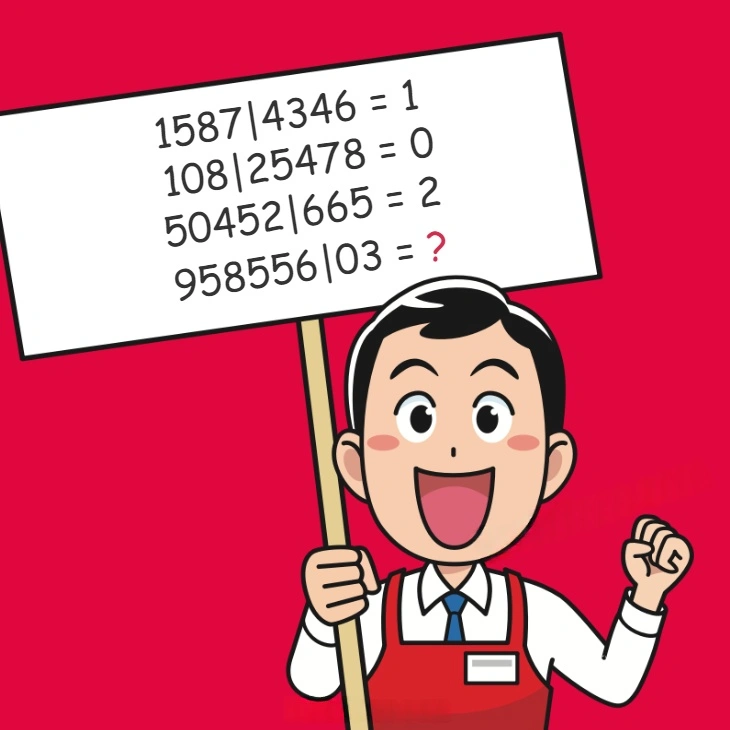
Logic number puzzle
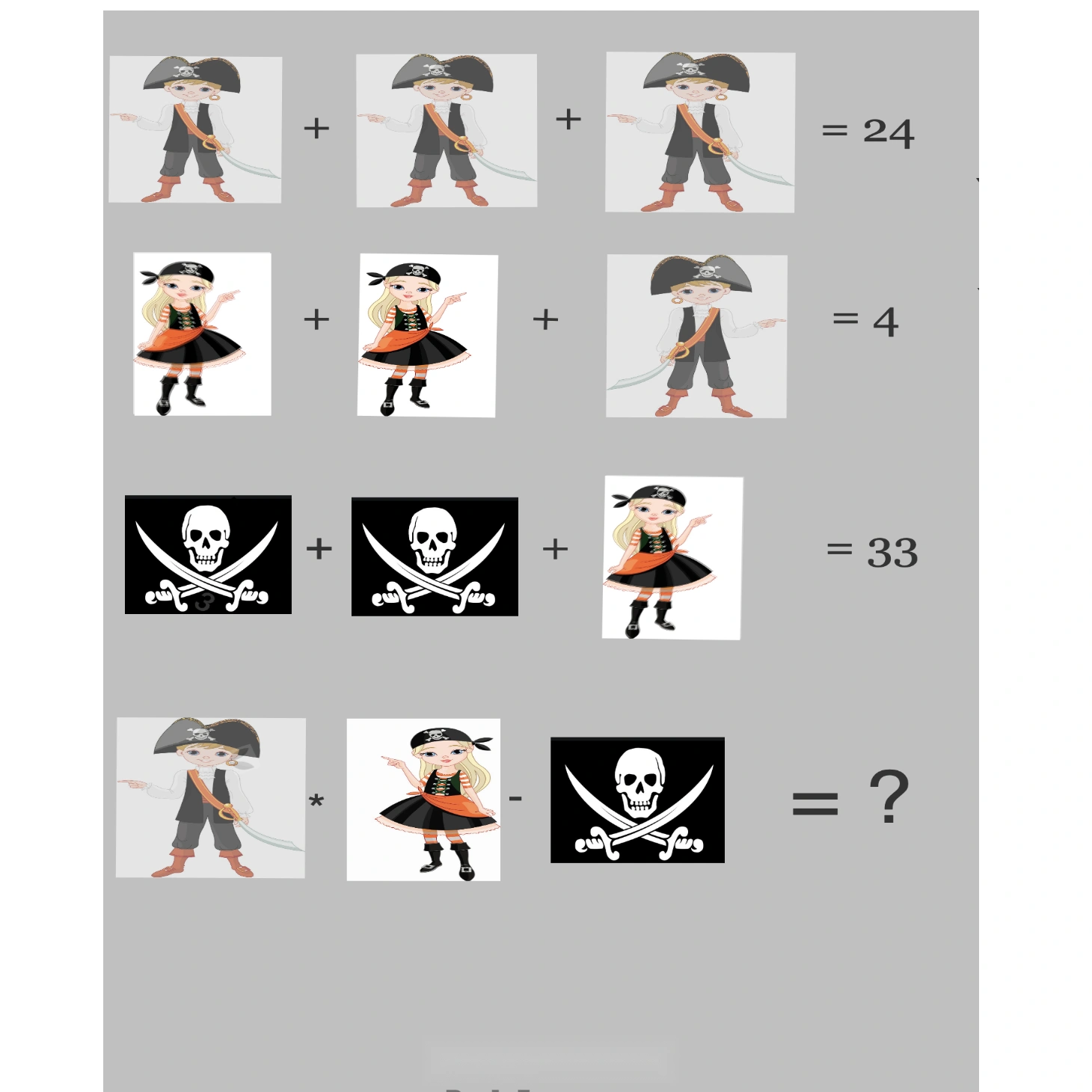
PIRATI
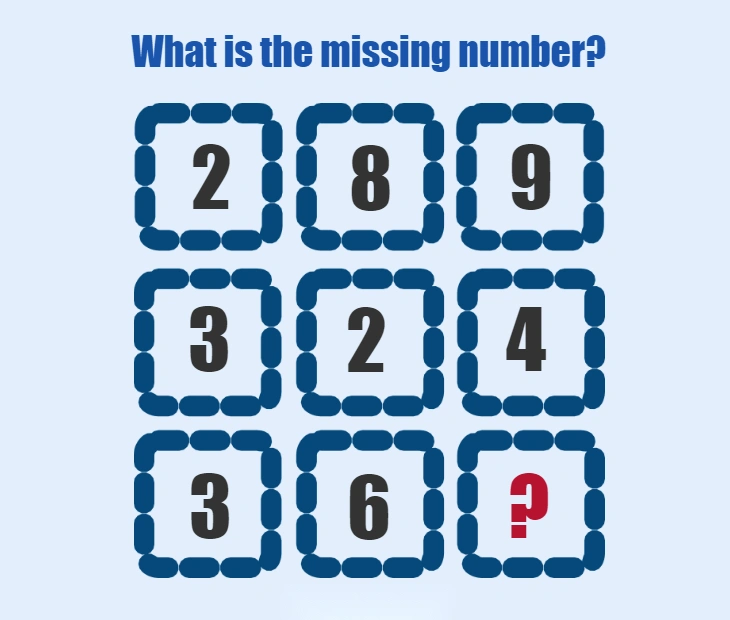
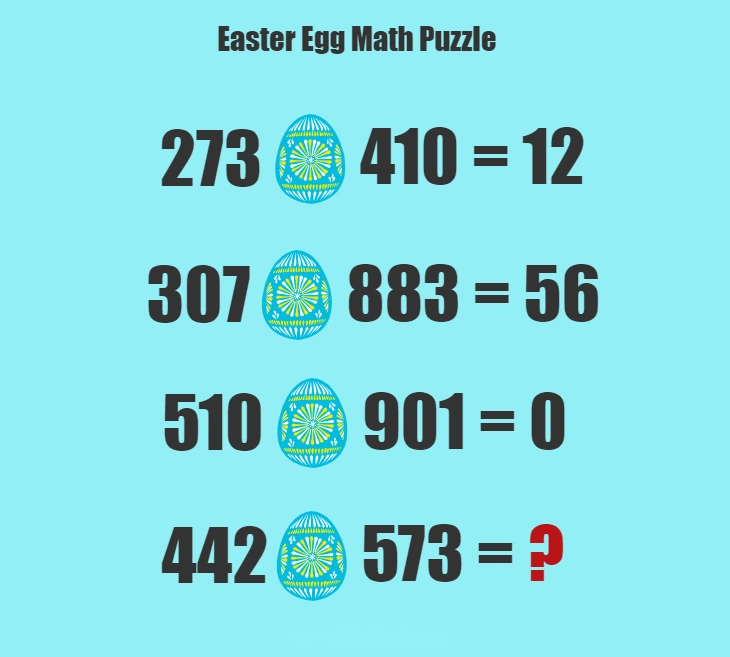
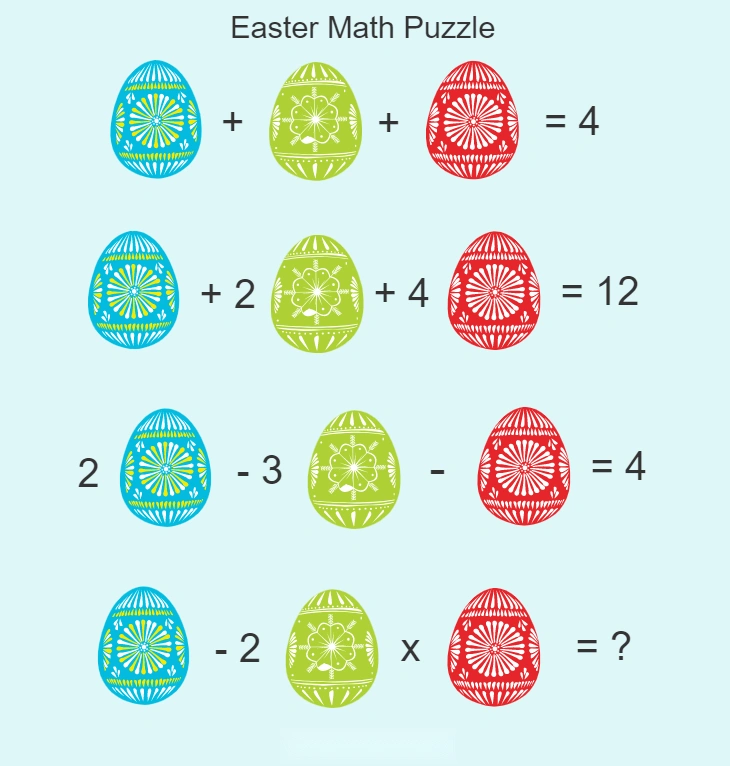
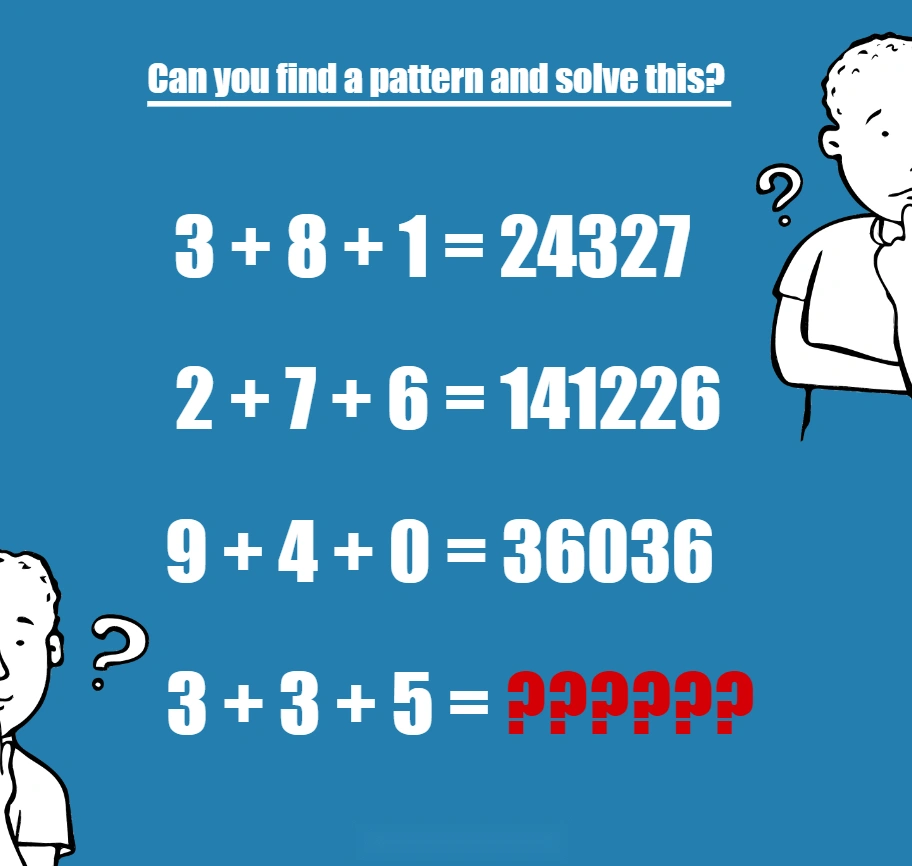

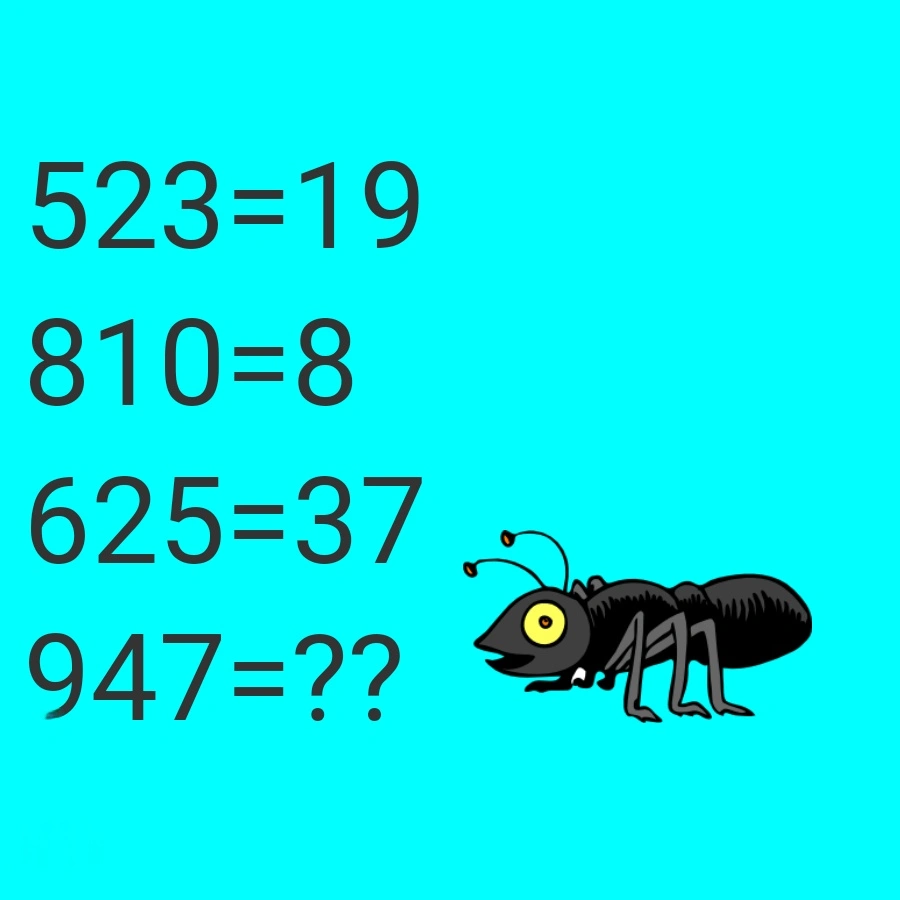
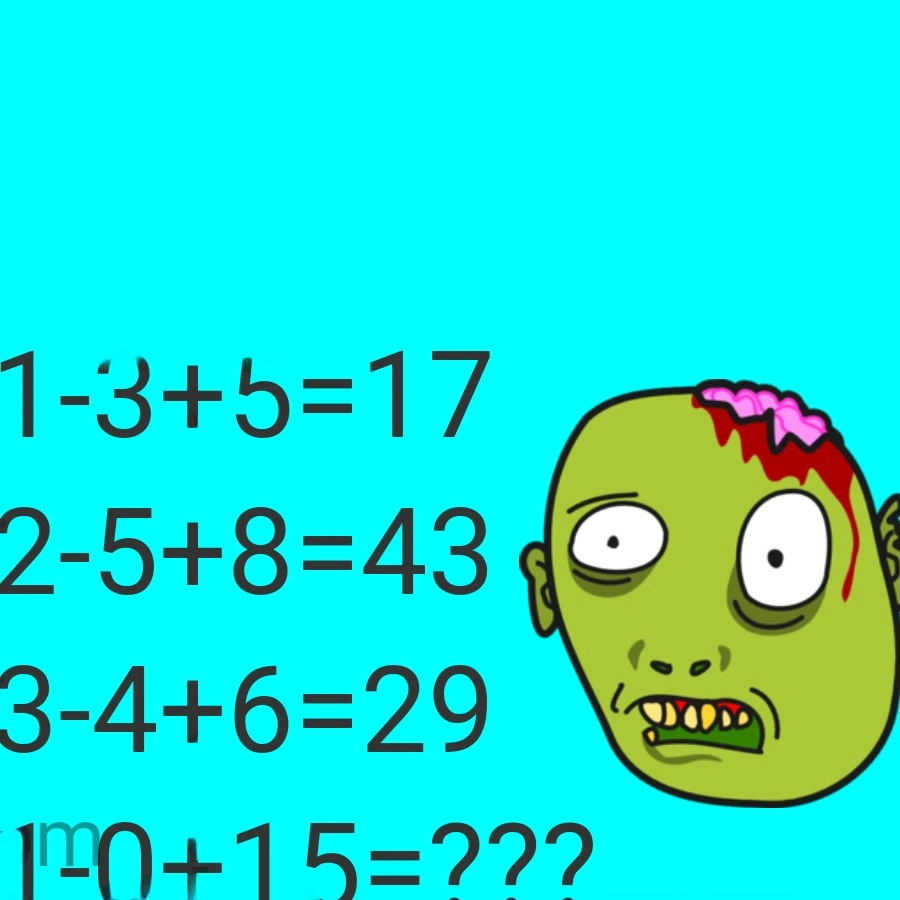
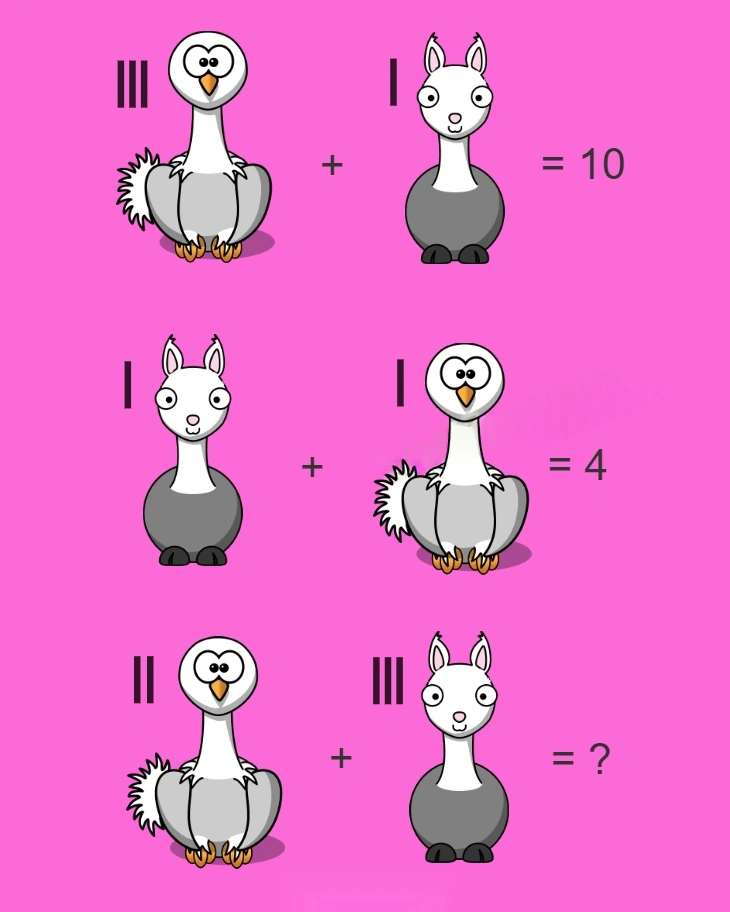
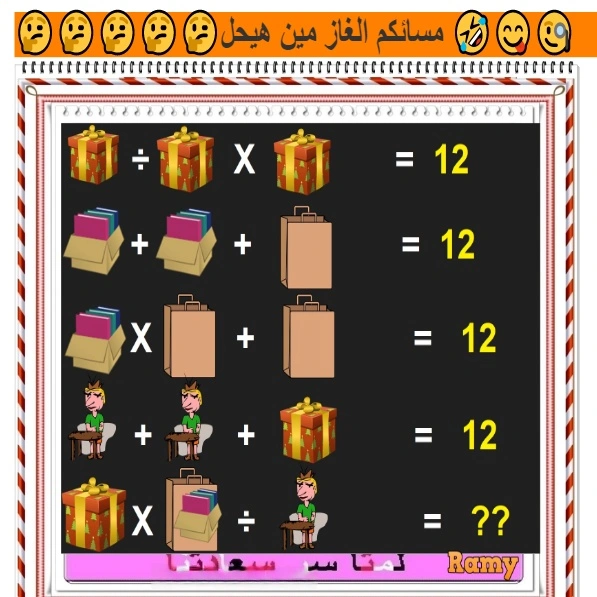

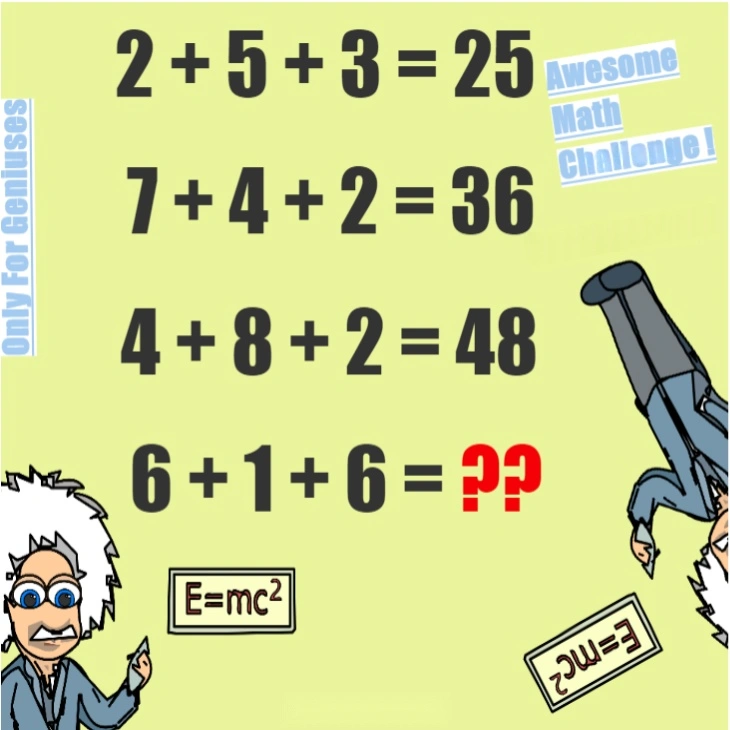
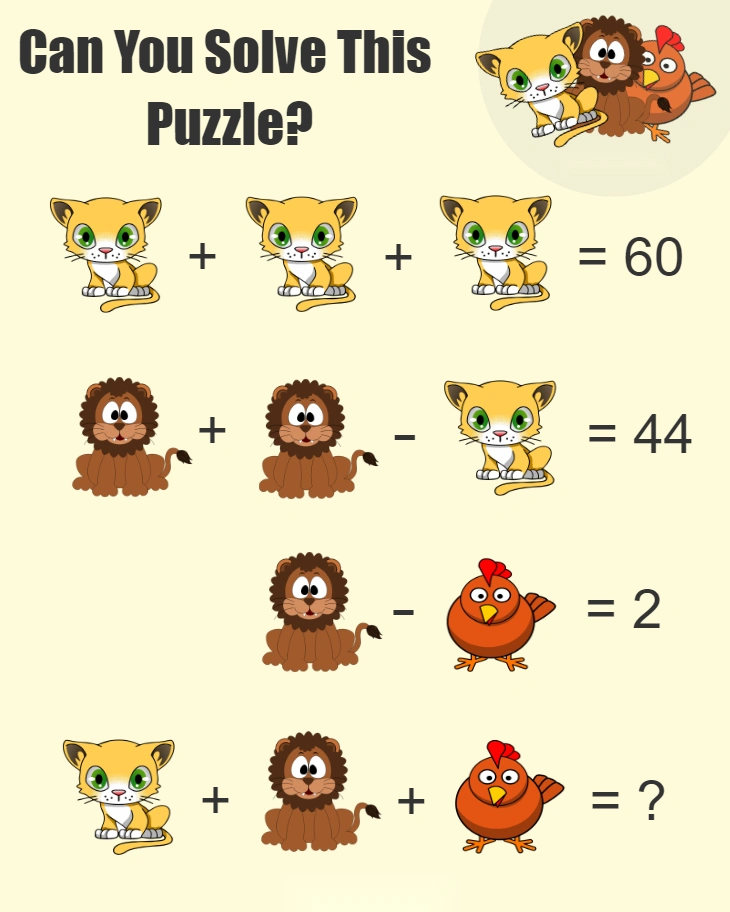
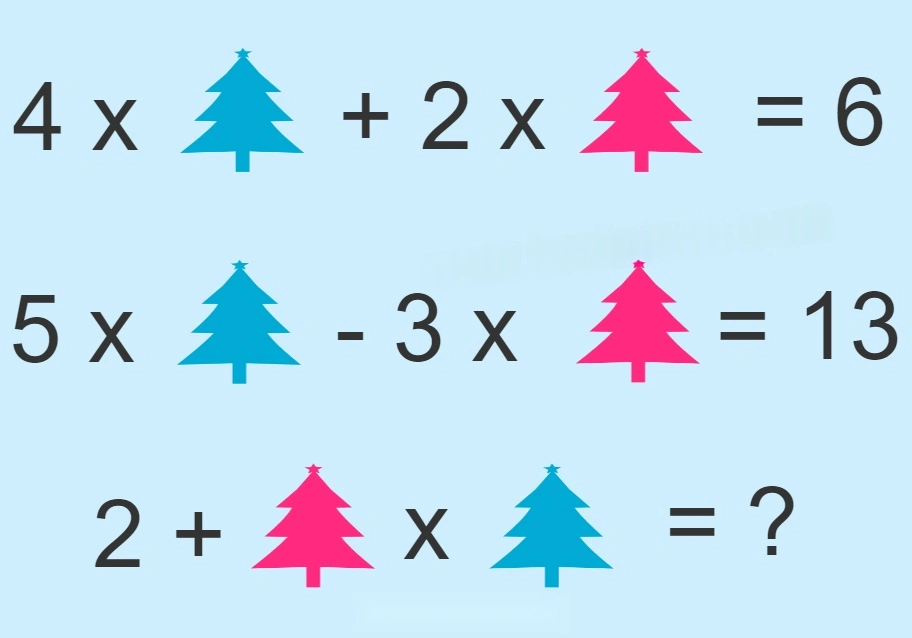
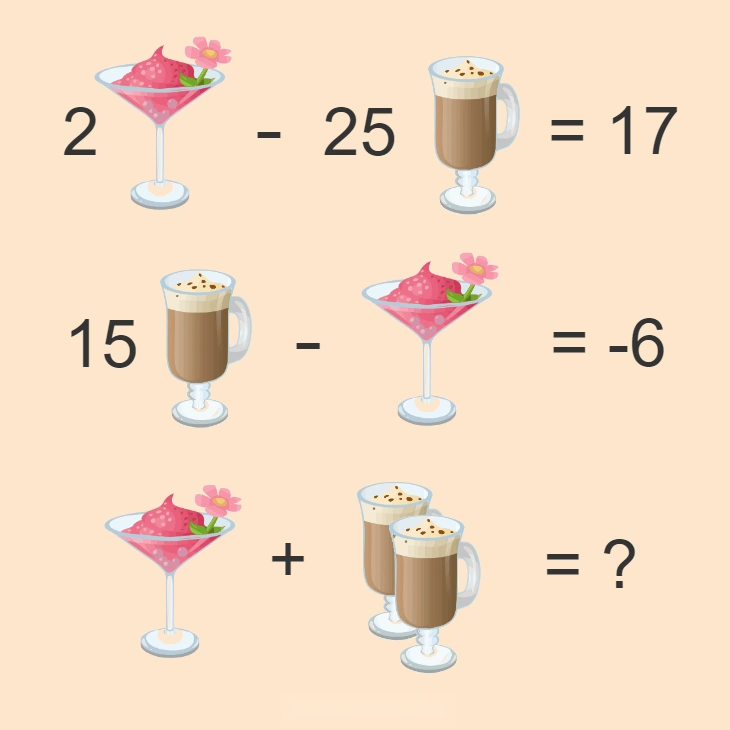

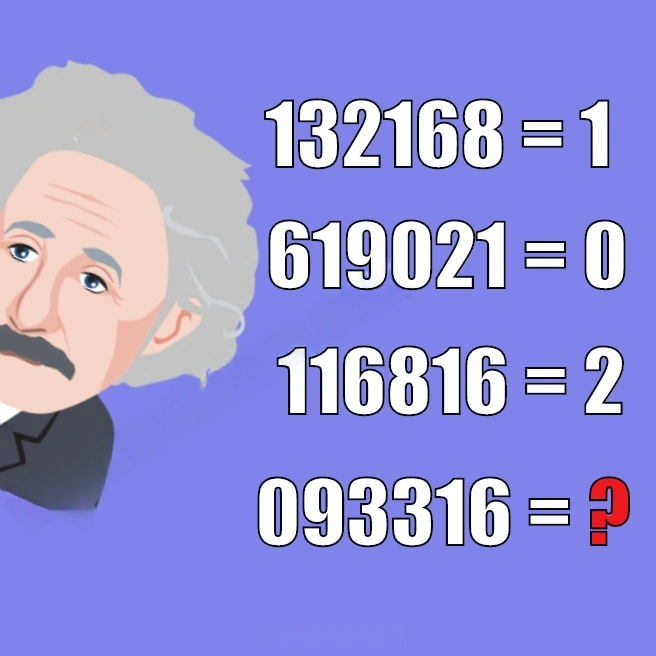
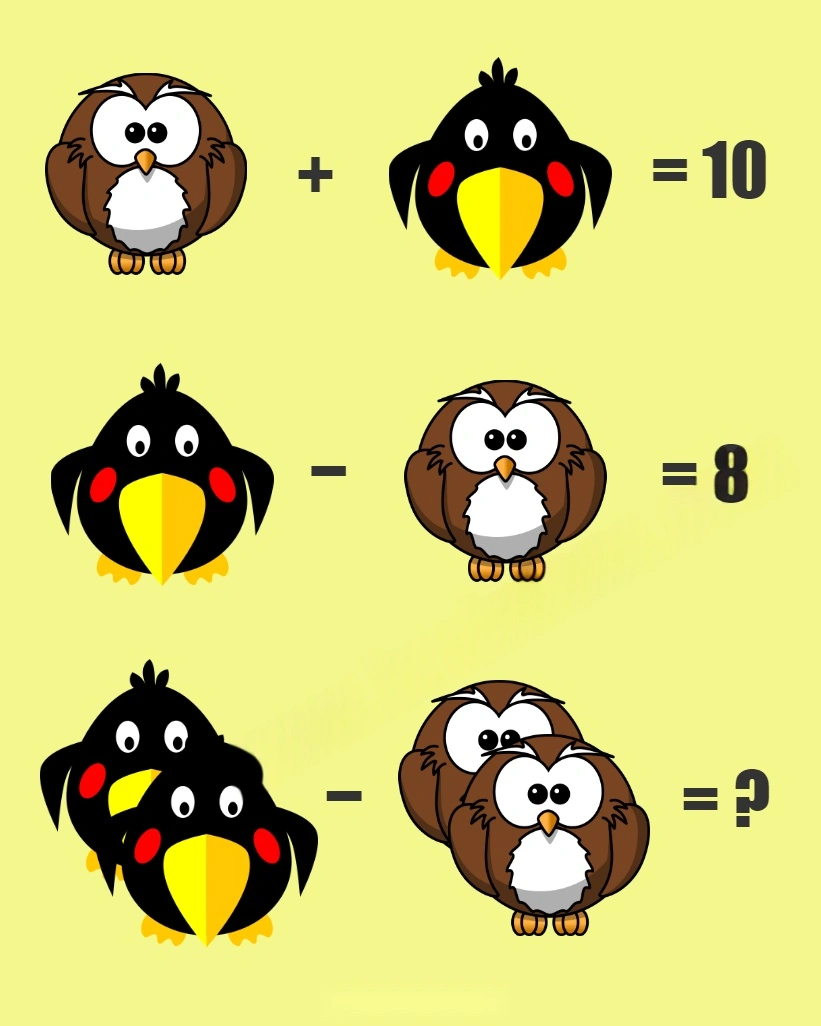
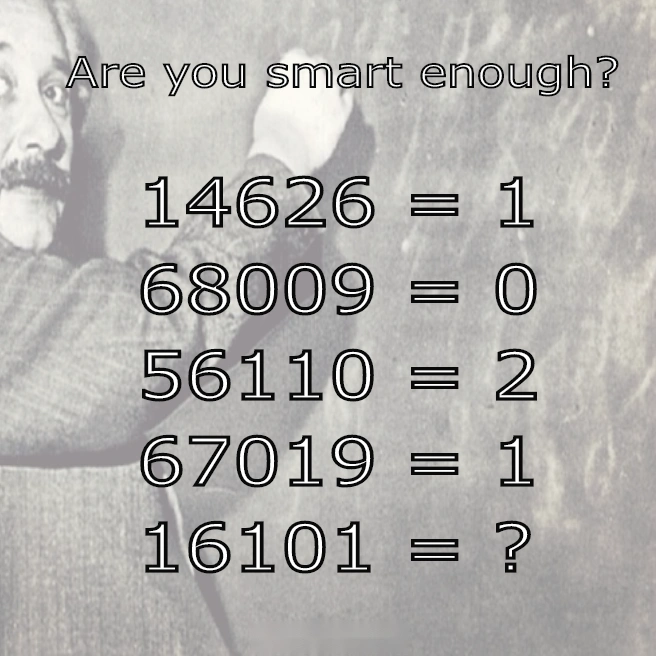
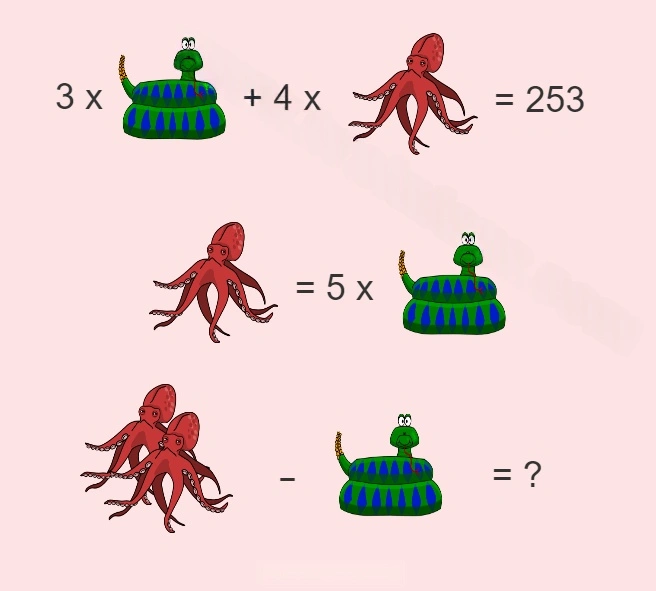
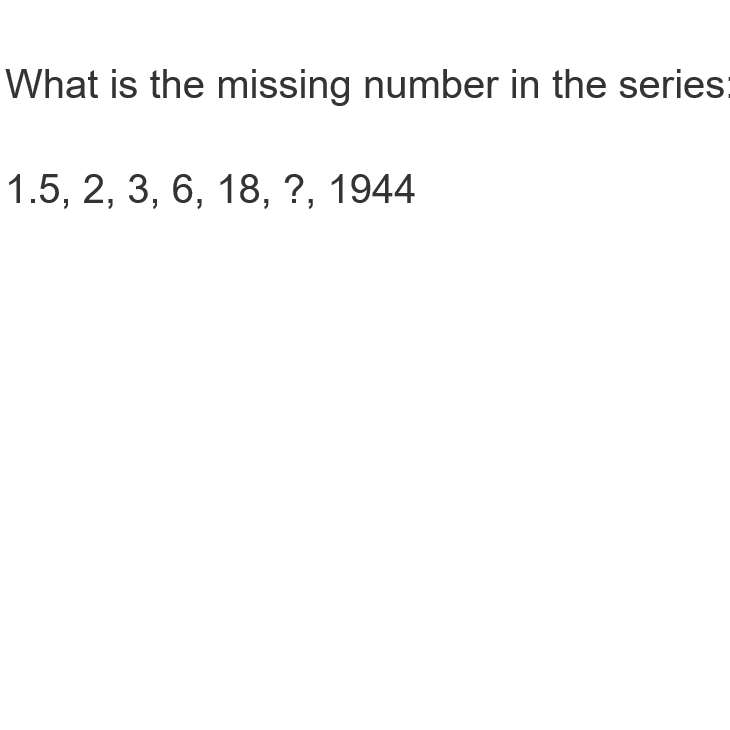
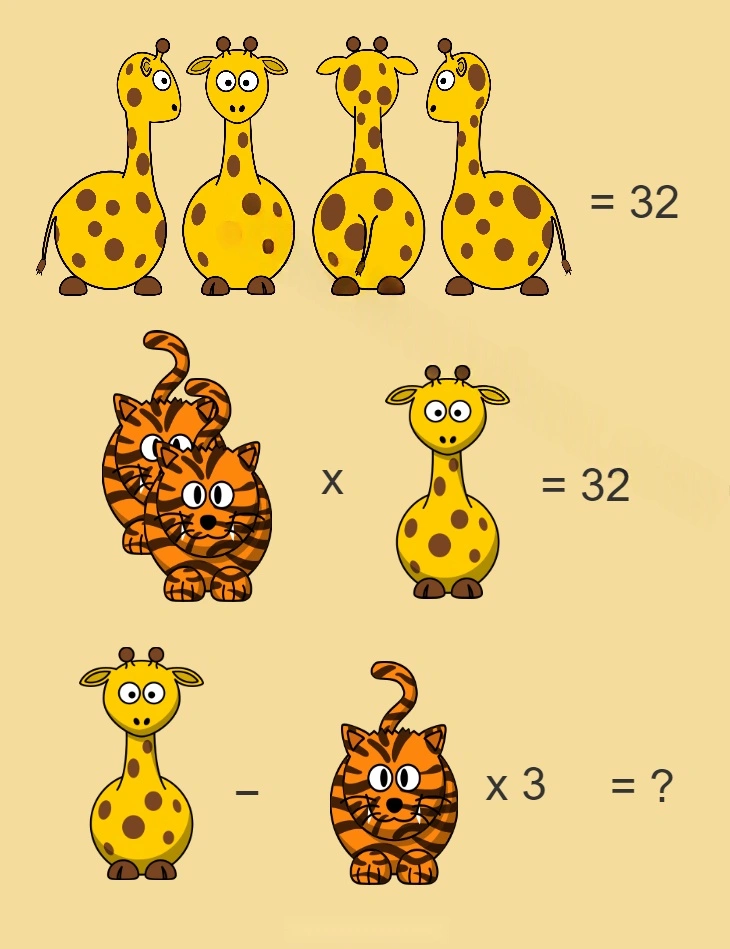
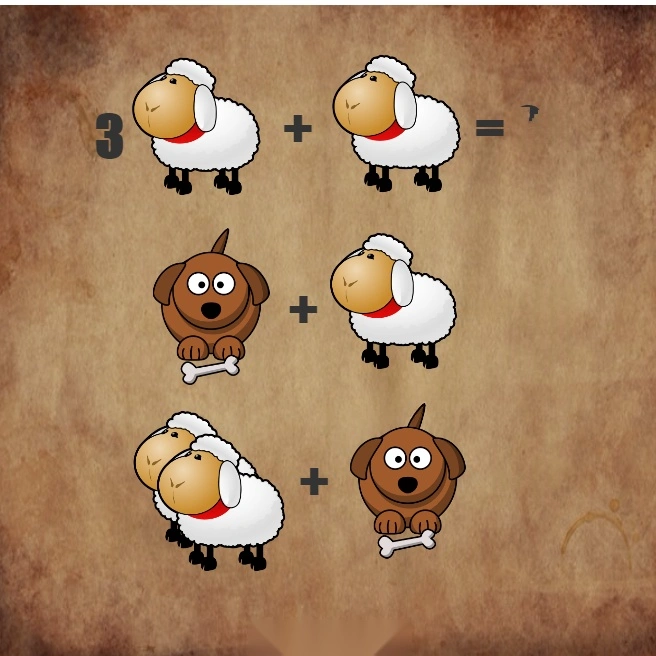
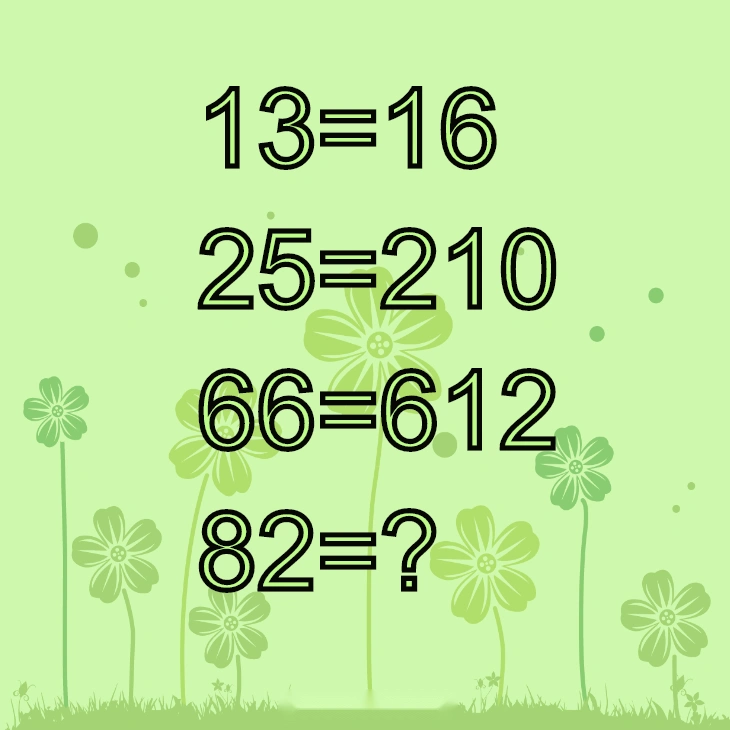
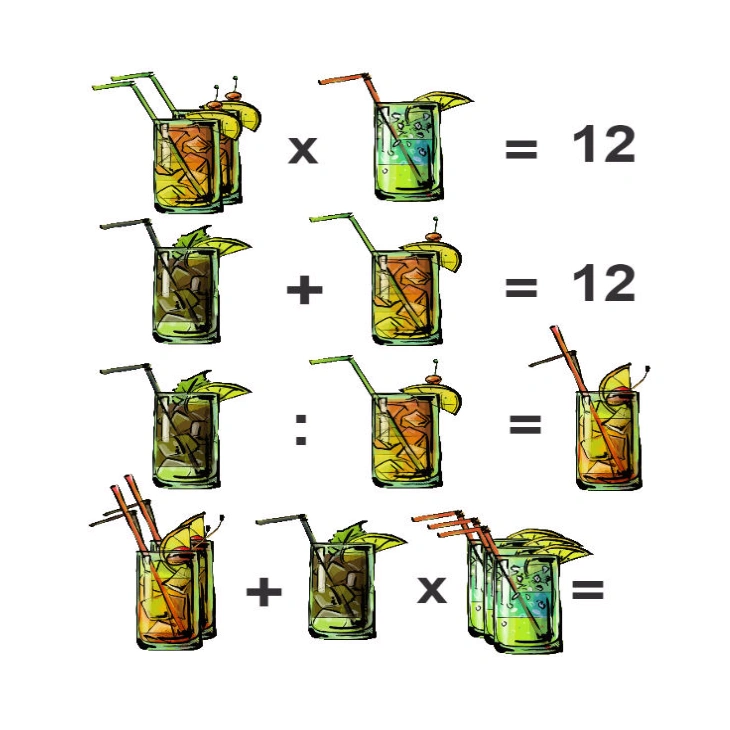
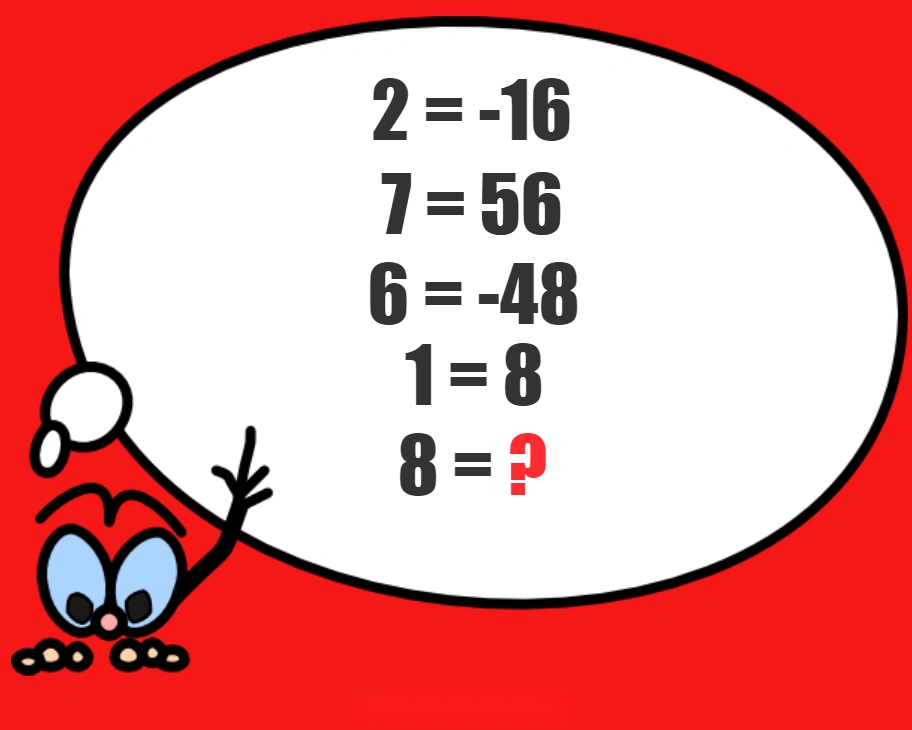
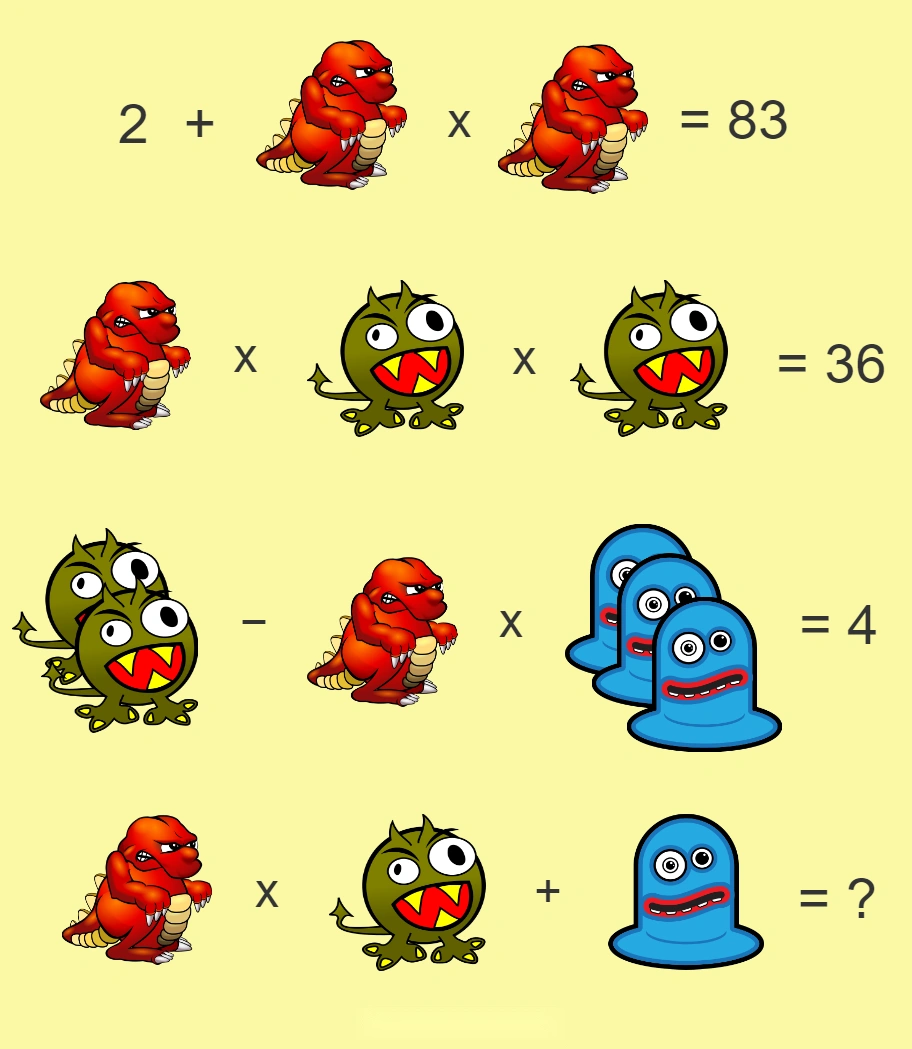
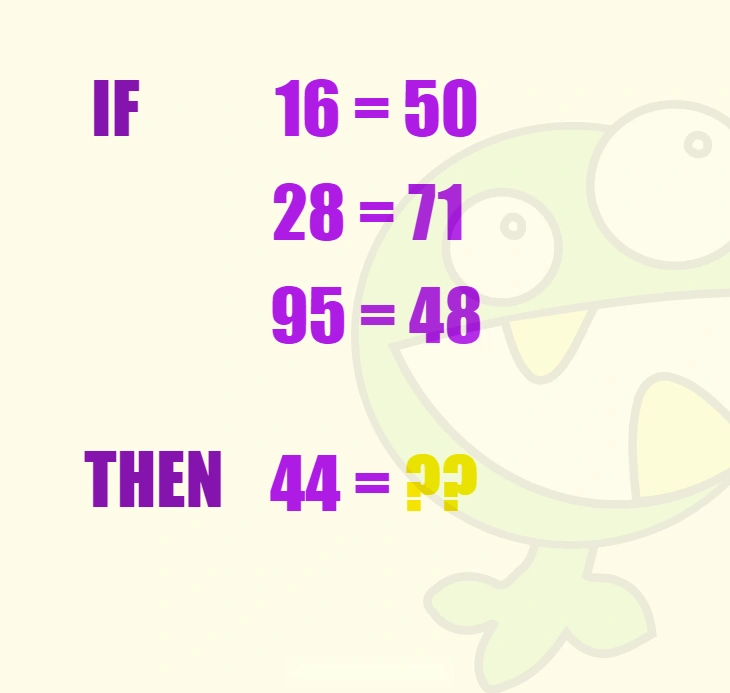
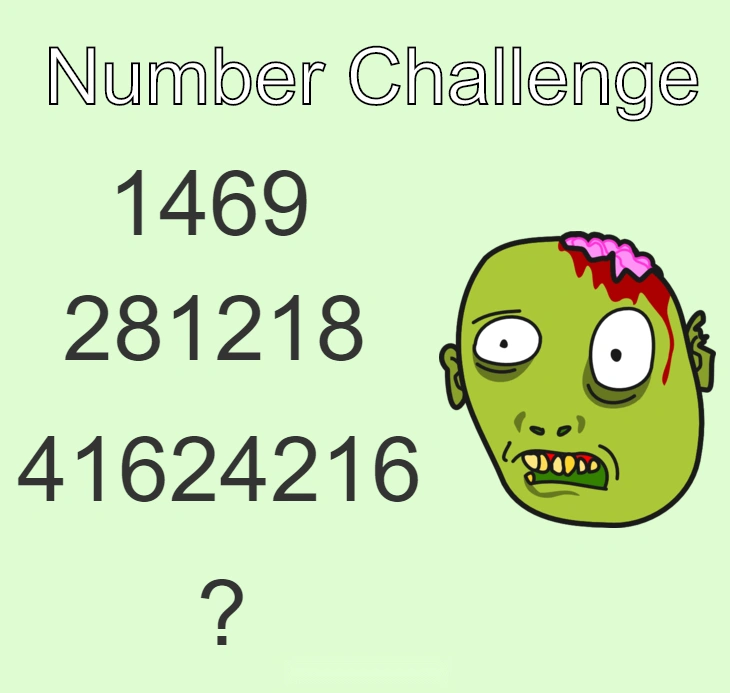
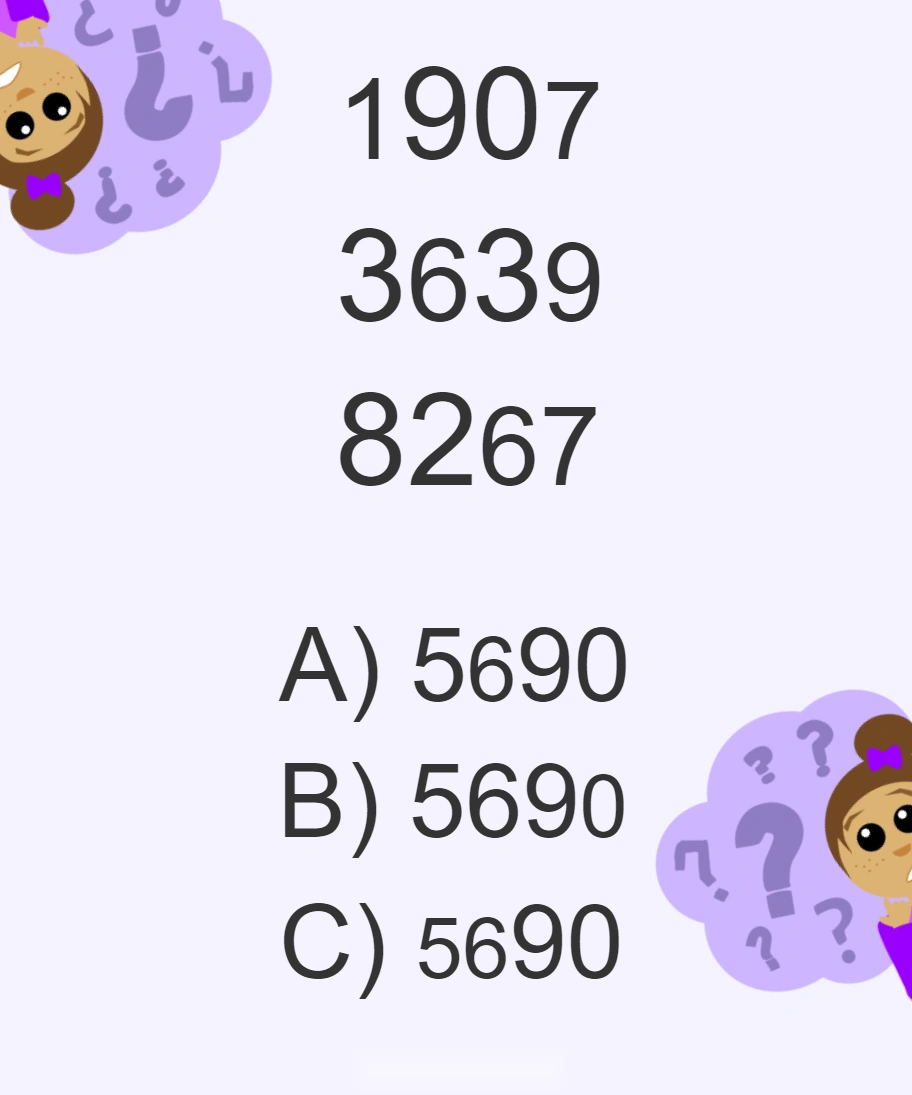
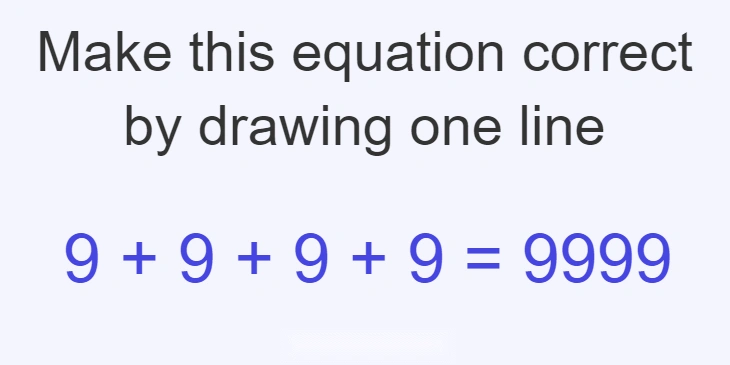
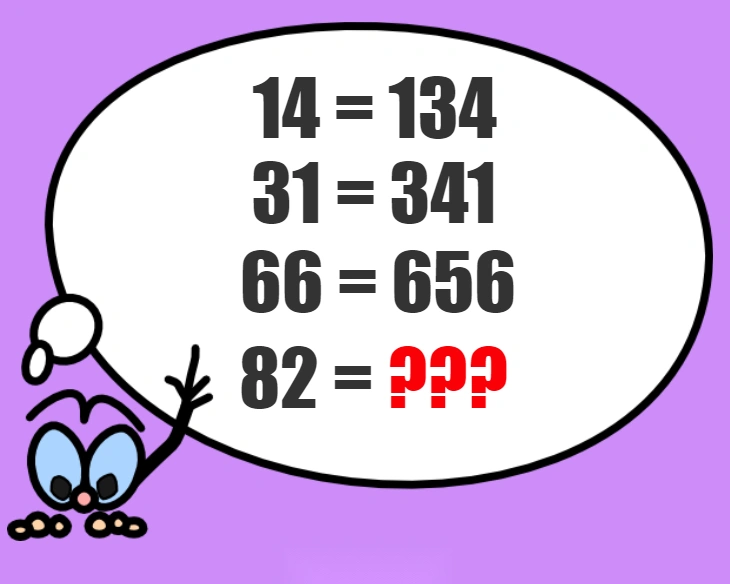
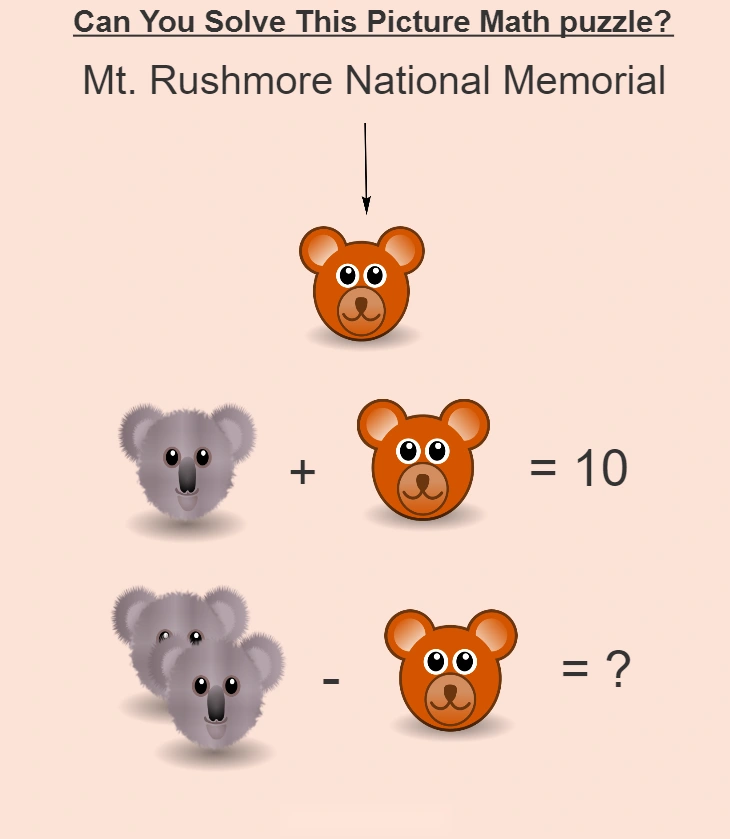

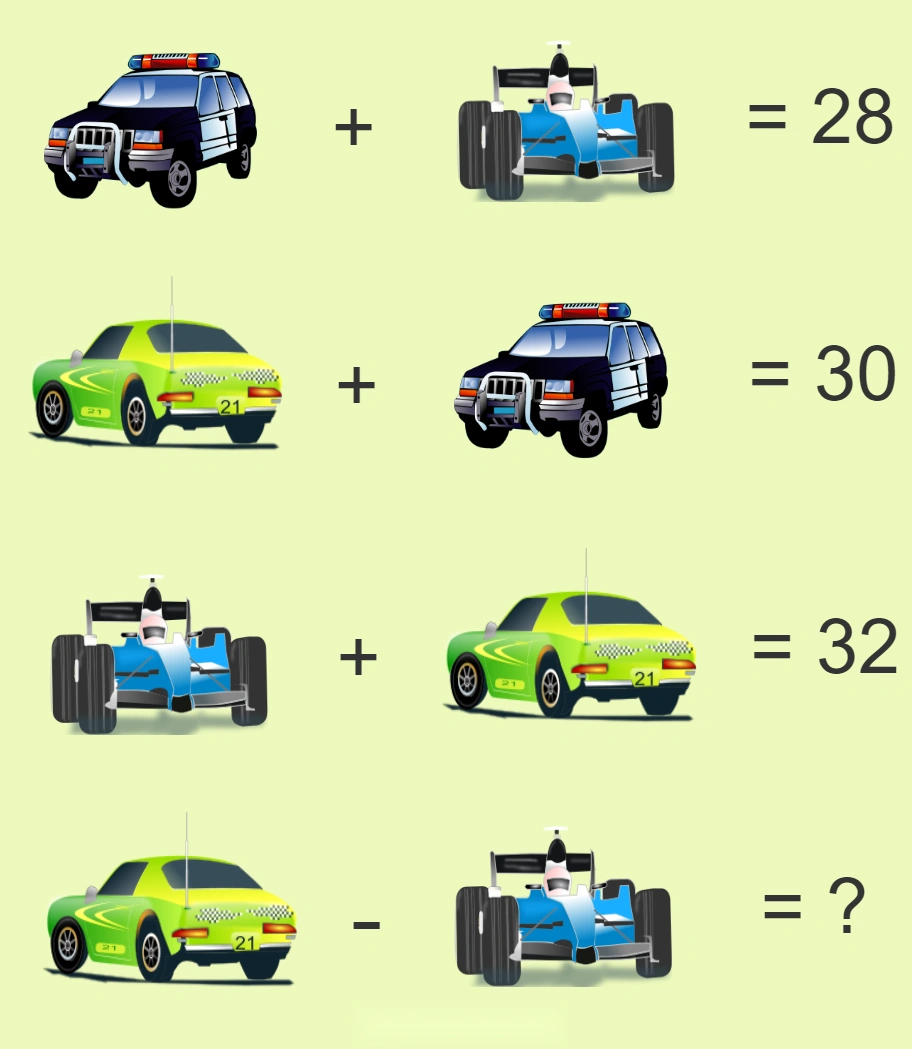
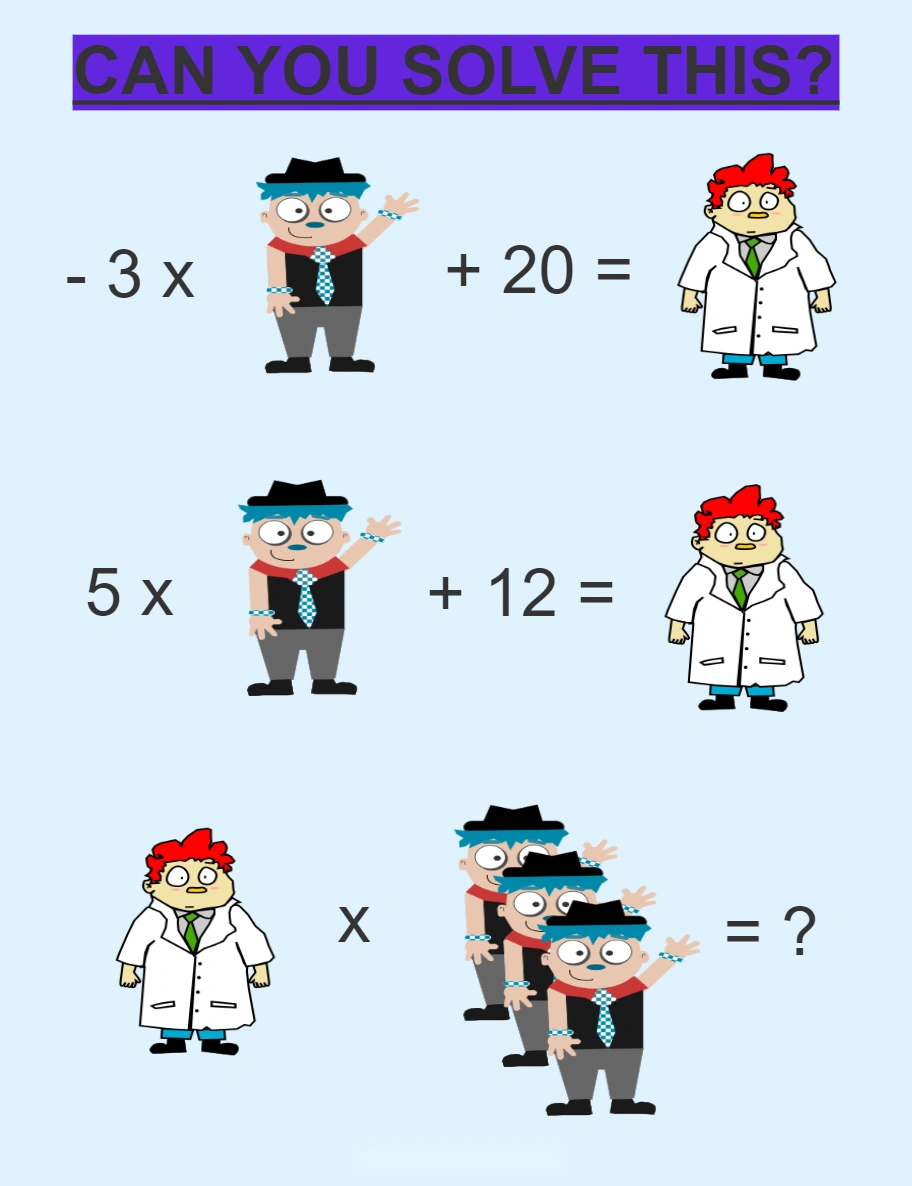
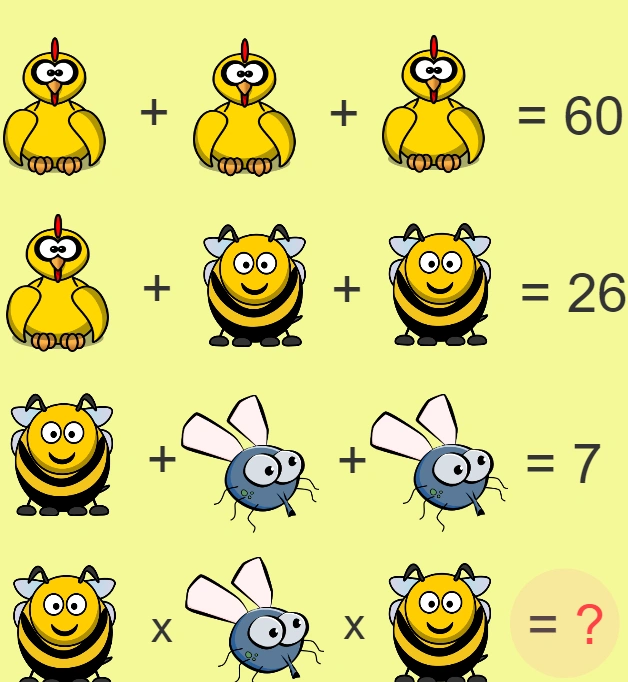
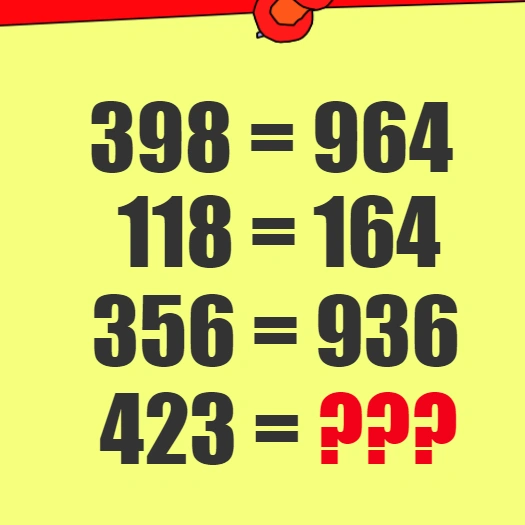
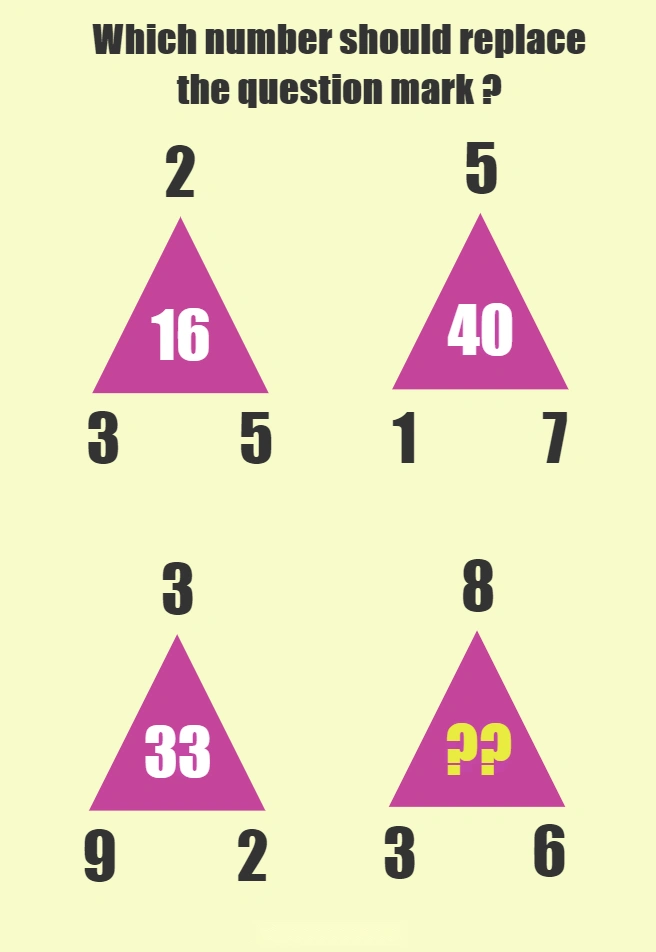
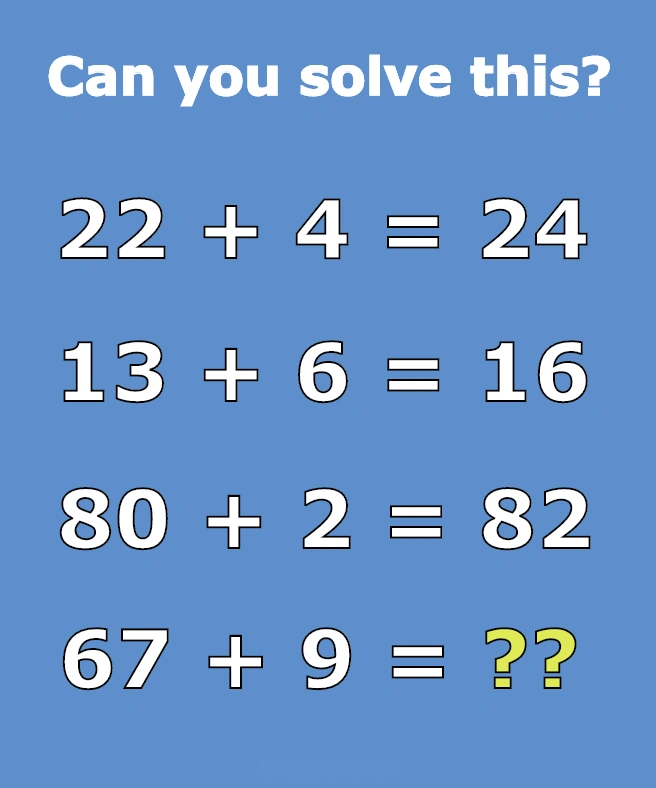
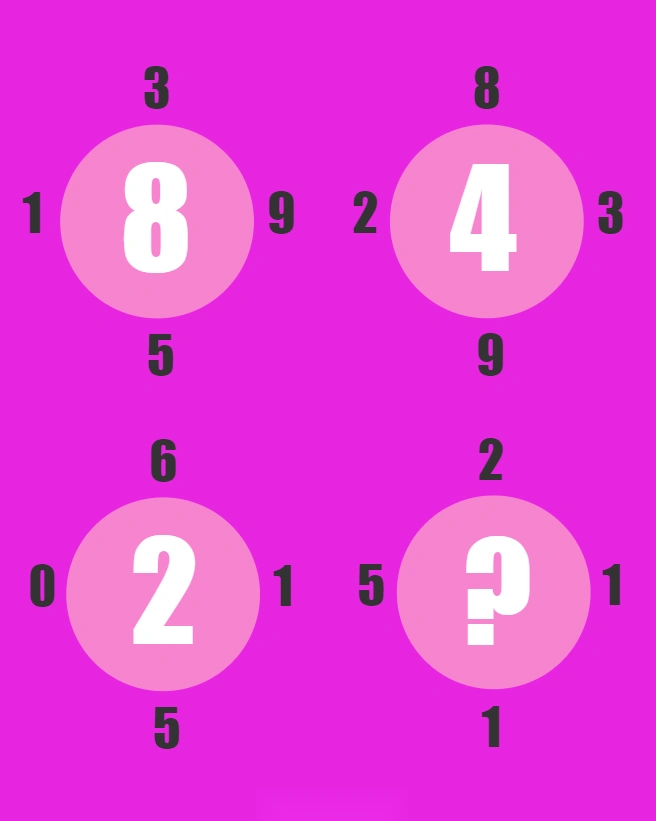
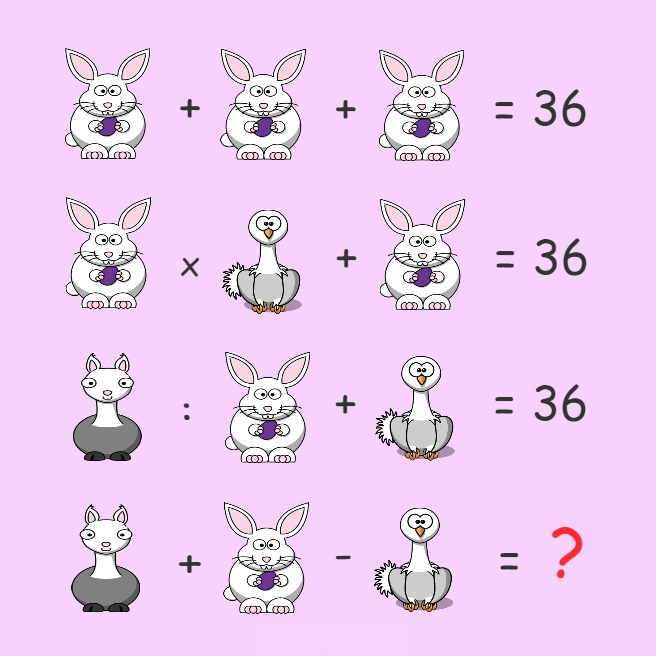
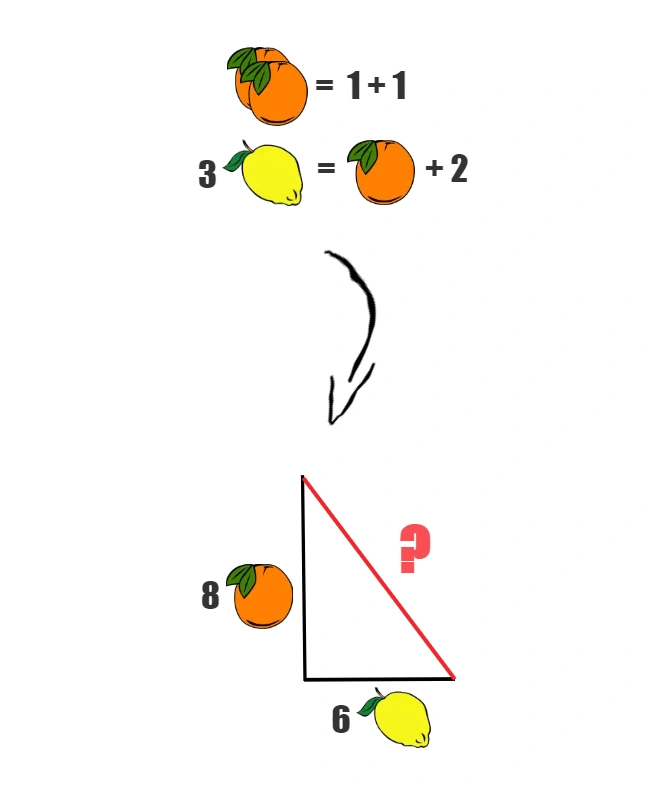
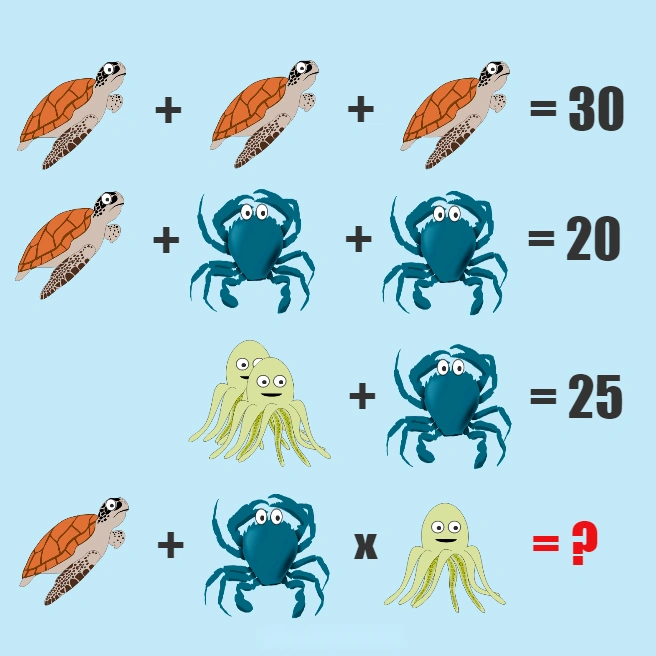
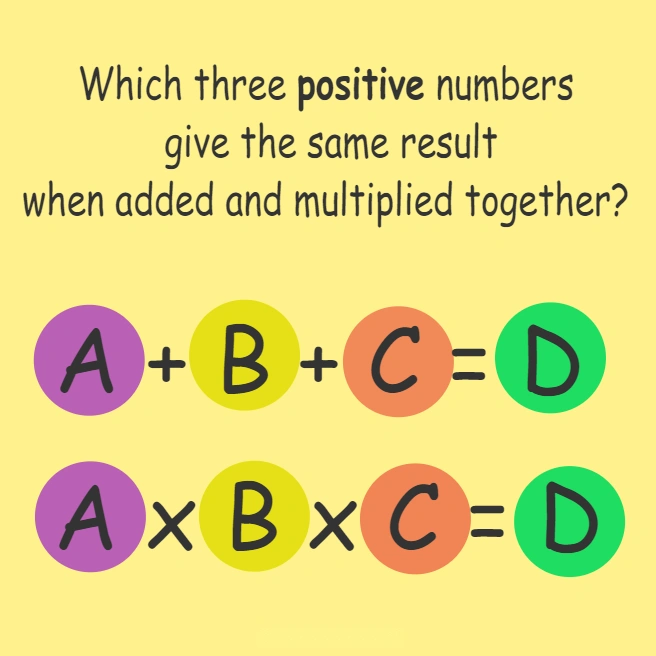
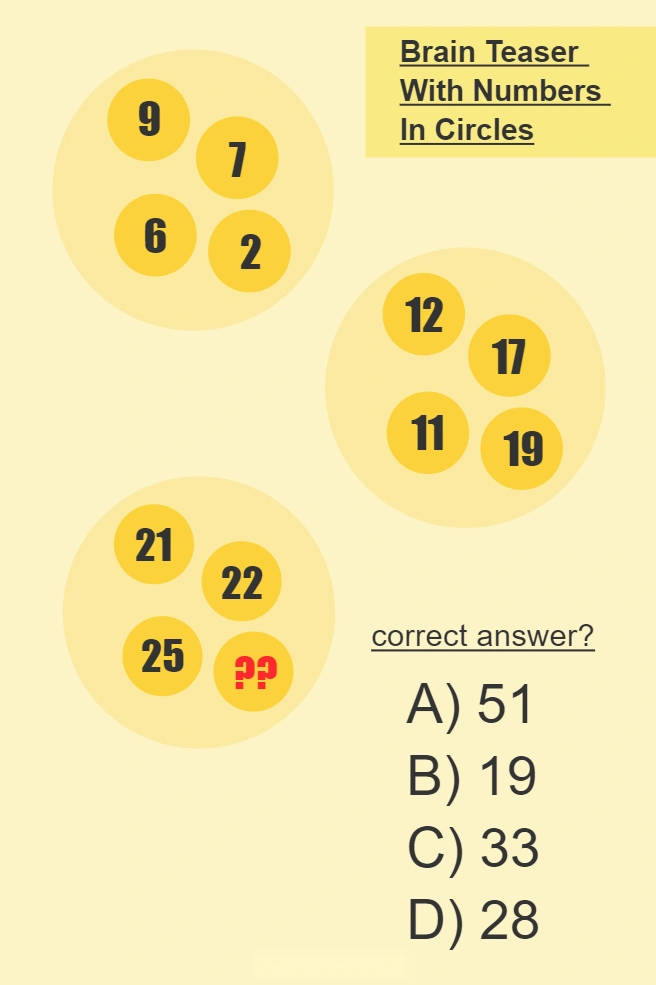
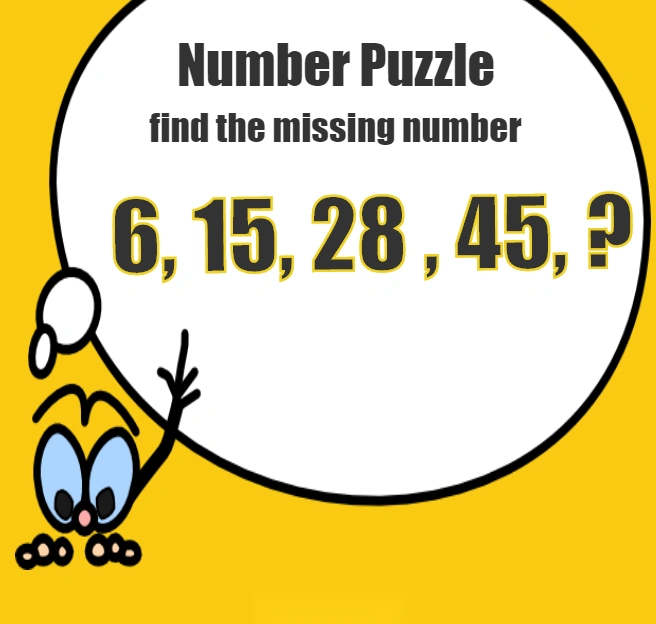
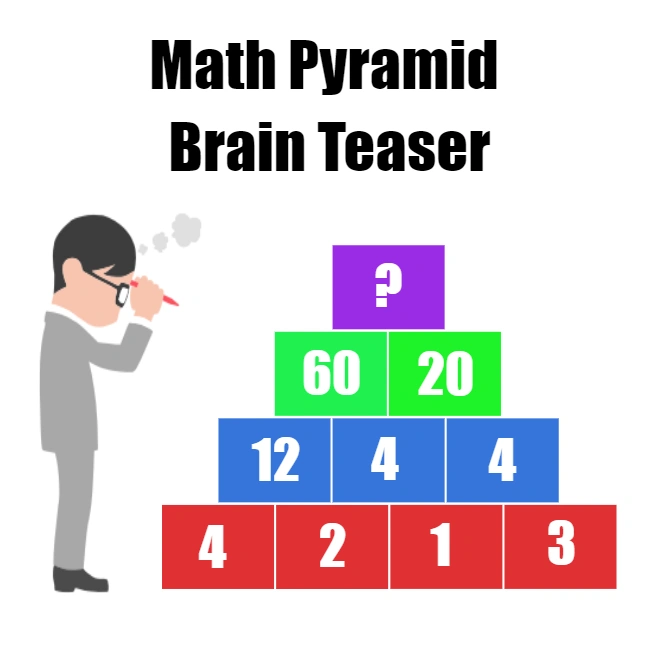
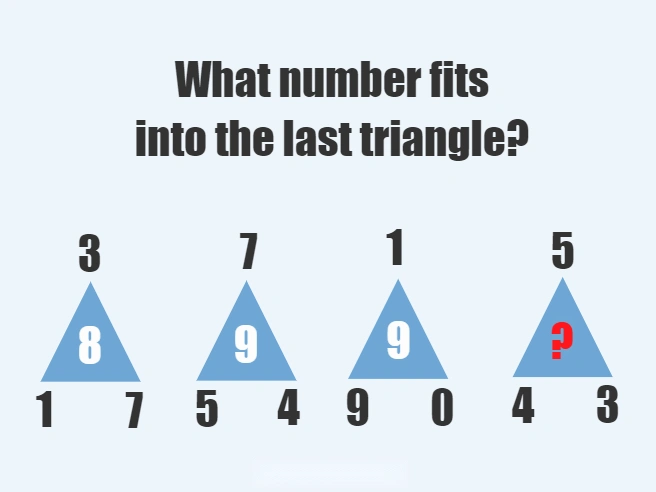
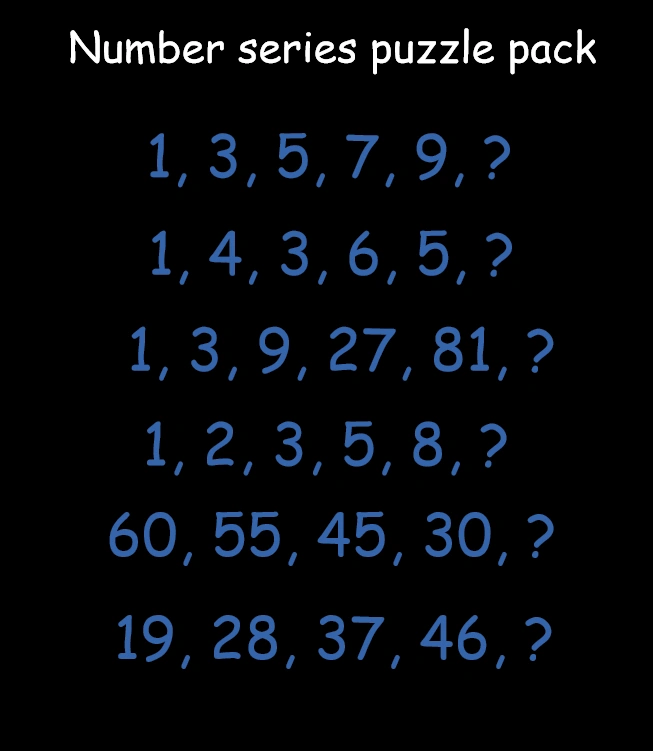
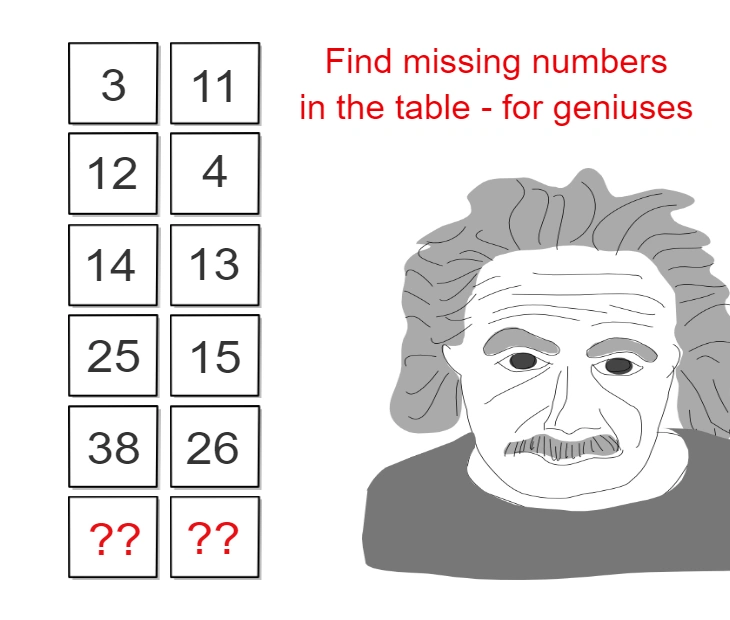
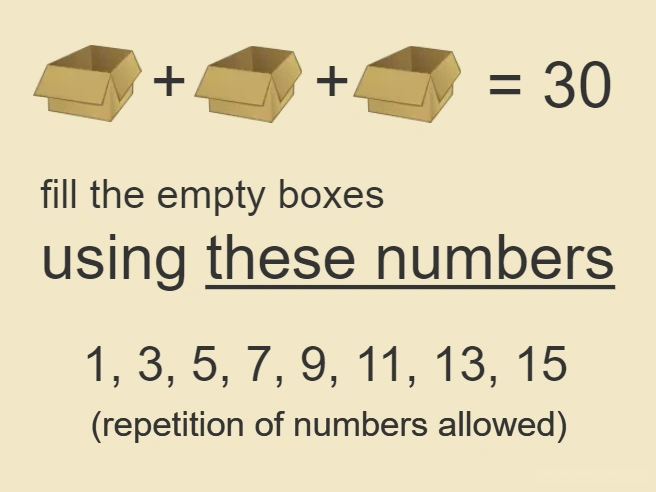
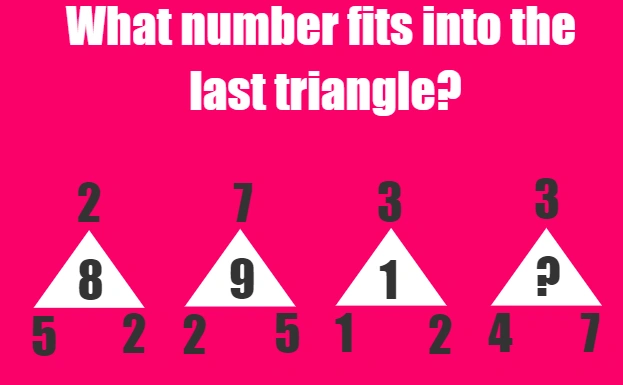
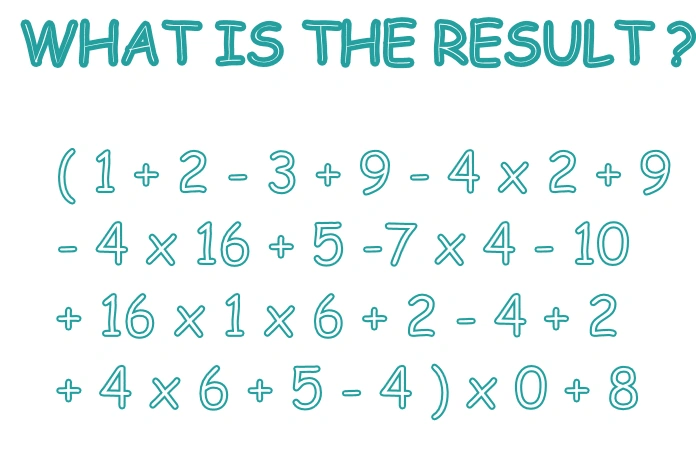
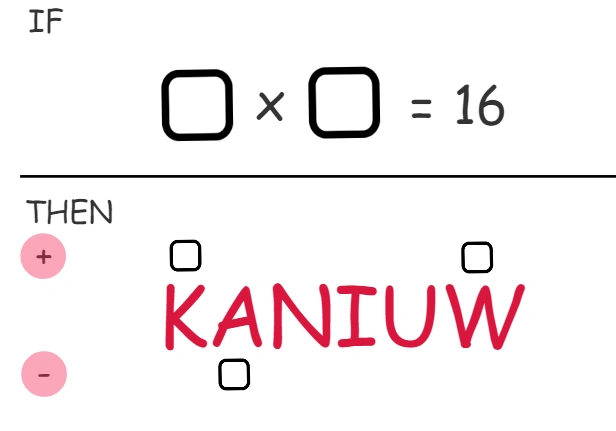
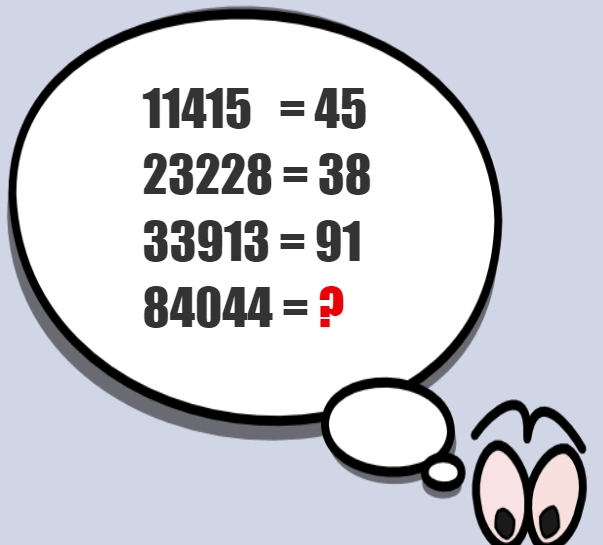

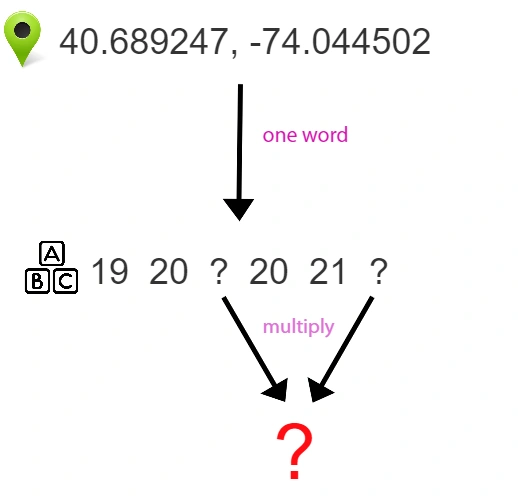
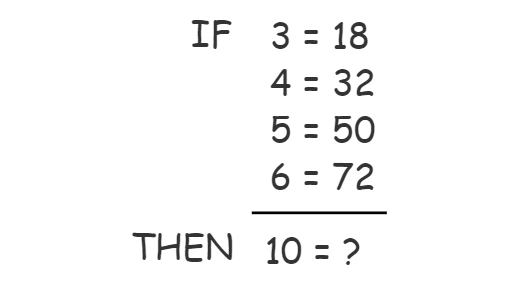
Start With the Rule, Not the Final Answer
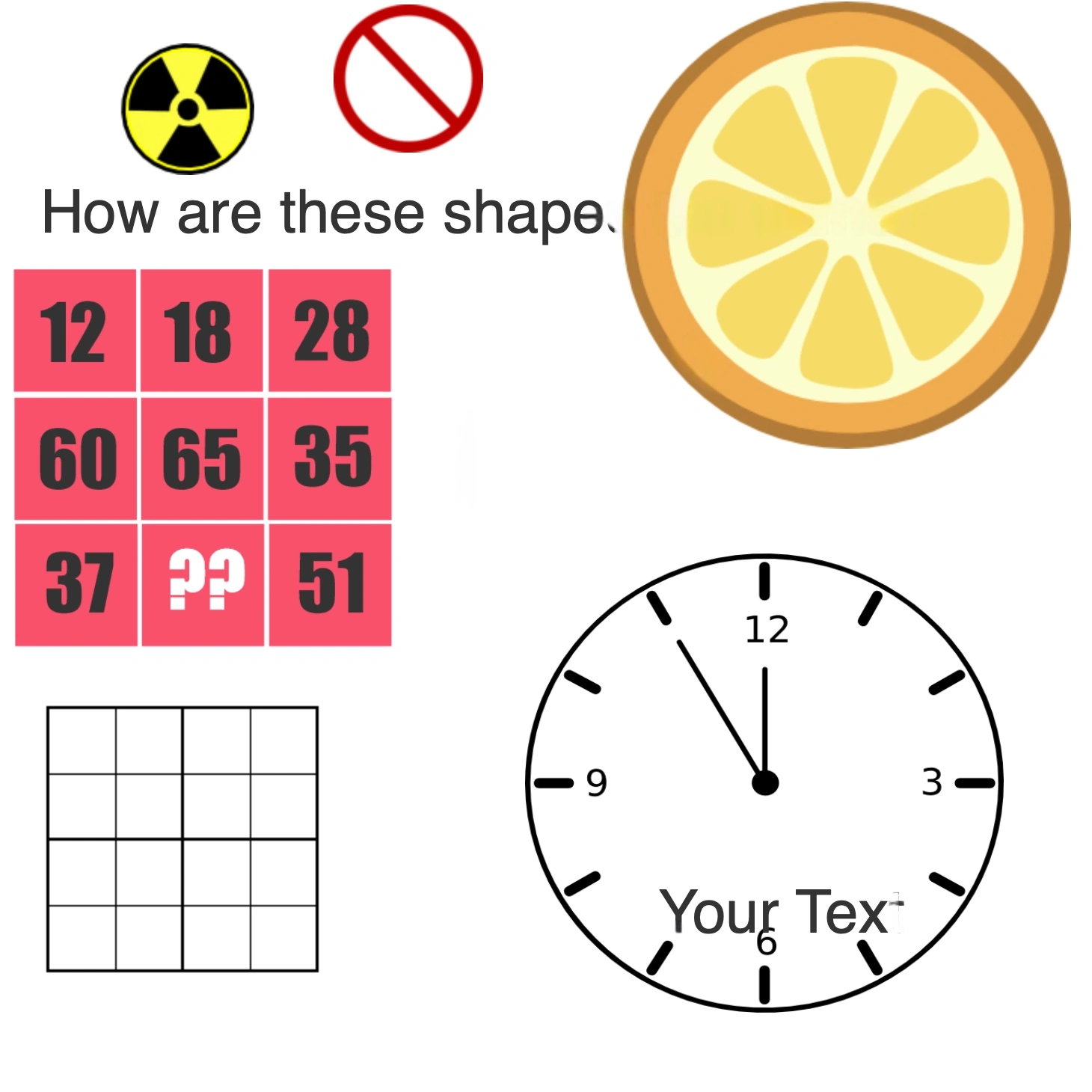
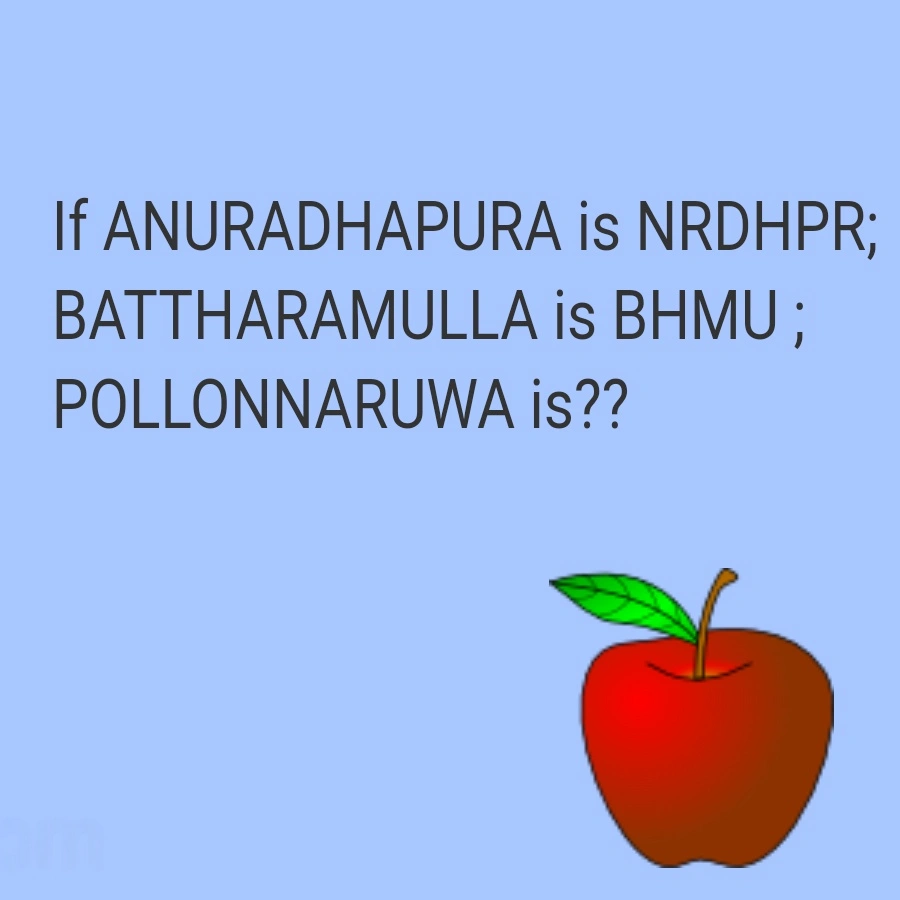
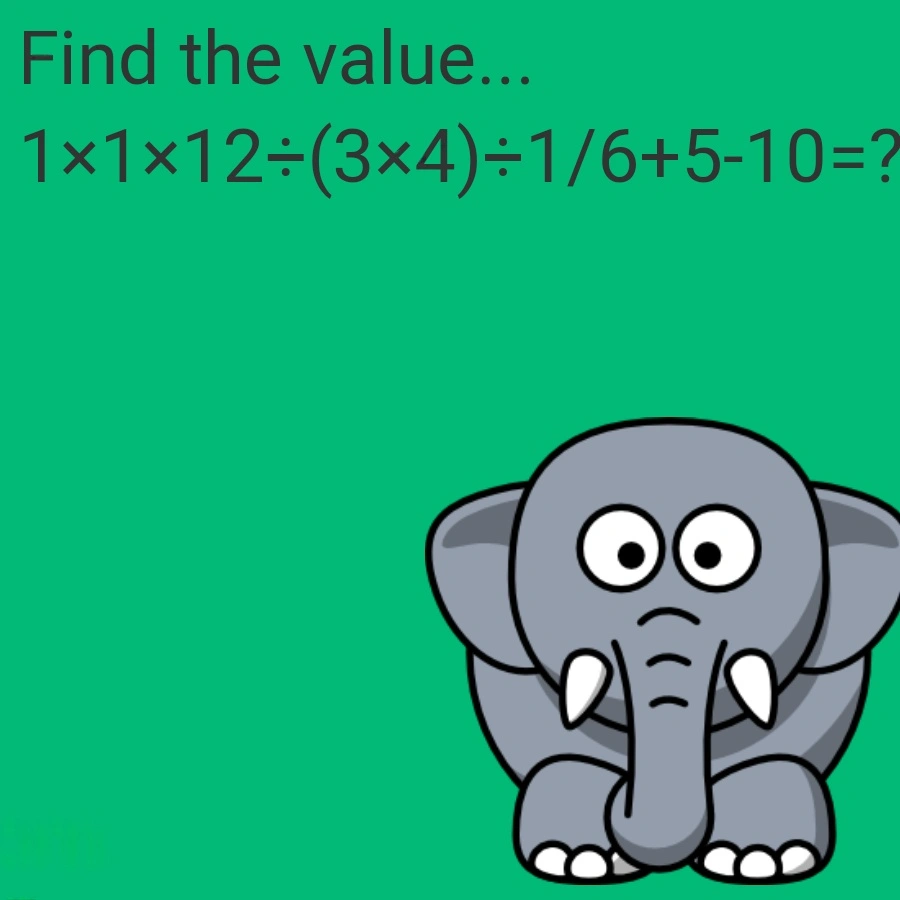
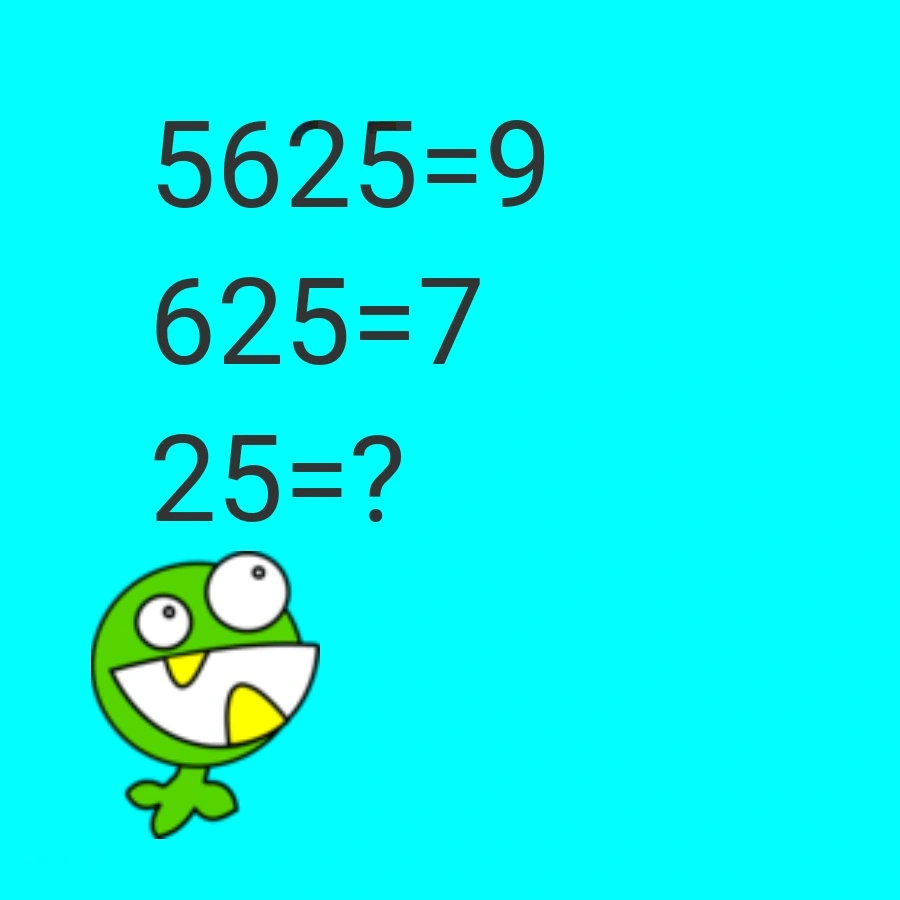
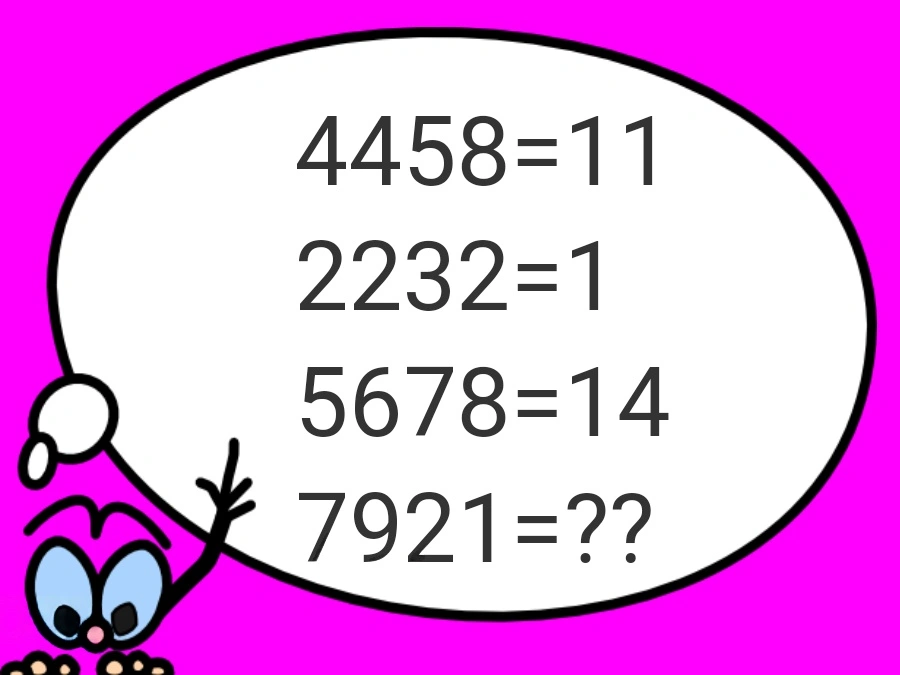
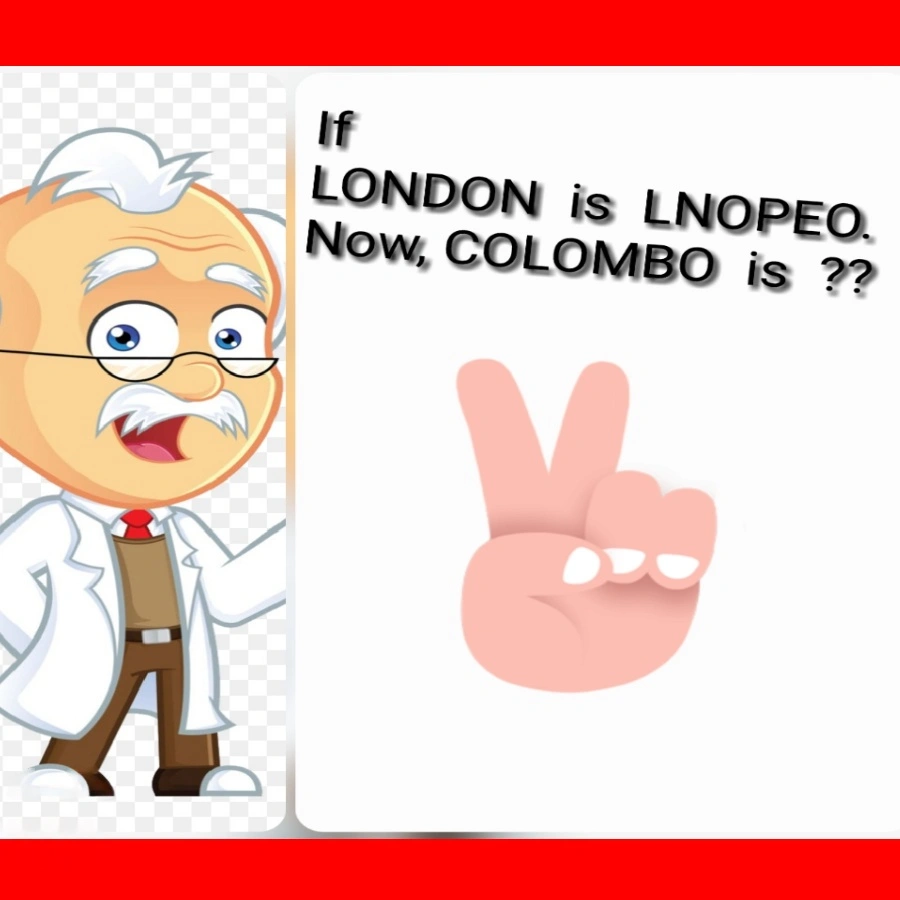
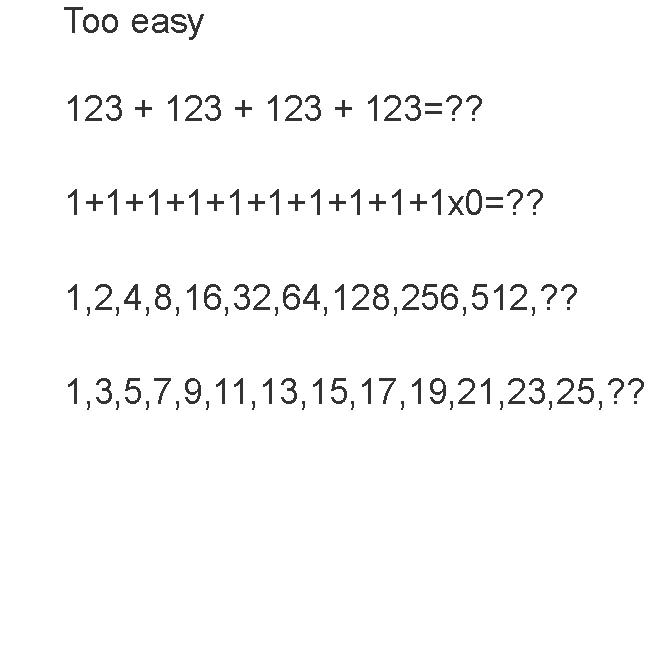
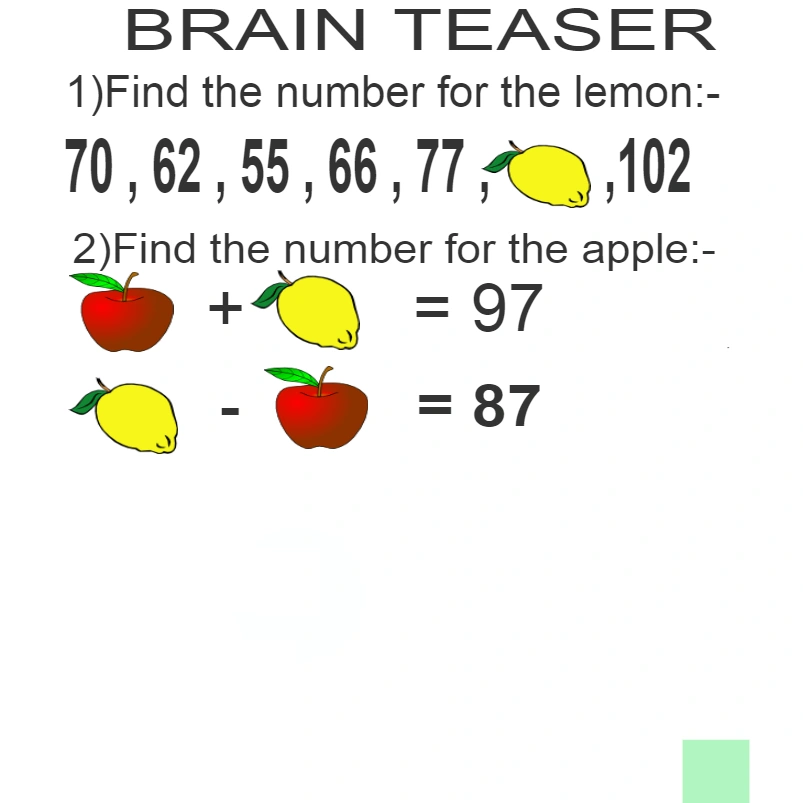
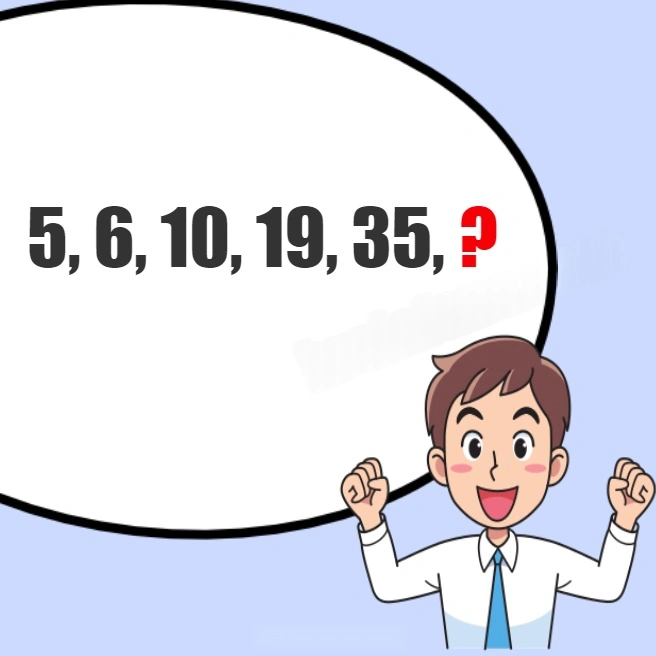
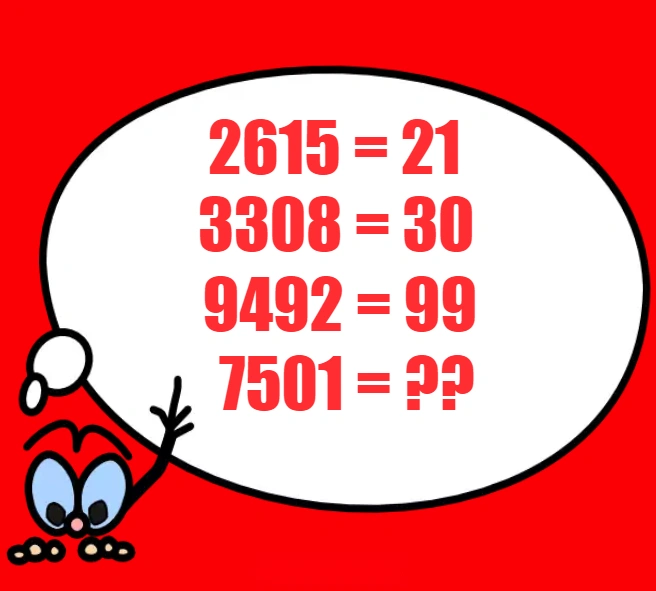
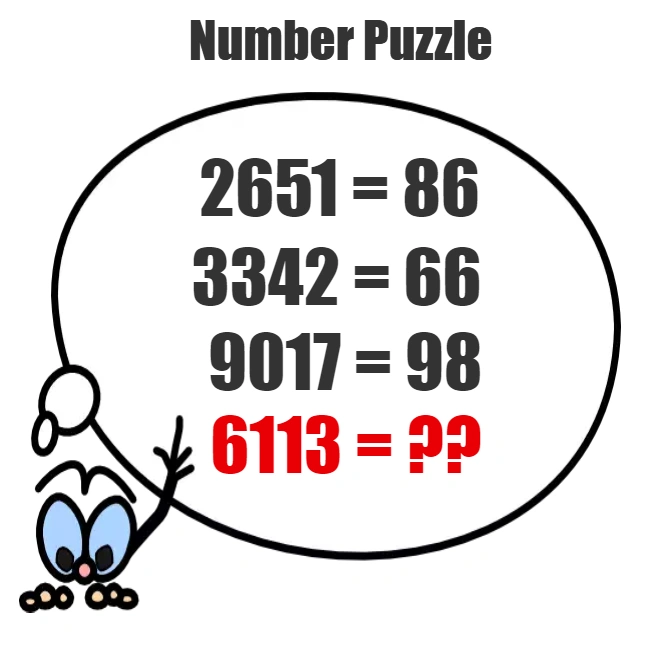
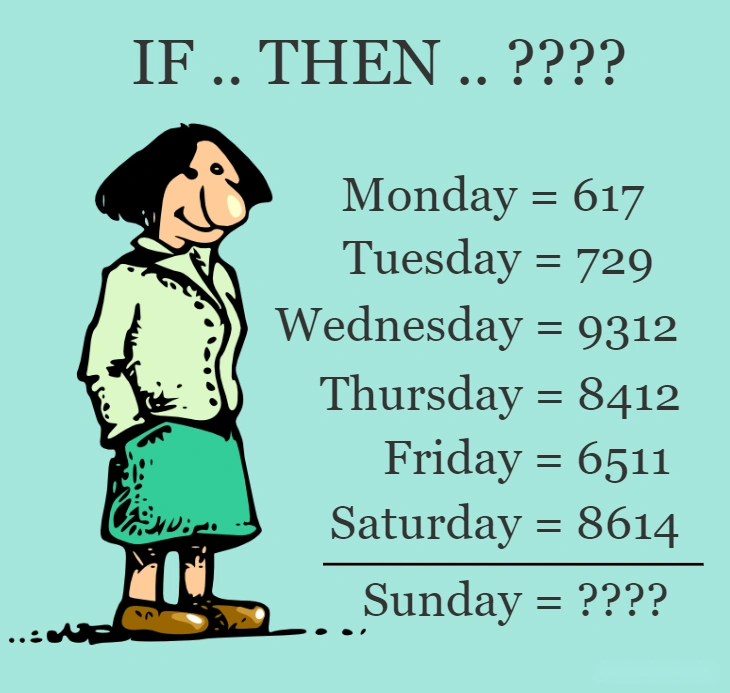
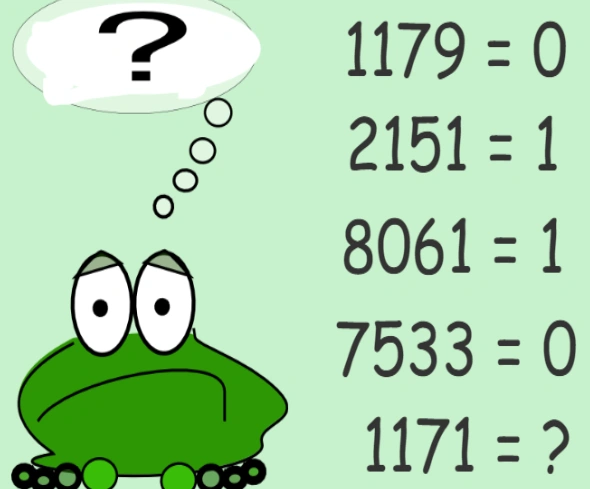
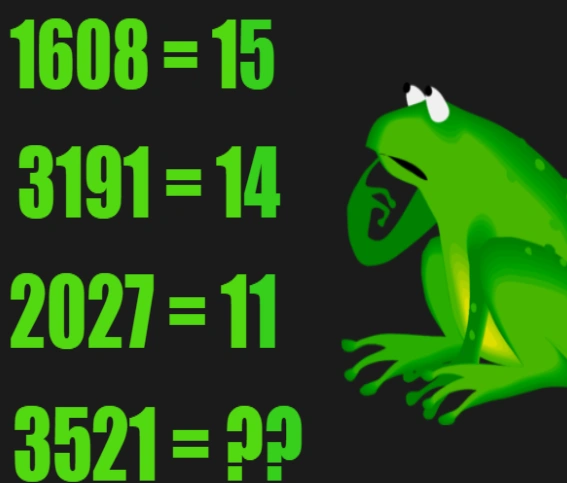
Number Math Puzzles are different from general math puzzle games. This page is focused mainly on number rules, missing values, hidden equations, pattern cards, and picture-based values. The answer is not always found by using normal addition or subtraction.
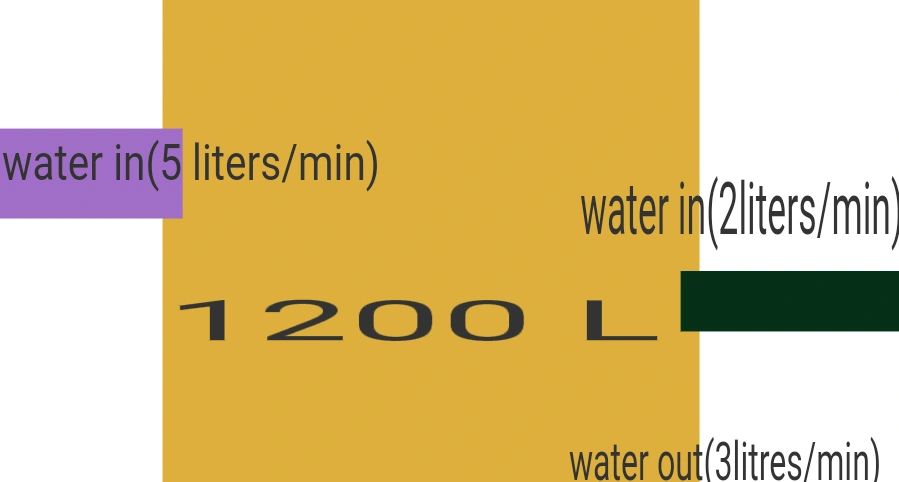
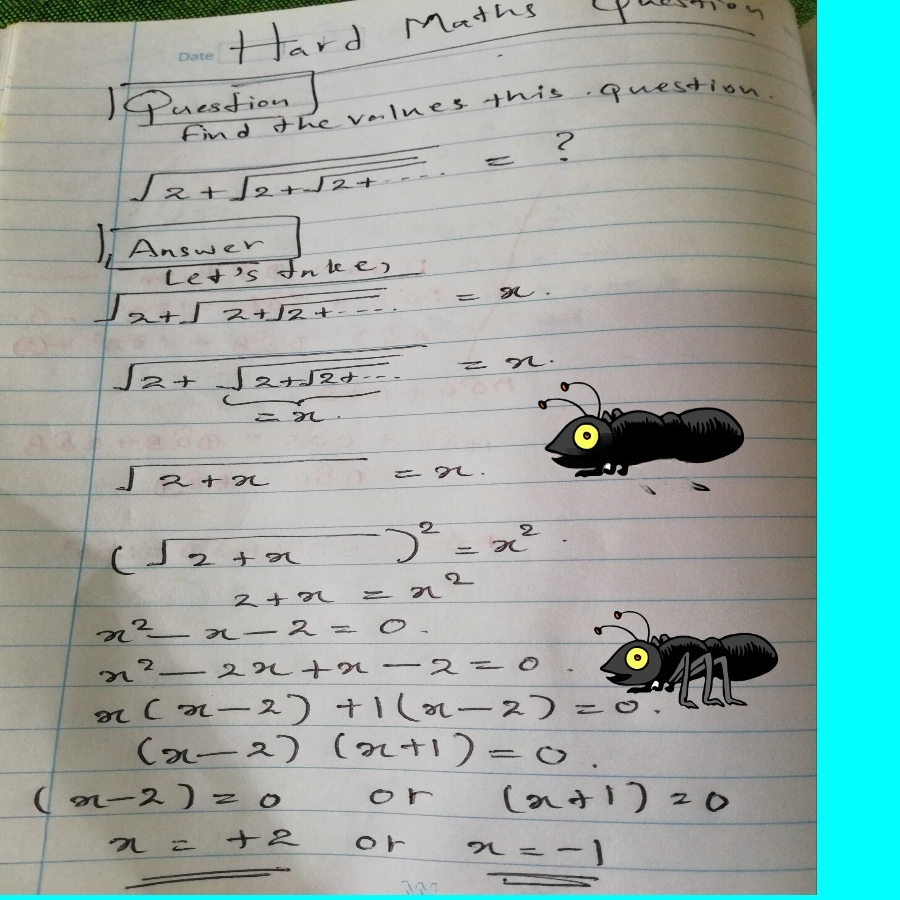
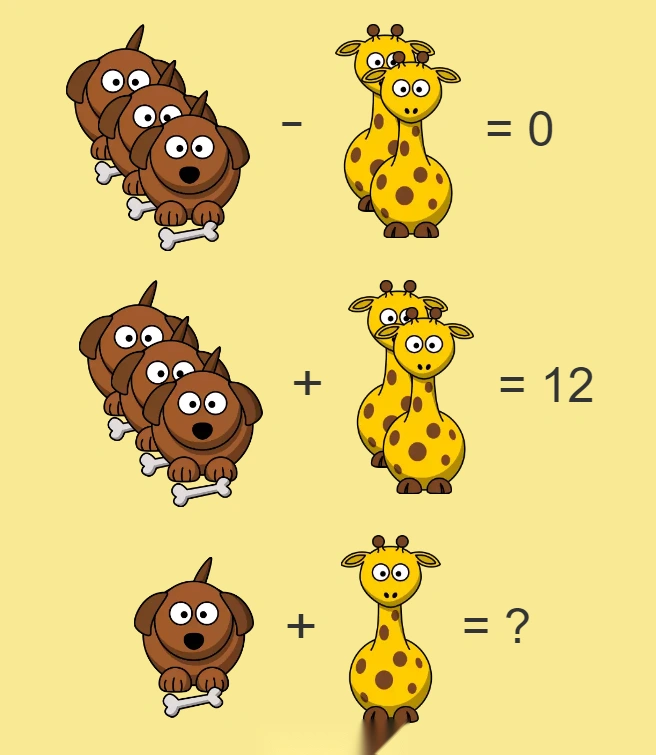
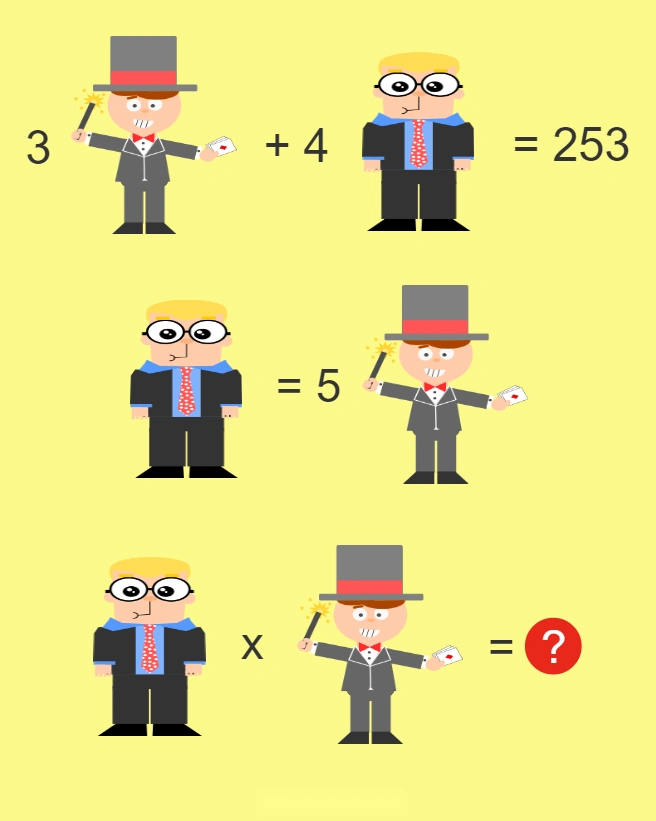
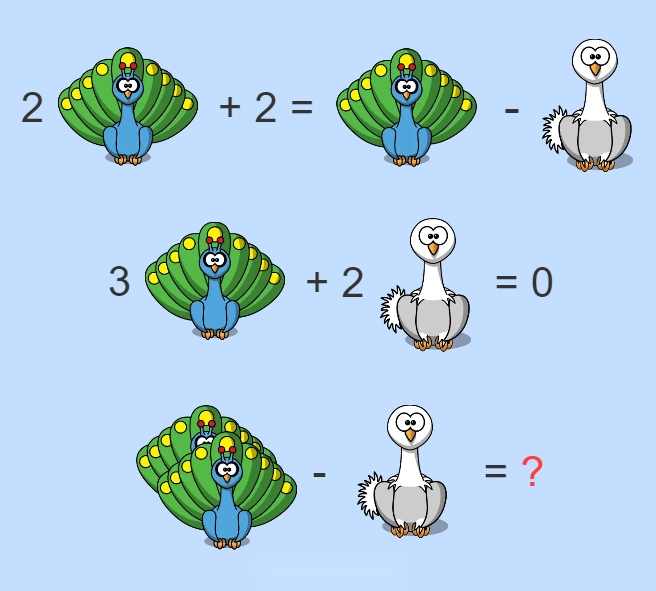
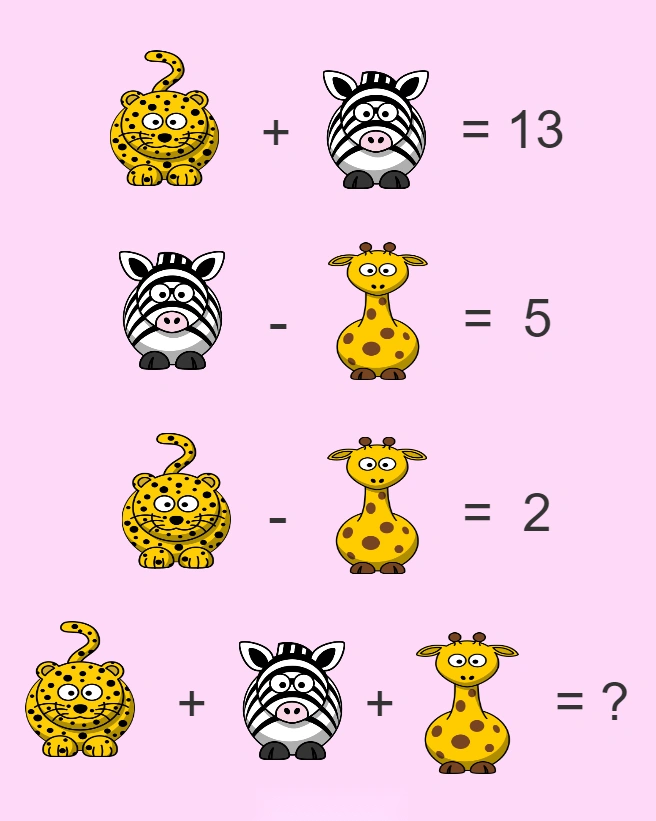
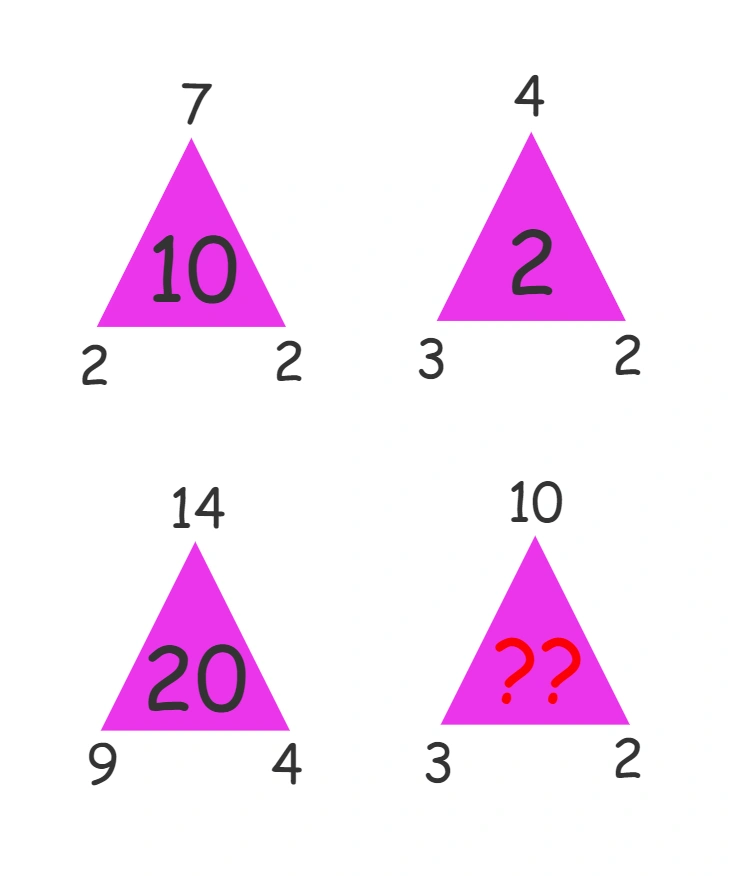
Some cards may show equations where the result looks unusual. Others may use animals, symbols, cones, squares, triangles, or number rows. The goal is not only to calculate quickly. The goal is to understand the rule behind the puzzle.
That is why these number math puzzles are useful for students and adults. They train you to compare examples, test possible patterns, and confirm the answer instead of guessing.
How Hidden Number Rules Usually Work
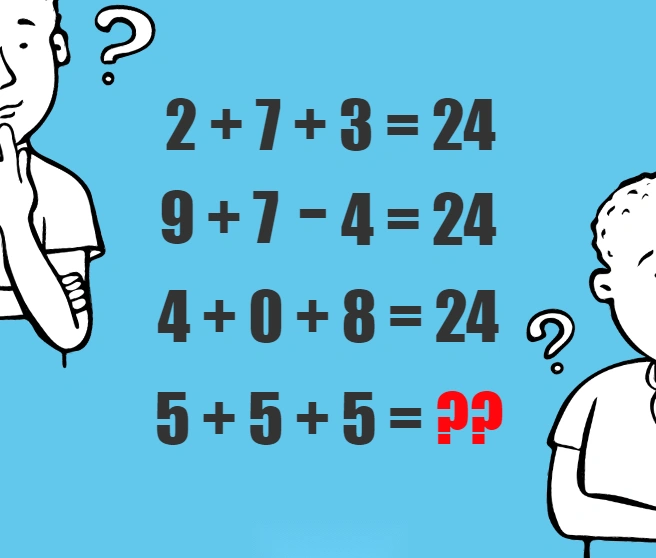
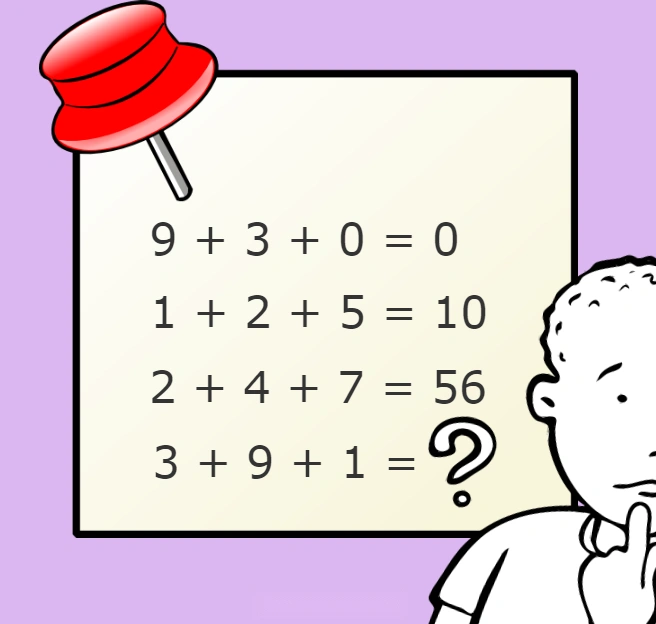
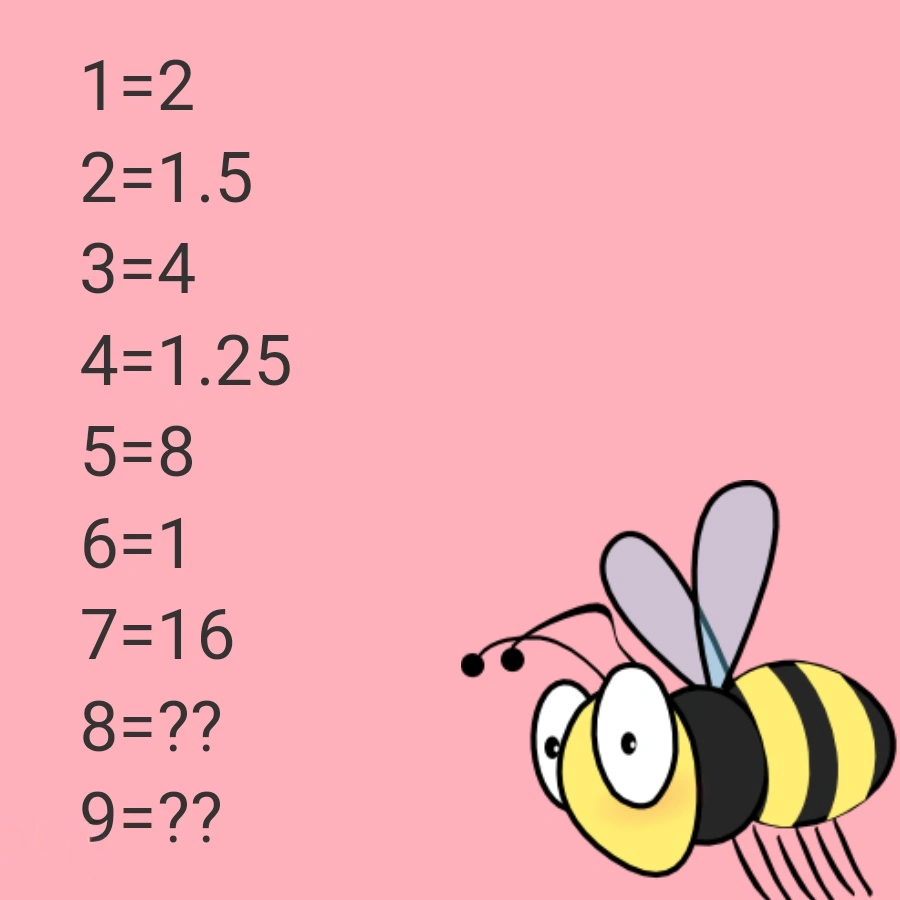
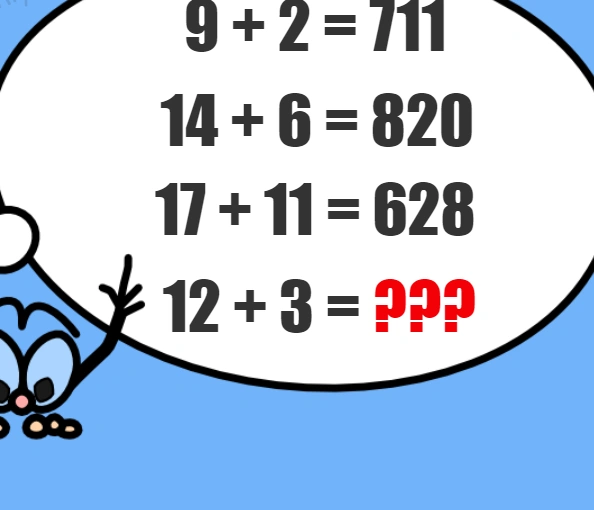
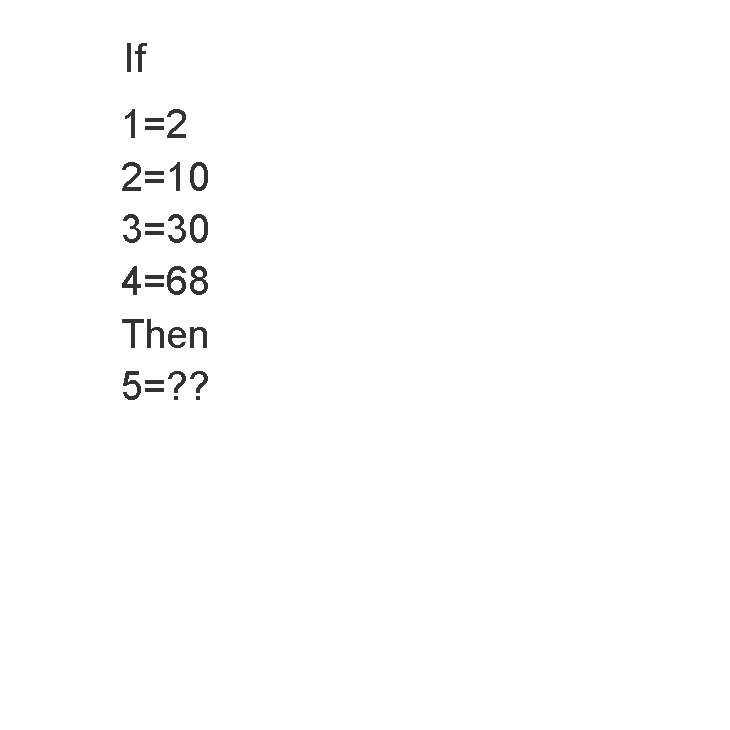
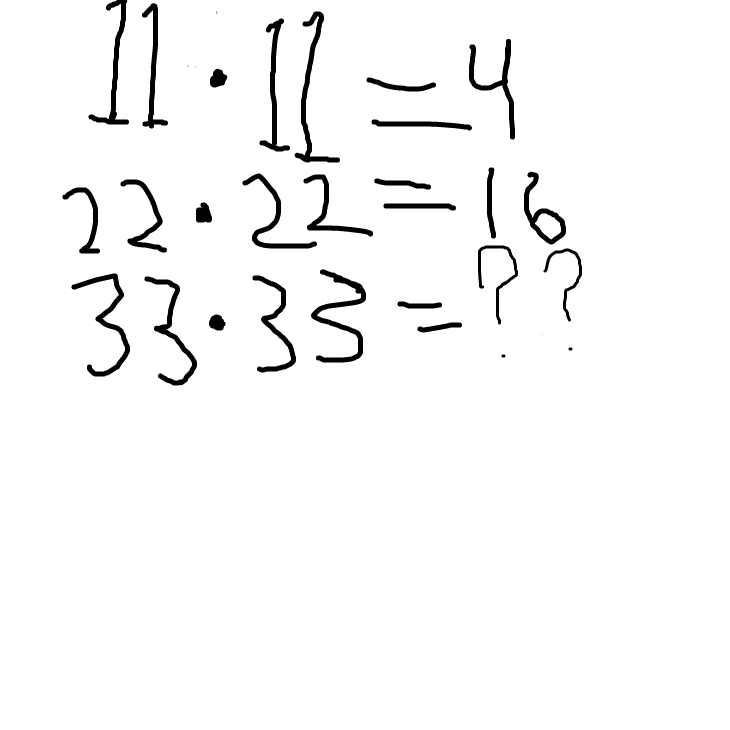
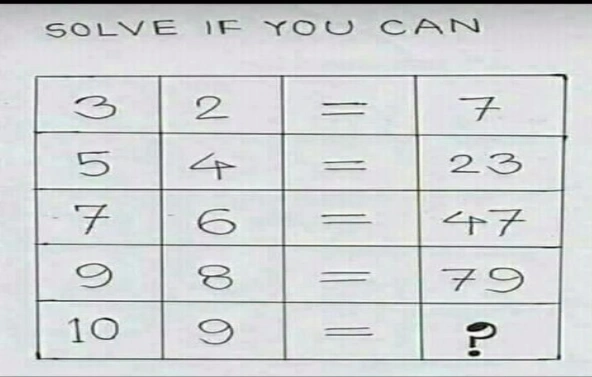
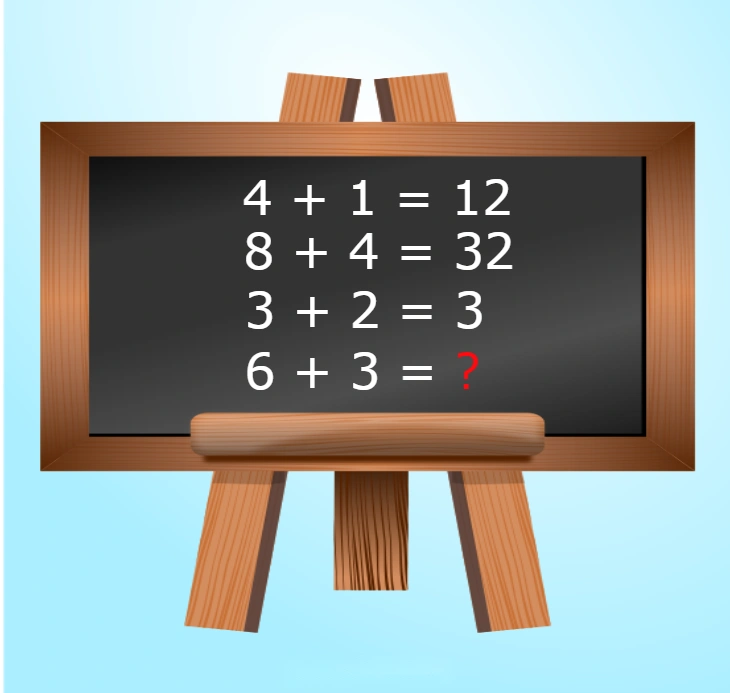
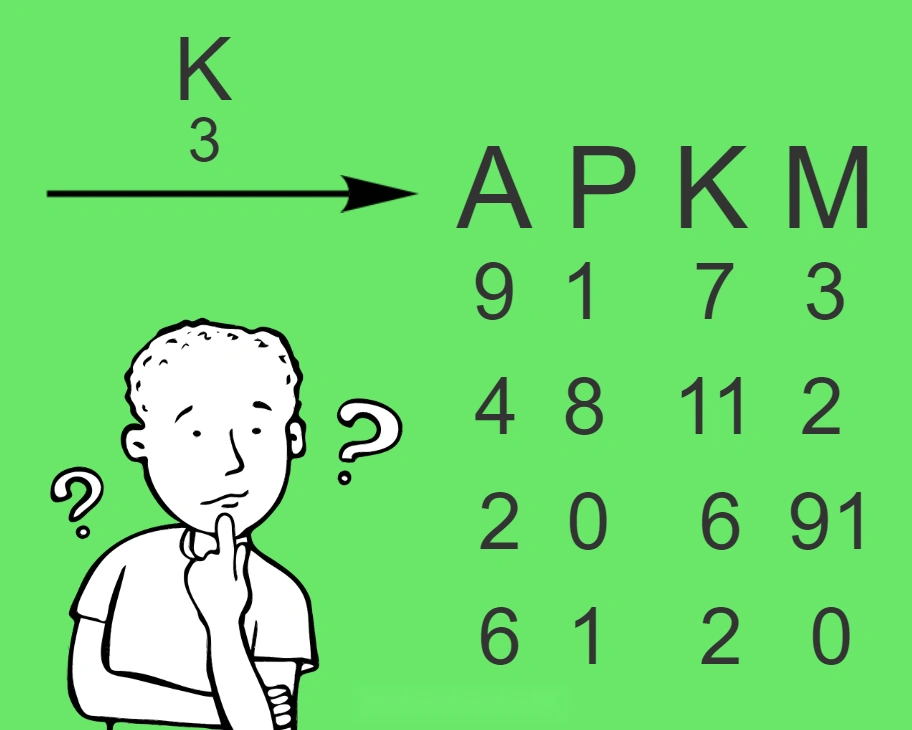
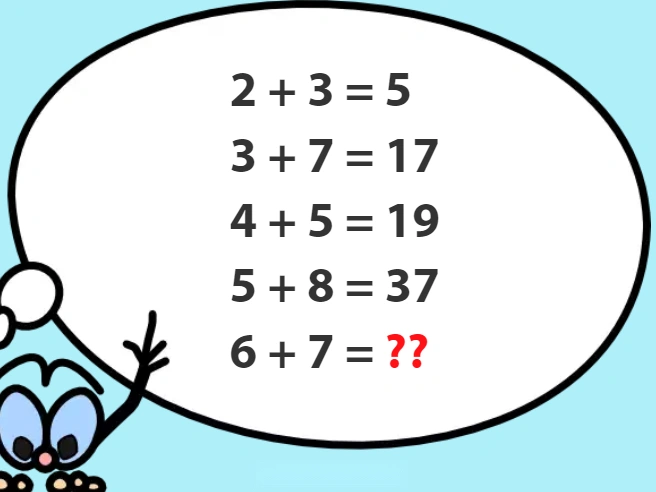
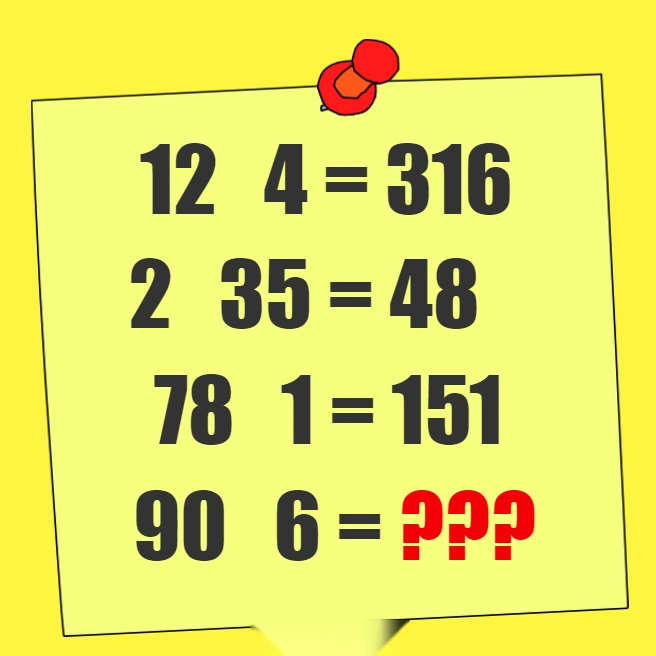
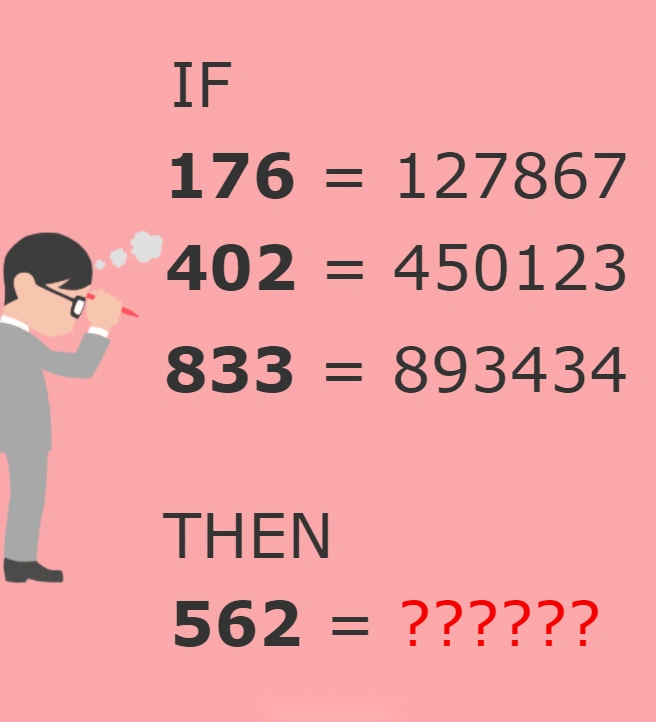
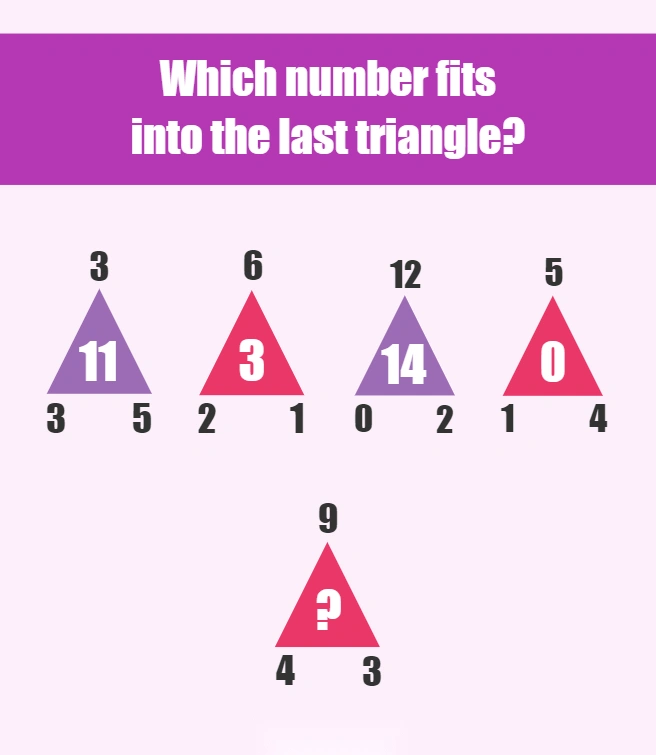
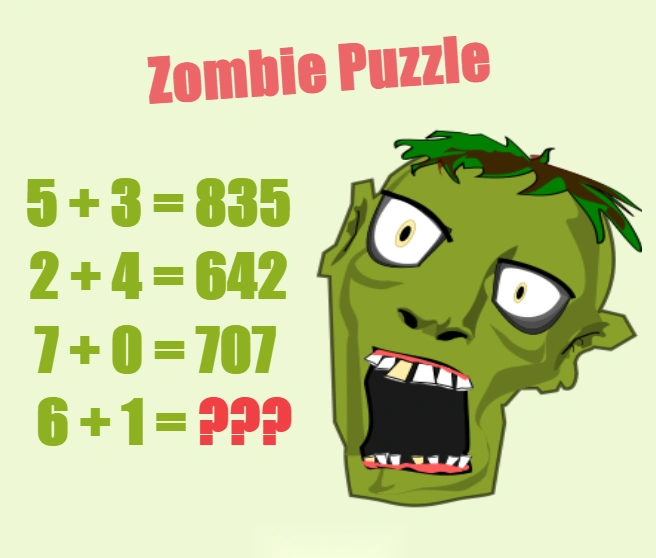
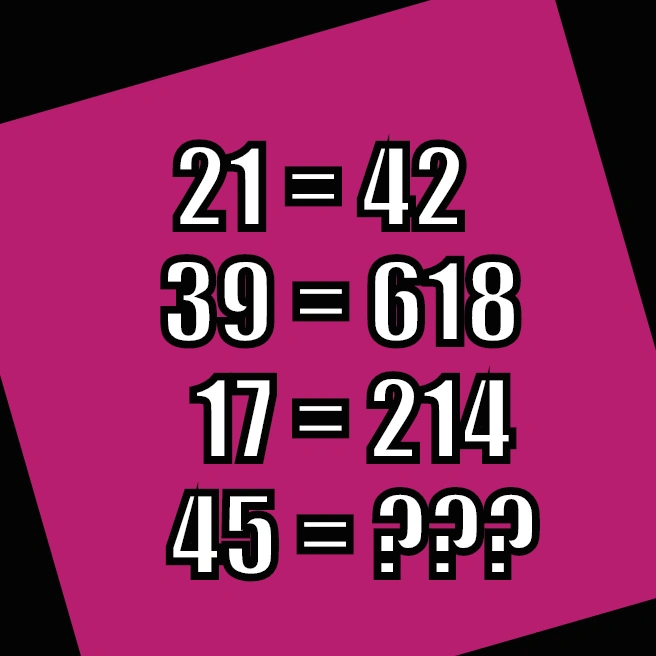
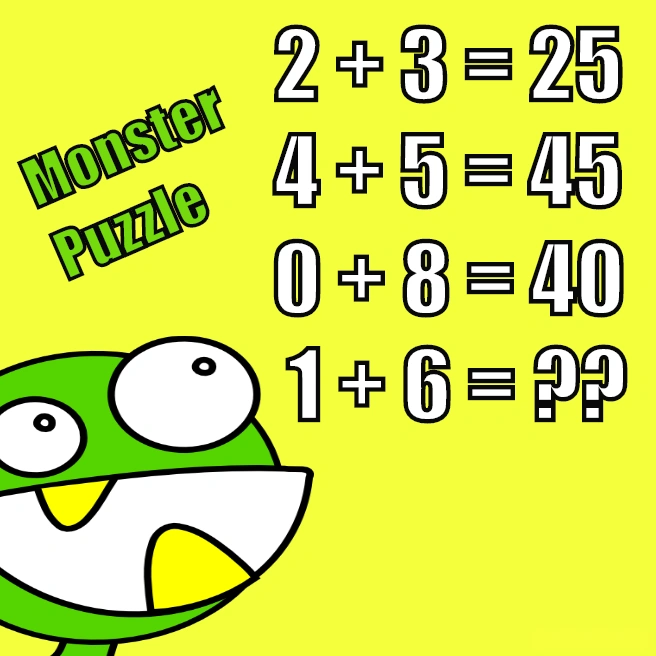
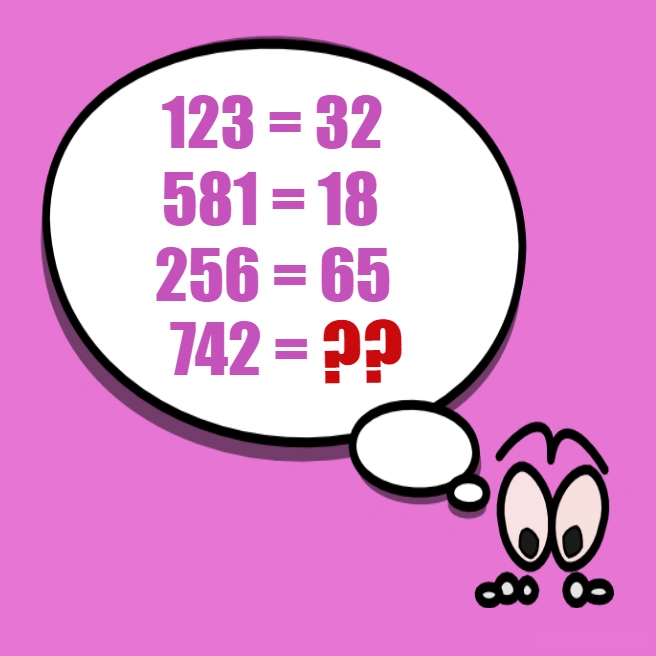
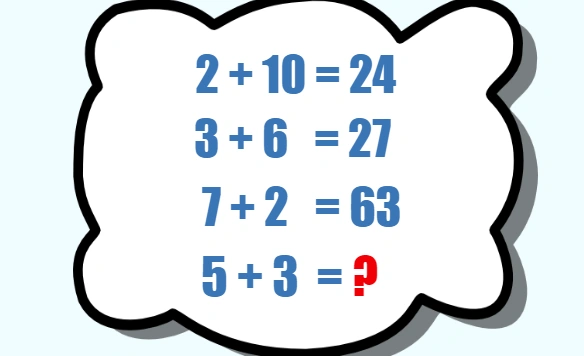
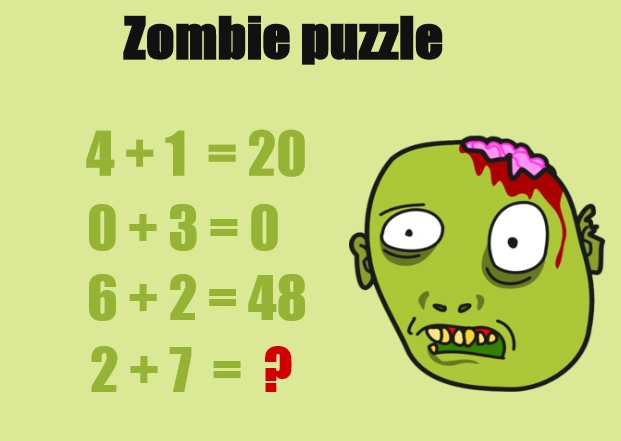
Many cards show a few solved lines before the final question. These lines are not decoration. They are clues. If the answers do not match normal arithmetic, the puzzle is probably using a hidden rule.
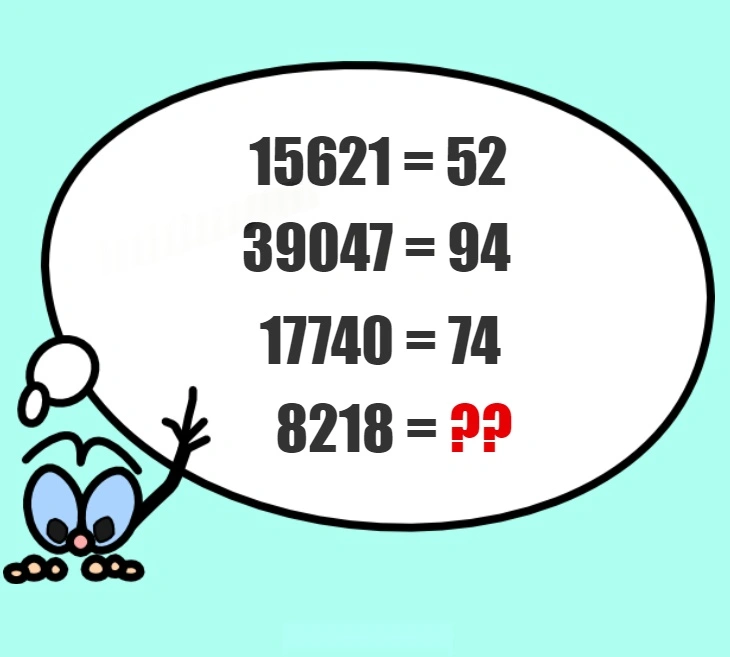
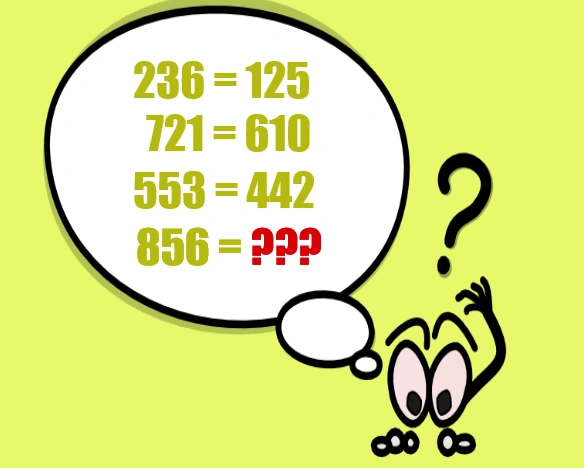
The rule may involve adding, multiplying, reversing digits, combining numbers, using positions, or applying more than one step. For example, a card may show something like 2 + 6 = 18, 3 + 5 = 20, and 4 + 7 = 35. Since normal addition does not work, you need to compare the rows and find what the puzzle is doing.
The rule may involve adding, multiplying, reversing digits, combining numbers, using positions, or applying more than one step. For example, a card may show something like 2 + 6 = 18, 3 + 5 = 20, and 4 + 7 = 35. Since normal addition does not work, you need to compare the rows and find what the puzzle is doing.
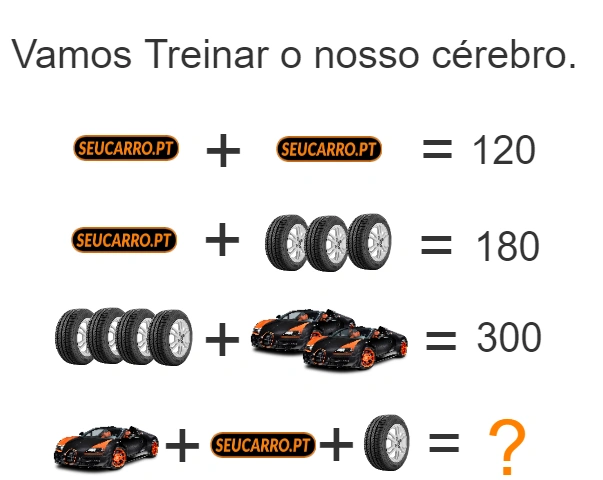
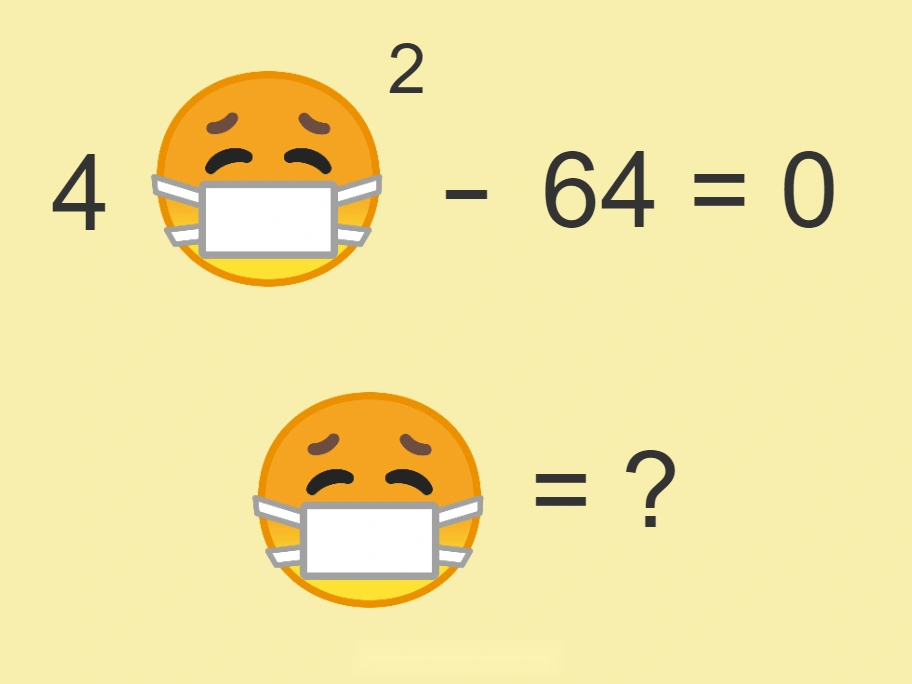
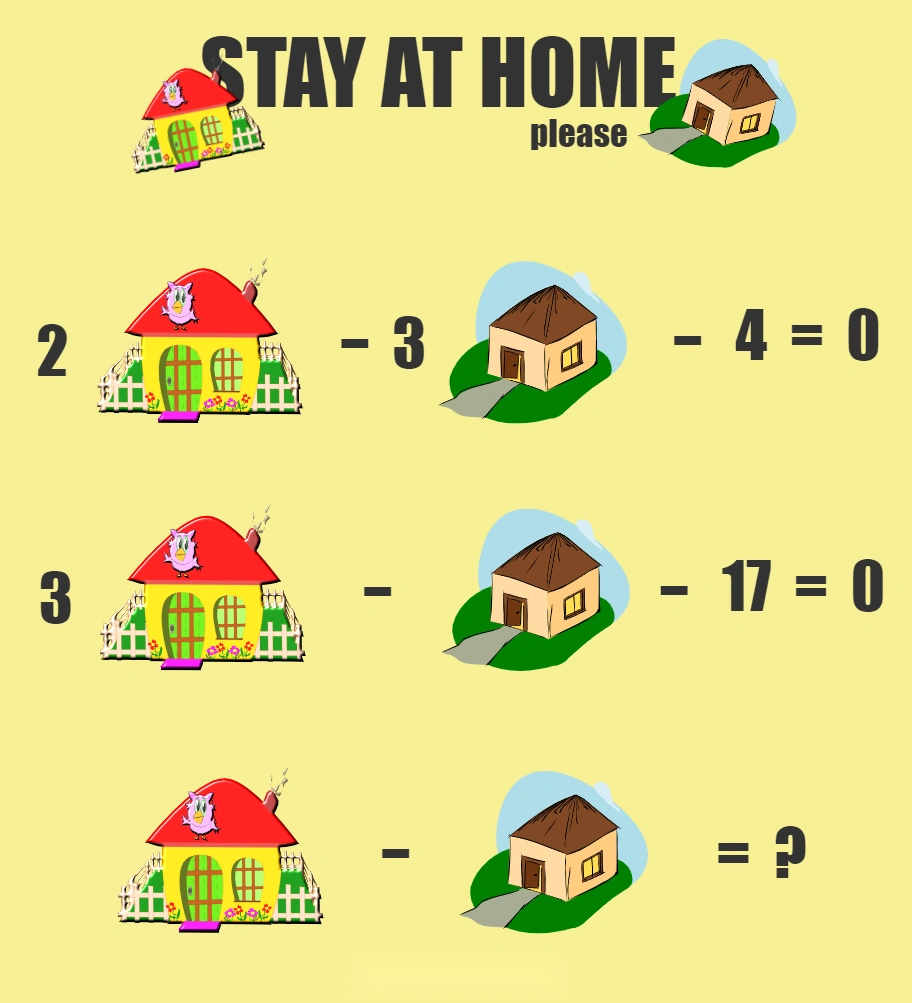
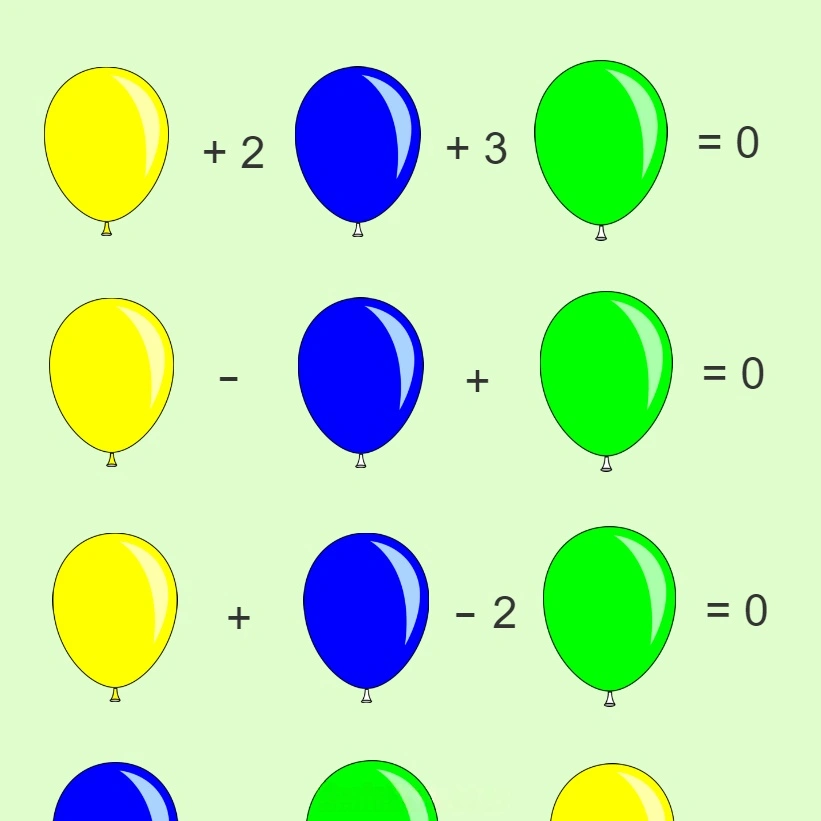
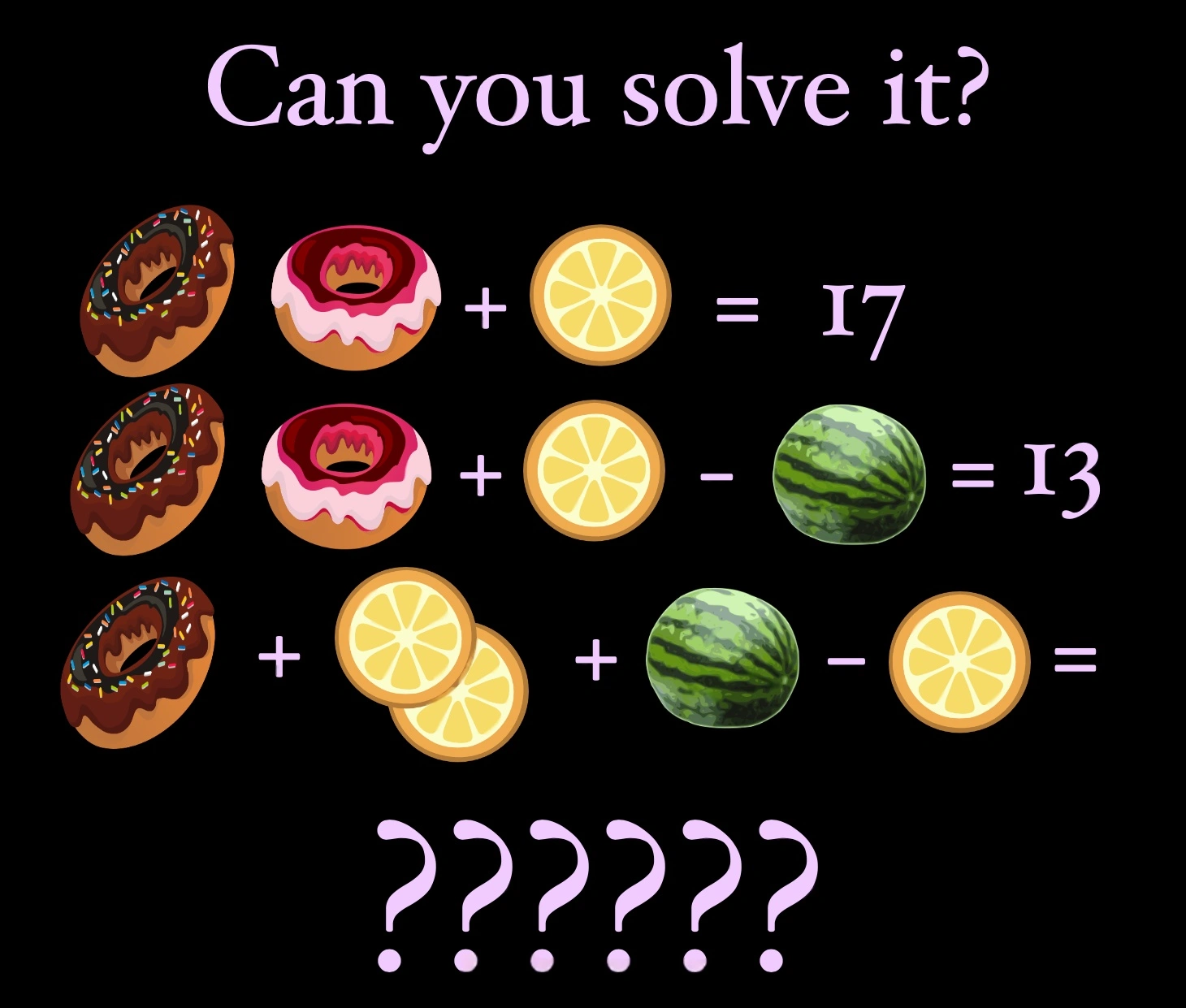
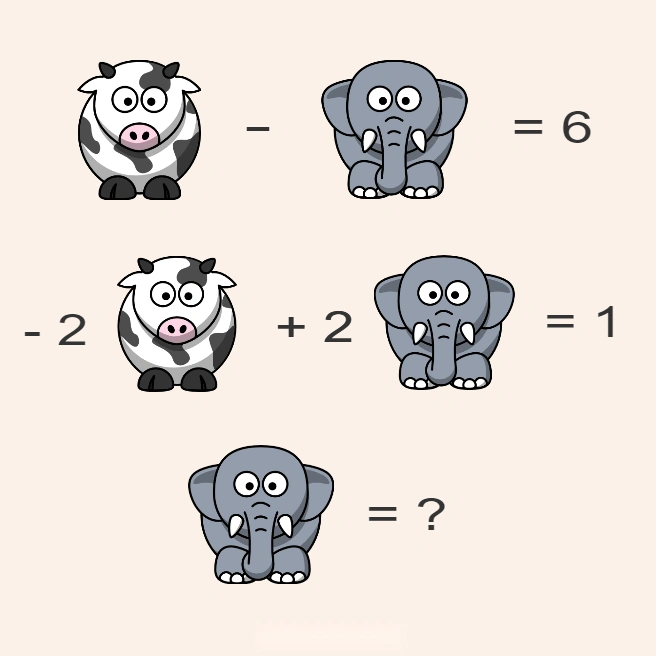
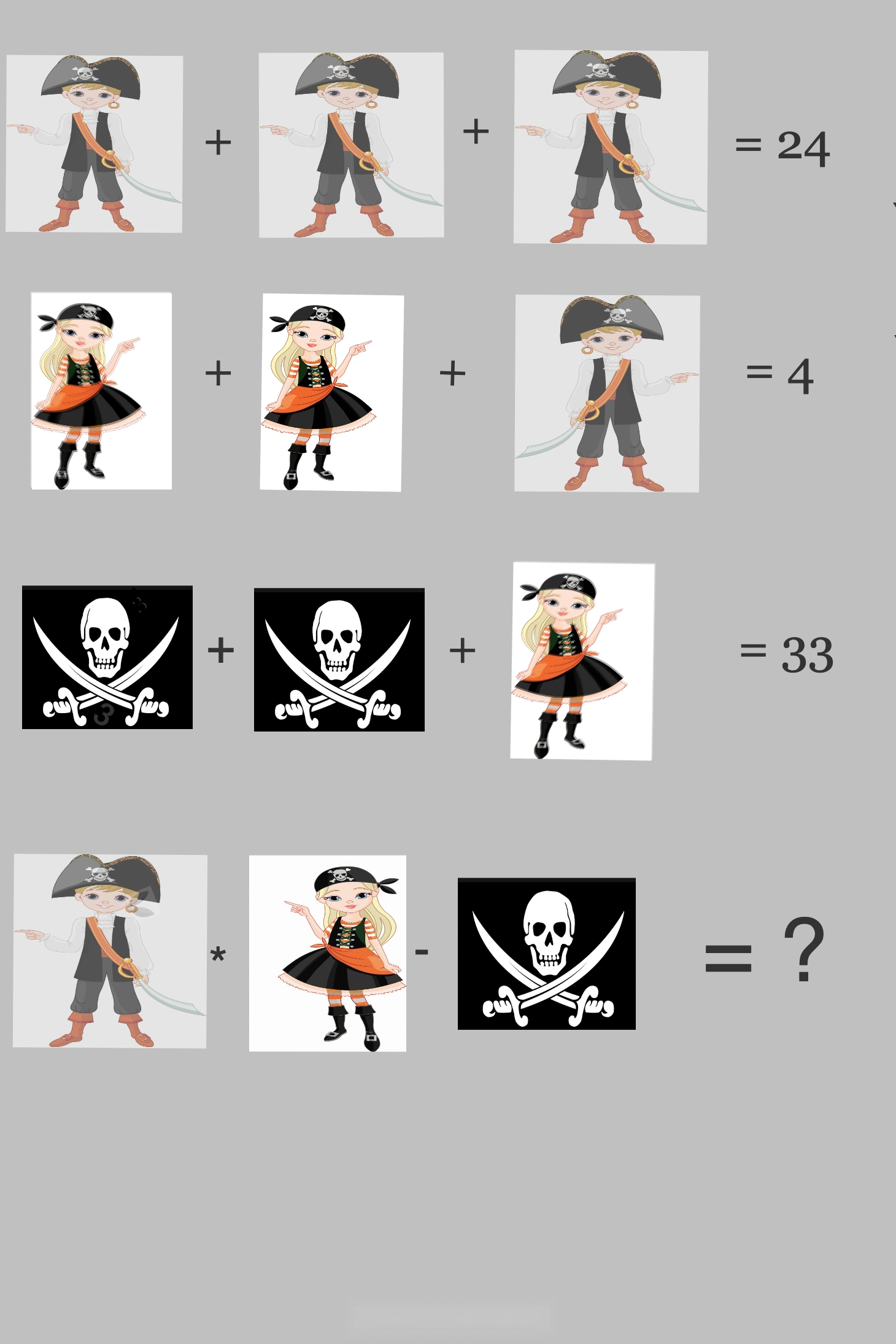
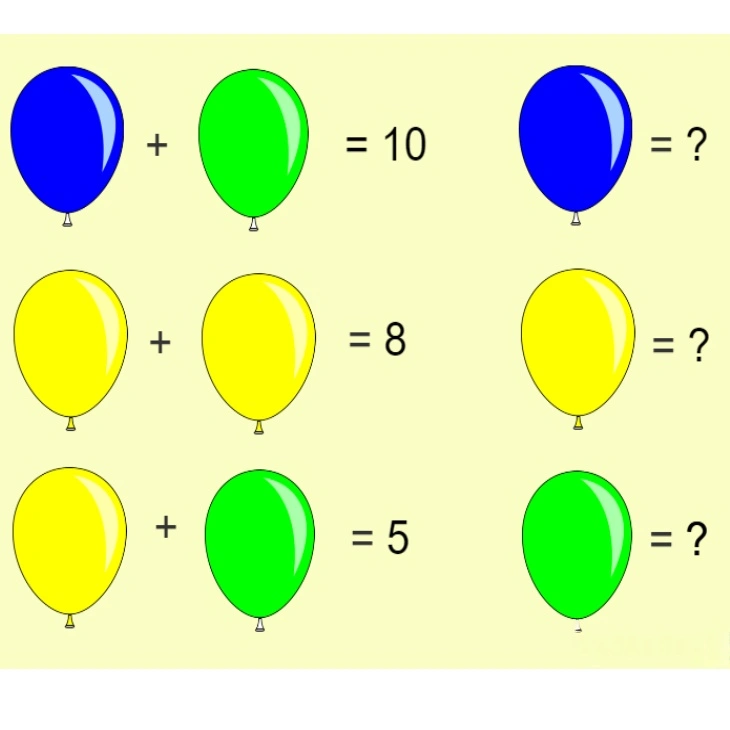
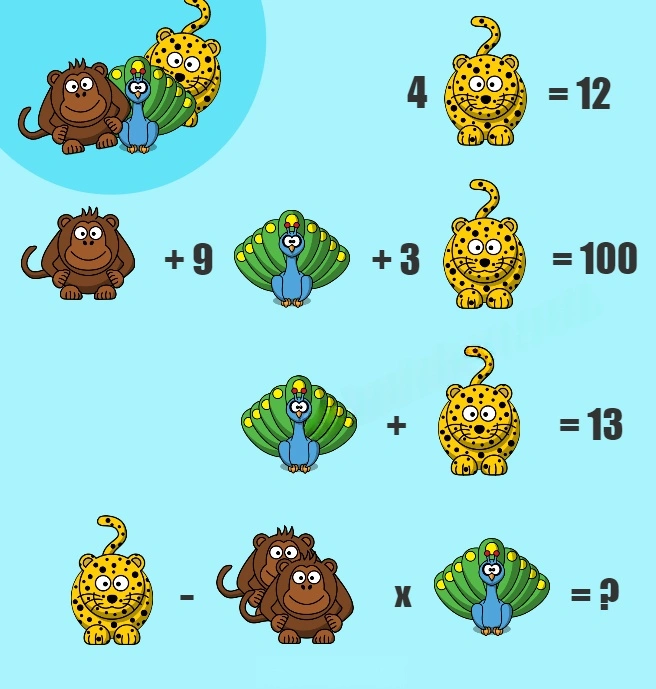
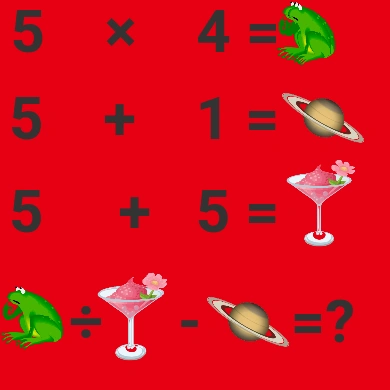
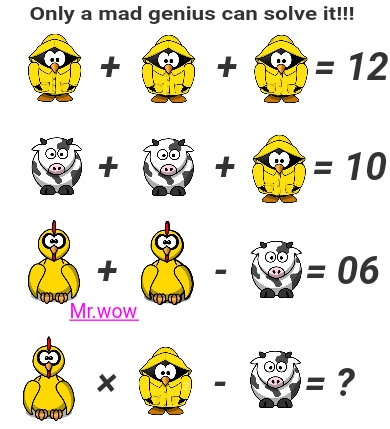
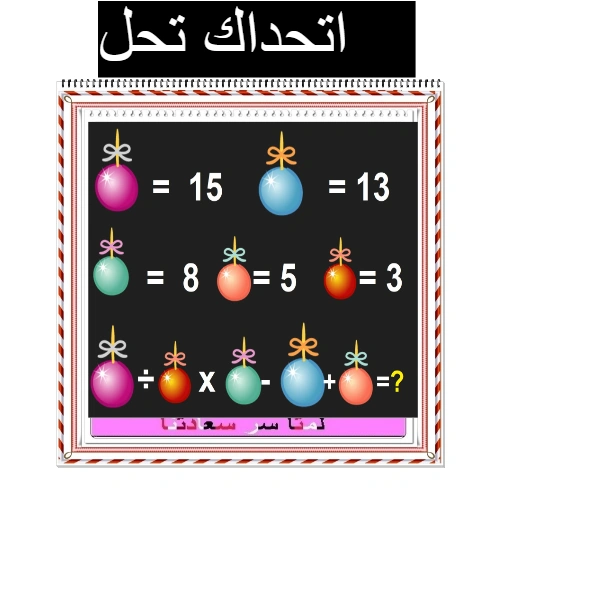
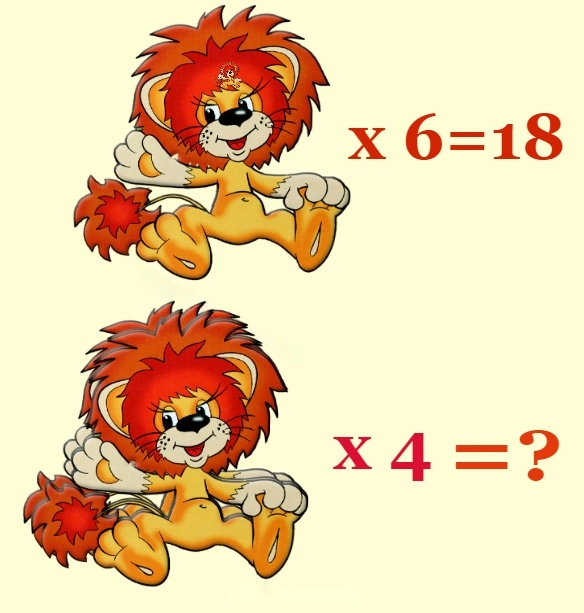
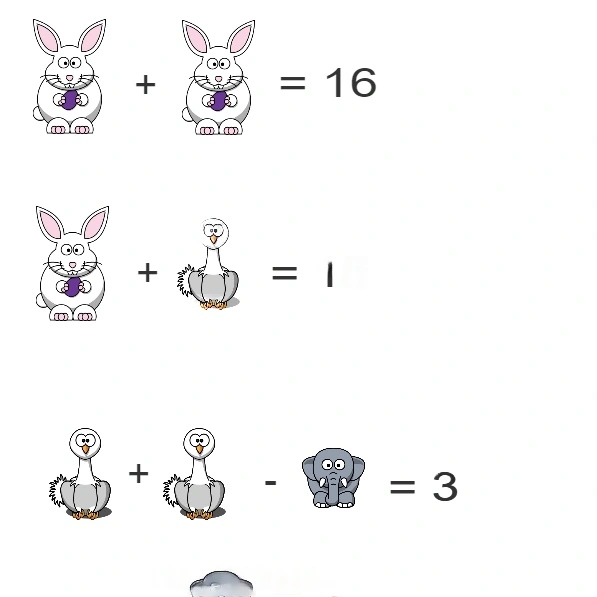
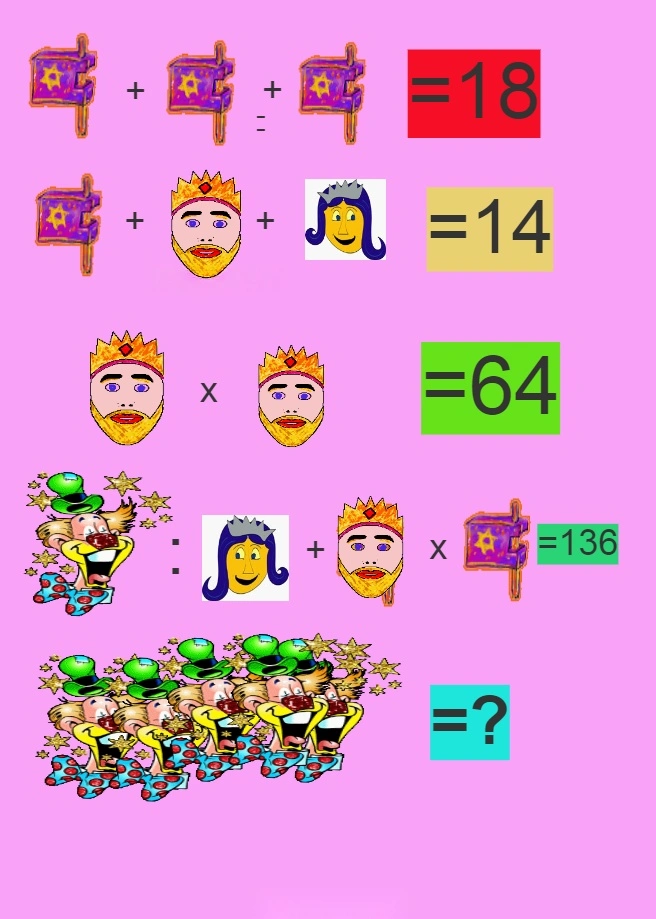
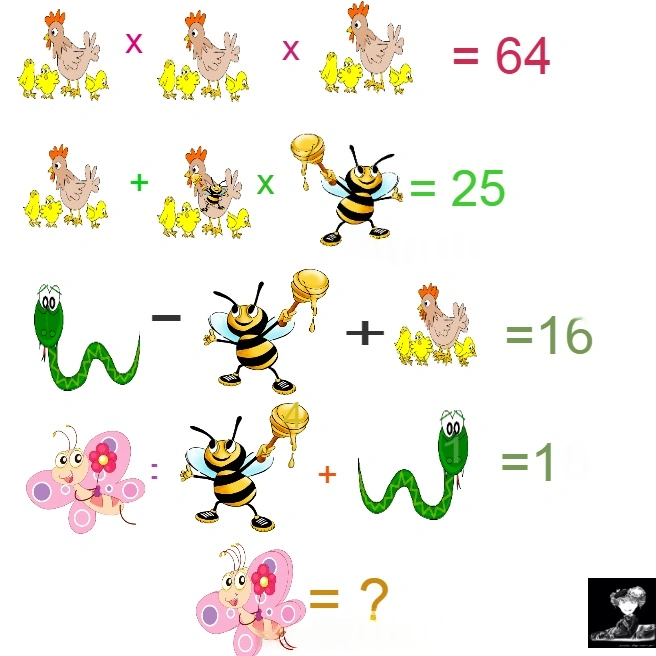
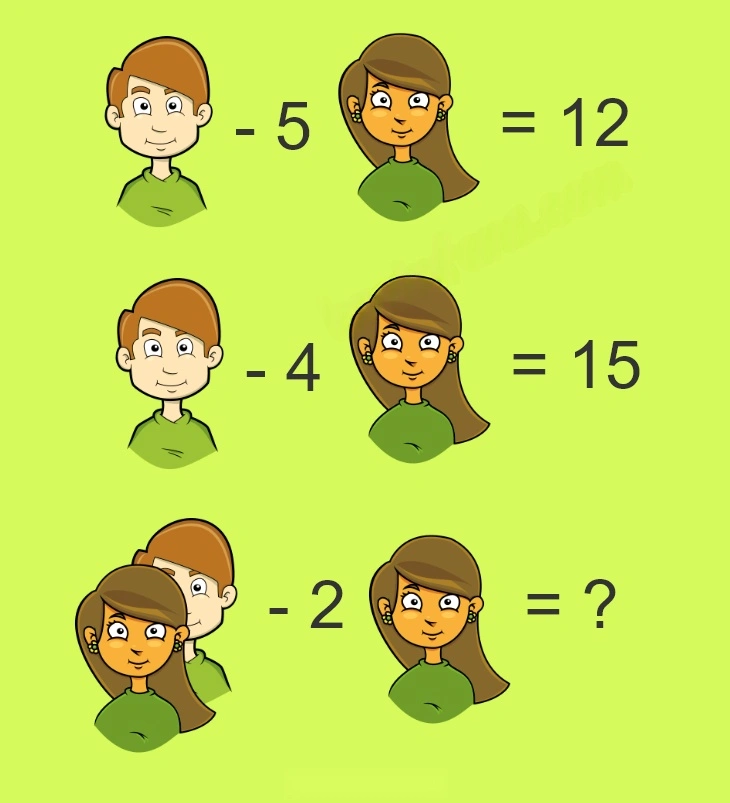
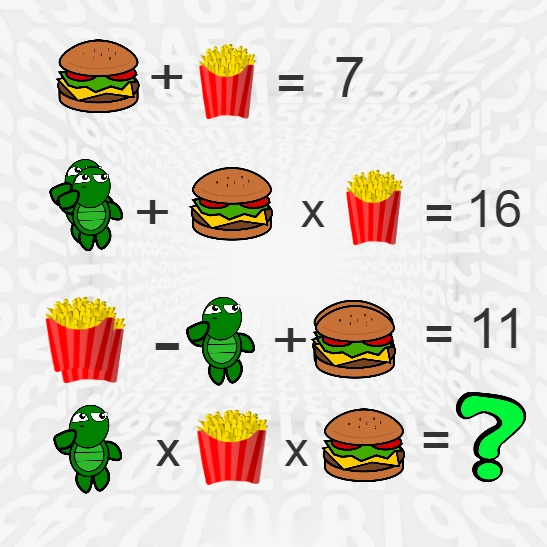
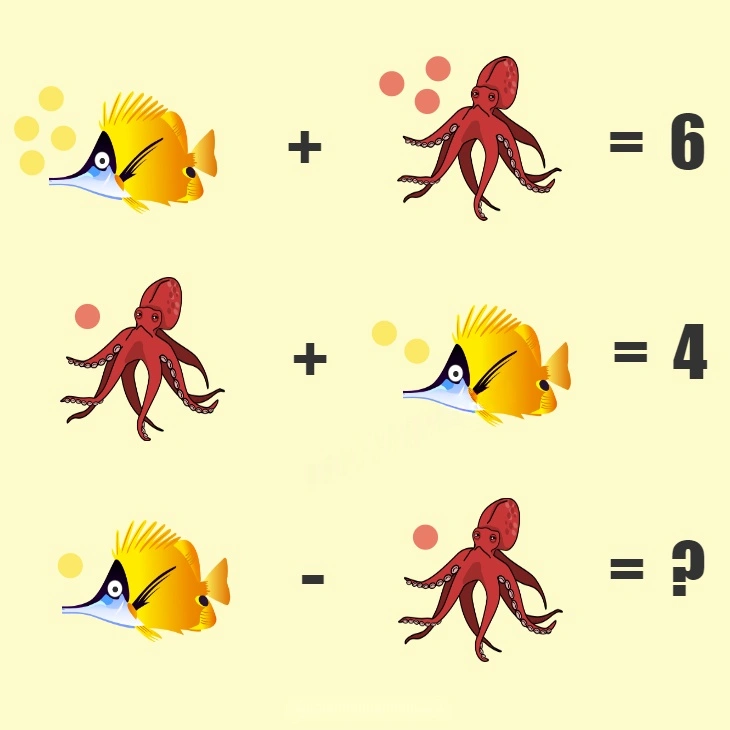
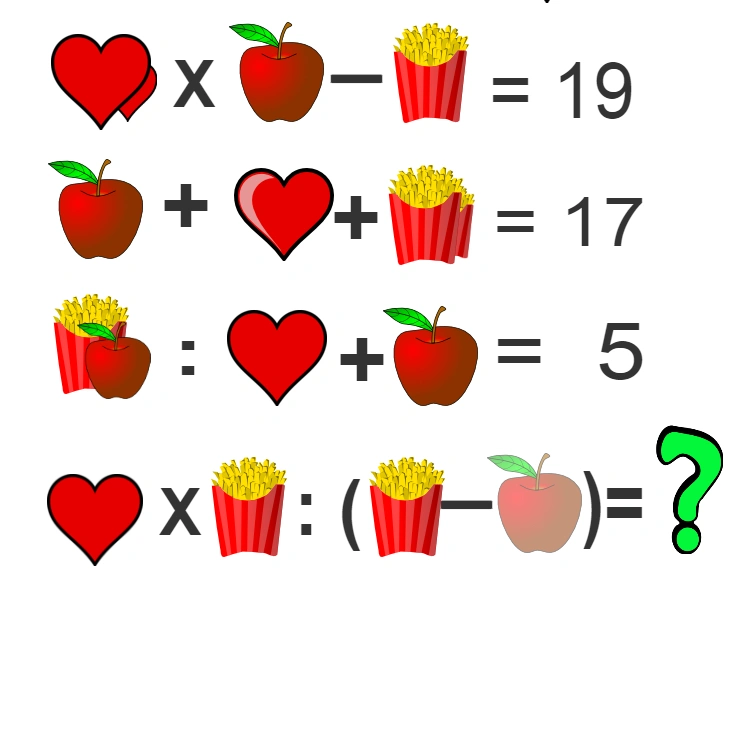
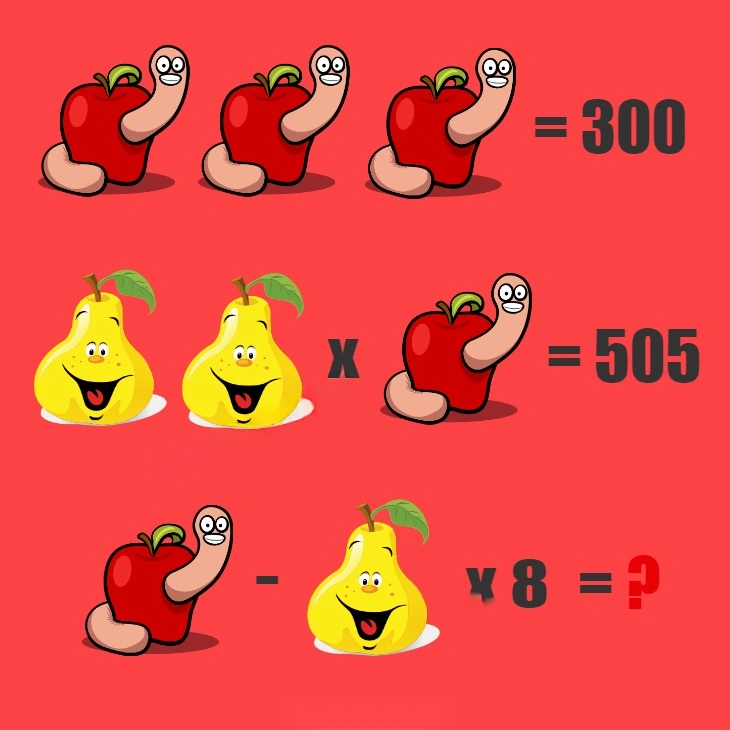
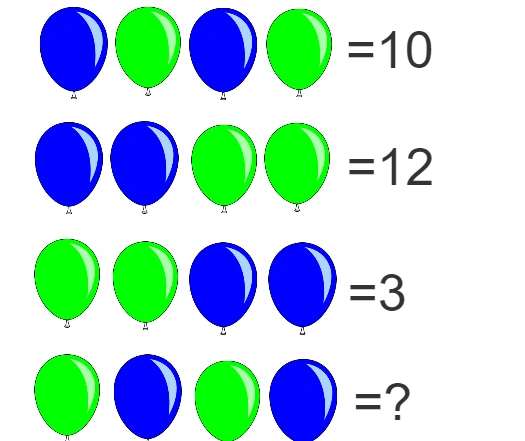
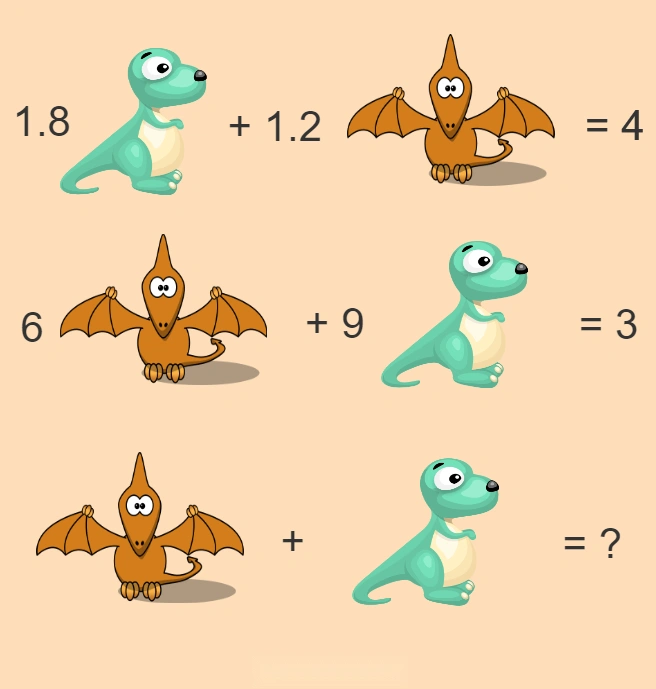
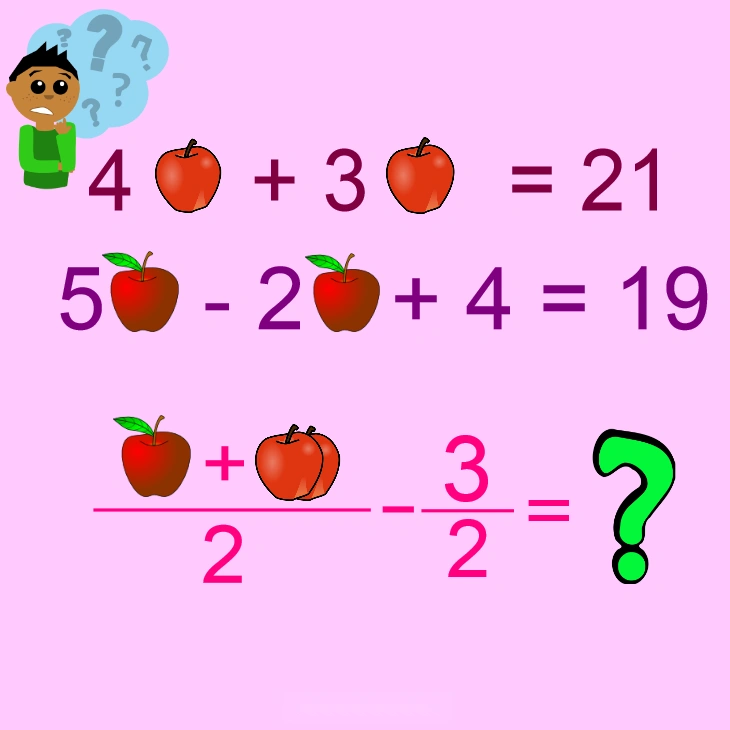
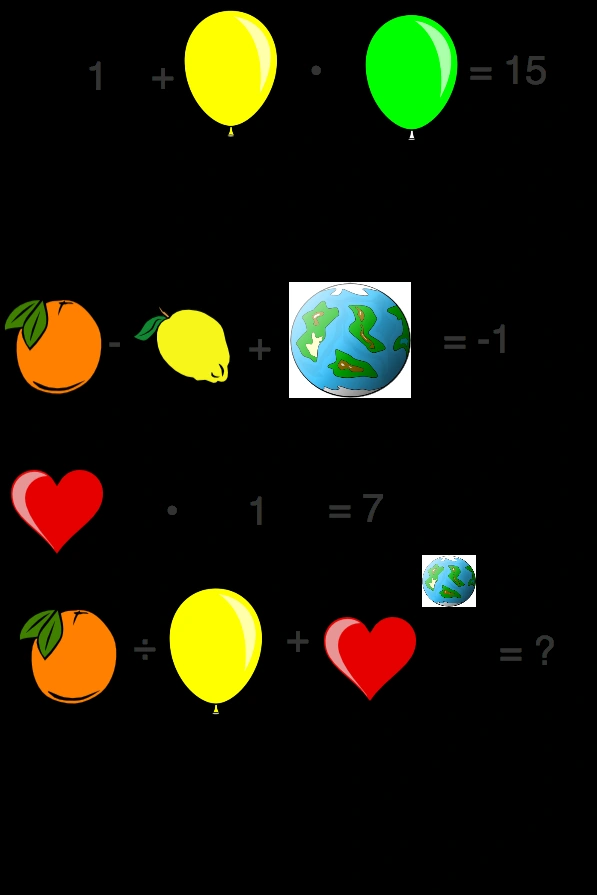
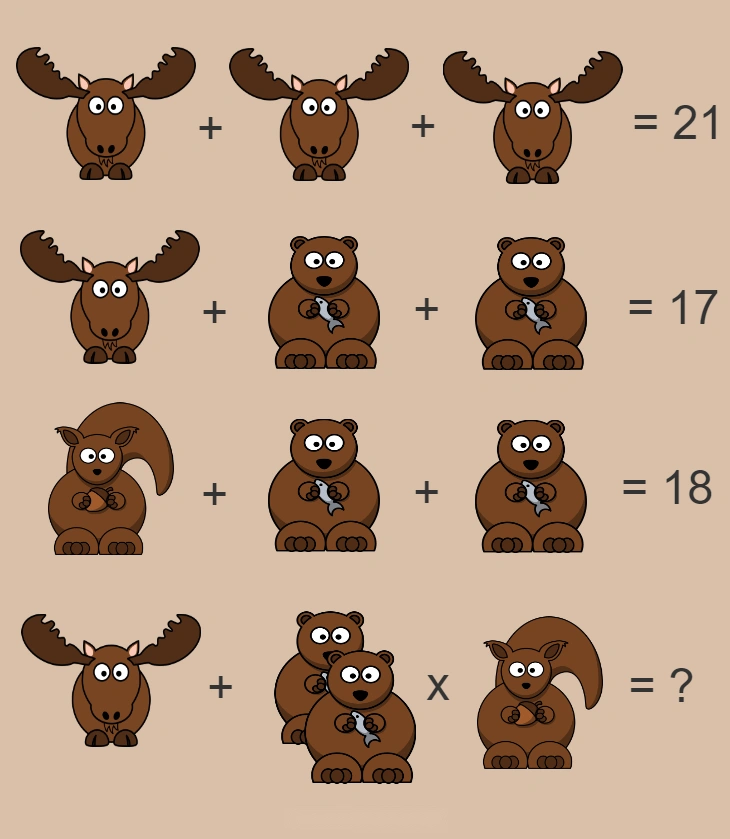
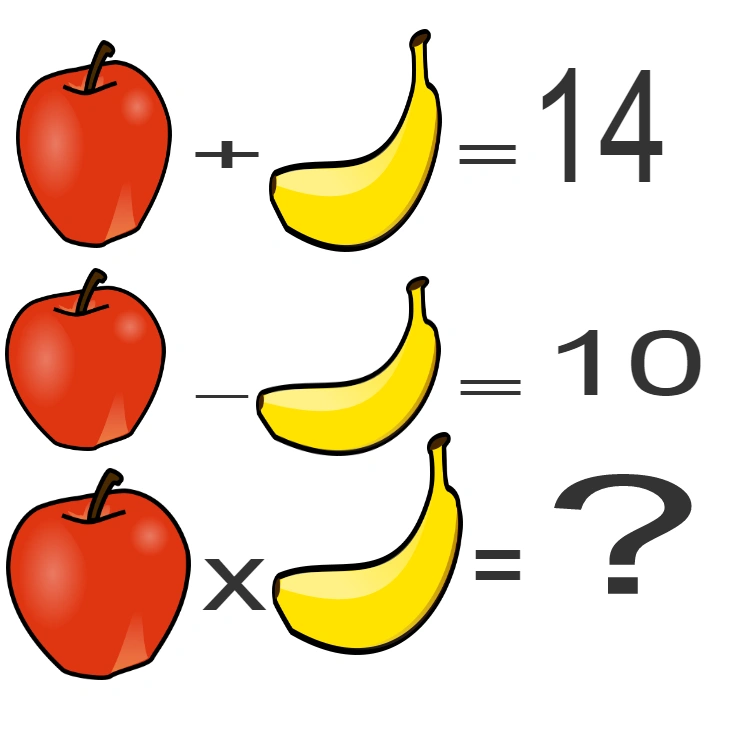
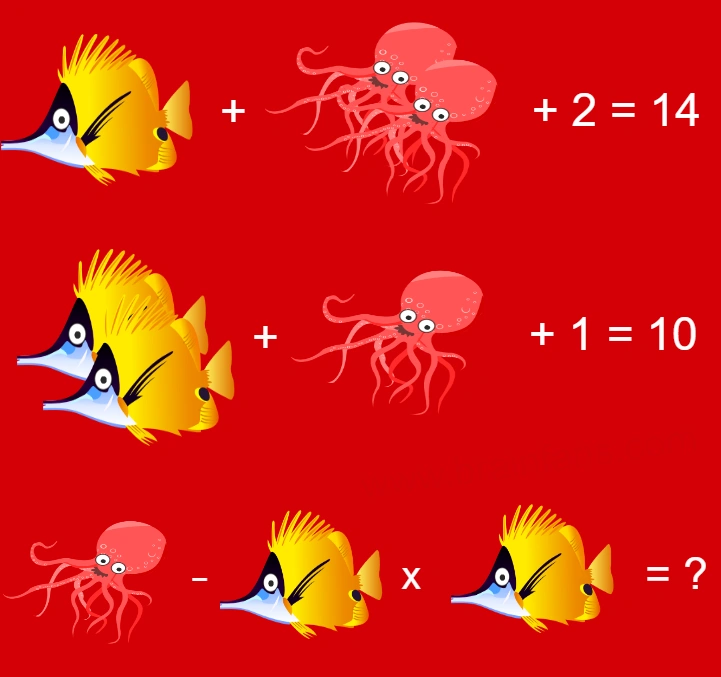
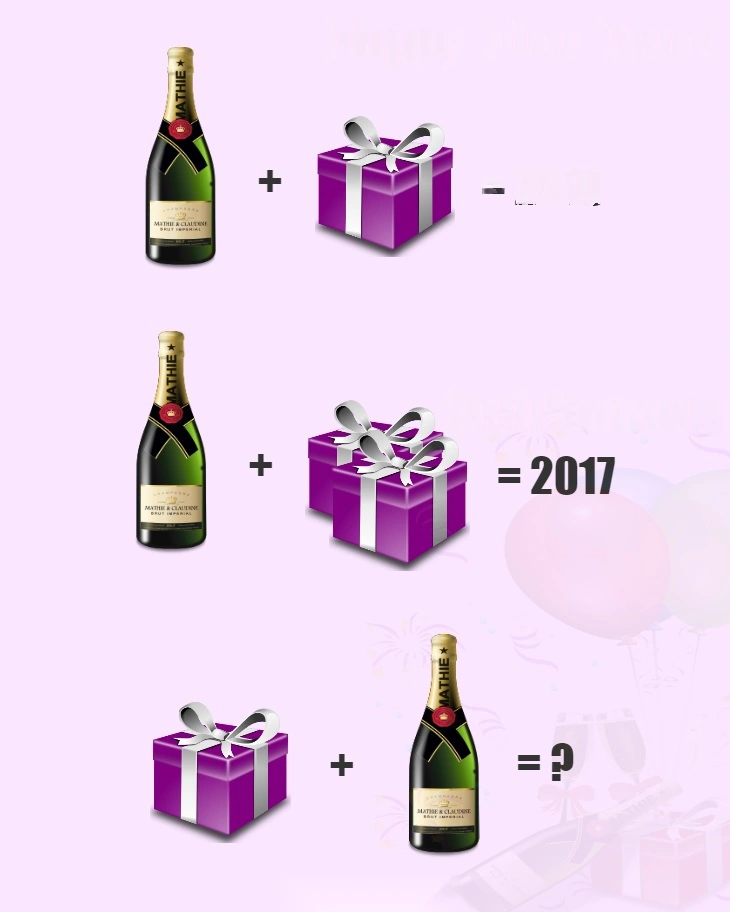
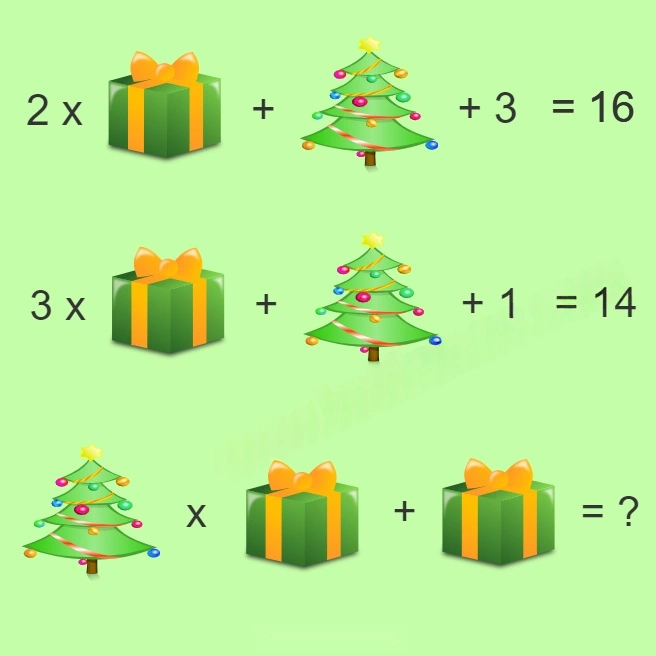
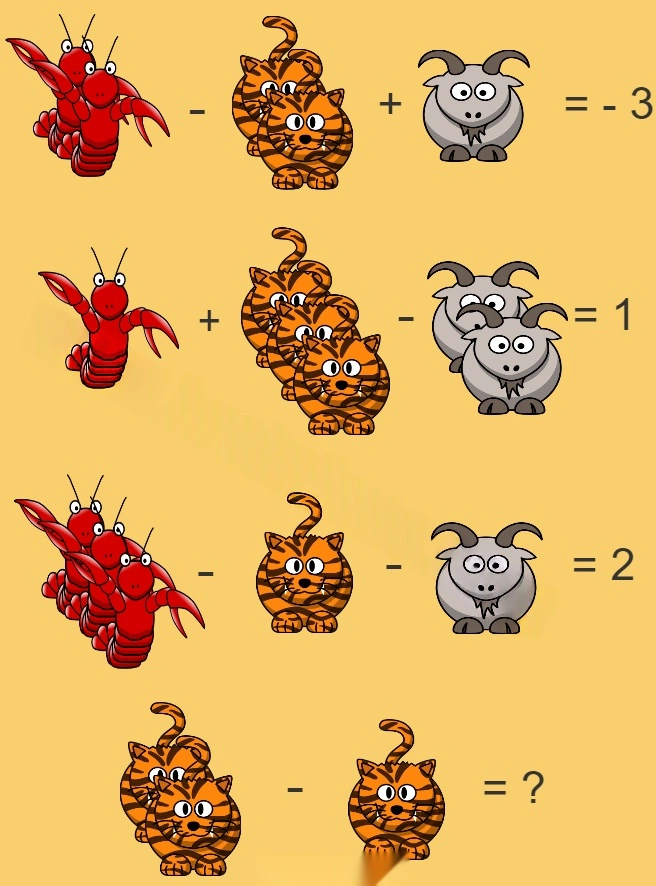
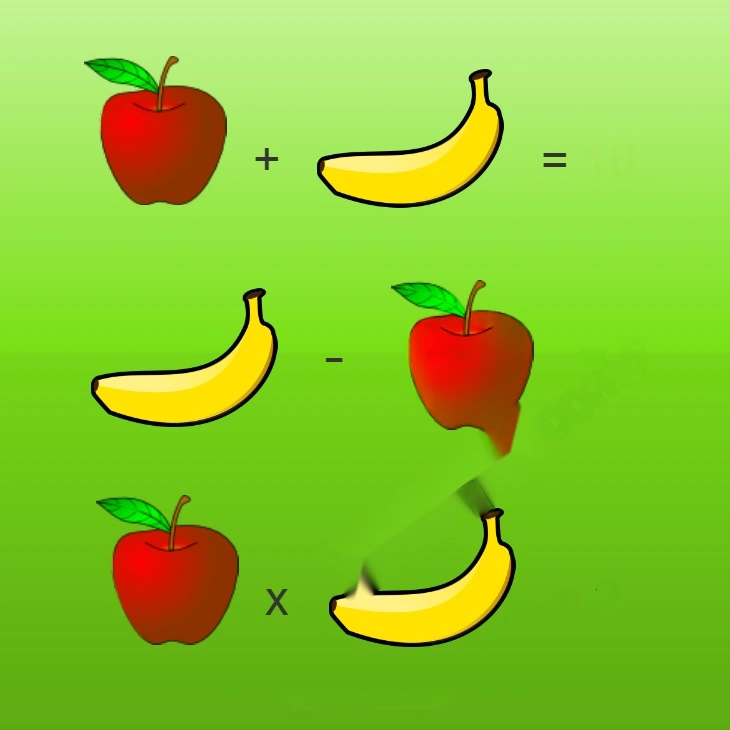
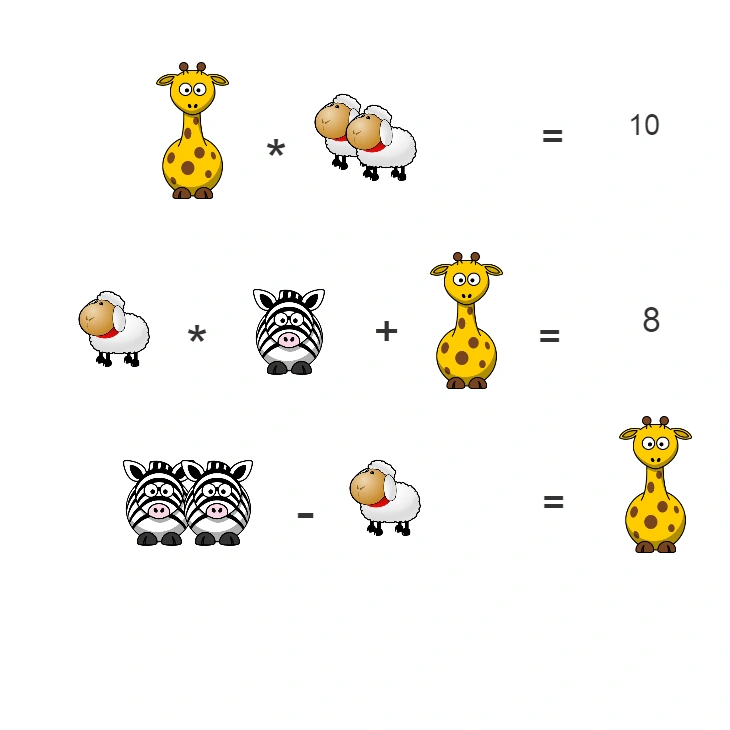
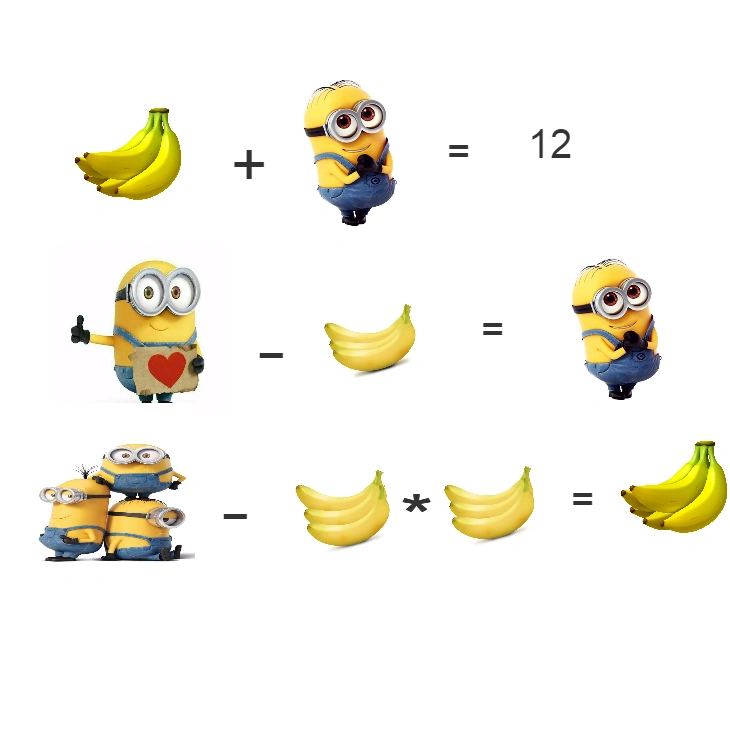
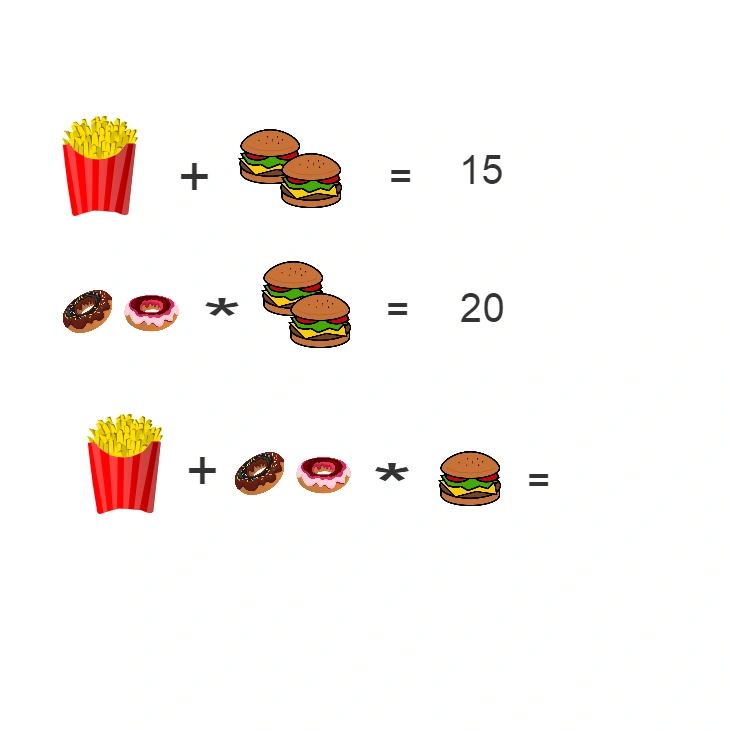
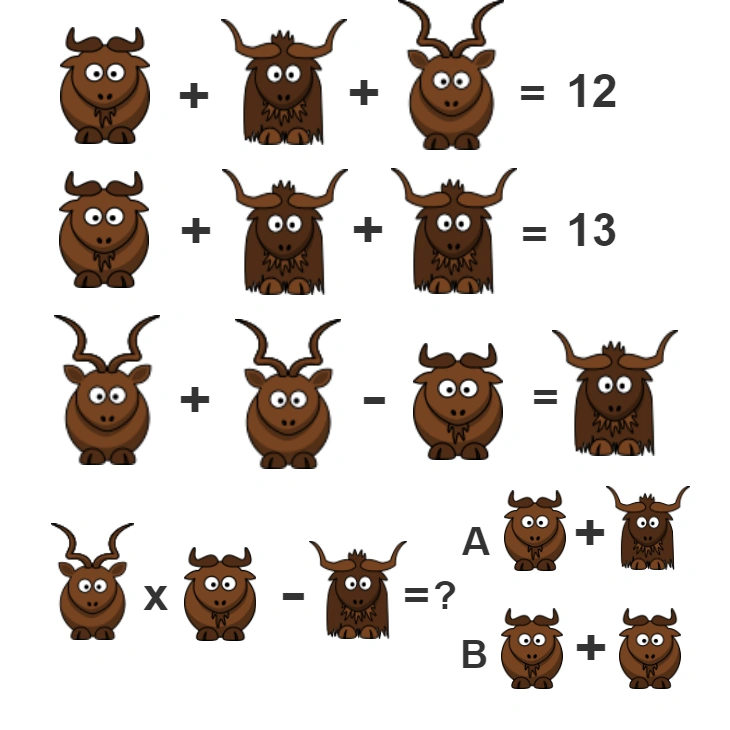
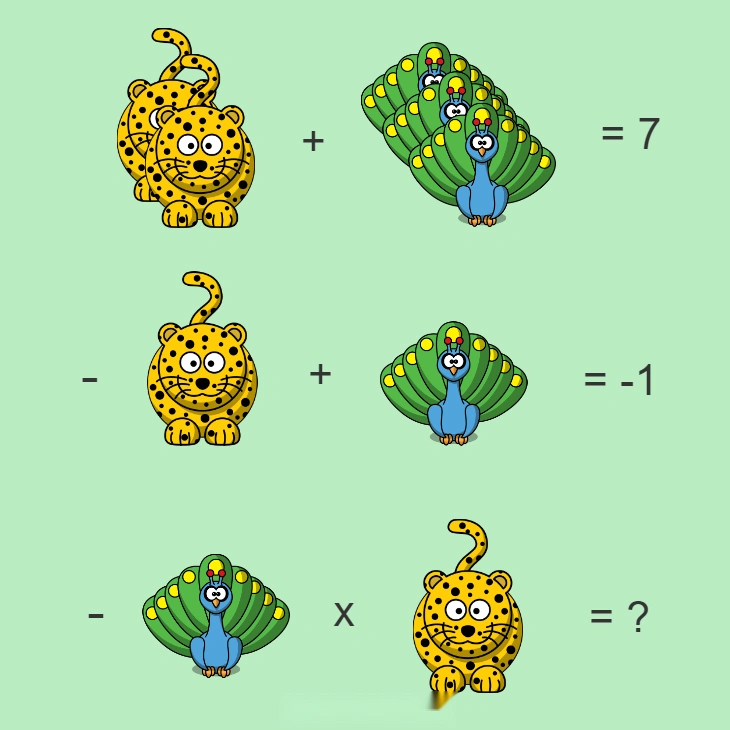
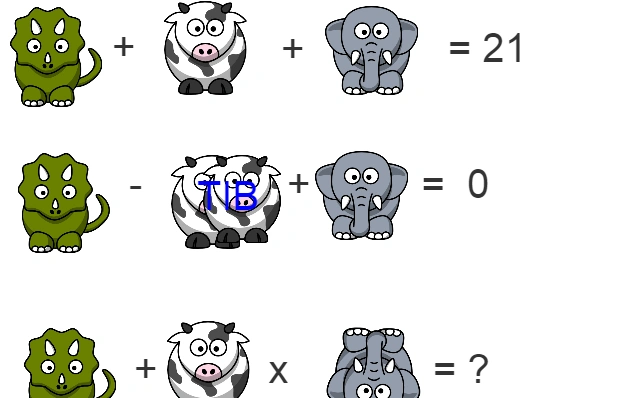
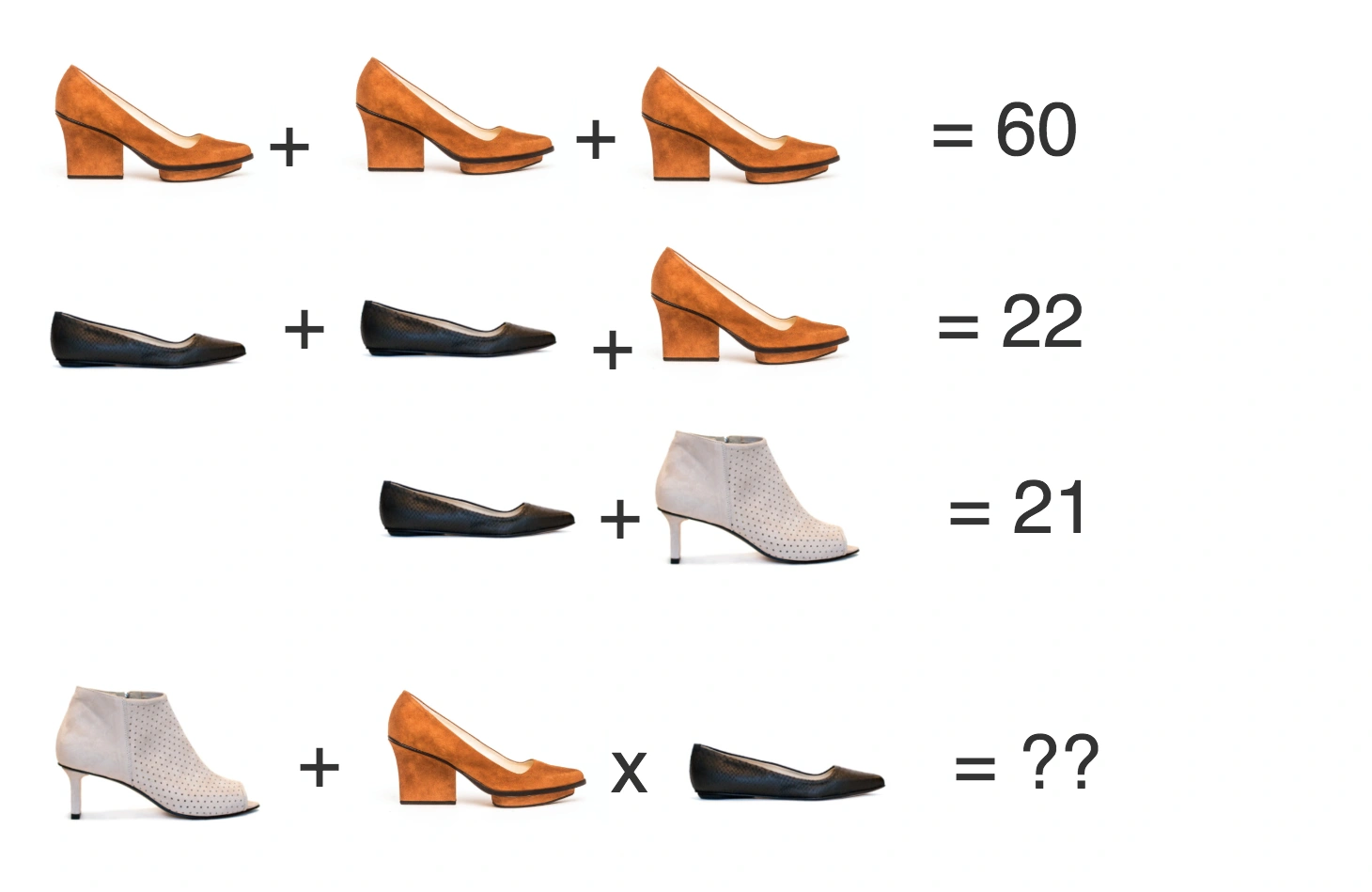
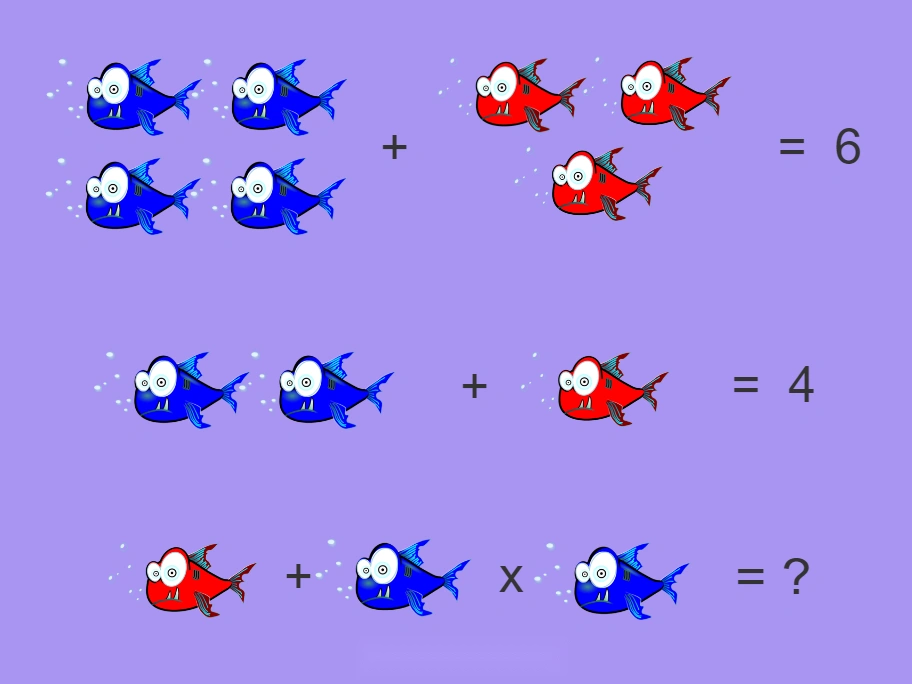
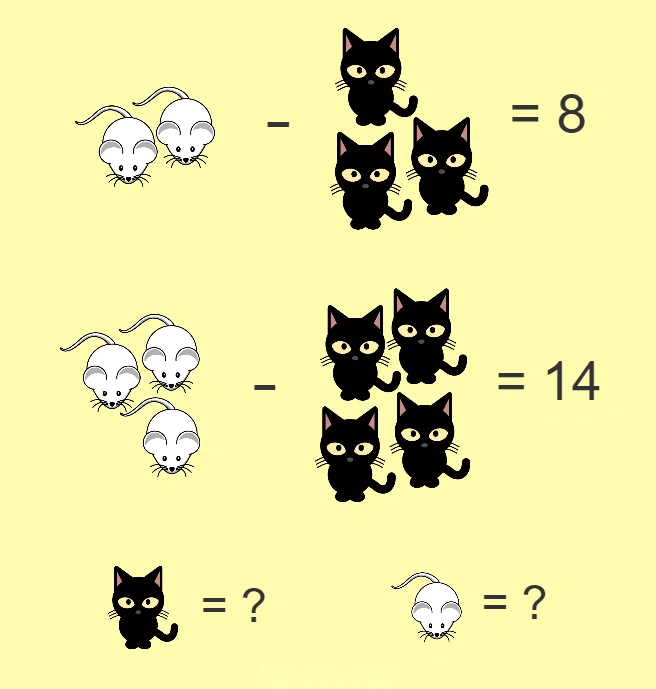
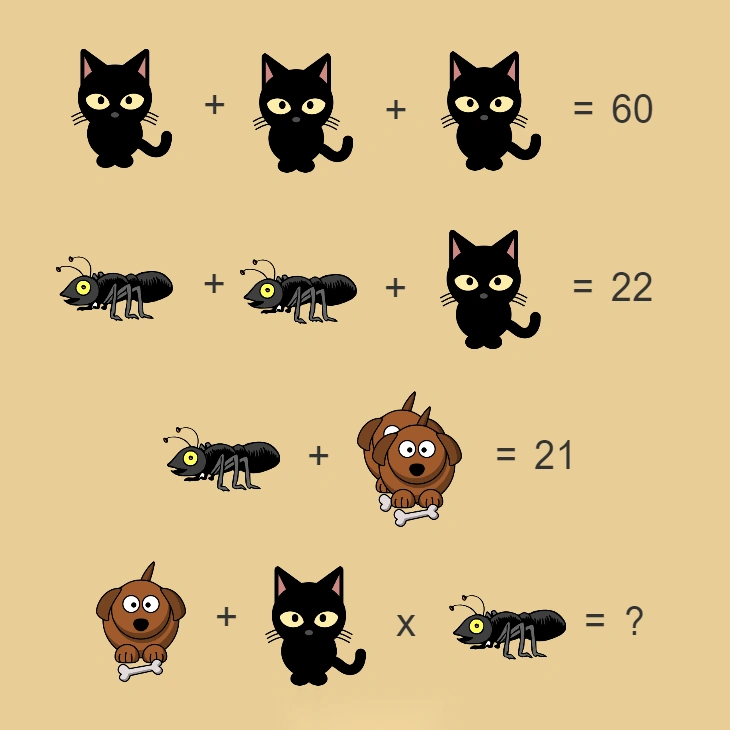
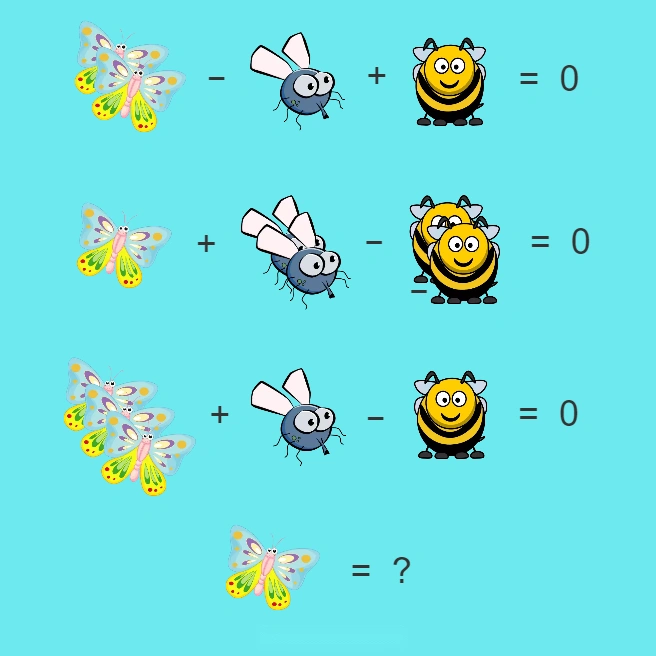
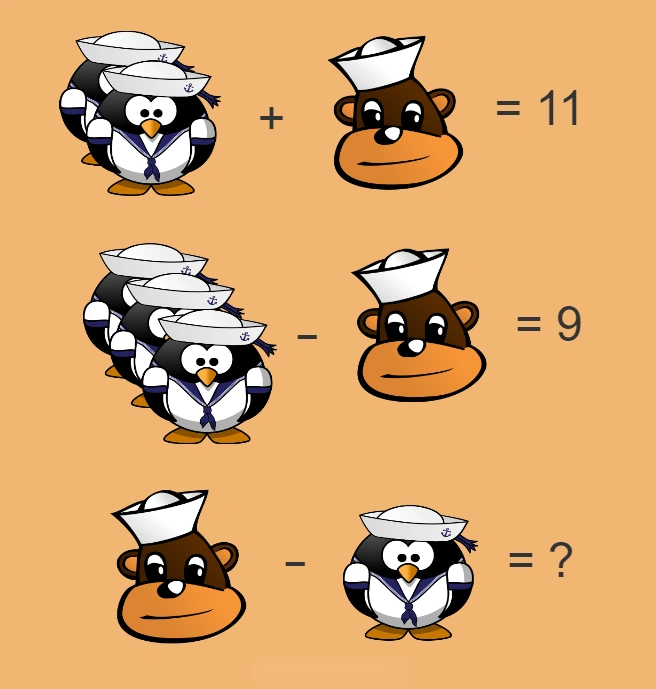
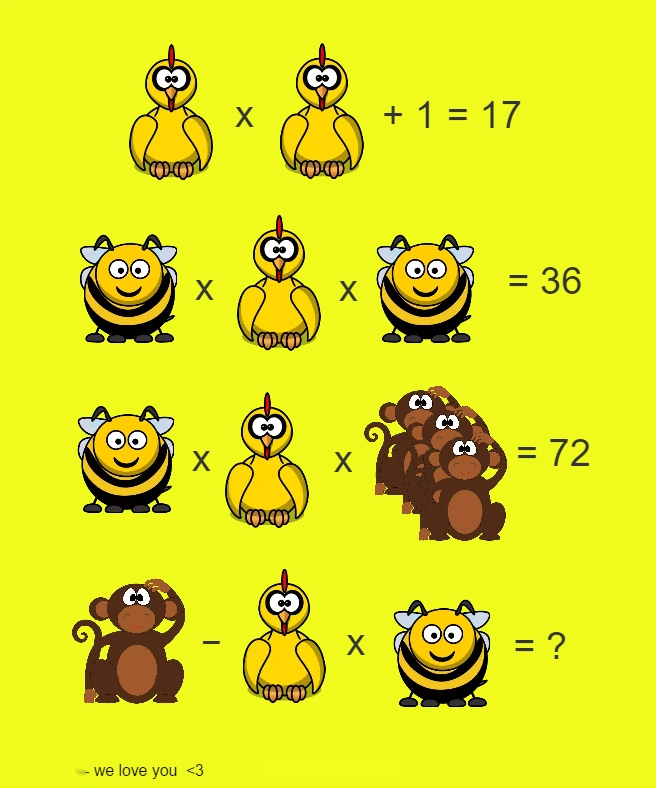
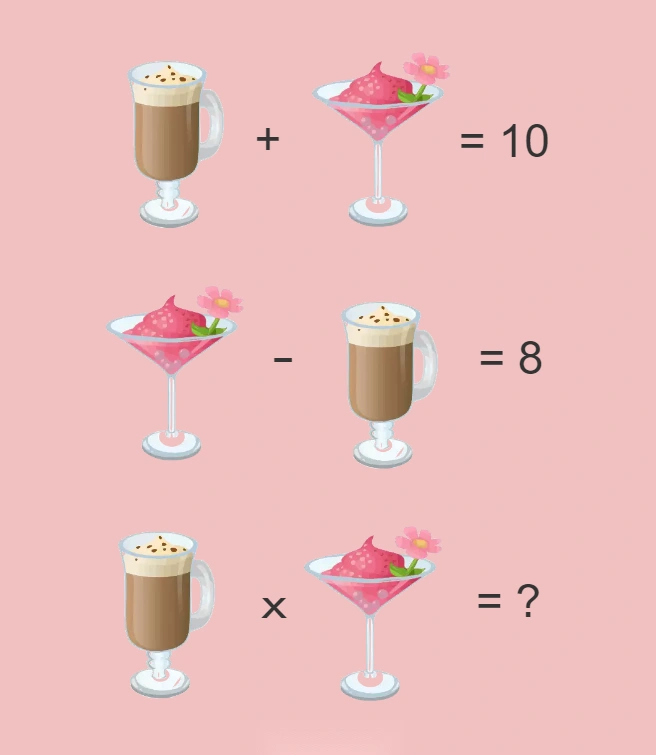
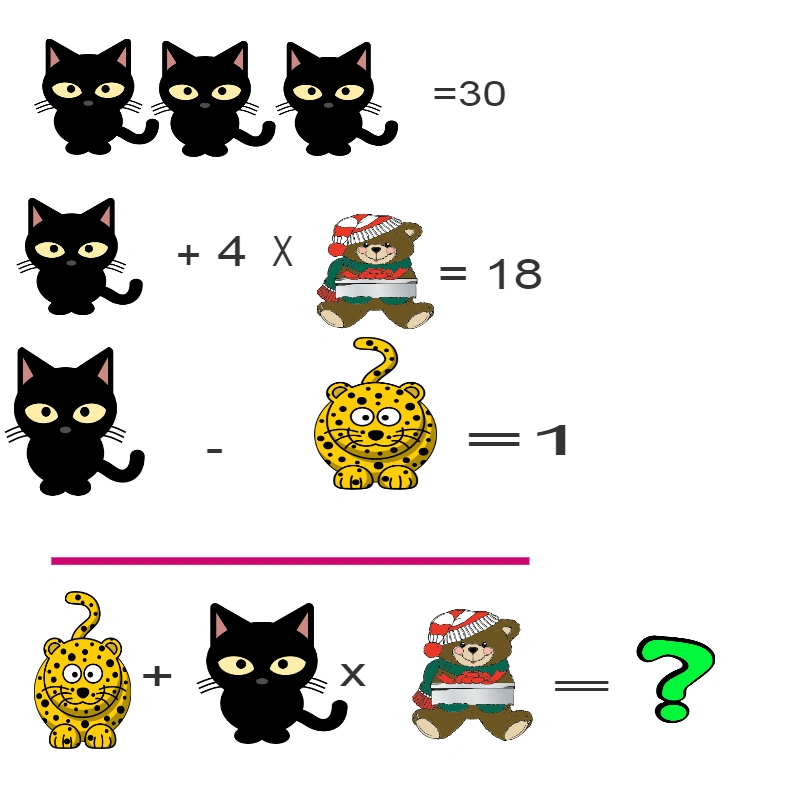
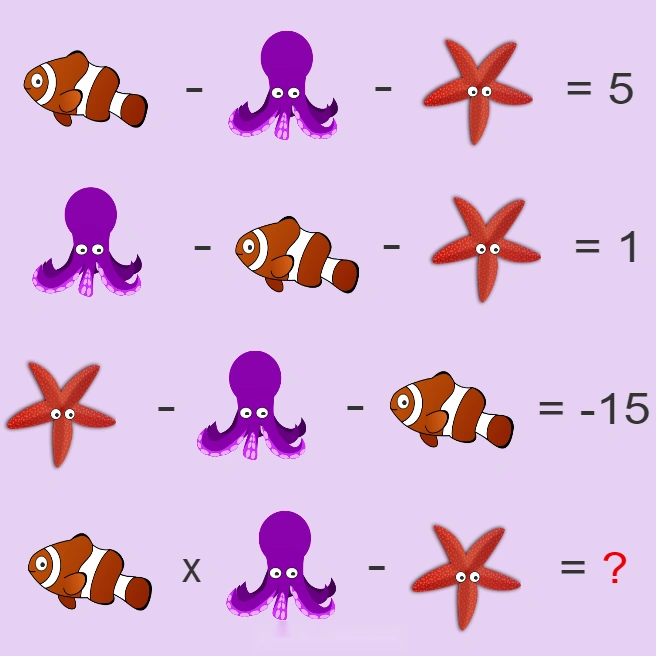
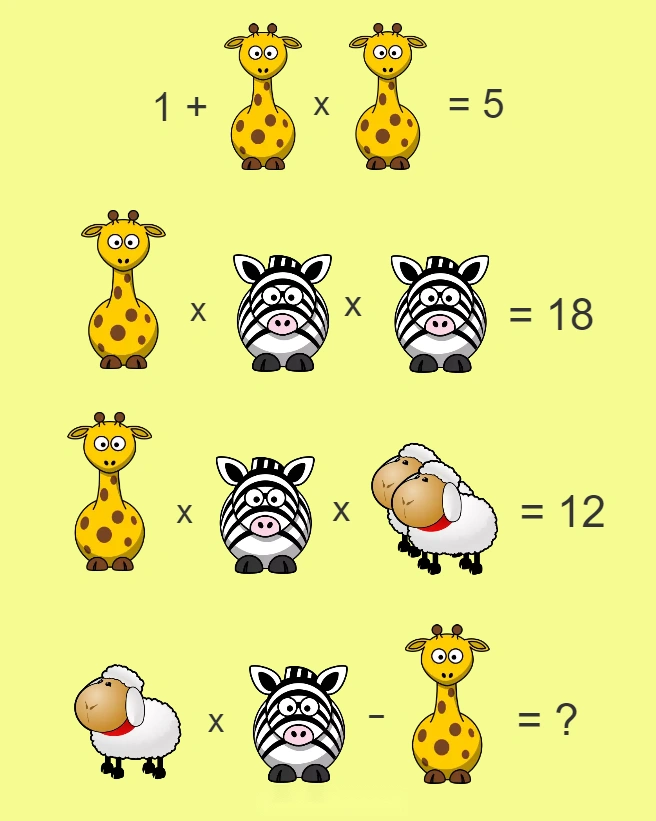
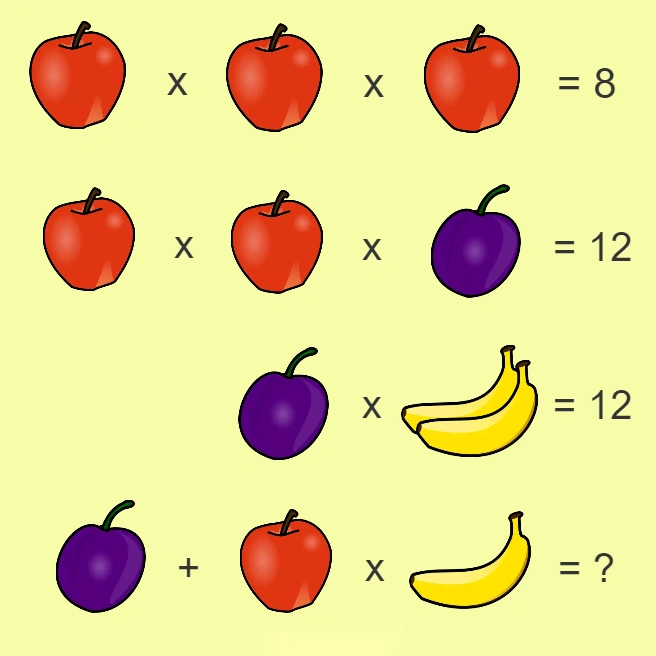
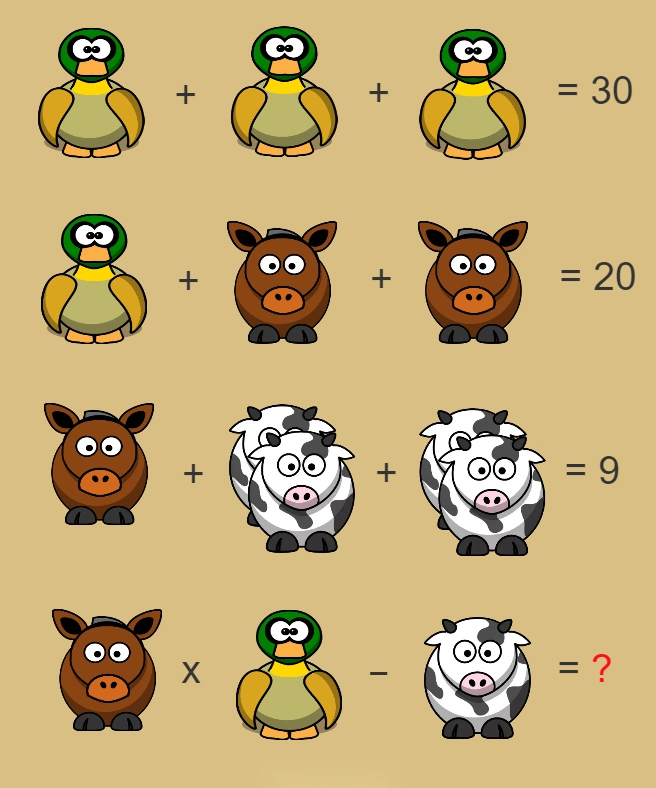
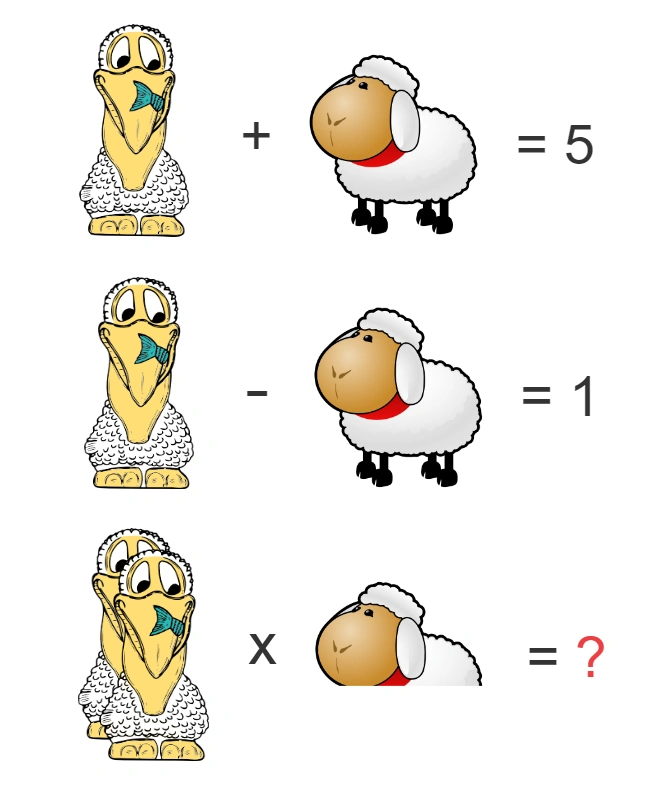
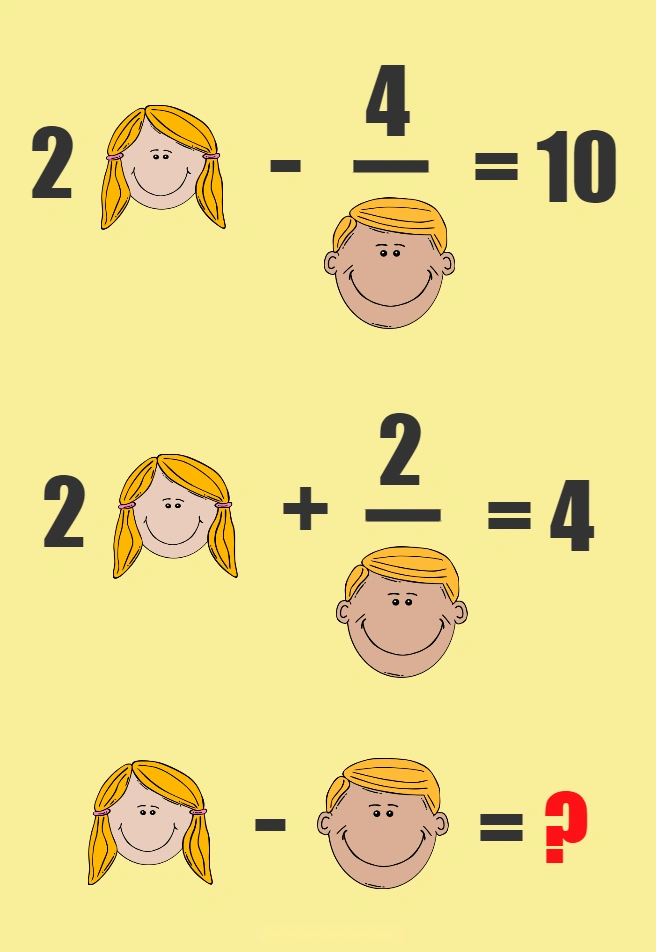
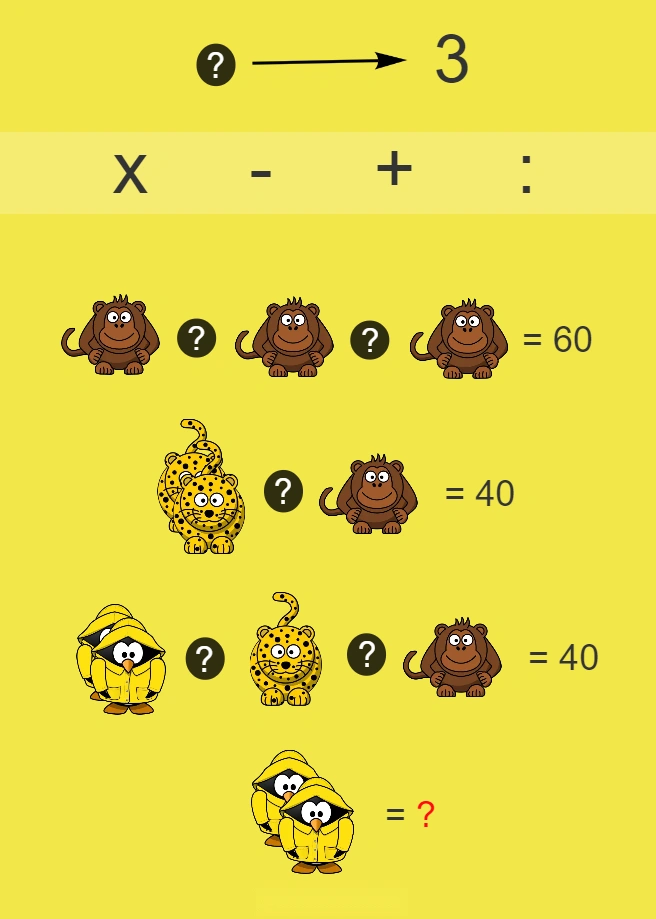
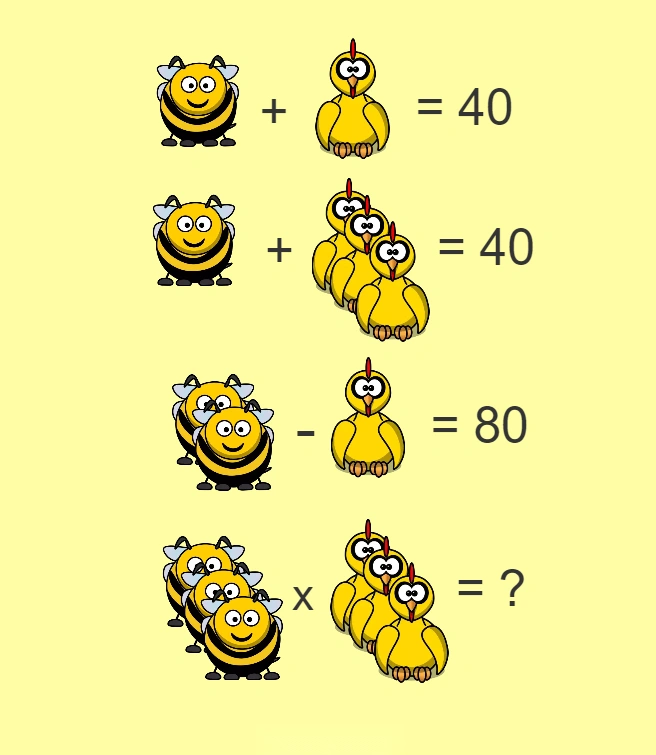
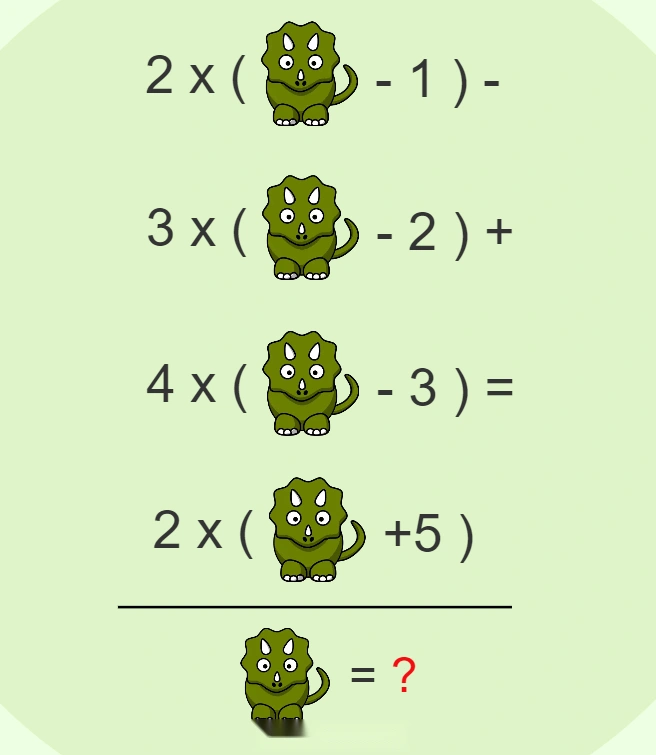
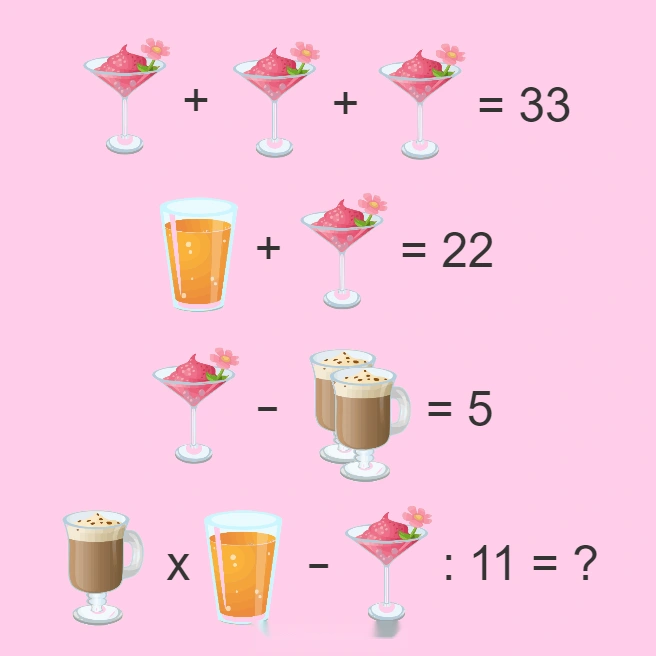
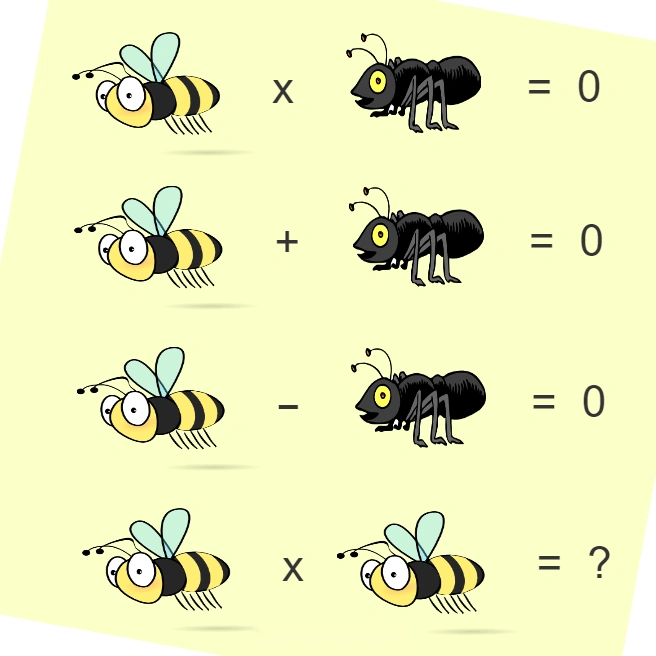
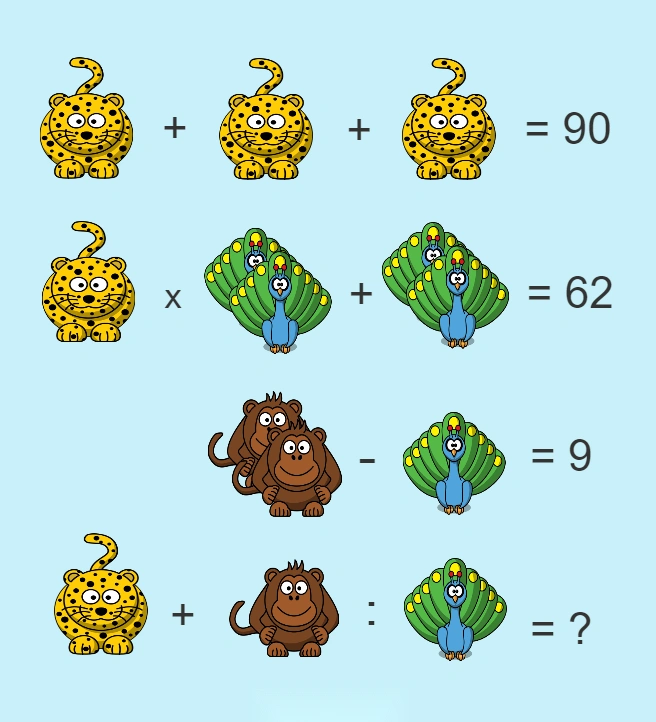
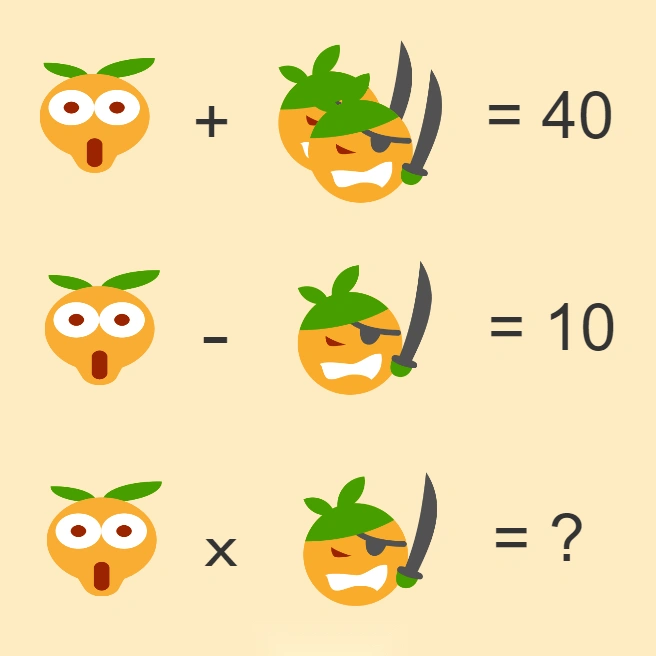
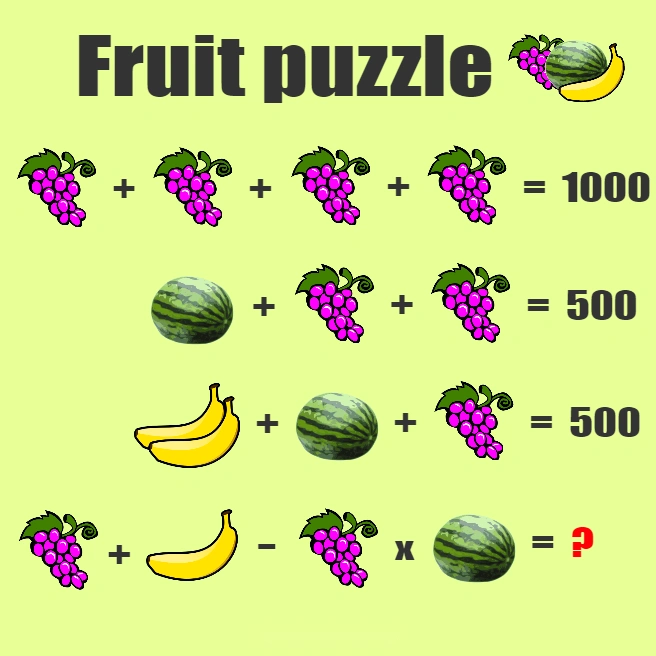
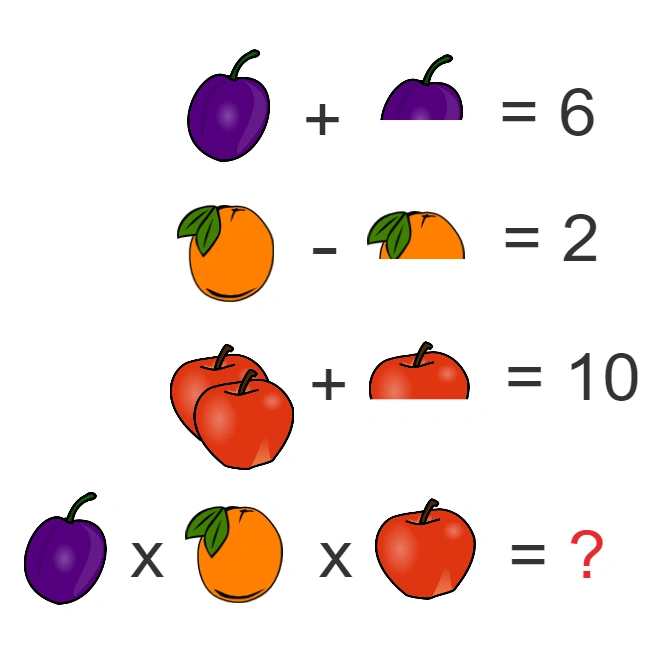
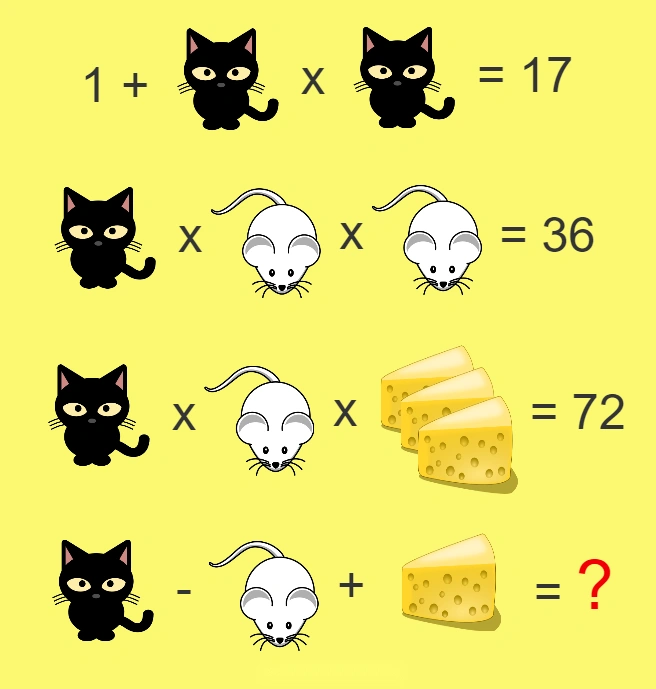
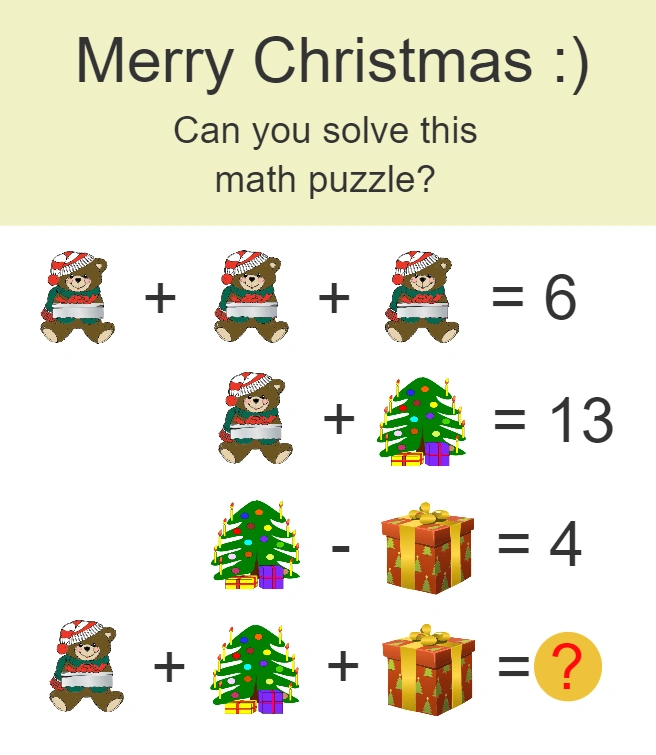
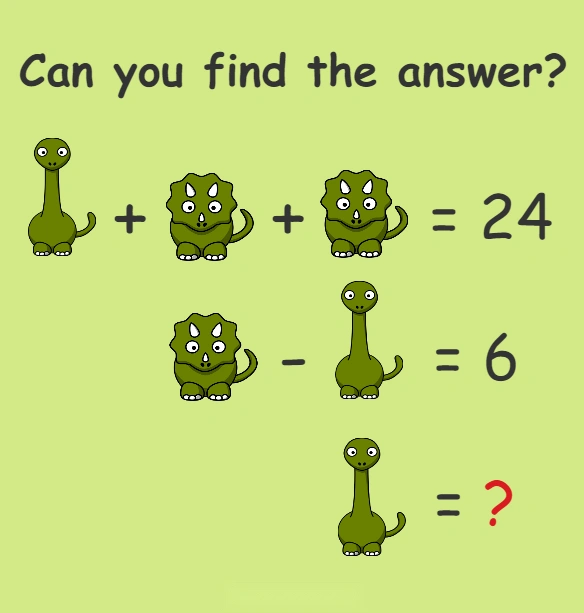
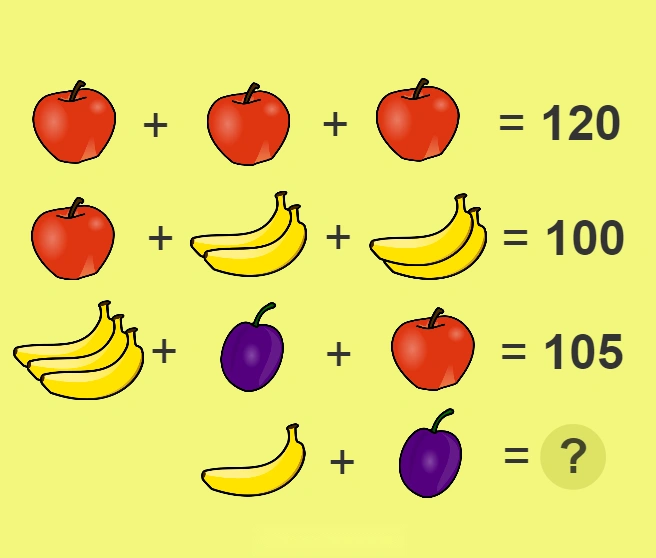
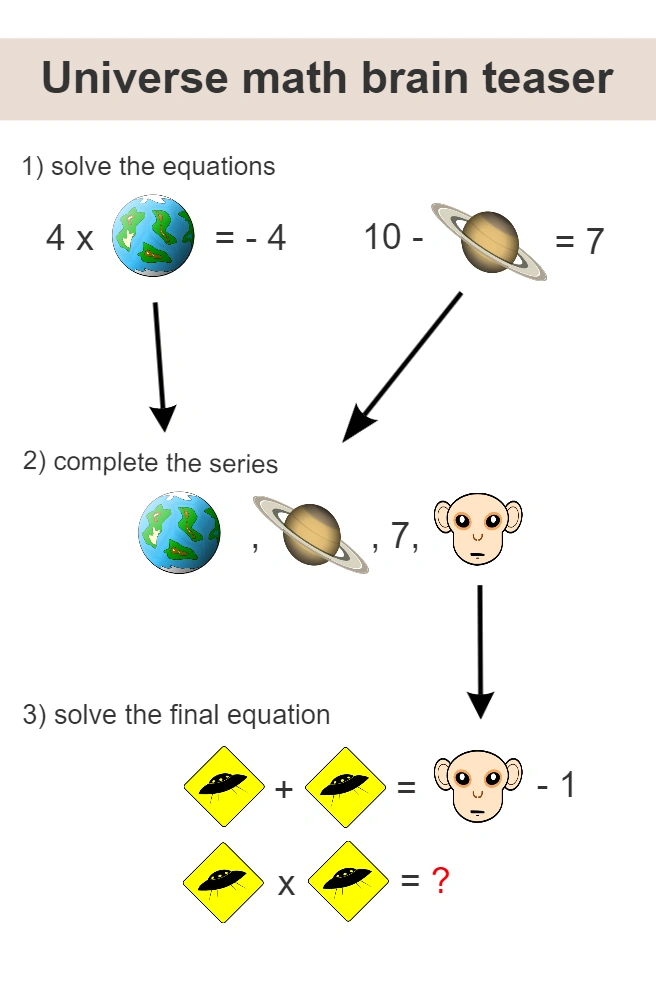
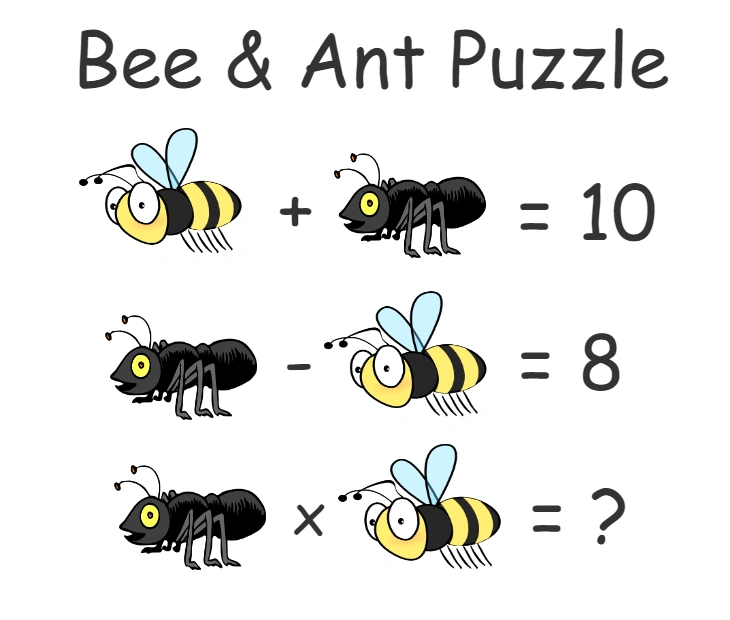
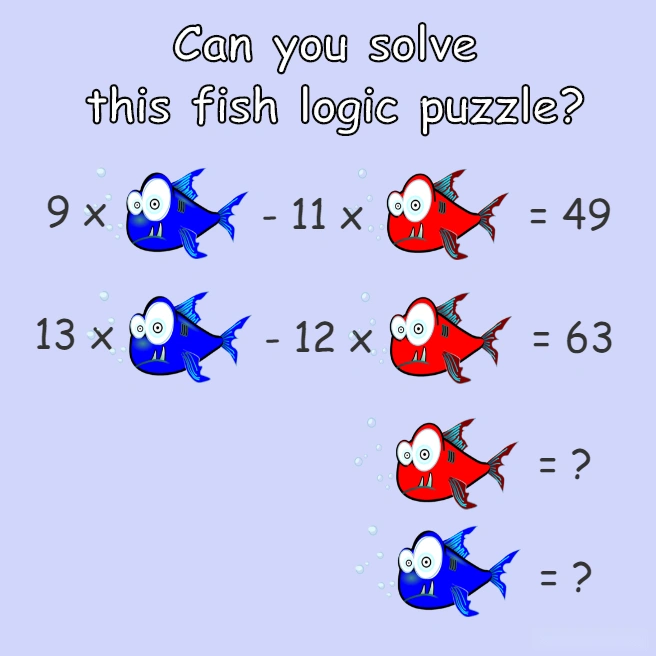
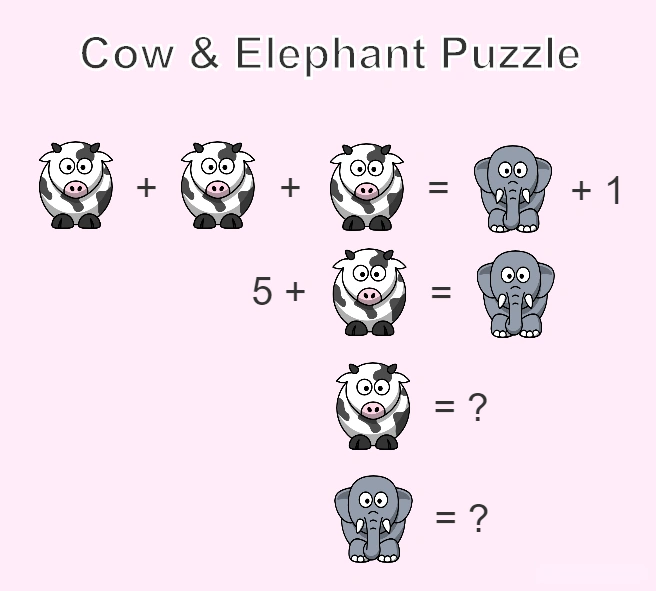
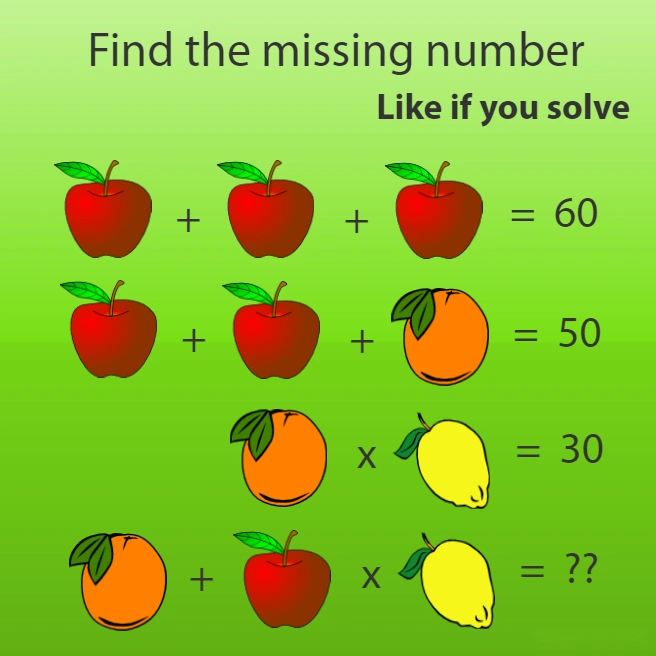
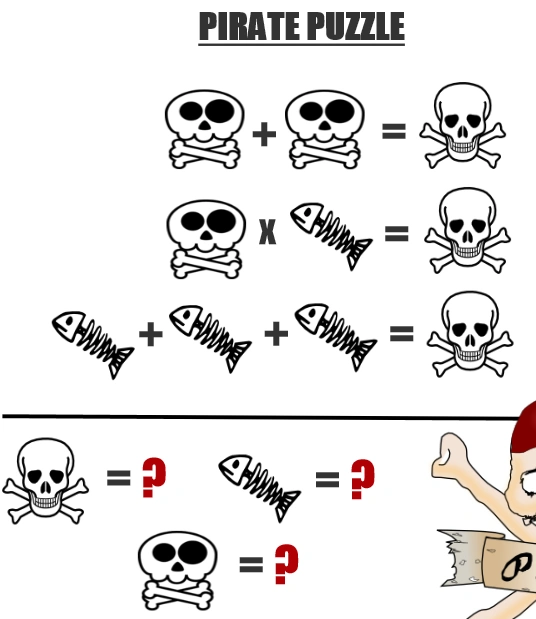
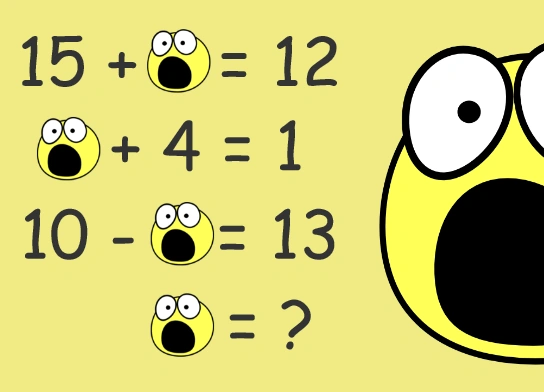
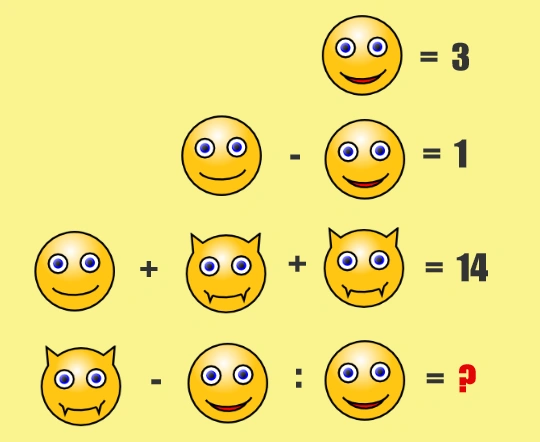
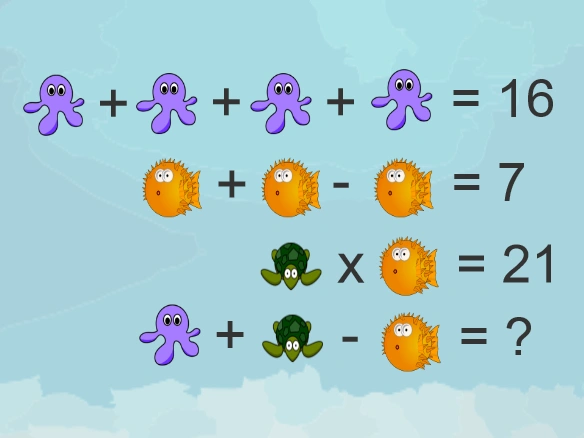
Picture-based number puzzles use the same idea in a visual way. A bunny, bear, shape, or object may represent a value. Once you find the value of each picture, the final equation becomes easier.
Puzzle Types You May See on This Page
This page includes several number-focused puzzle styles.
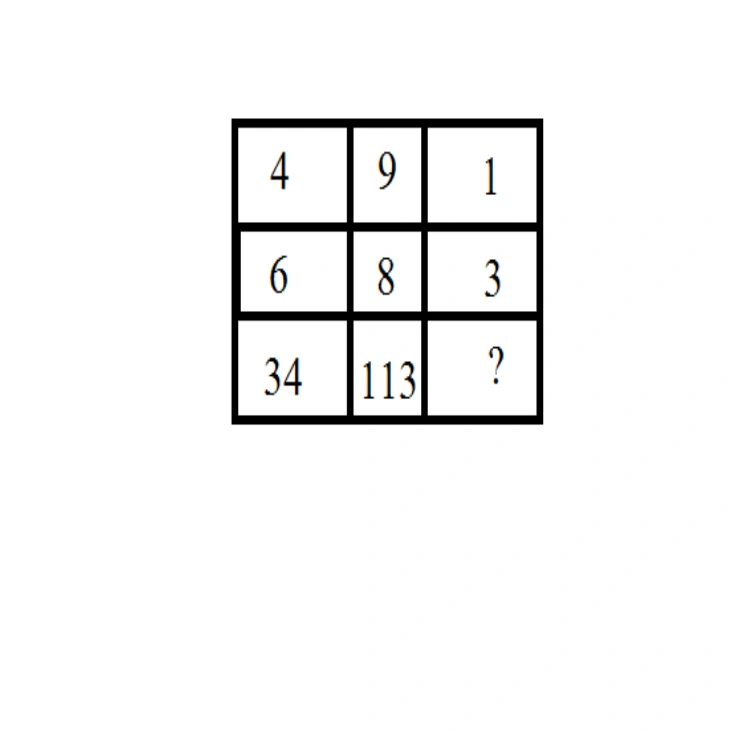
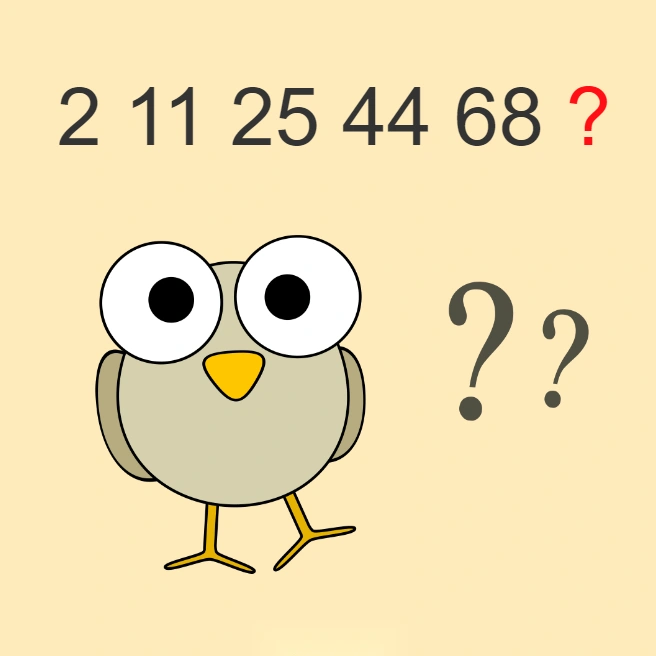
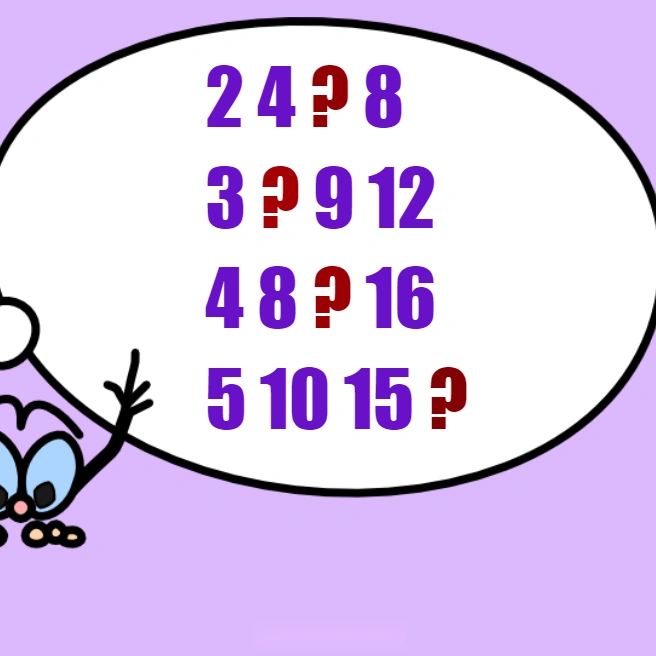
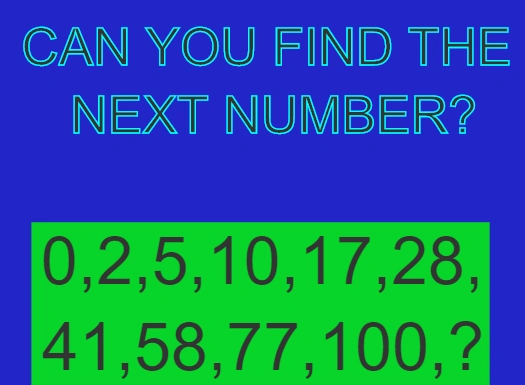
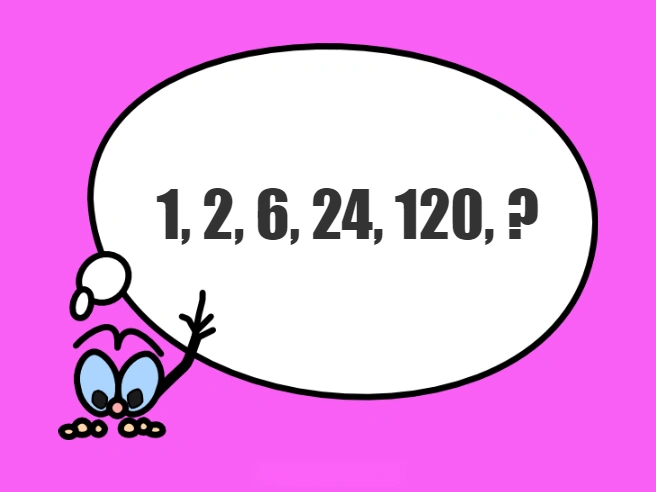
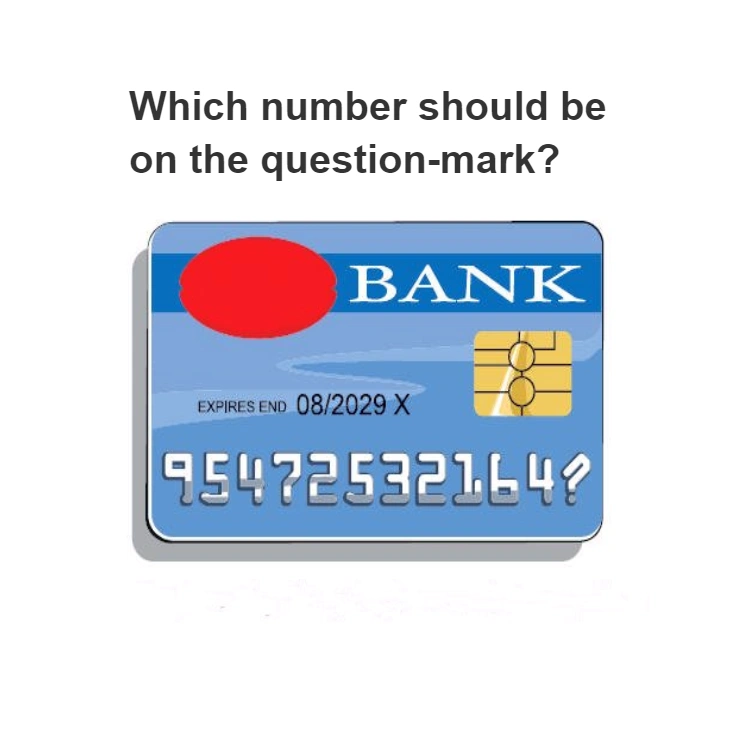
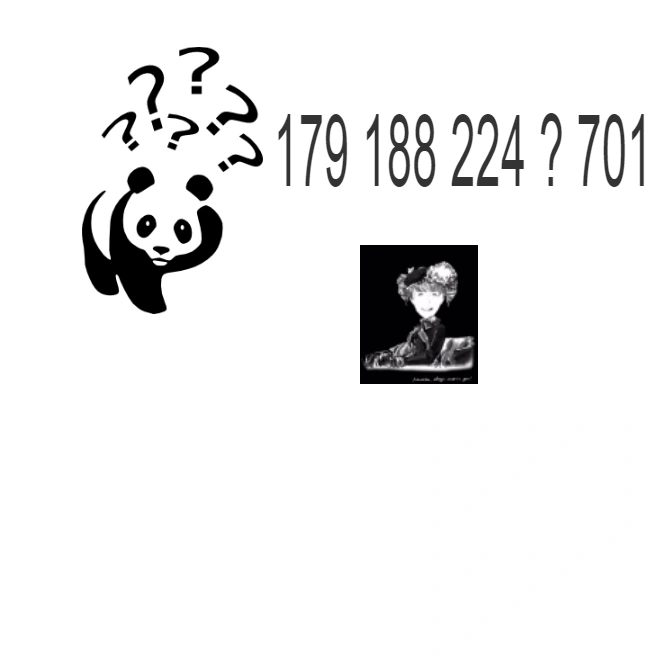
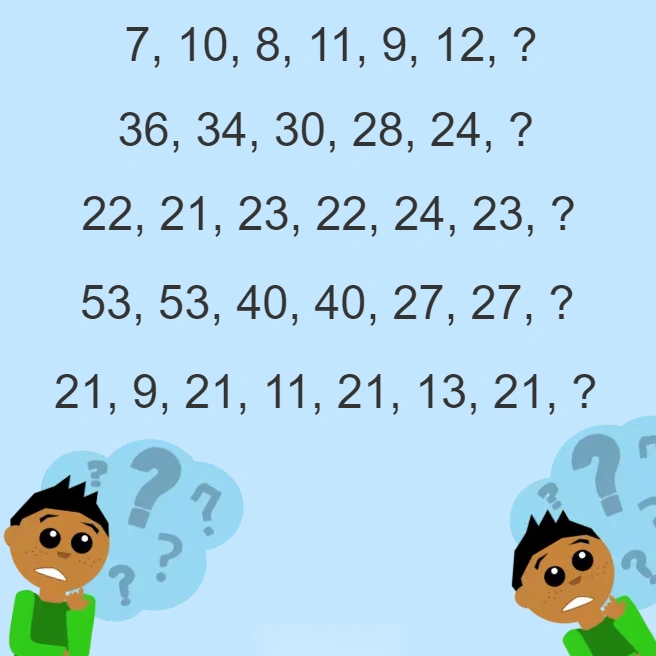
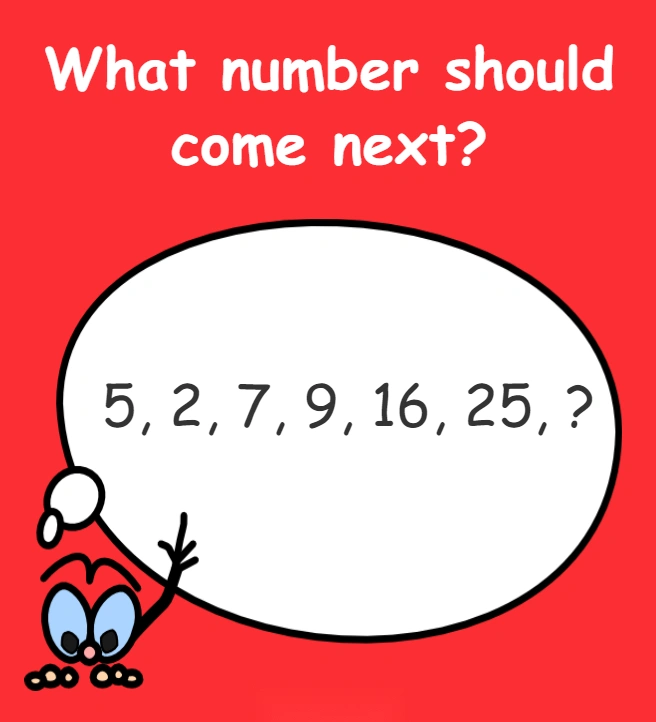
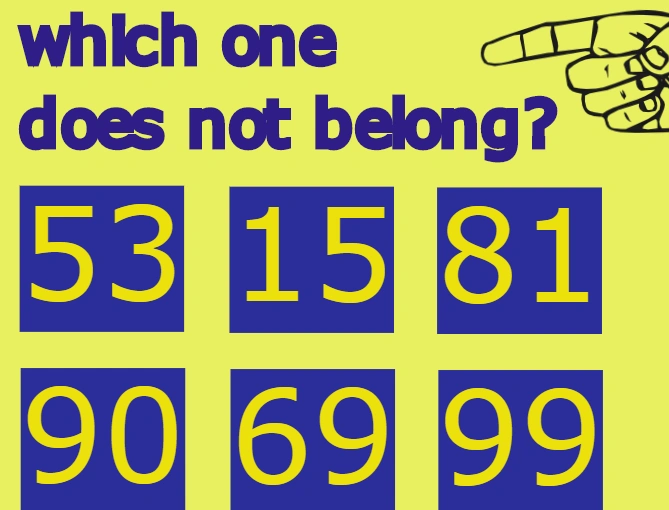
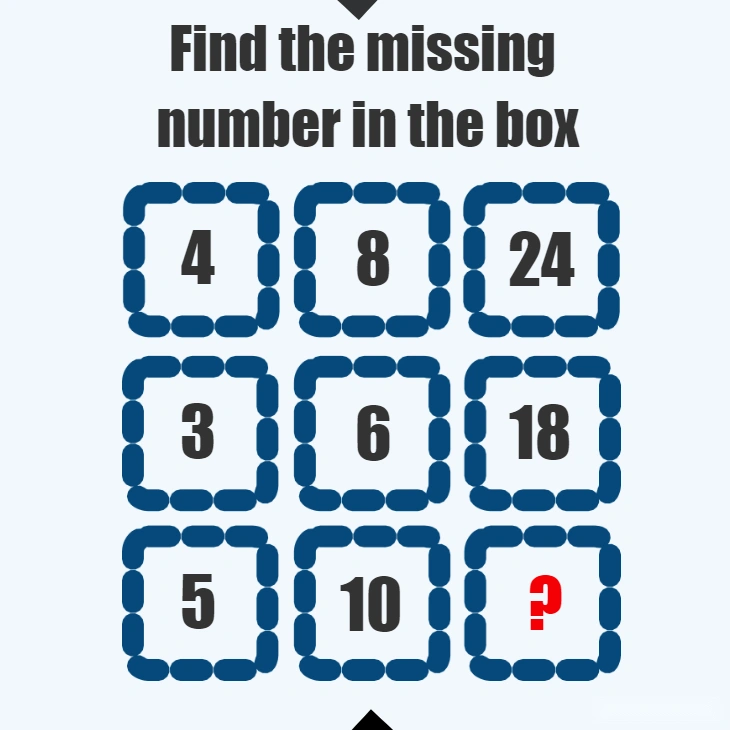
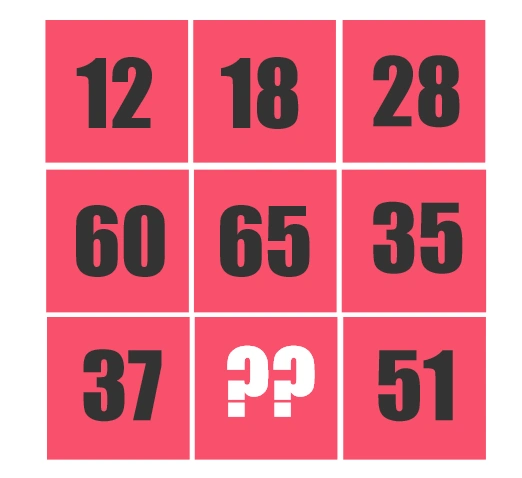
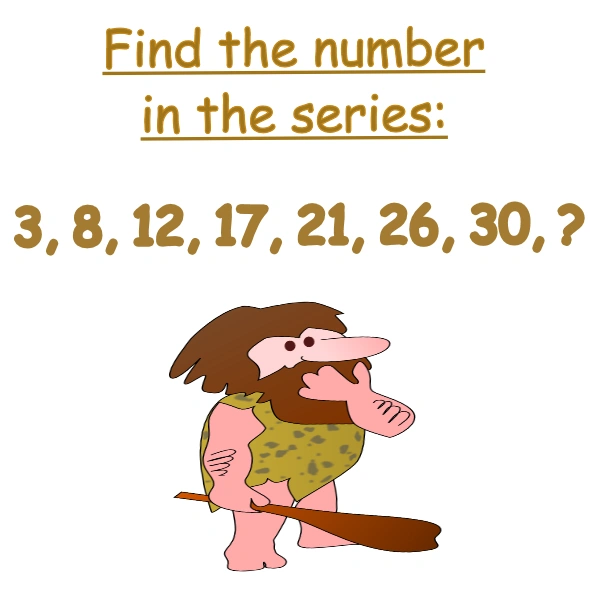
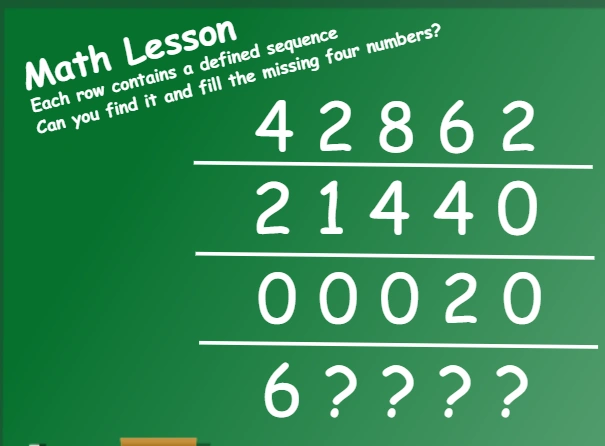
Number sequence cards ask you to find what comes next by checking the difference between values.
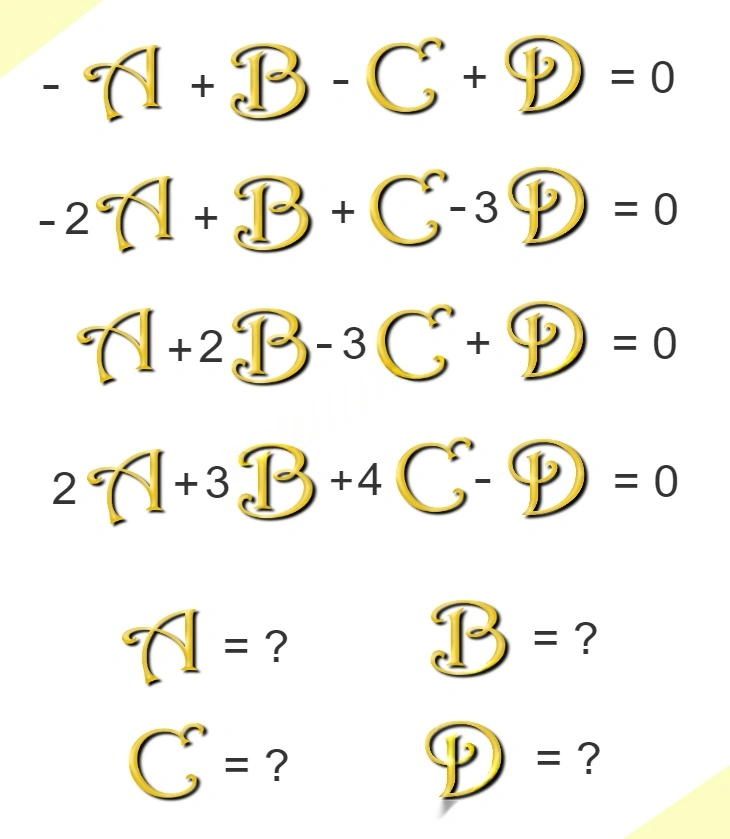
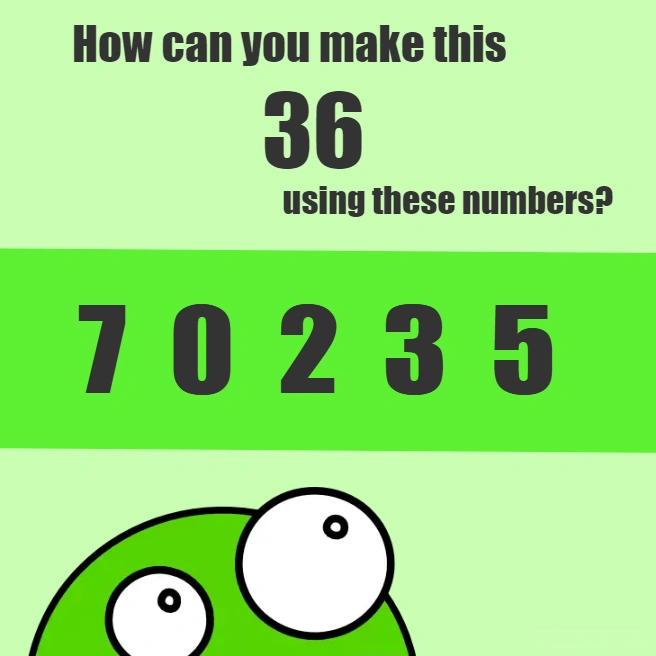
Missing-value equations ask you to compare each line and understand how the answer was created.
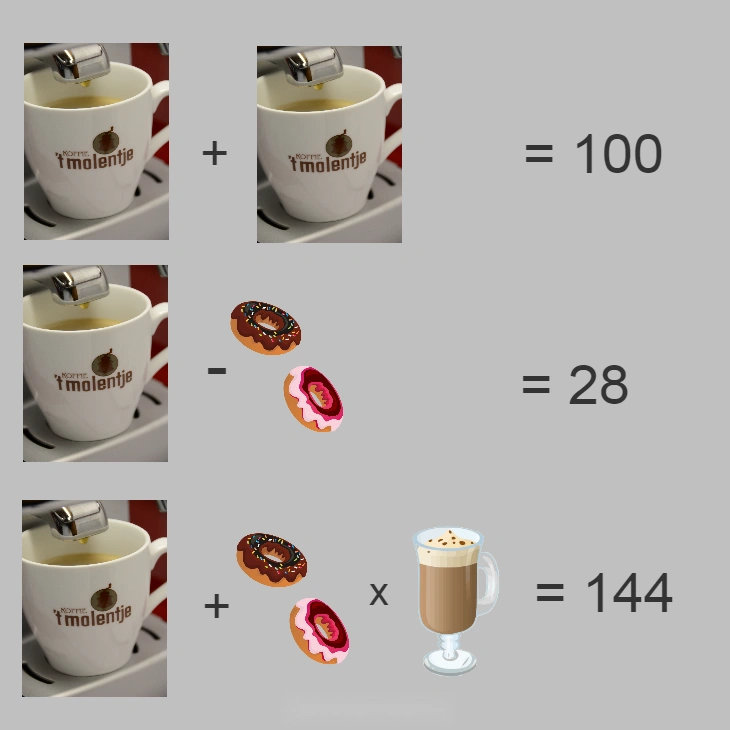
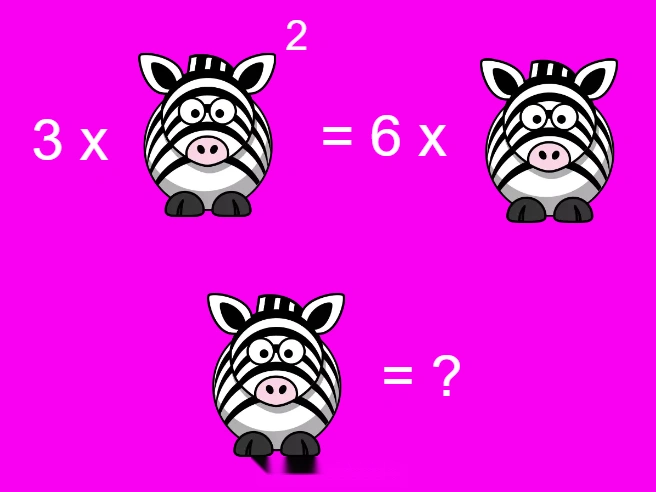
Visual equation cards use pictures or shapes as number values.
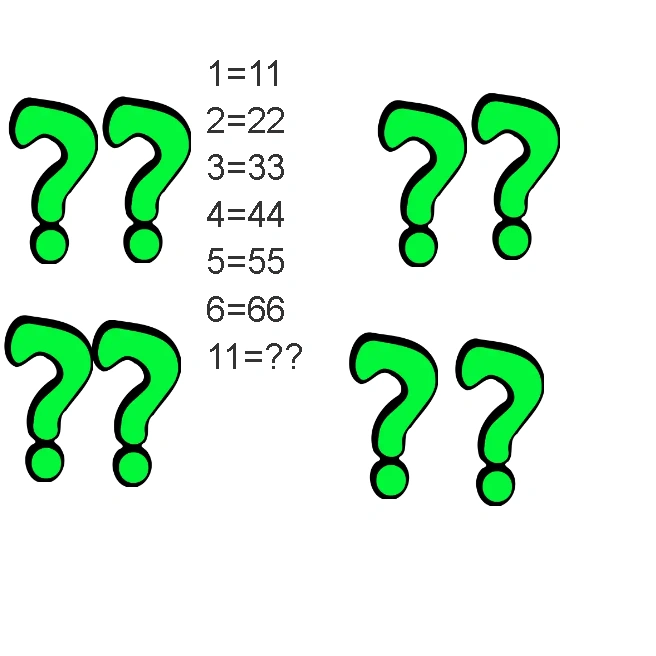
Pattern cards may show unusual results where normal arithmetic is not enough.
Some cards include wording such as “Not What It Seems” or “Keys That Don’t Unlock.” These remind you to read carefully, because the trick may be in the way the problem is shown.
Example-Based Learning From the Cards
A strong number puzzle usually gives enough information to solve it, but not in a direct way. You have to use the earlier lines to understand the final one.
If a bunny and bear puzzle shows different animal combinations, do not start from the last line. First, find the value of one animal, then use that value to solve the second animal. After that, the final line becomes much clearer.
If a card shows a cone volume problem, the approach is different. That type of puzzle may be more direct, but you still need to read the given values carefully. A small missed detail in the image can lead to a wrong answer.
This is what separates Number Math Puzzles from a basic number hunt page. Here, the focus is not just finding numbers. It is understanding what the numbers are doing.
A Safe Solving Method
Start by reading all the given examples. Do not jump straight to the final question.
Compare the first two rows and ask whether the numbers are being added, multiplied, repeated, reversed, or combined.
If pictures are used, write down what each object might represent. Solving one object often helps unlock the rest of the card.
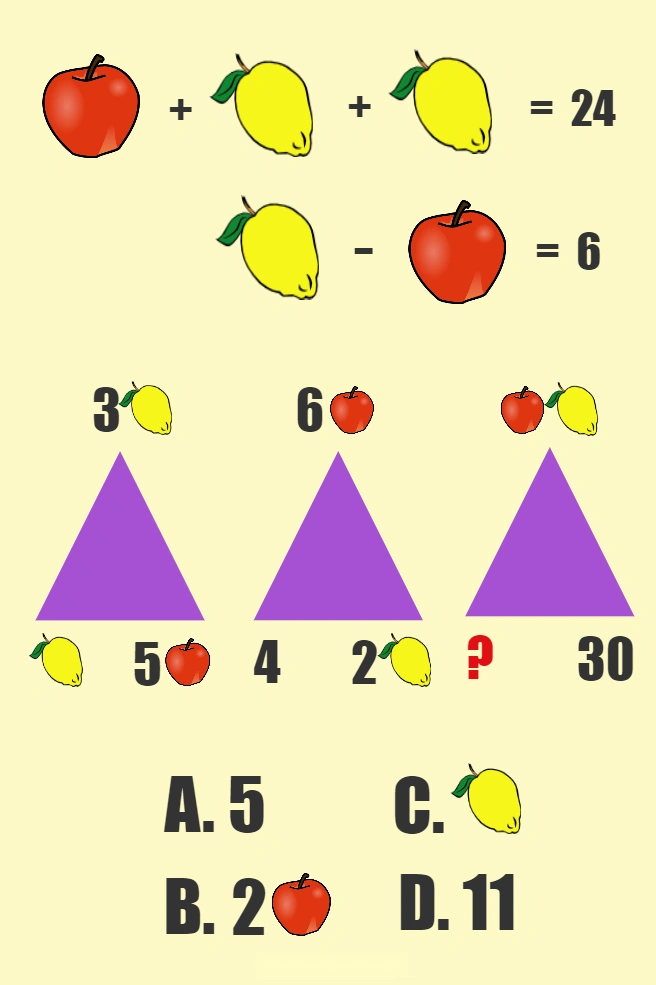
If answer choices are shown, do not pick the most familiar-looking one first. Test the rule and make sure it fits every example.
If one method does not work, try another. Some puzzles use one-step logic, while others combine two small operations.
Common Mistakes to Avoid
Many players try normal arithmetic first and stop when it does not work. In number math puzzles, unusual answers often mean the card is using a hidden rule. Do not assume the puzzle is wrong just because simple addition or subtraction does not match.
Another common mistake is solving only the final line. The earlier examples are usually the key to the answer. If the same rule does not work across all given lines, it is probably not the correct rule.
Picture puzzles also need careful checking. A small change in the picture, object count, or symbol position can change the value. Always compare the full card before choosing an answer.
Who Should Try These Brain Maths Challenges?
These puzzles are helpful for students who want to improve number sense, pattern recognition, and logical thinking. They can also help adults who enjoy short brain challenges that require more than a quick glance.
Beginners should start with easier sequence or missing-number cards. After that, they can move to picture equation cards and hidden-rule puzzles.
If you prefer mixed puzzle cards with rebus clues and shape counting, visit the Math Puzzle page. If you enjoy careful clue reading, Logic Puzzles may also be useful. For structured number placement, Sudoku Puzzles are a good option.
What These Puzzles Teach
- Comparing examples before answering.
- Finding hidden rules.
- Testing more than one method.
- Understanding picture values.
- Avoiding quick guesses
- Checking whether a rule fits every line
That makes the page useful for learning, not just entertainment.
Why Trust This Number Puzzle Guide?
This guide is written to help players understand how number math puzzles work instead of simply showing answers. It explains hidden rules, picture values, common mistakes, solving steps, and puzzle types so beginners can approach each card with a clear method.
Frequently Asked Questions
They are brain challenges where you solve missing values, number patterns, equations, or picture-based number clues.
No. Normal questions usually follow direct rules. Number math puzzles often hide the rule, so you need to find the pattern first.
Compare the examples, test possible rules, and avoid guessing. Most puzzles become easier once you understand the pattern.
Yes. They can help students practice number sense, focus, logical thinking, and problem-solving.
Yes. Beginners can start with simple pattern cards, then move to harder equation and picture-based puzzles.
Because many puzzles use hidden rules instead of direct arithmetic. The answer may depend on multiplying, combining, reversing, or comparing numbers in a specific way.
Look at the earlier examples and test other patterns. Try multiplication, digit changes, position-based rules, or two-step logic before choosing an answer.