
Picture Number Hunt Puzzles for Kids
Explore picture-based number hunt puzzles with animals, farm scenes, counting cards, worksheets, cookies, stars, and object groups.Each card combines counting, observation, and number recognition so users can practice numbers in a more visual way.These puzzles are especially helpful for children who learn better through colorful images instead of plain number drills.
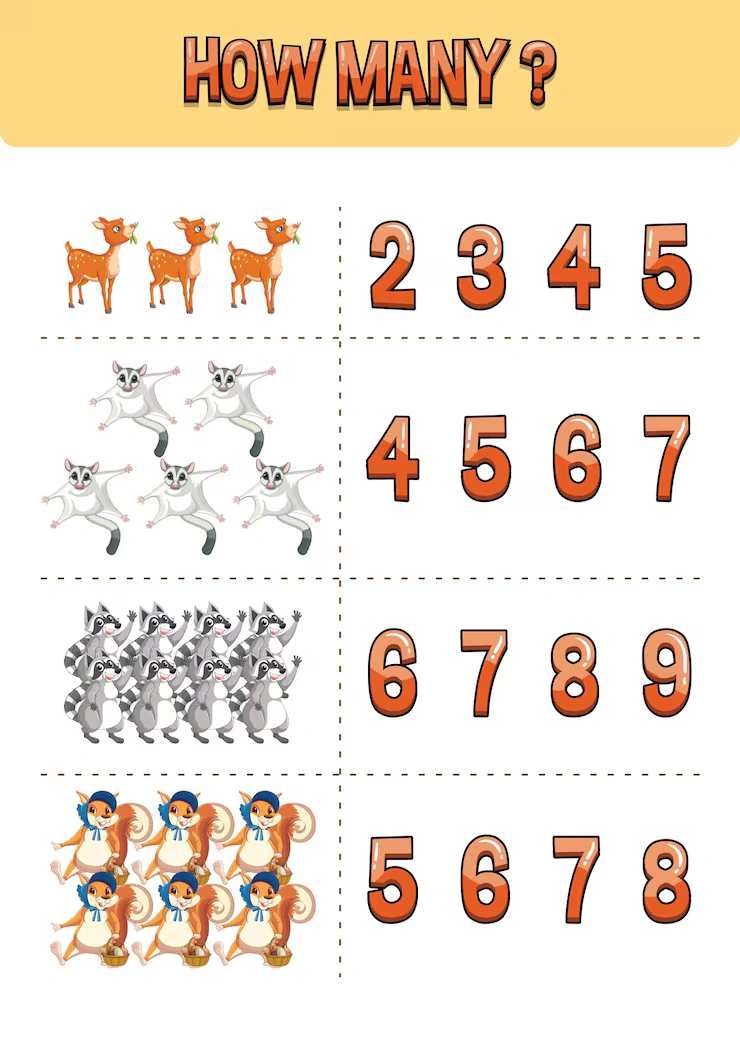
Worksheet design for counting animals
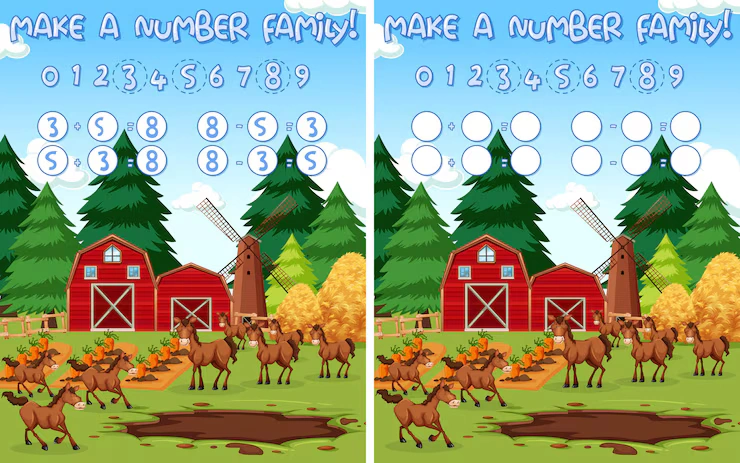
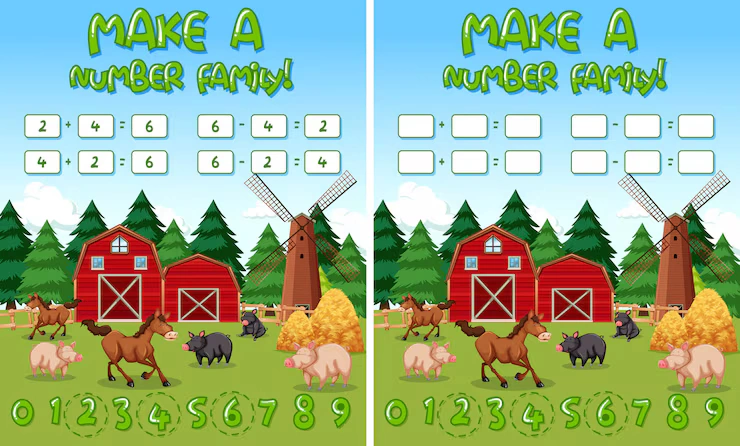
Make a number family
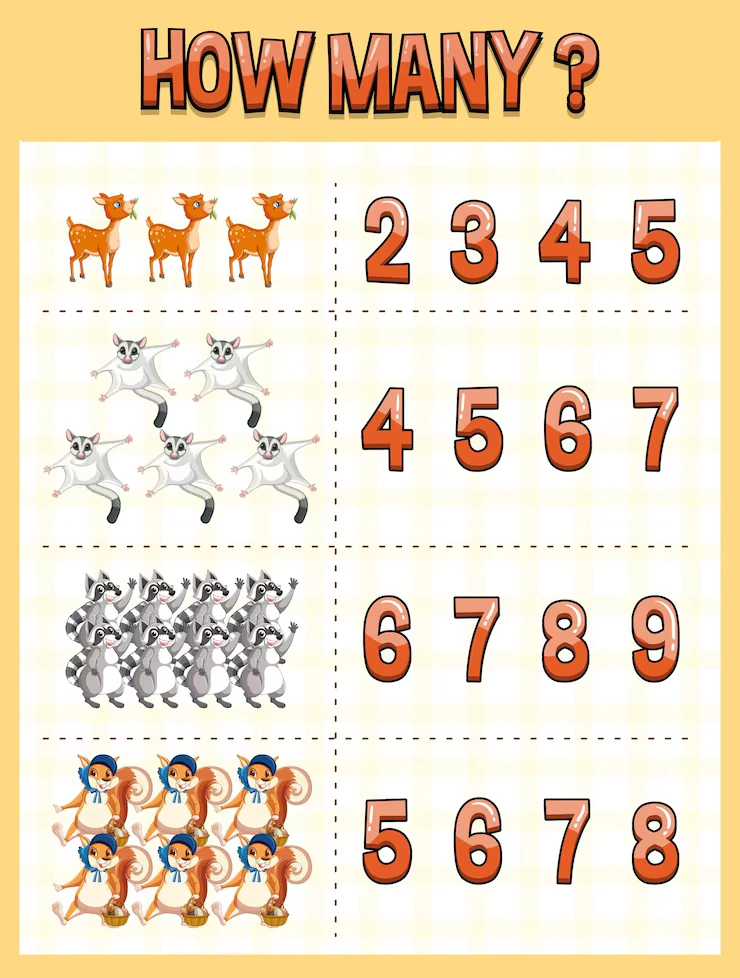
Counting number template with animal
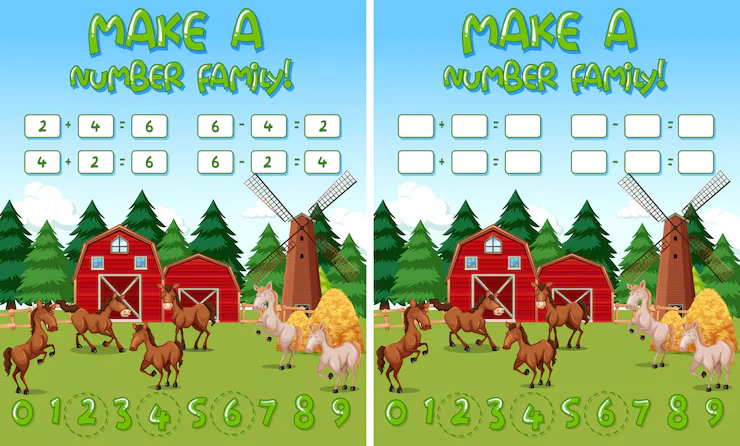
Farm math game template with horses and farm objects
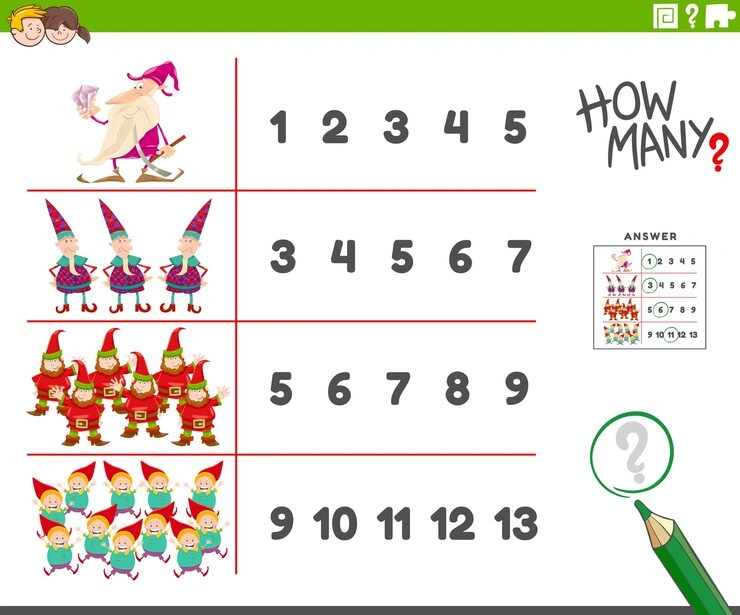
counting activity with cartoon dwarf characters
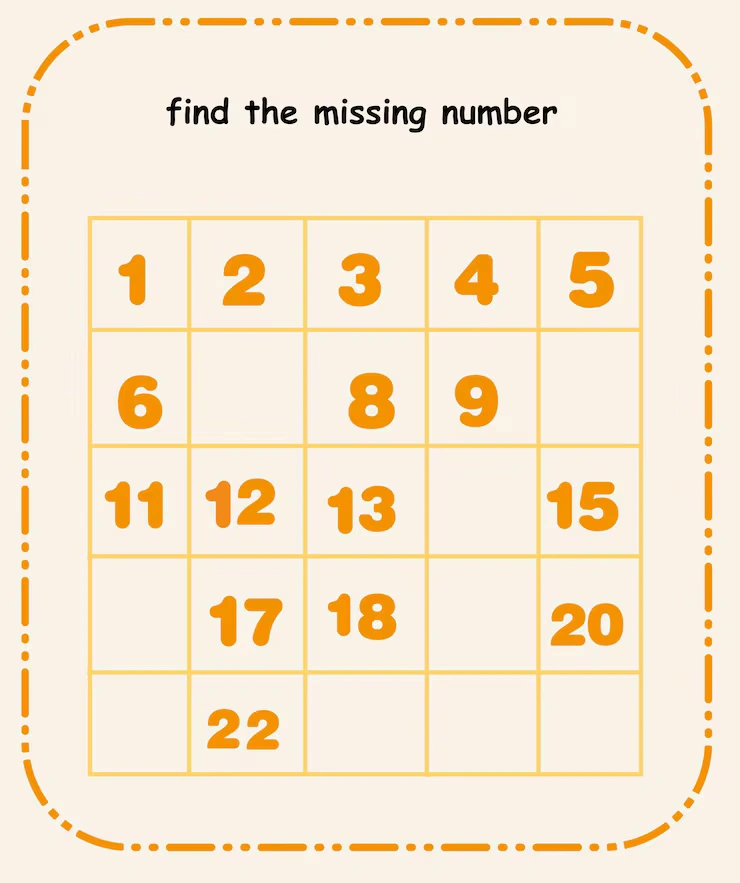
Educational Math Puzzle Find the Missing Numbers Activity
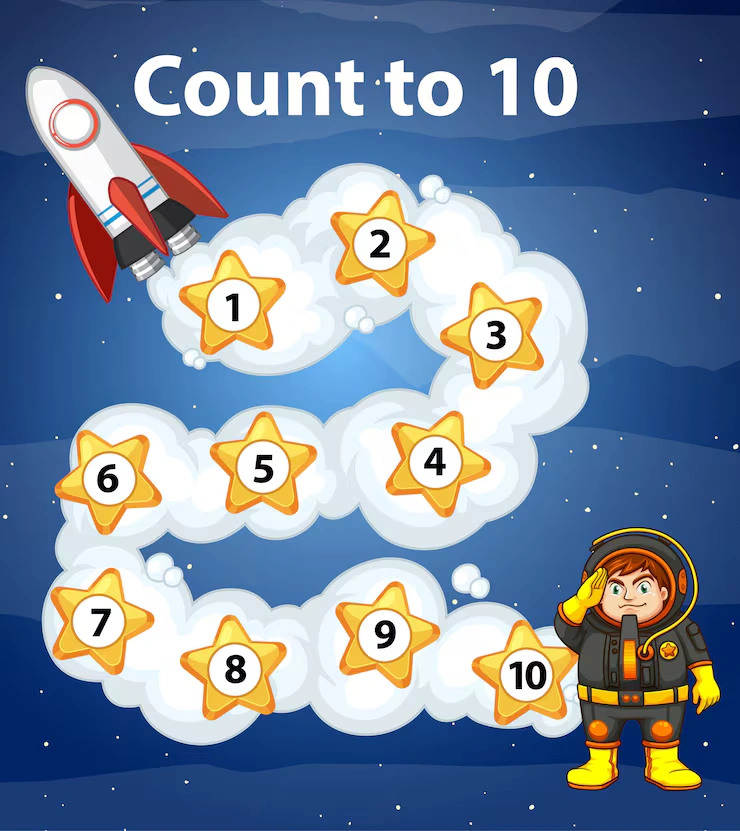
Game design with counting to ten in space
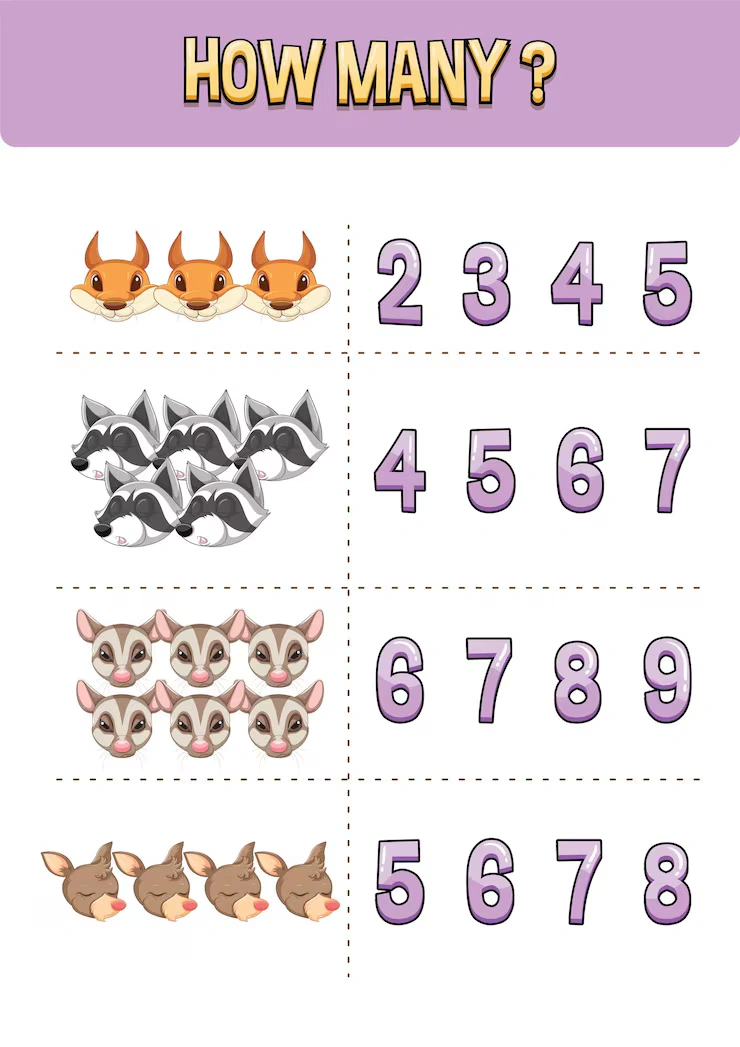
Match pictures with numbers for kids
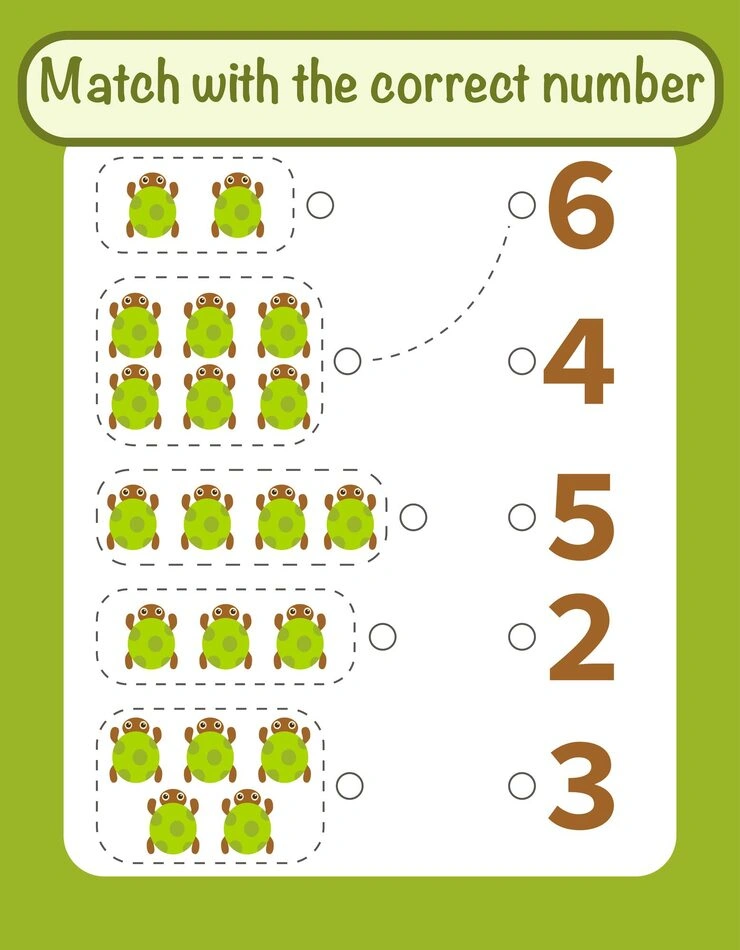
Vector count and match numbers math worksheet template Count green turtles
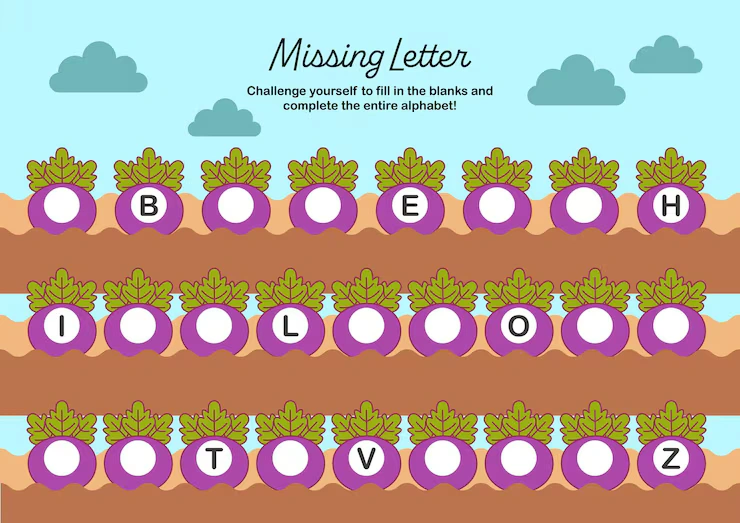
complete the missing letter worksheet for kids fun education learning
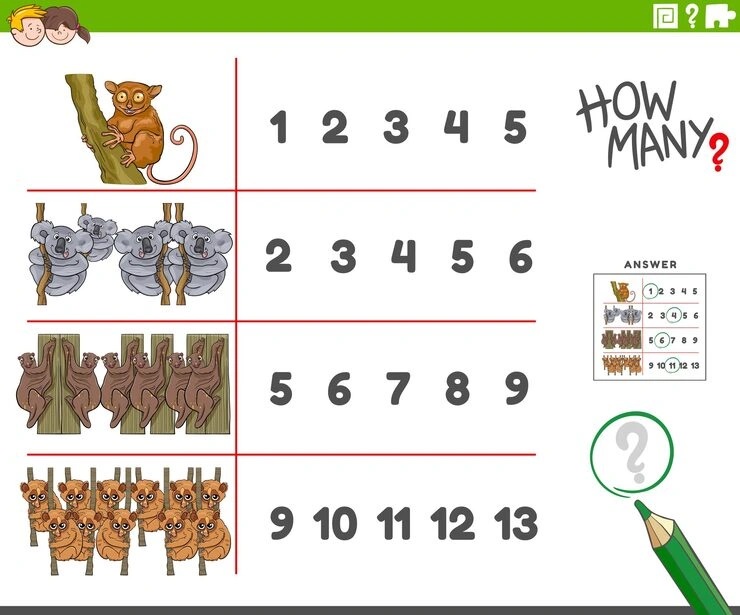
Cartoon illustration of educational counting activity for children with animal characters
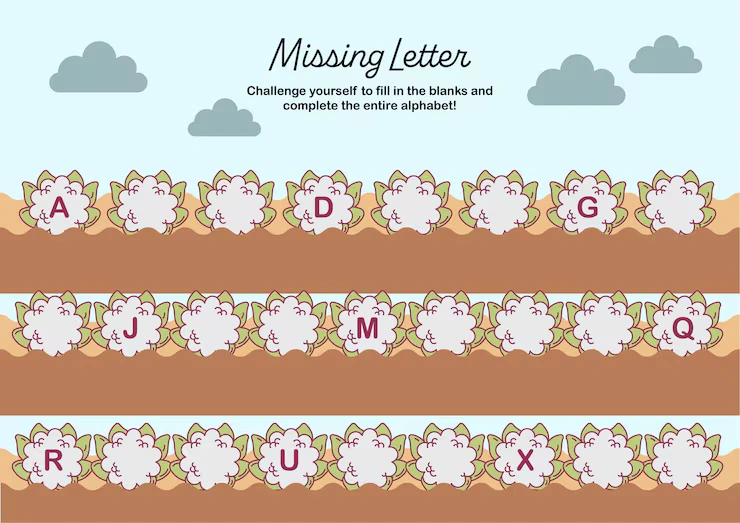
complete the missing letter worksheet for kids fun education learning
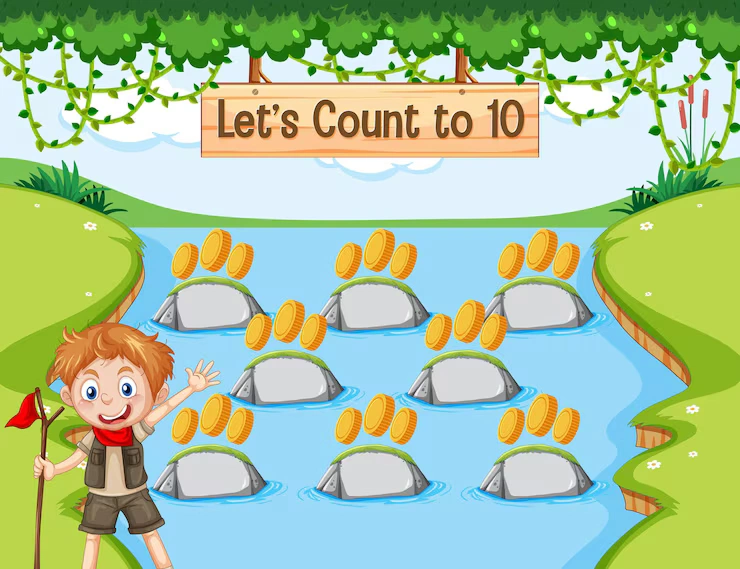
Game background template with stars and locks
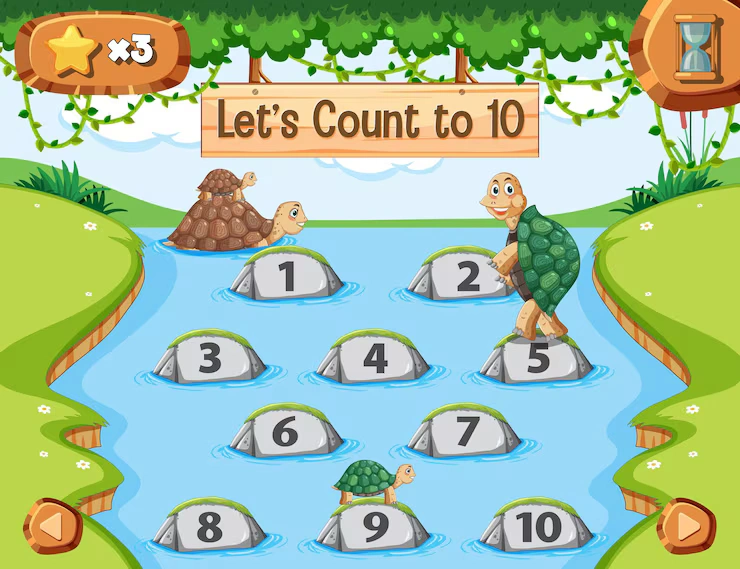
Forest scene with Let's count to 10 game template
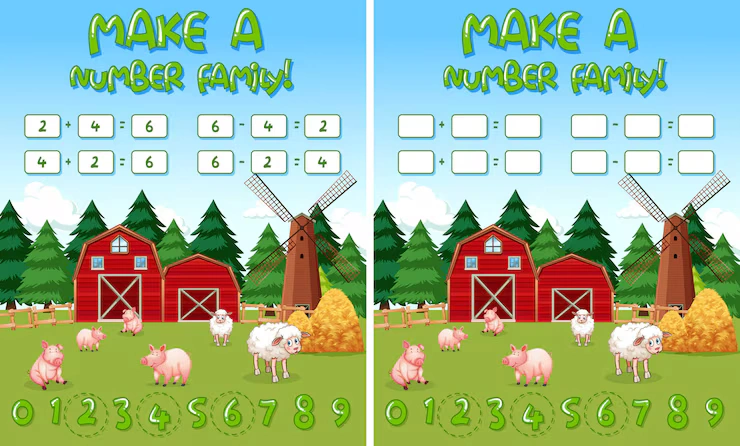
Make a number family
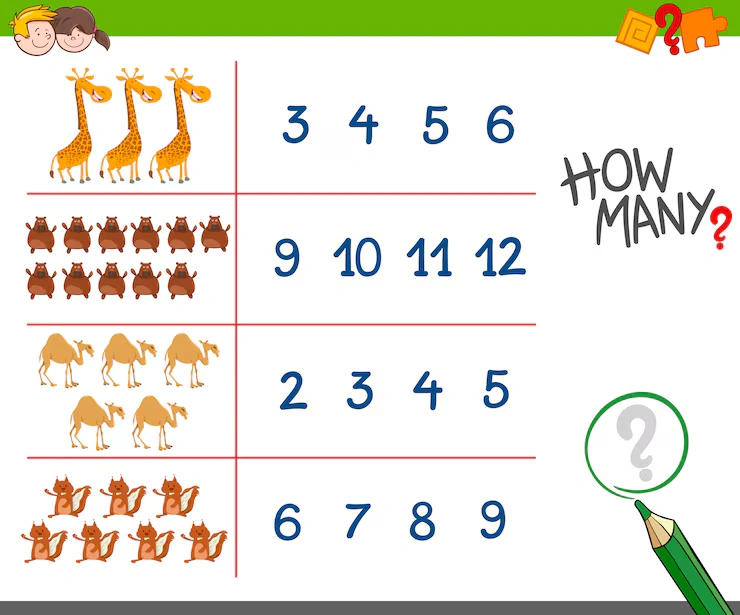
counting activity with cute animals
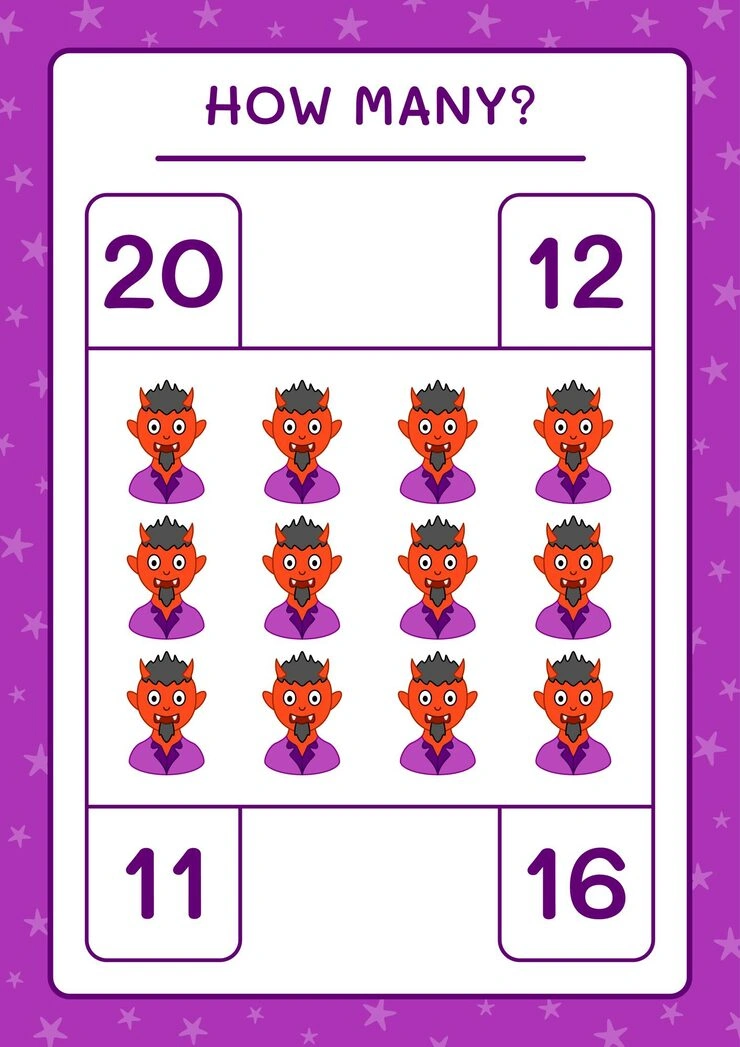
How many Devil, game for children. Vector illustration, printable worksheet
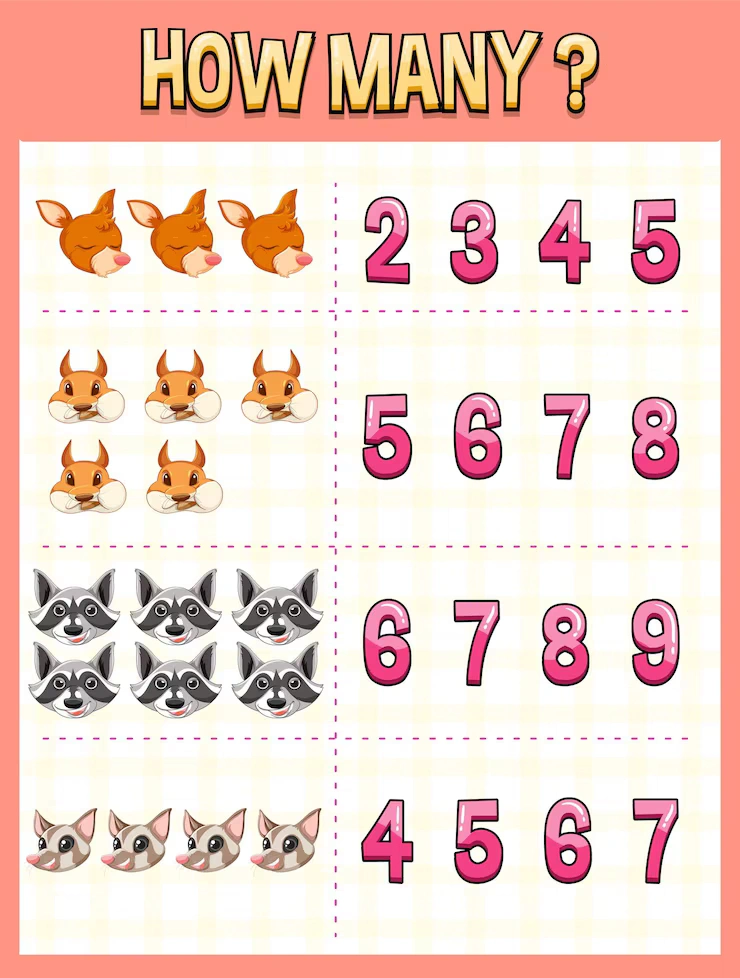
Counting number template with animal
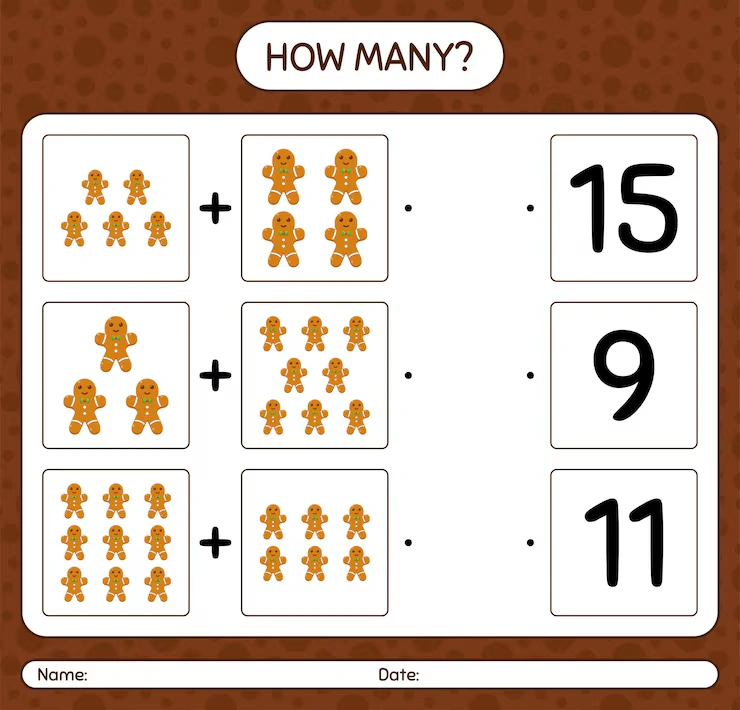
How many counting game with gingerbread cookie. worksheet for preschool kids, kids activity sheet
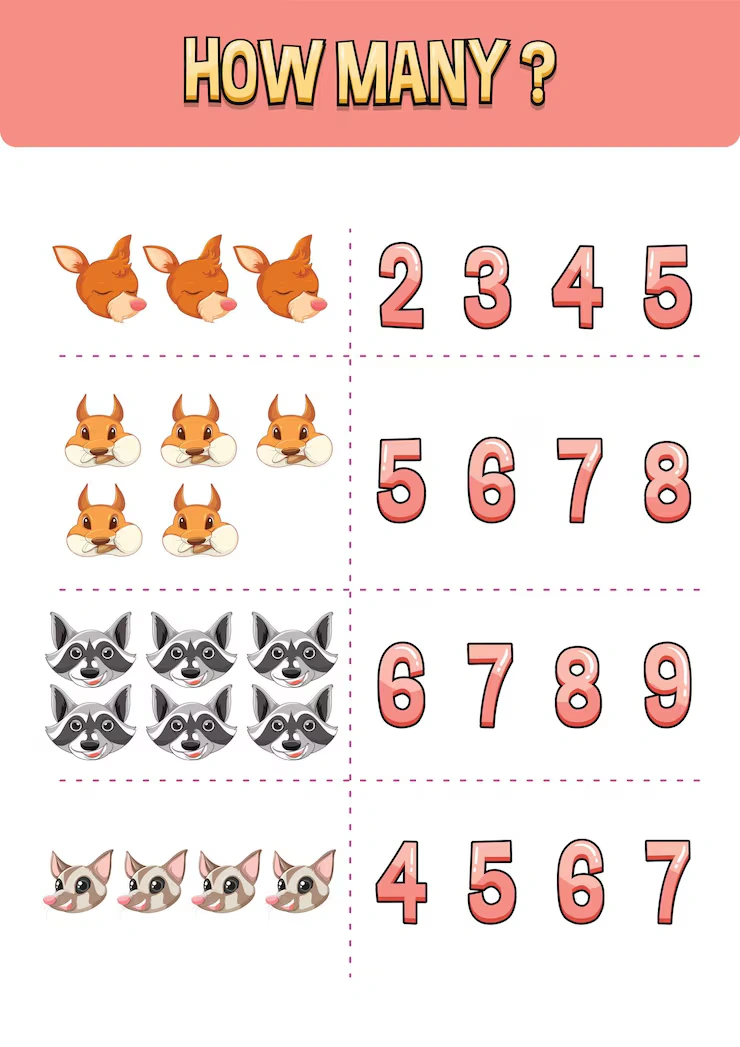
Worksheet design for counting numbers
Picture Cards Built Around Counting and Observation
This page is different from a normal hidden-number game. Here, many cards look like classroom-style counting activities, but each one still needs careful attention.
Some puzzles show groups of animals with number choices beside them. Some use farm houses, forest scenes, stars, cookies, balloons, or space objects. Other cards ask you to complete a missing number sequence or match a group of objects with the correct number.
That mix makes the page useful for children who are learning numbers and for anyone who enjoys quick visual puzzles.
Why These Cards Are Easy to Misread
The first thing you notice is usually the picture, not the number clue. On a farm card, your eyes may go to the house or animals first. On a space card, the stars and bright shapes may stand out before the counting task.
This is why some cards feel easier than they really are. A child may choose an answer too quickly because the group “looks like” a certain number. But one small animal, star, cookie, or object near the edge can change the correct answer.
In missing number cards, the challenge is different. You need to follow the order carefully and notice the gap in the sequence.
What Children Can Learn From This Page
These Hidden number puzzles can help children practice number recognition in a natural way. Instead of only reading numbers on a plain worksheet, they see numbers beside pictures, inside grids, and near colorful object groups.
The cards also support counting practice. When a child counts animals, cookies, stars, or objects, they learn to slow down and check each item.
Visual comparison is another useful skill here. Some rows look almost the same, but one extra object can change the answer. That teaches children not to guess from the first look.
For parents and teachers, these cards can work well as a short warm-up activity. After the child answers, ask them to explain how they found it. That simple step helps confirm whether they counted correctly.
Why Picture-Based Number Practice Feels Different
Many children find picture-based puzzles easier to approach than traditional worksheets because the numbers are connected to animals, cookies, stars, objects, and colorful scenes. Instead of looking at a list of numbers on a page, children interact with pictures and use counting to find the answer.
This visual approach can make number practice feel more like a game than a lesson. A child may count cookies on one card, match animals to numbers on another card, and complete a missing number sequence on the next. Even though the activities are different, they all encourage careful observation and number awareness.
Because the pictures change from card to card, children also learn to recognize numbers in different situations rather than memorizing them in only one format.
Real Card Examples From This Page
One card shows a “Let’s Count to 10” forest scene with small animals and numbered circles. The background looks playful, but the main task is to connect the animals and numbers correctly.
Another card shows gingerbread cookies with choices such as 15, 9, and 11. This type of puzzle should not be solved by guessing from the layout. The better method is to count the cookies one by one and match the total.
There are also animal counting worksheets with answer options like 4, 5, 6, 7, 8, and 9. These are useful because children can compare the object group with the available choices.
You may also see missing number grids from 1 to 20. These help children practice number order and spot which value is missing.
A Simple Way to Solve Each Card
Start by looking at the full card, but do not answer immediately.
If the card has objects, count them slowly. If the objects are arranged in rows, count row by row.
If the card has number choices, compare the total with each option before selecting.
If the card has a missing number grid, read the sequence from the beginning and stop where the gap appears.
If the card uses a busy background, check the corners and smaller objects. Many mistakes happen because one detail is missed.
Small Mistakes That Change the Answer
The most common mistake is counting too fast. Children may skip an object or count the same one twice.
Another mistake is focusing only on the middle of the card. Some objects may appear near the edge, in a corner, or beside a label.
In picture-matching cards, similar rows can be confusing. Look at the full group before deciding.
If the answer does not seem clear, take a short pause and check again. These puzzles are easier when you look carefully, not quickly.
Continue With Related Puzzle Practice
After trying these number hunt cards, children who enjoy counting can move to Number Math Puzzles for patterns and simple equations. If they enjoy reasoning clues, Logic Puzzles are a good next step. For visual scanning practice, Word Search Puzzles can also help build focus in a different way.
Best Way for Parents and Teachers to Use These Cards
These puzzles work best when children explain their answers instead of only selecting them. After a child finishes a card, ask simple questions such as:
- How did you count the objects?
- Which number was missing?
- What made you choose that answer?
- Did you check every object before answering?
This encourages children to think through the puzzle step by step and can help build confidence with counting and number recognition.
Frequently Asked Questions
It is a visual puzzle where you find, count, match, or identify numbers using pictures, object groups, worksheets, or number grids.
Yes. They help children practice counting, number recognition, visual focus, and comparison in a playful way.
This page includes animal counting cards, farm scenes, forest counting cards, missing number grids, cookie counting, space cards, and picture-matching activities.
They should count slowly, check each row, compare the answer choices, and look at small details before choosing.
Yes. Adults can also enjoy them as short visual focus activities, especially the cards with busy scenes or tricky object groups.
Yes. Counting a second time can help catch small mistakes, especially on cards with many objects or busy backgrounds.
Not always. Many children find picture-based puzzles more engaging because the numbers are connected to visual objects, which can make counting practice feel more enjoyable.