
Challenge Your IQ with Smart Puzzles & Brain Tests
Test your problem-solving skills with a variety of IQ puzzles and brain challenges that boost critical thinking, logic, and attention to detail. Suitable for both beginners and advanced players, these exercises strengthen focus, creativity, and strategic thinking while keeping your mind engaged and sharp.
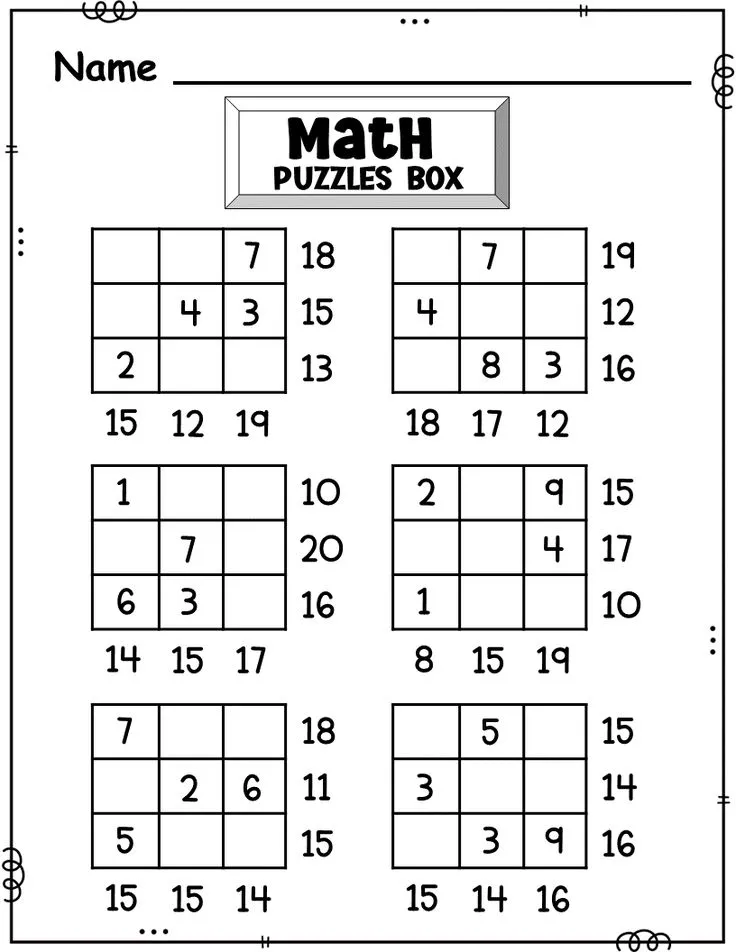
Smart Brain Teaser Time
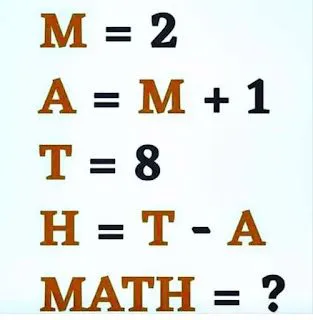
Quick Riddle
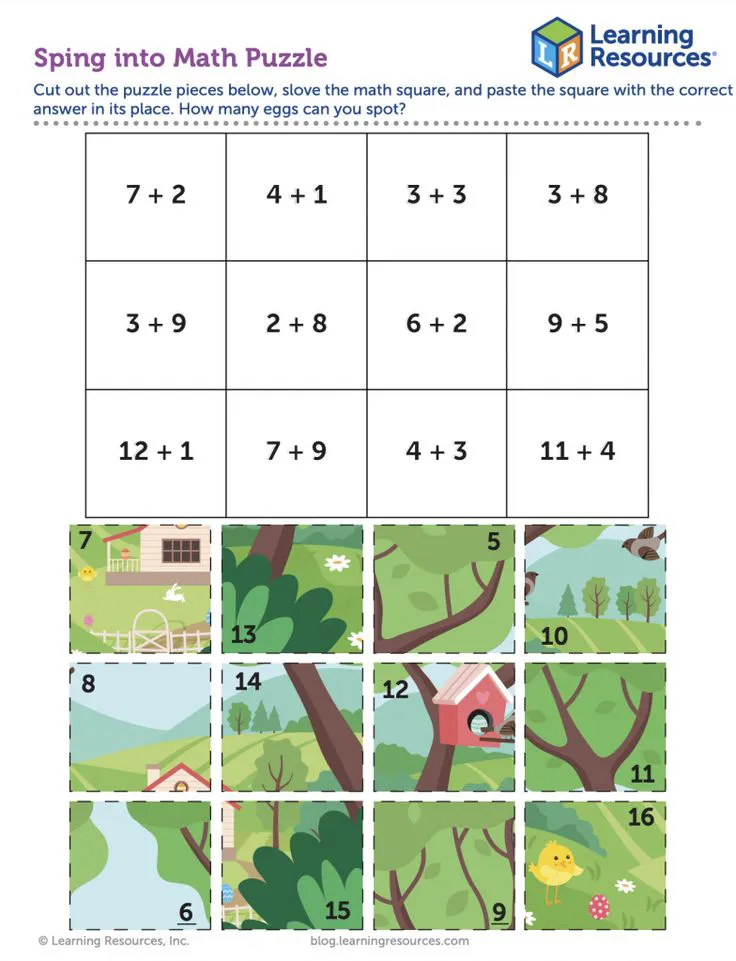
Smart Murder Mystery Test
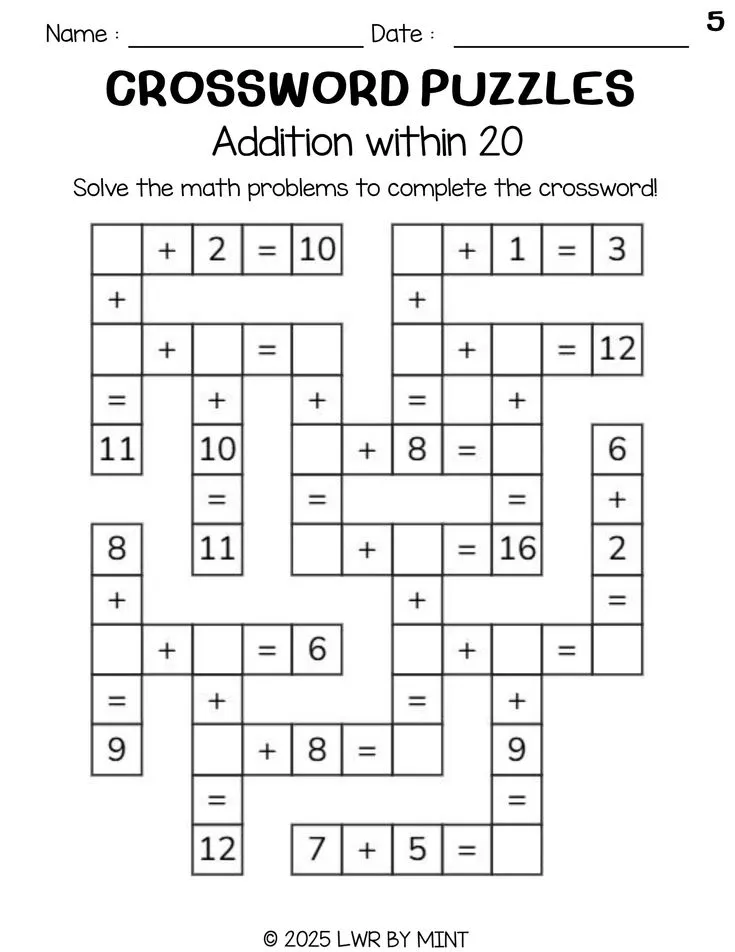
Brain Mystery Puzzle
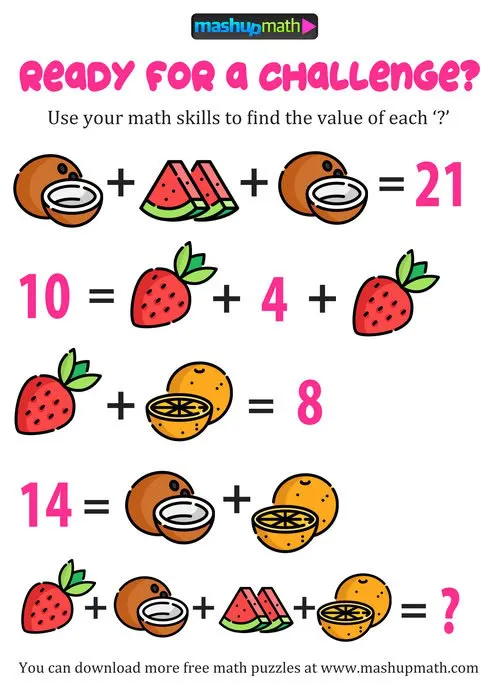
Tricky IQ Puzzle
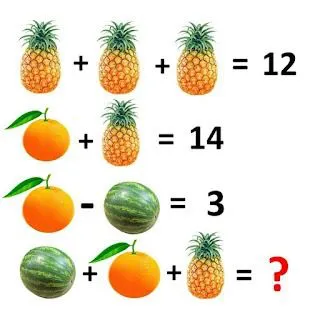
Quick Number Puzzle
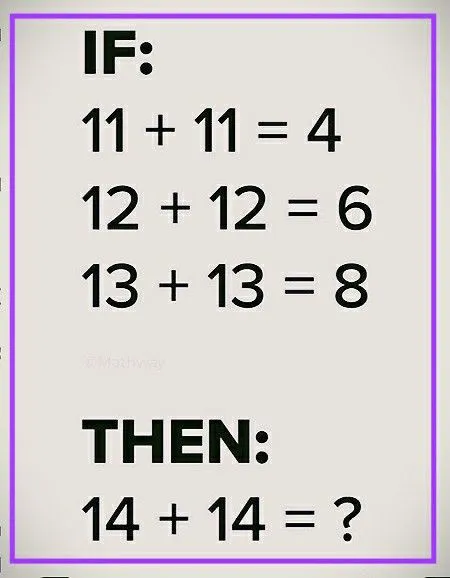
Tricky Number Puzzle Fun
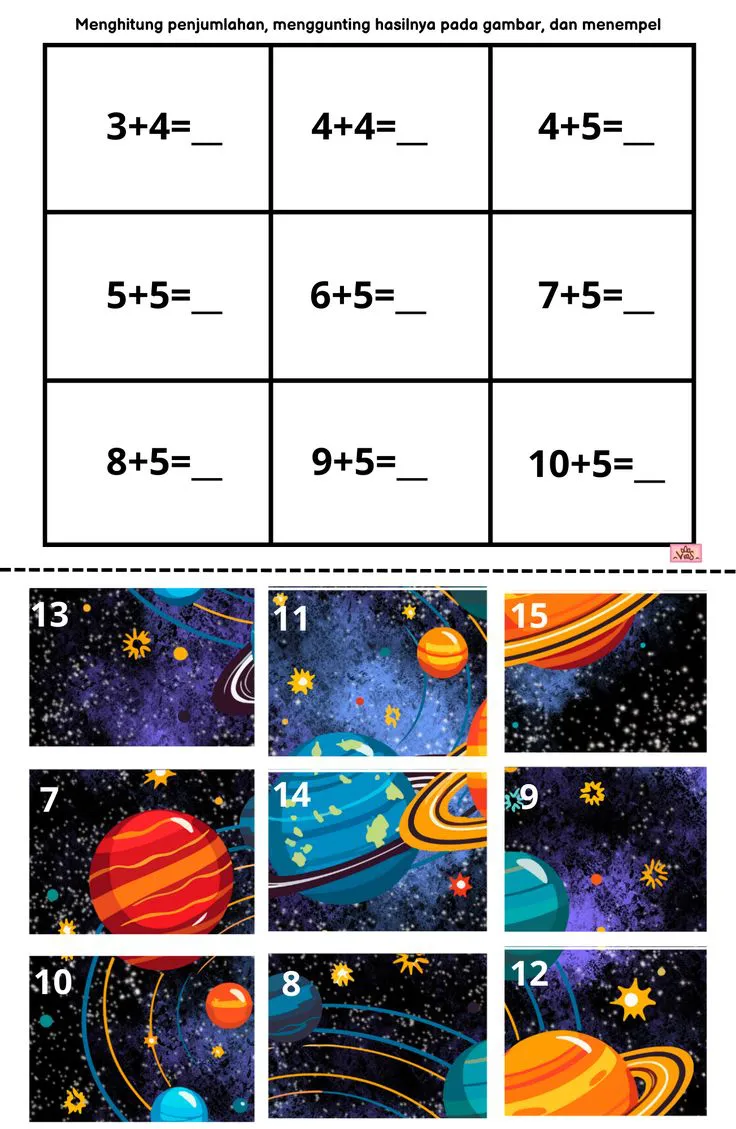
Mystery Puzzle Game Test
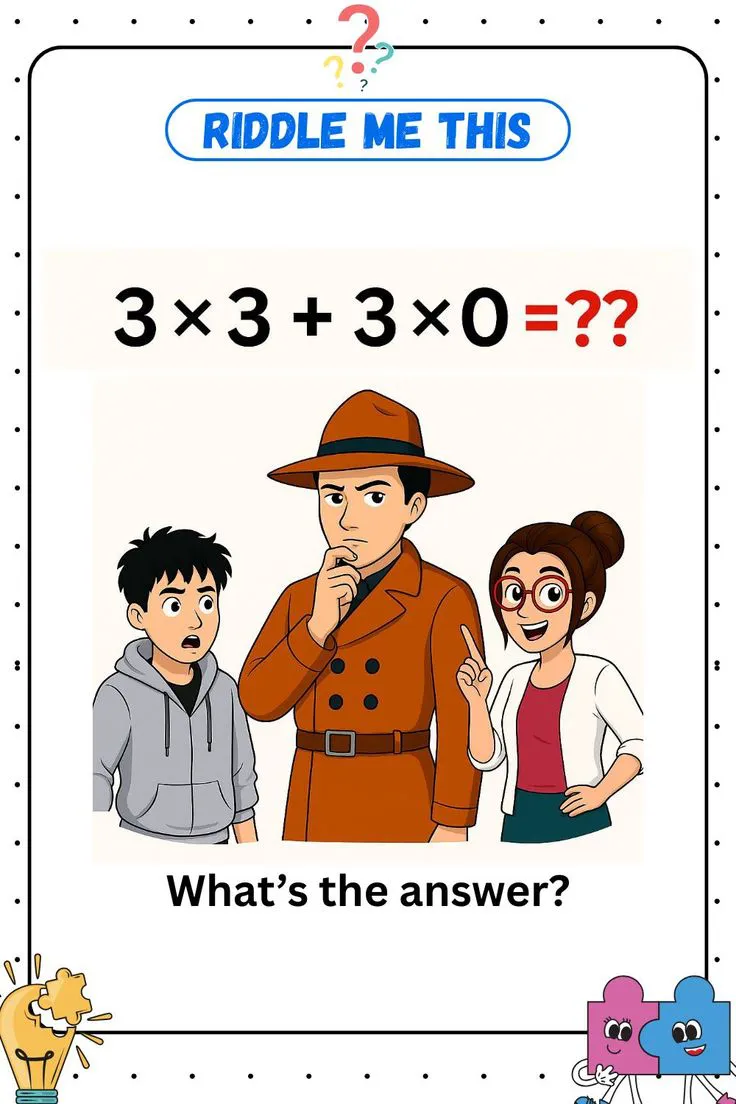
Try This Word Riddle
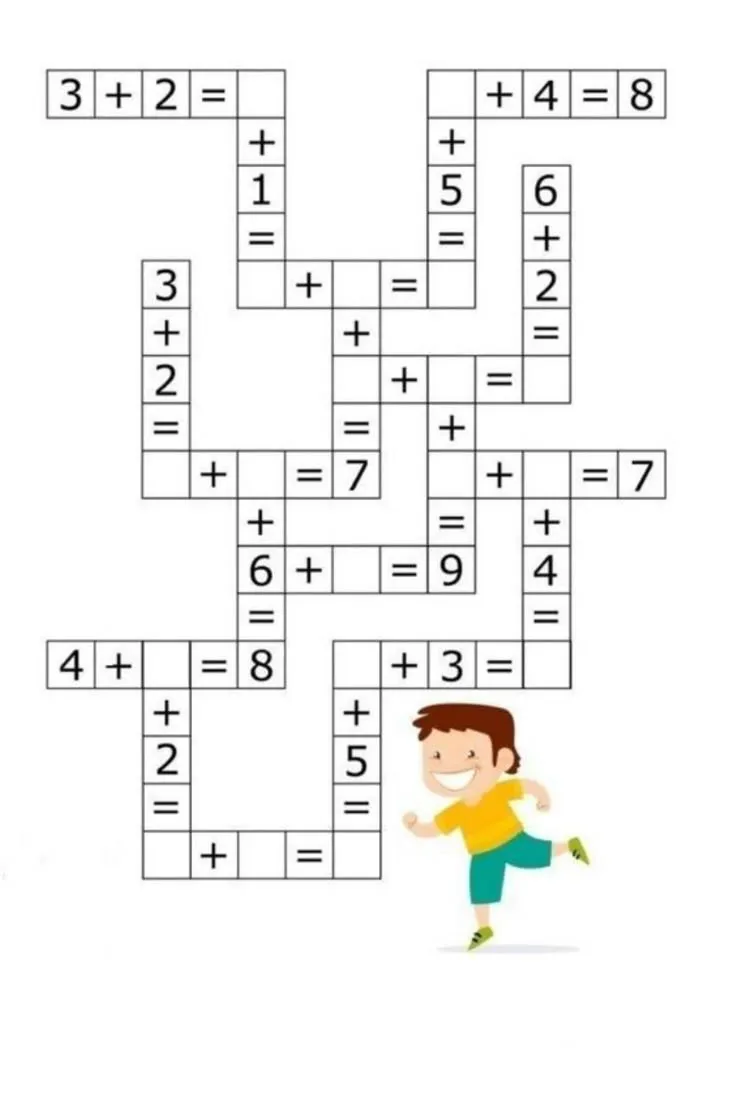
Genius IQ Test Now
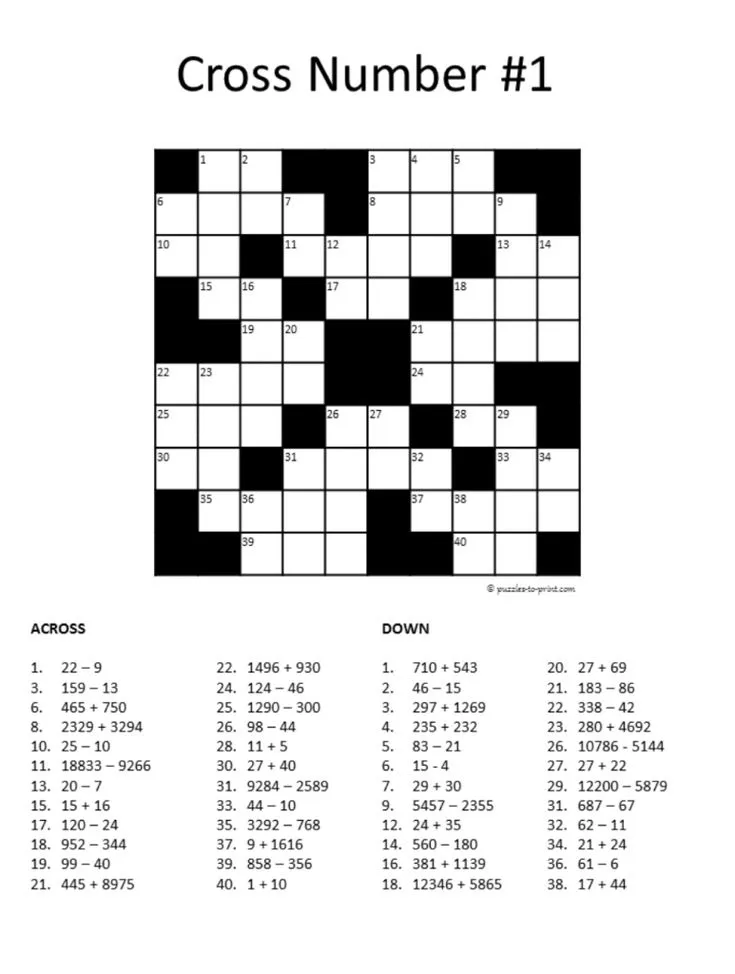
Detective Mystery Puzzle
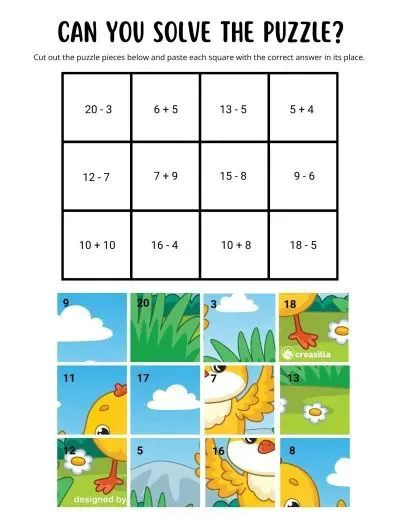
Play This Riddle
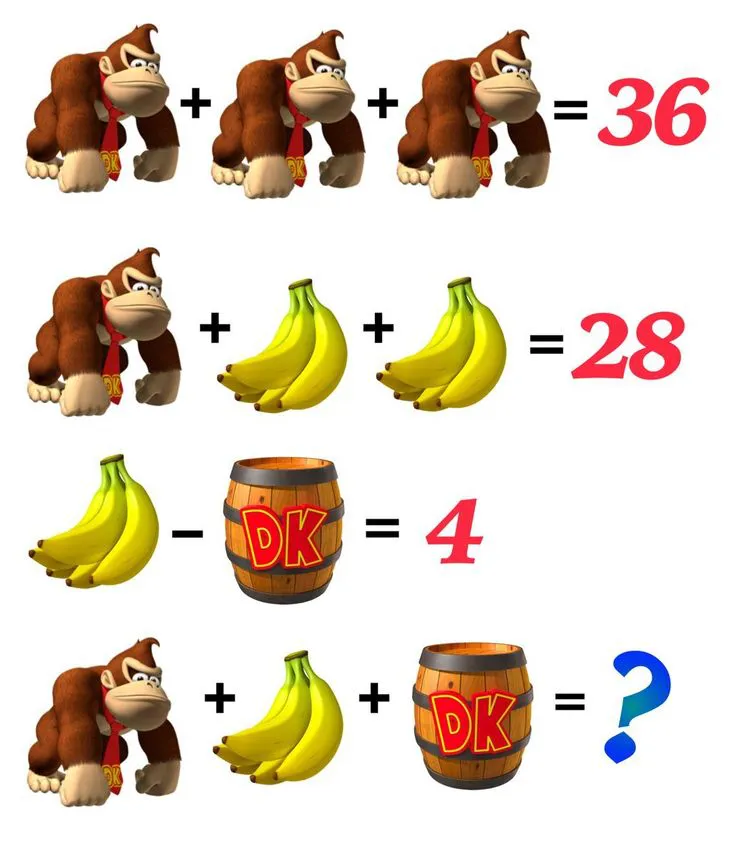
Hard Detective Case
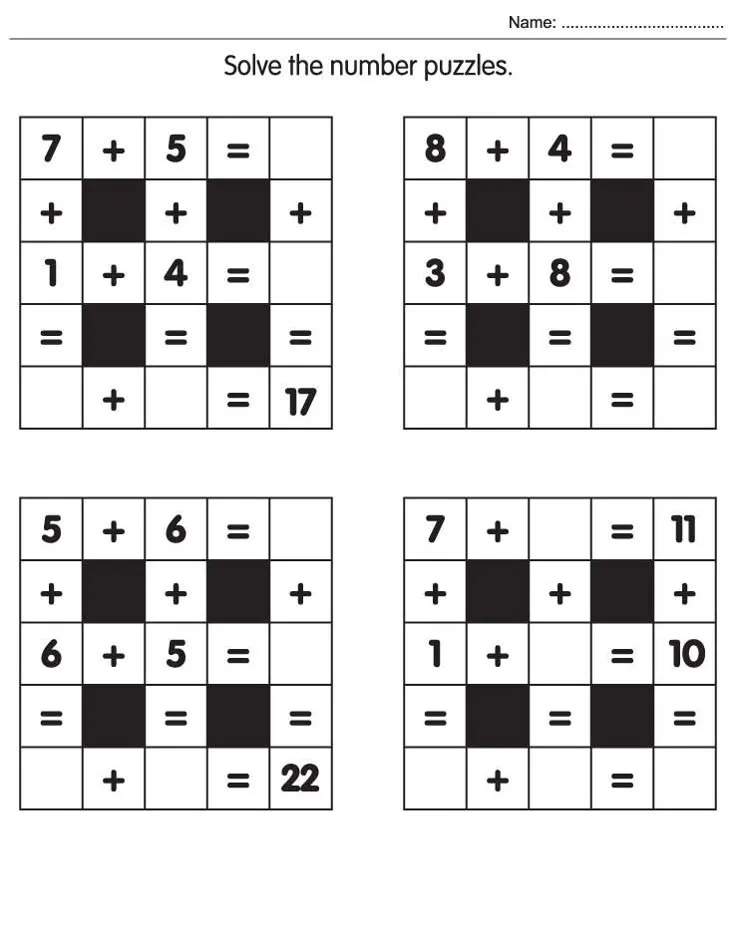
Smart Mystery Puzzle
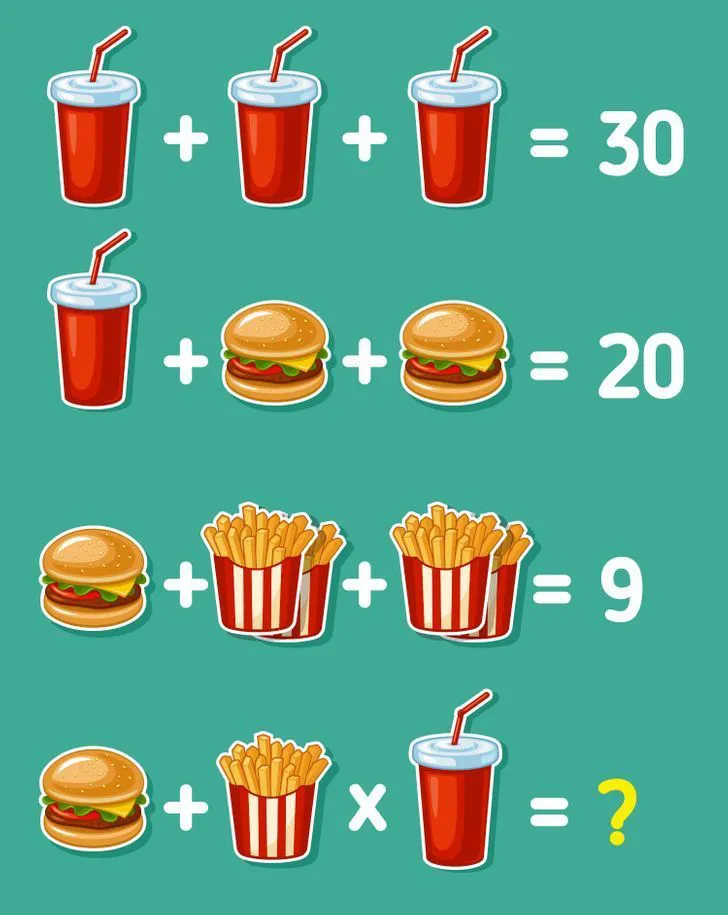
Clever Brain Game
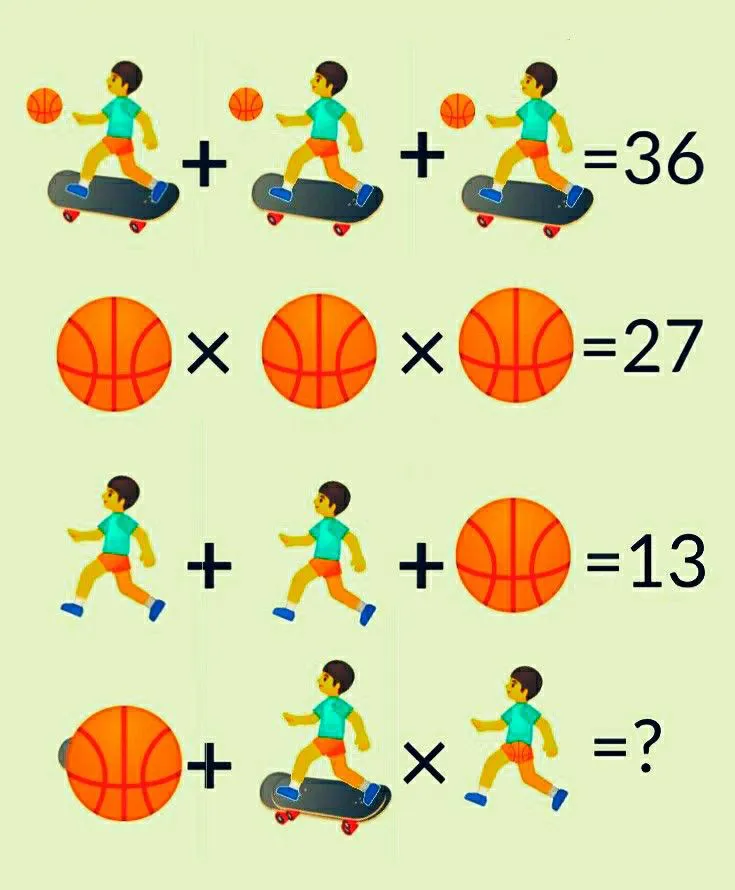
Sharpen This Math Riddle
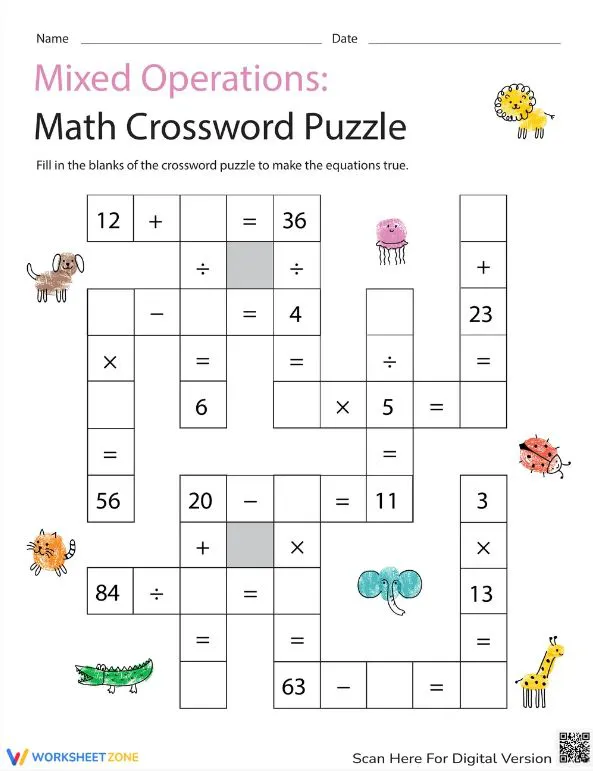
Detective Word Riddle
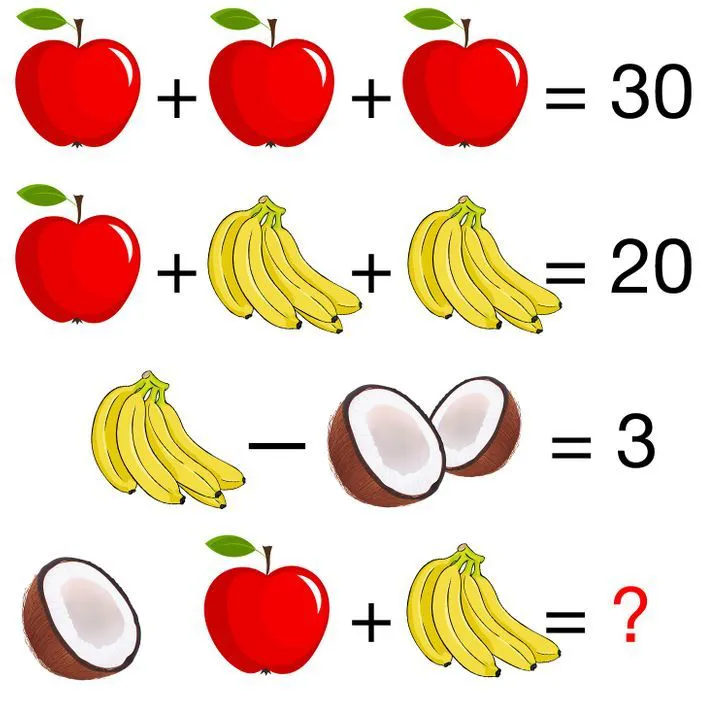
Smart Riddle Challenge Game
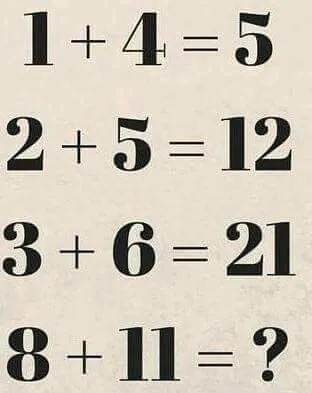
Mind Math Riddle
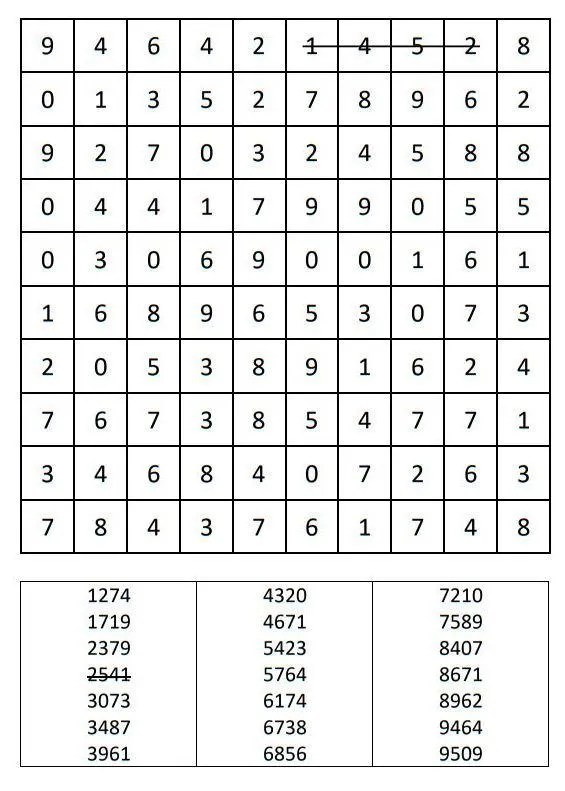
Brain Riddle Challenge Challenge
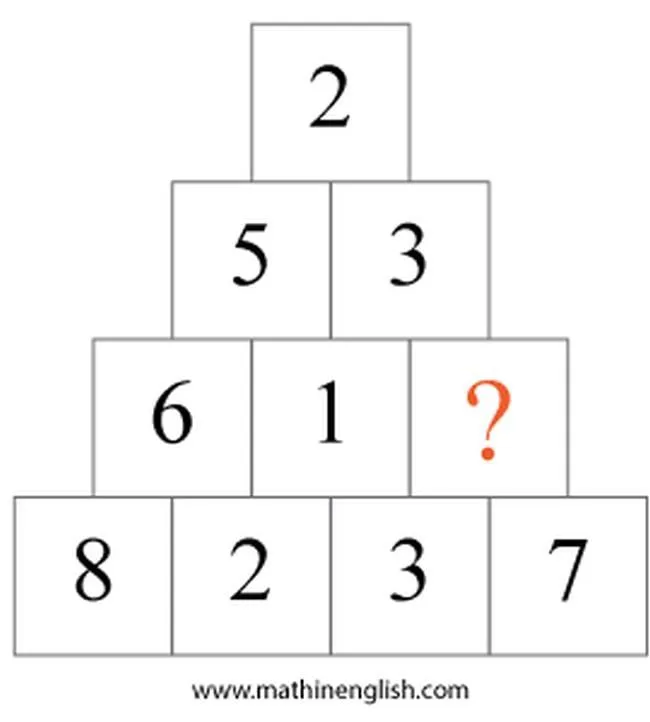
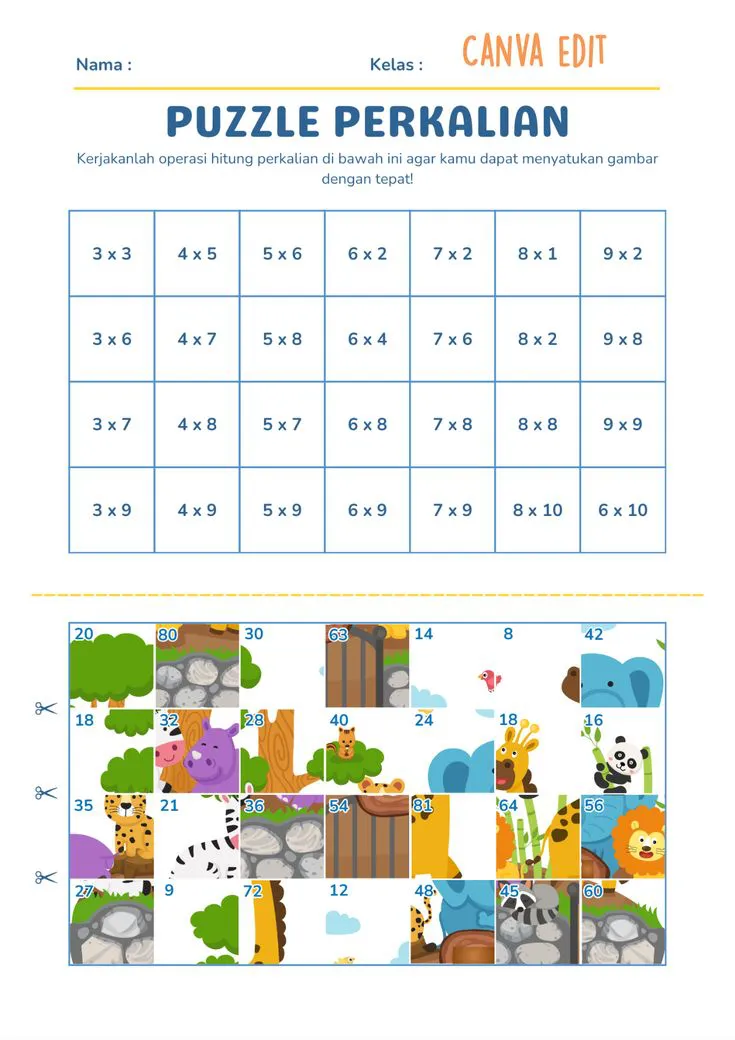
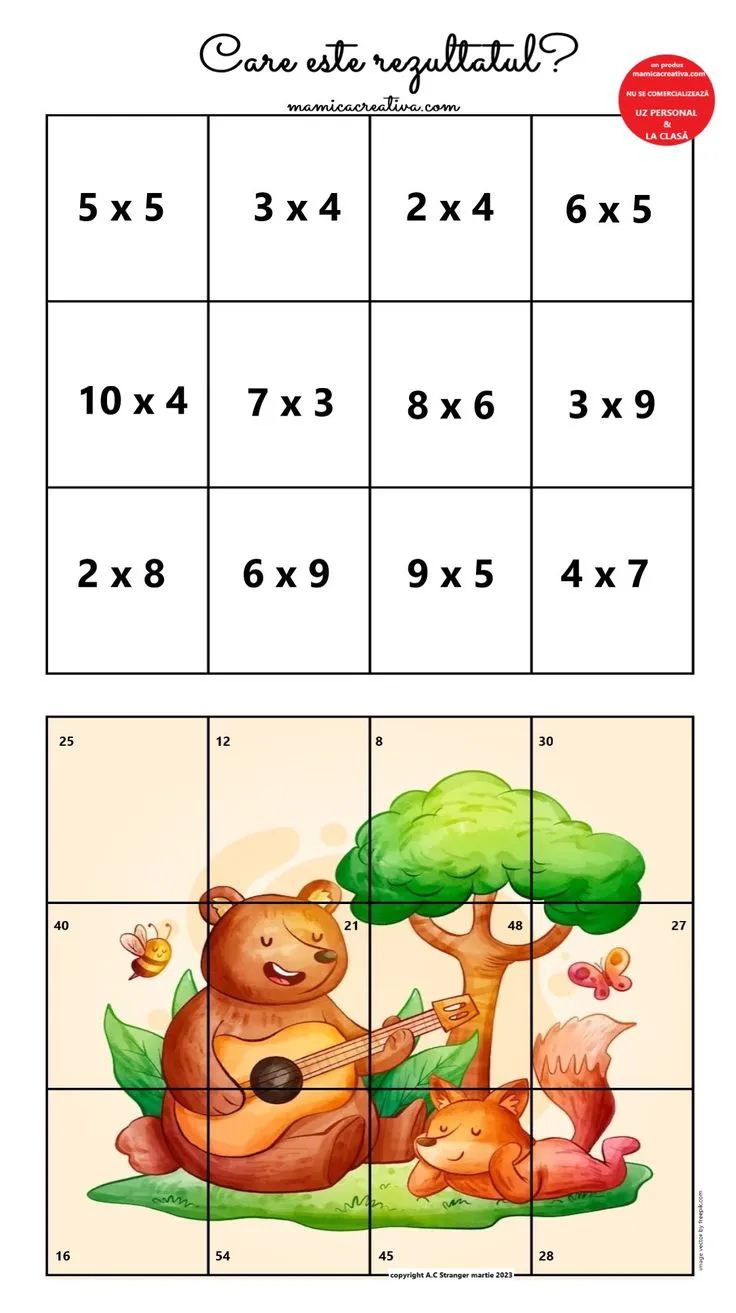
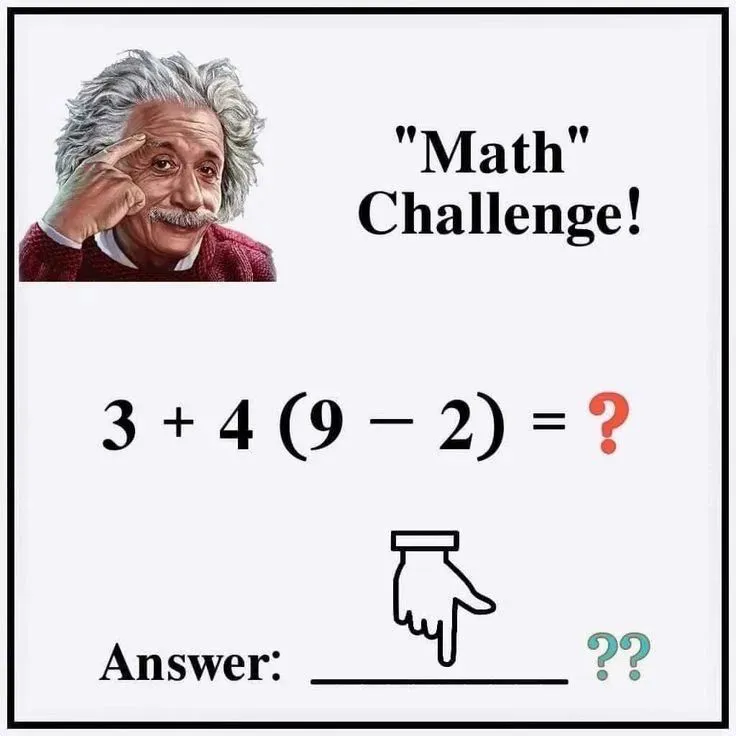
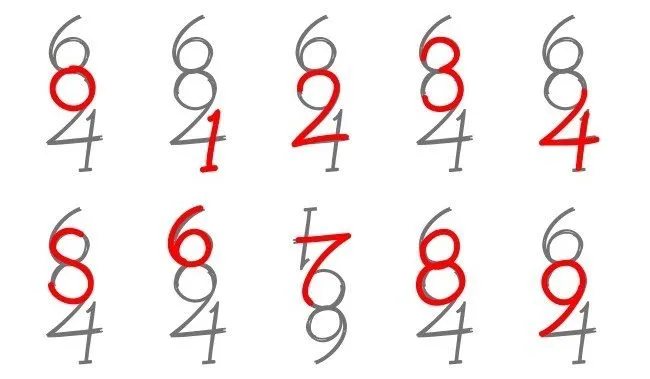
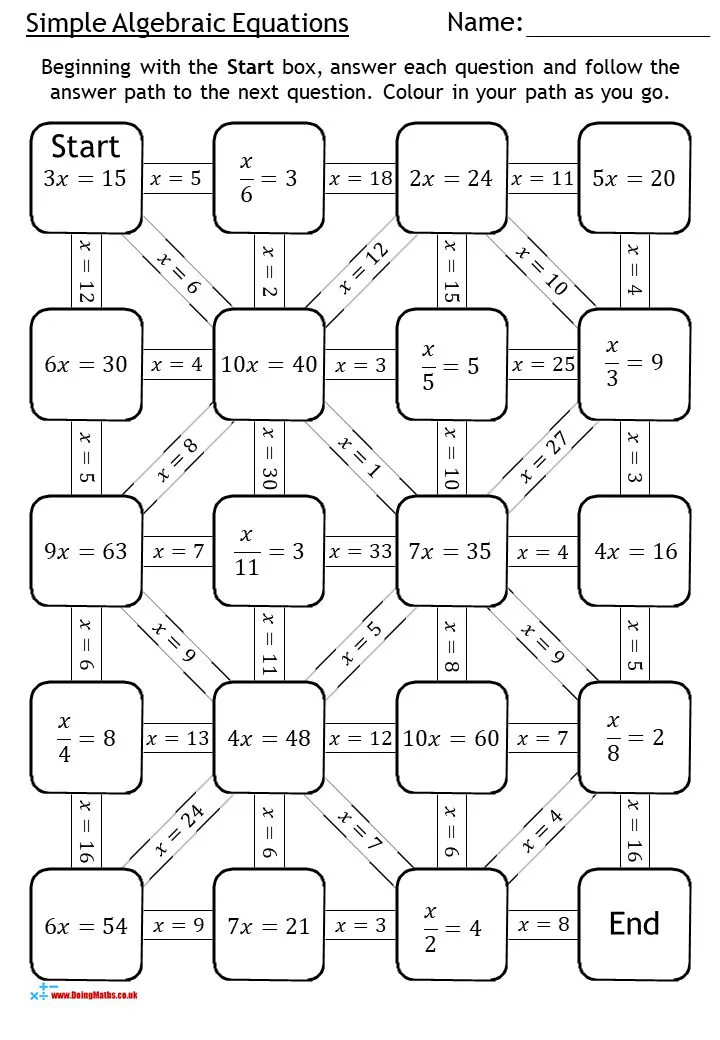
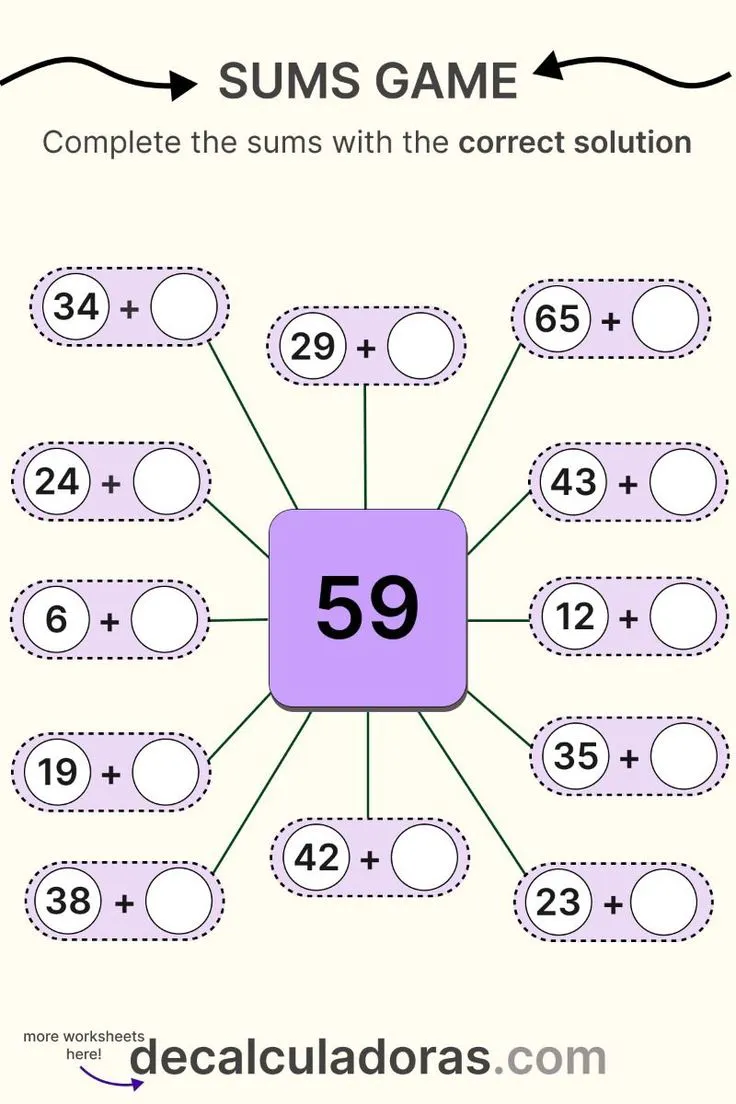
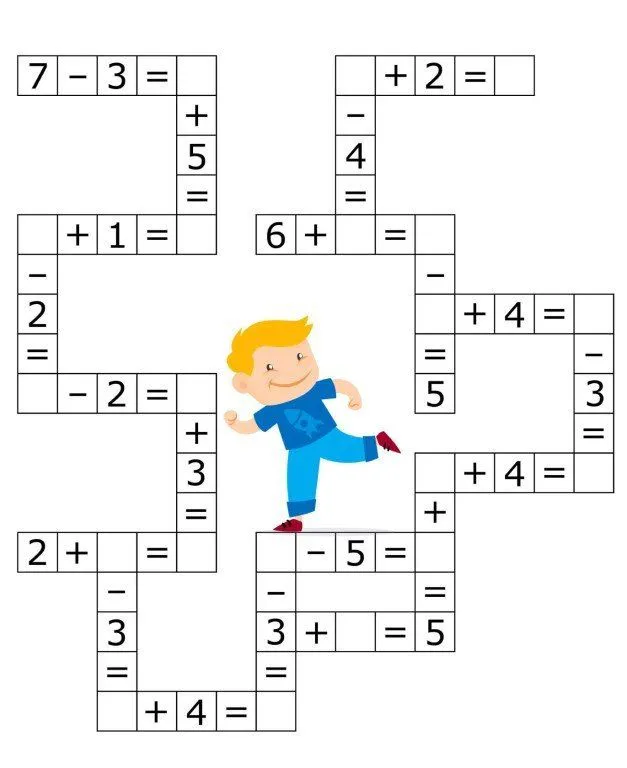
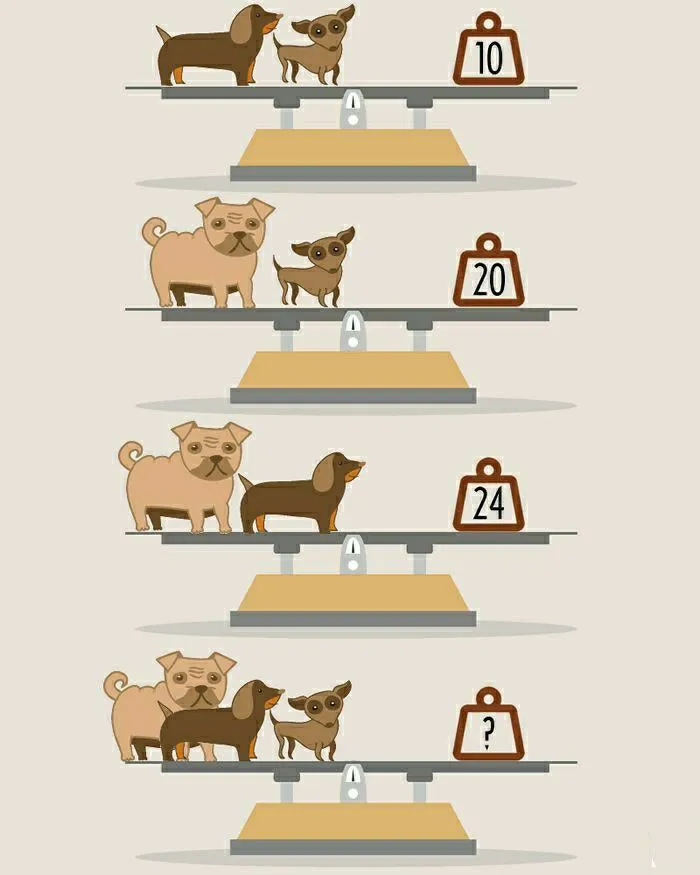
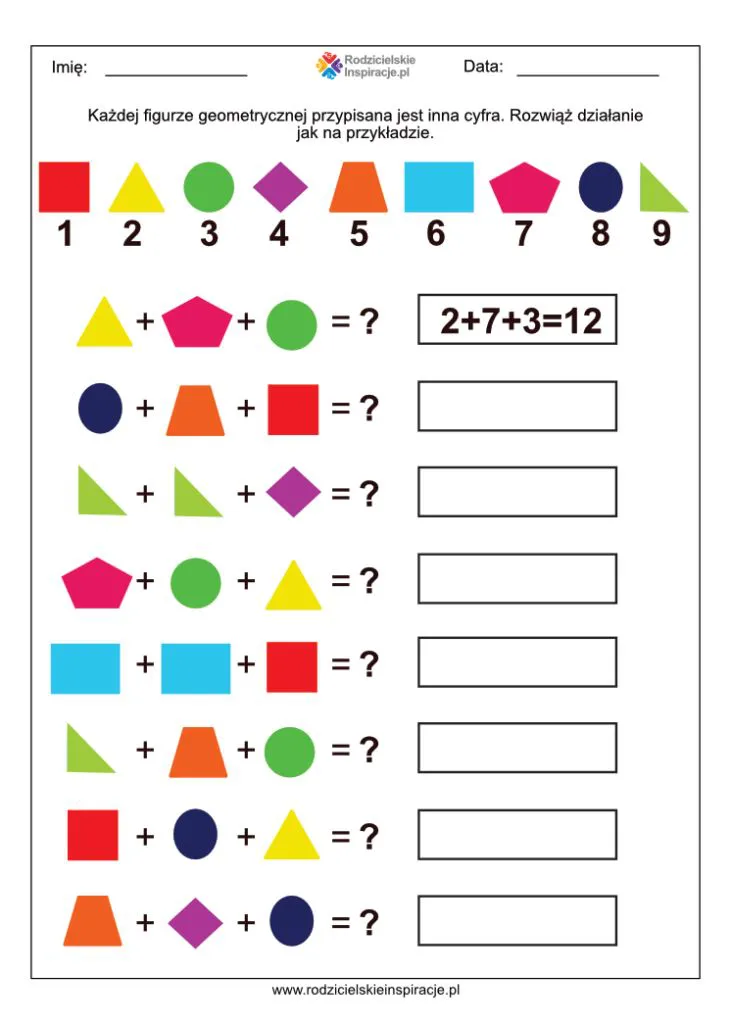
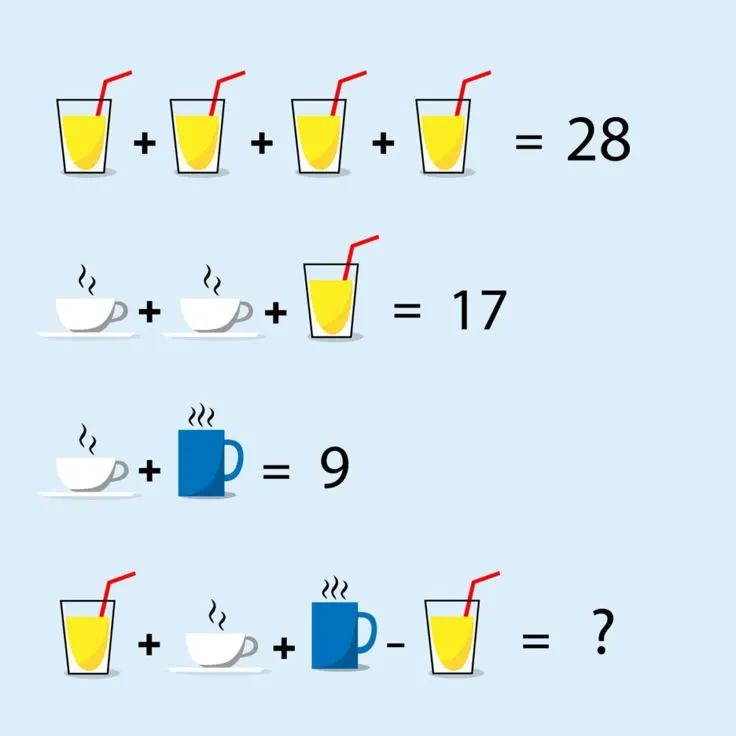
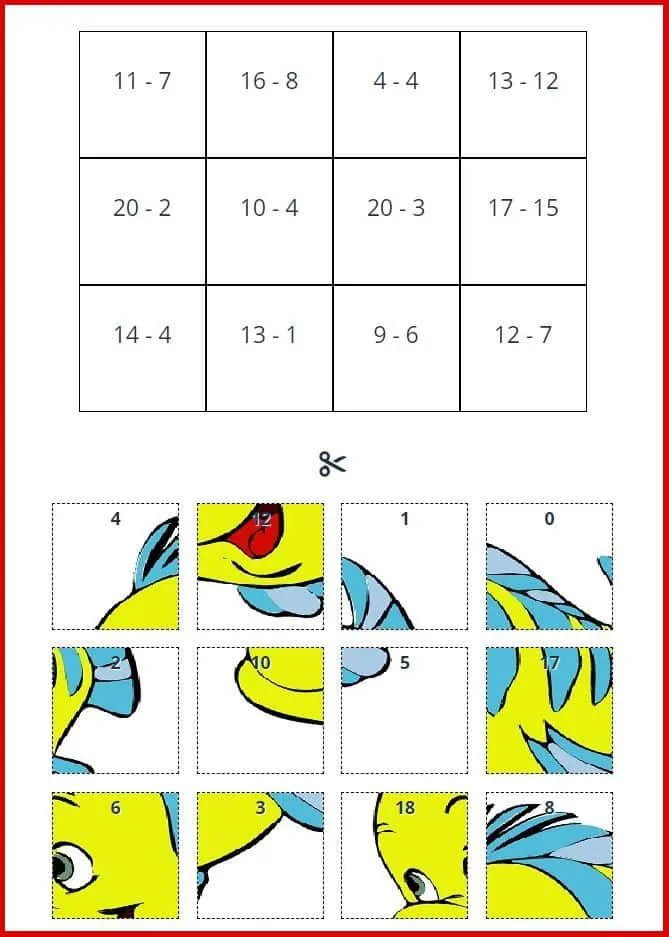

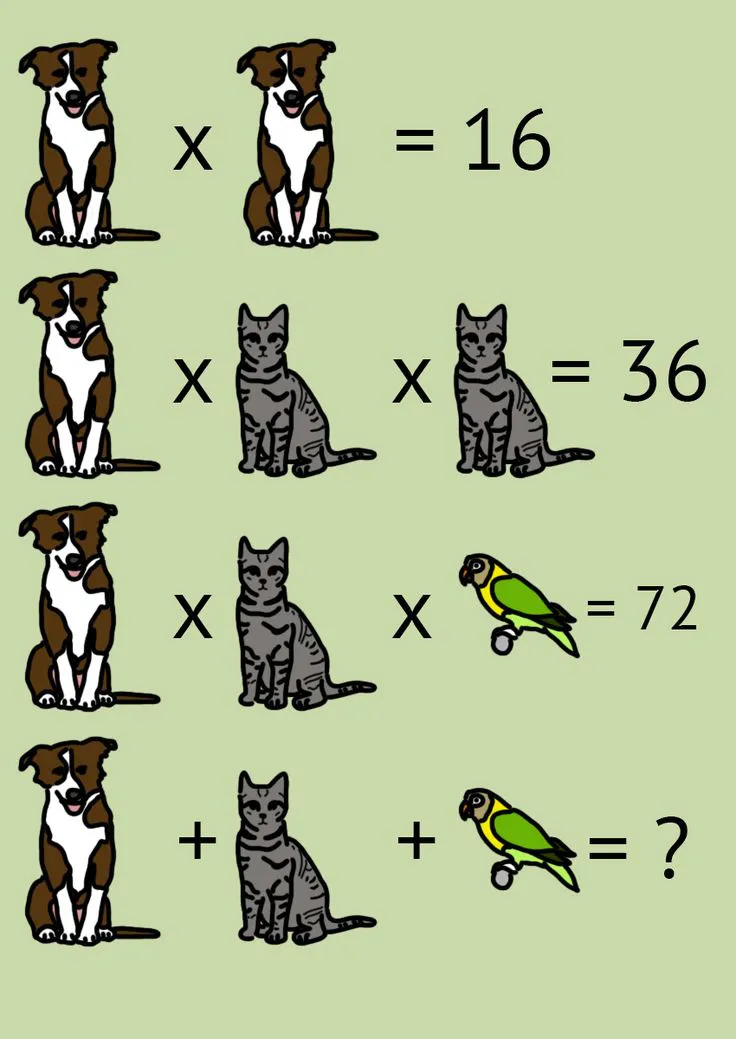
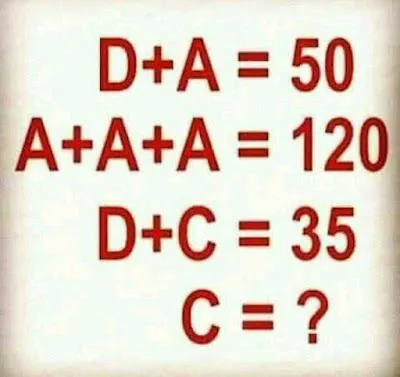
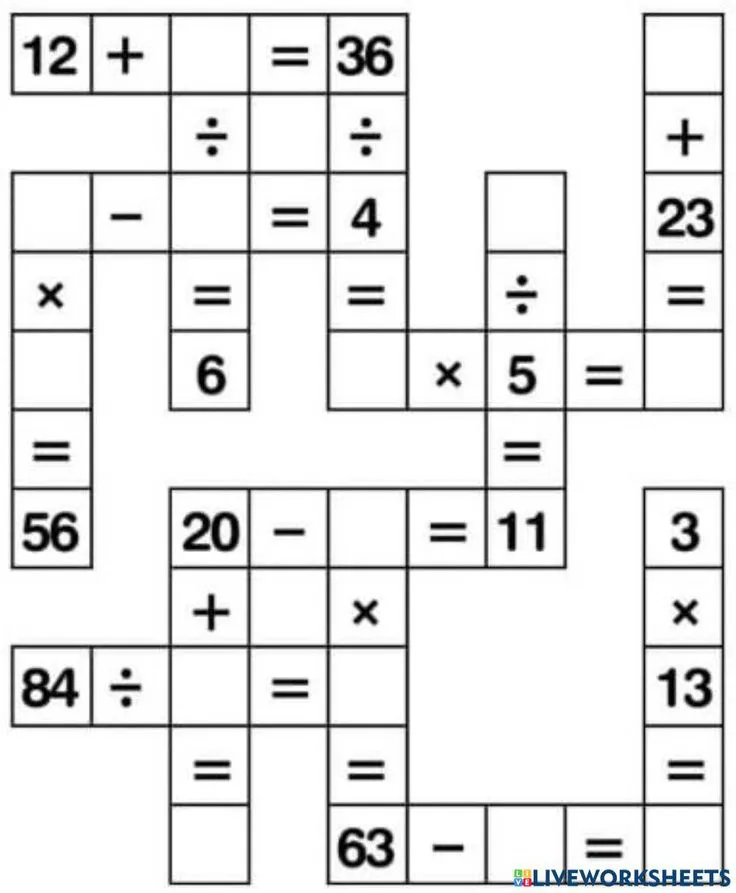
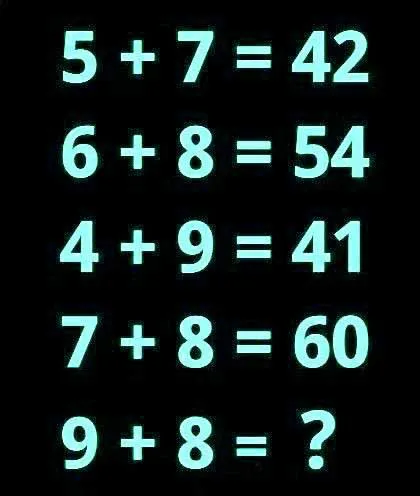

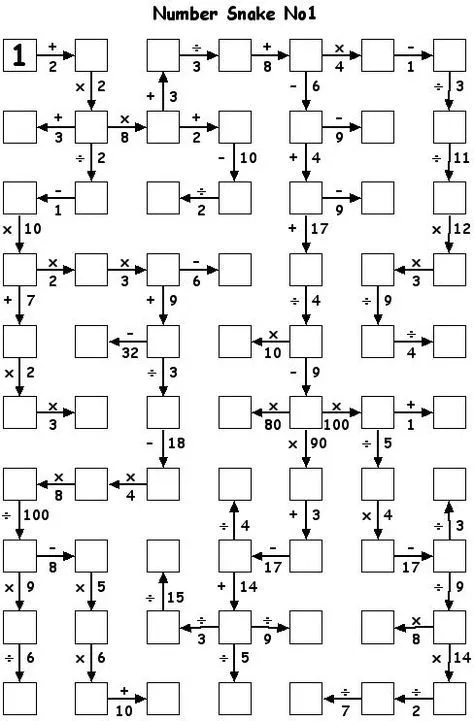
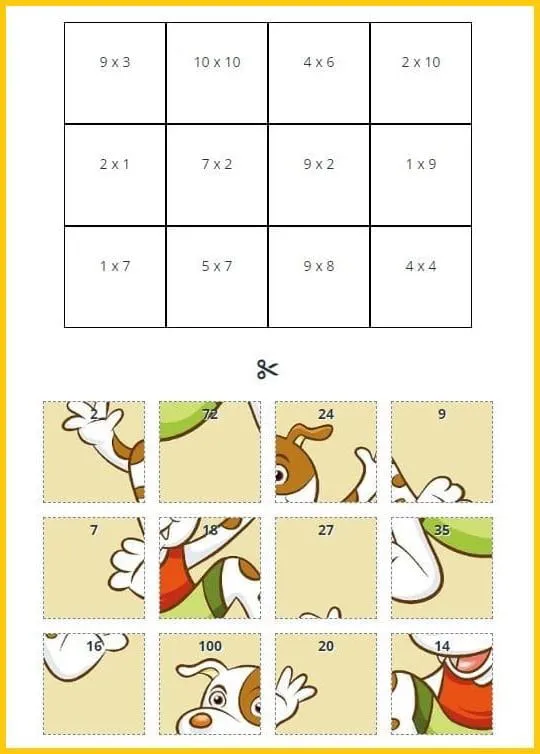
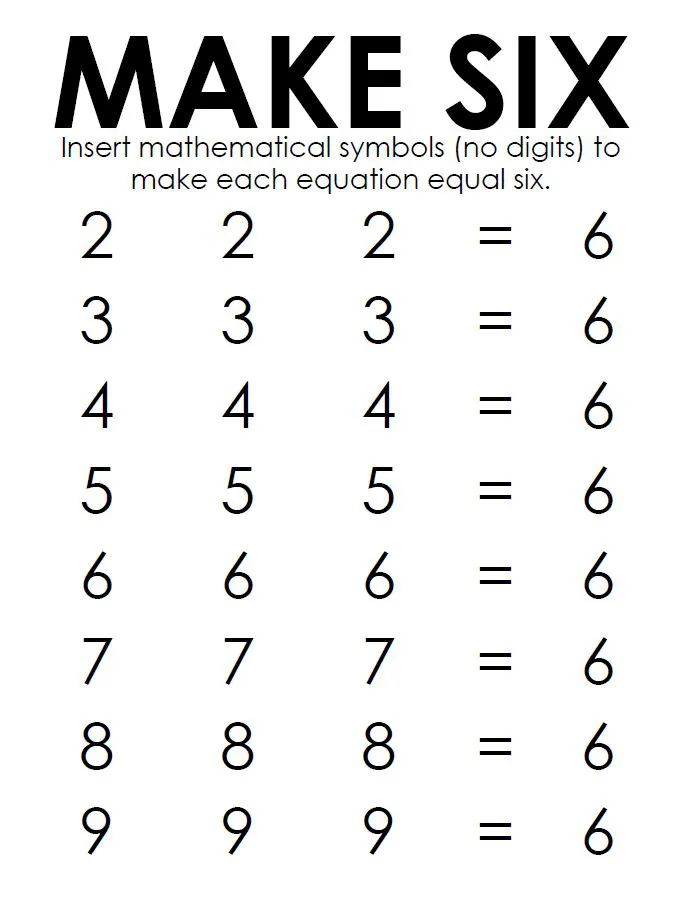
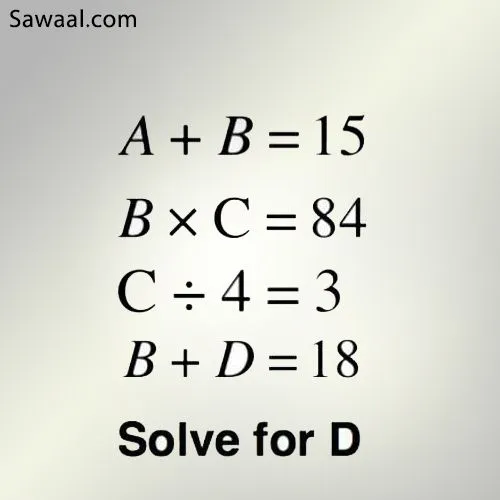
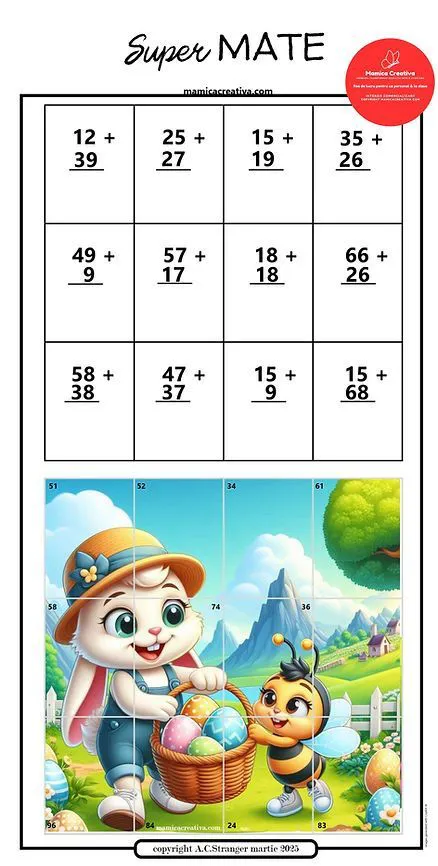
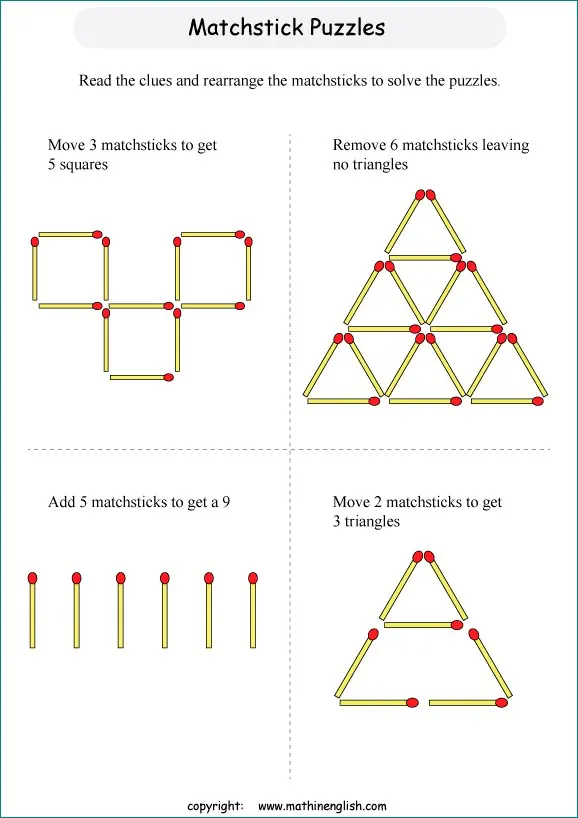
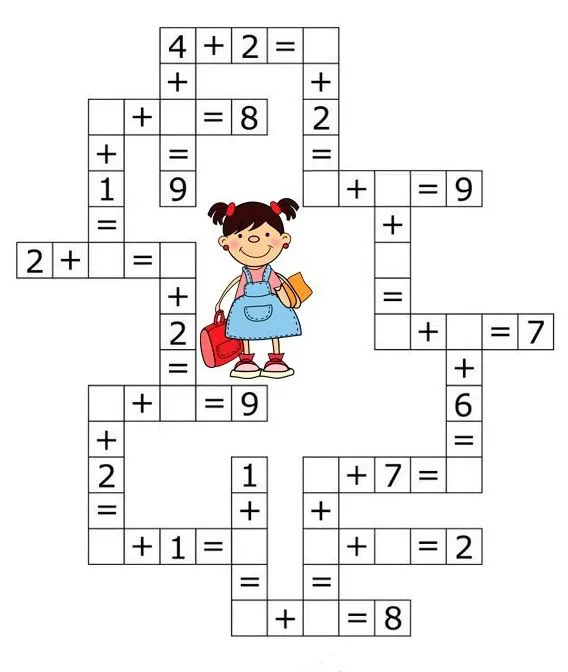

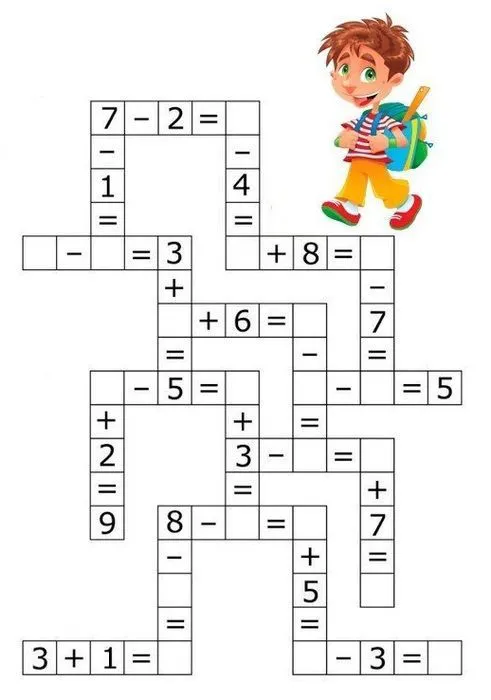
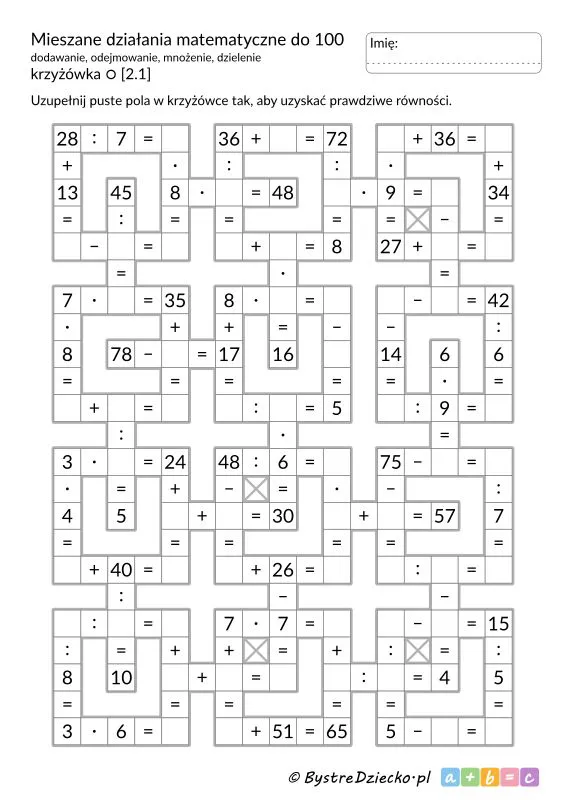
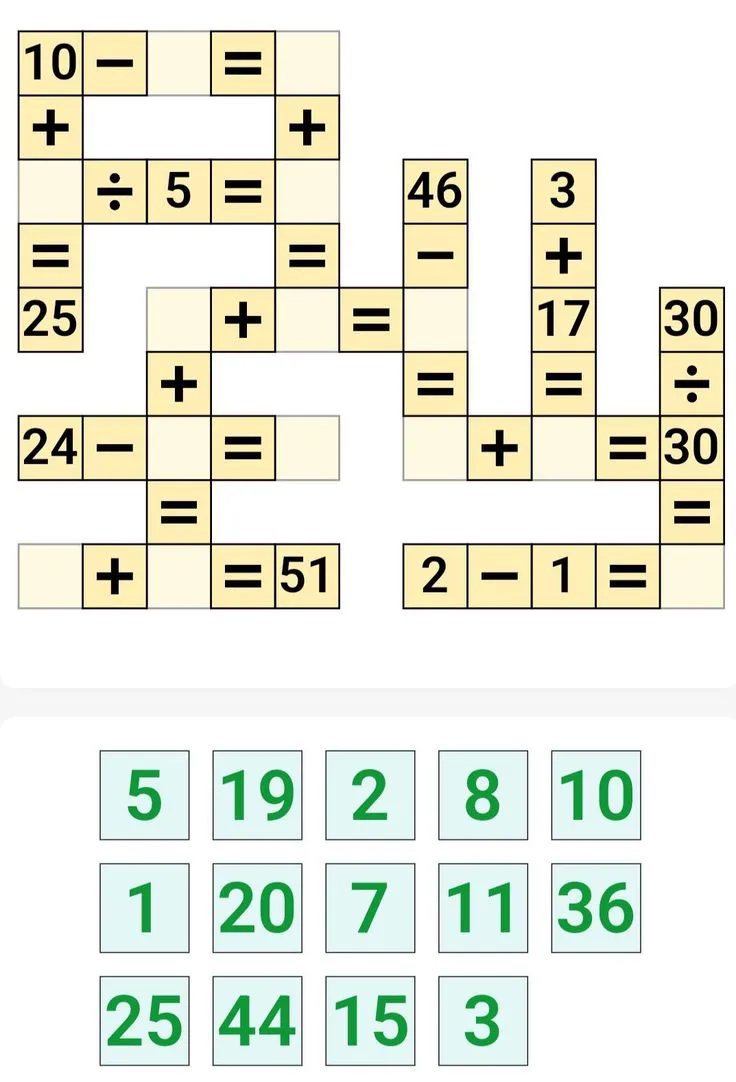
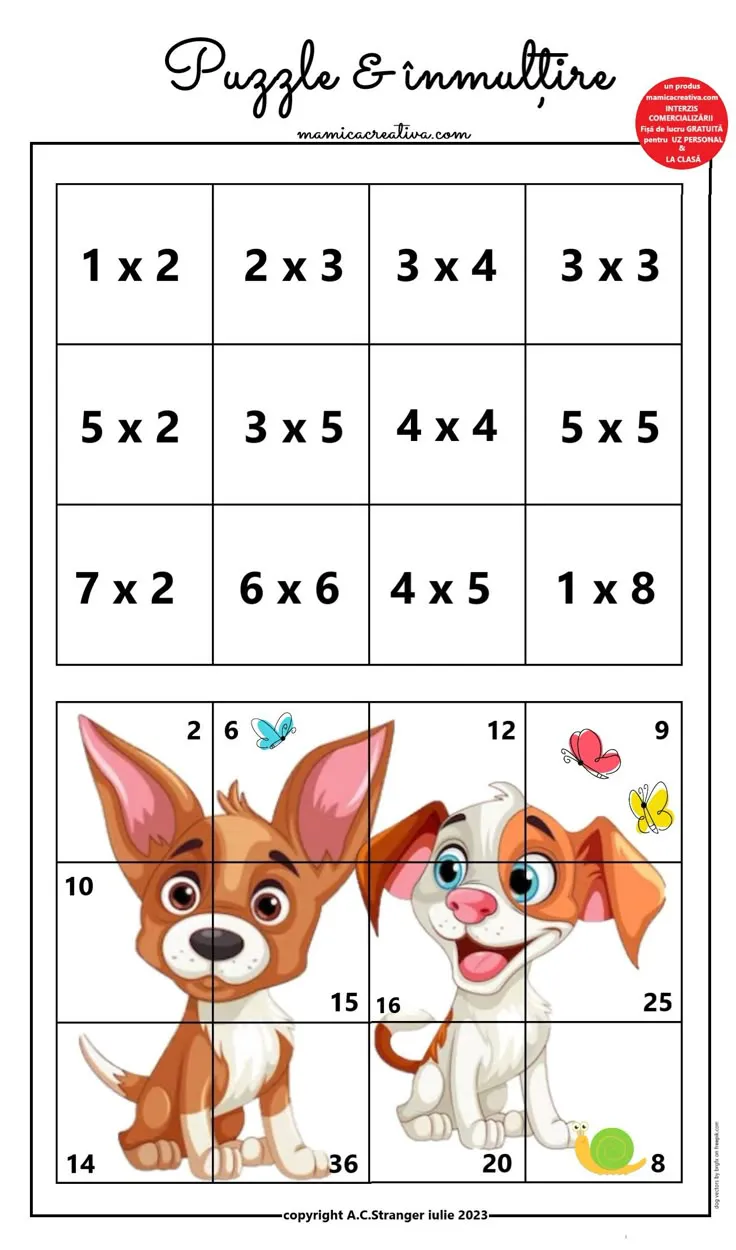
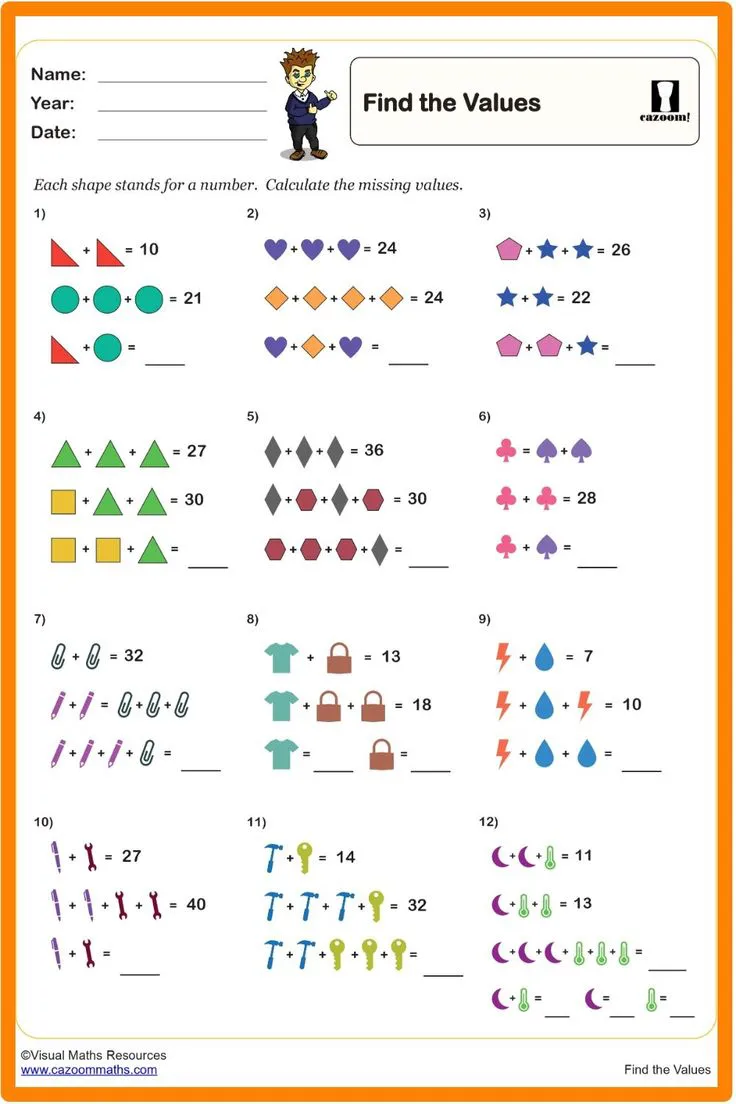

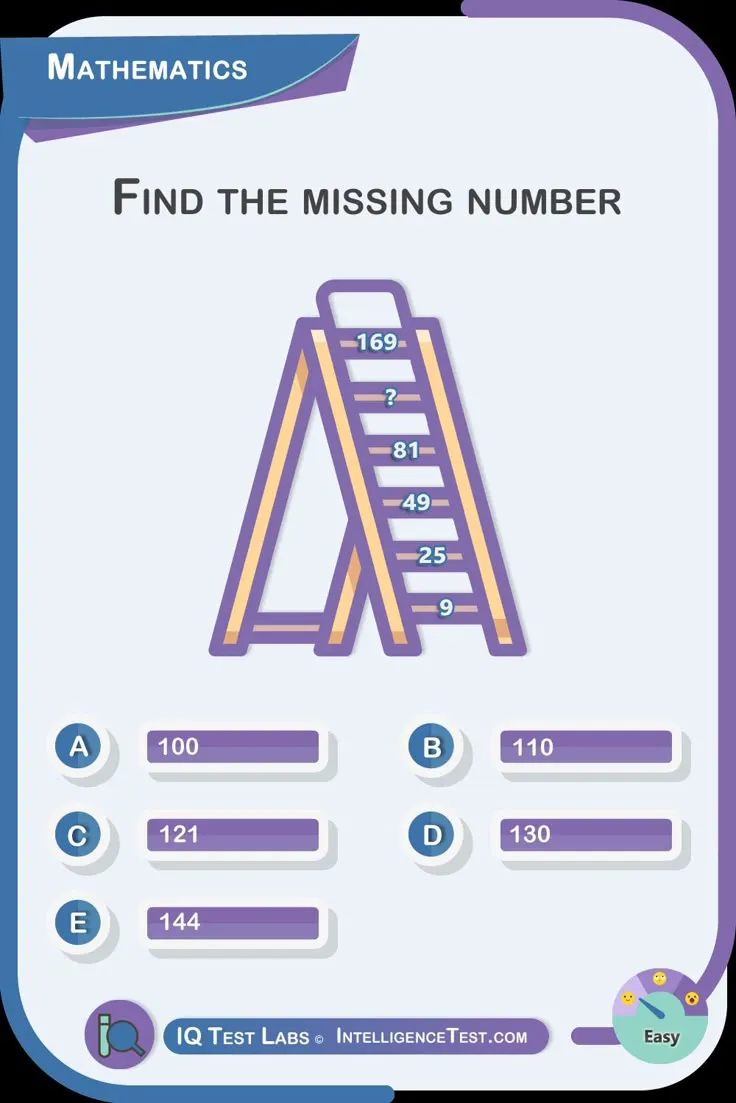
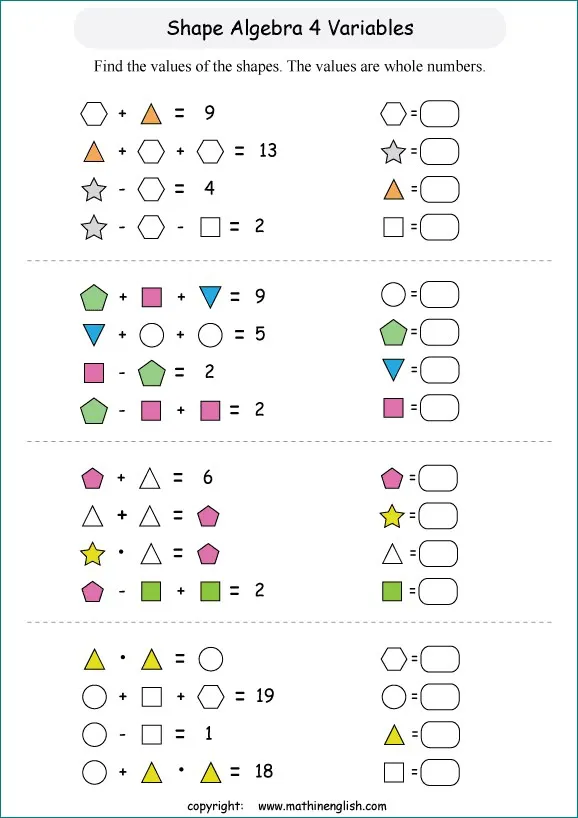
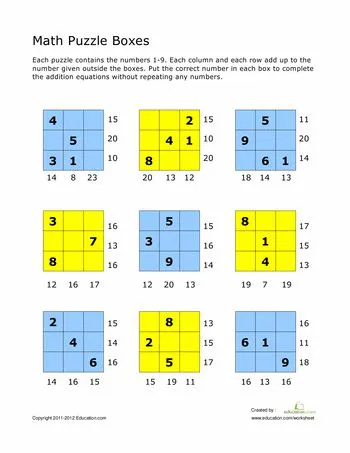
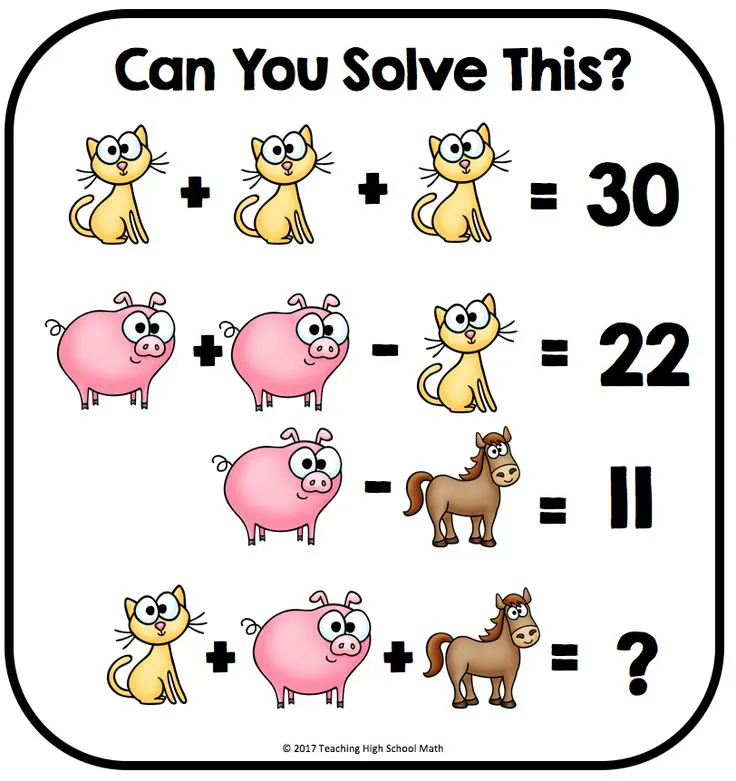
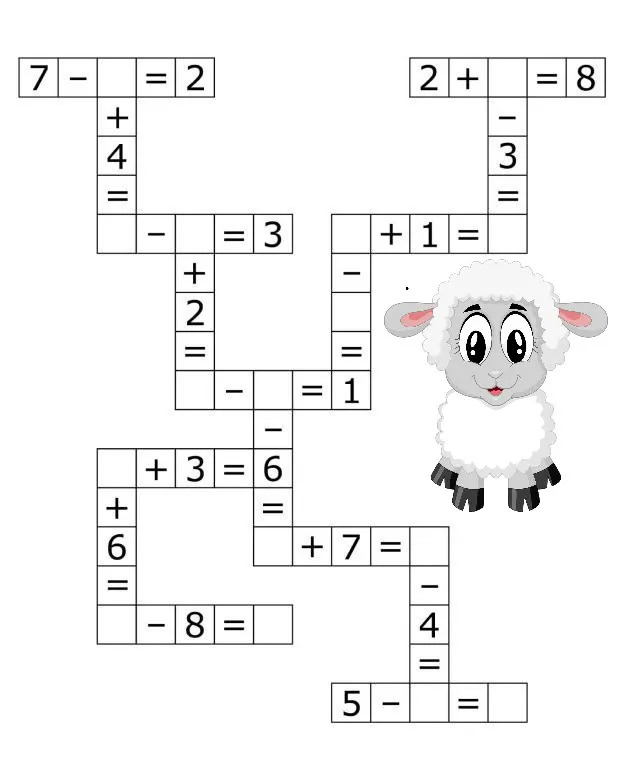
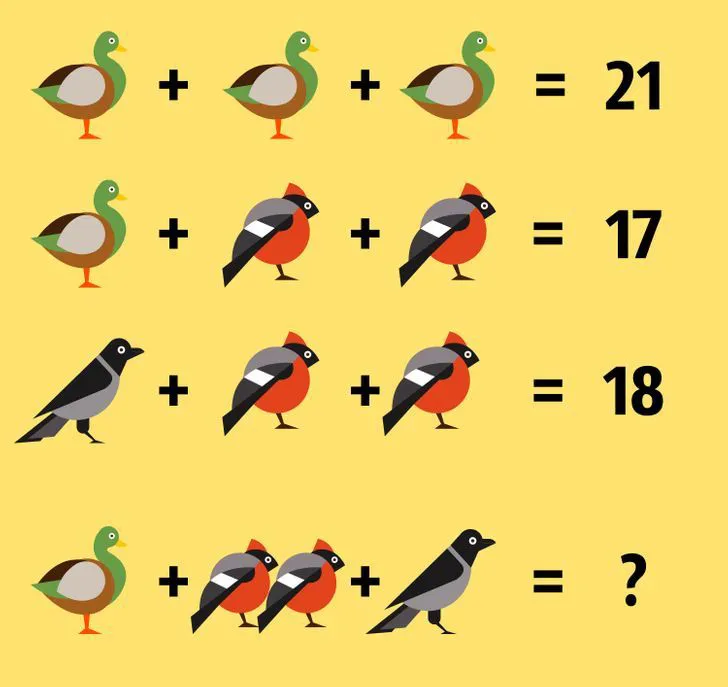
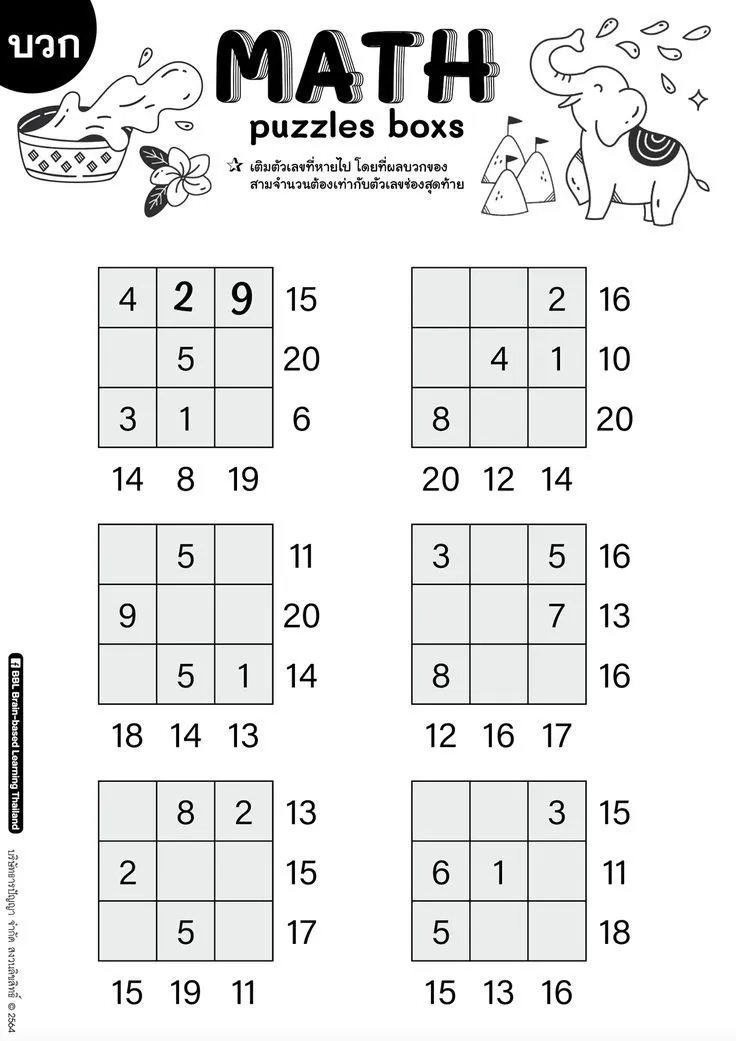
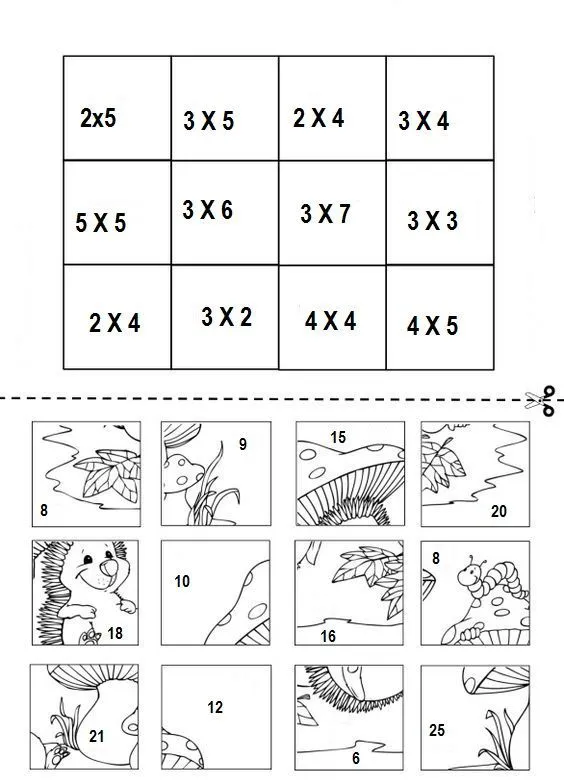
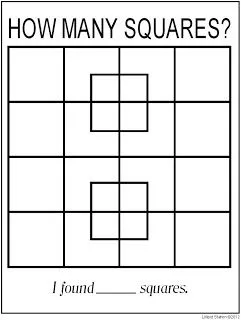
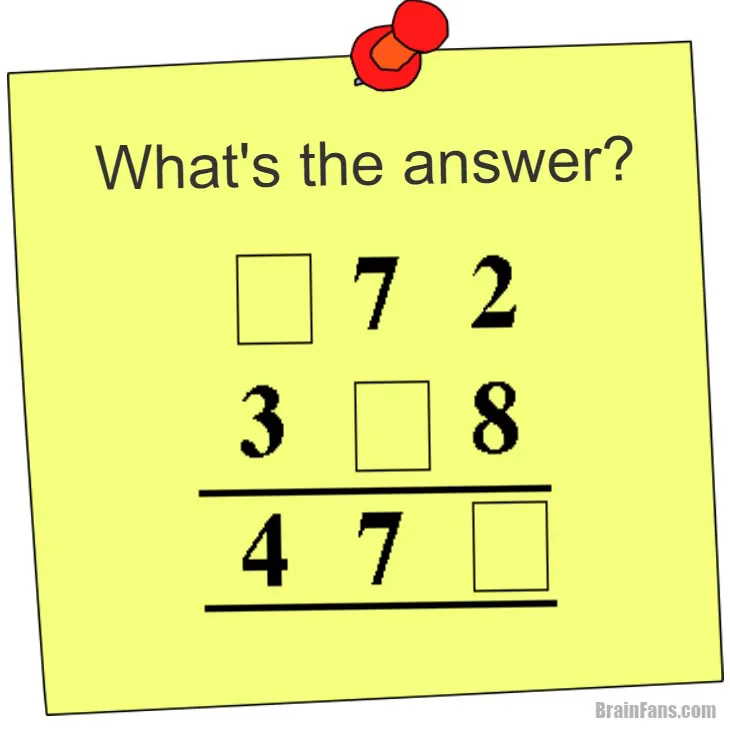


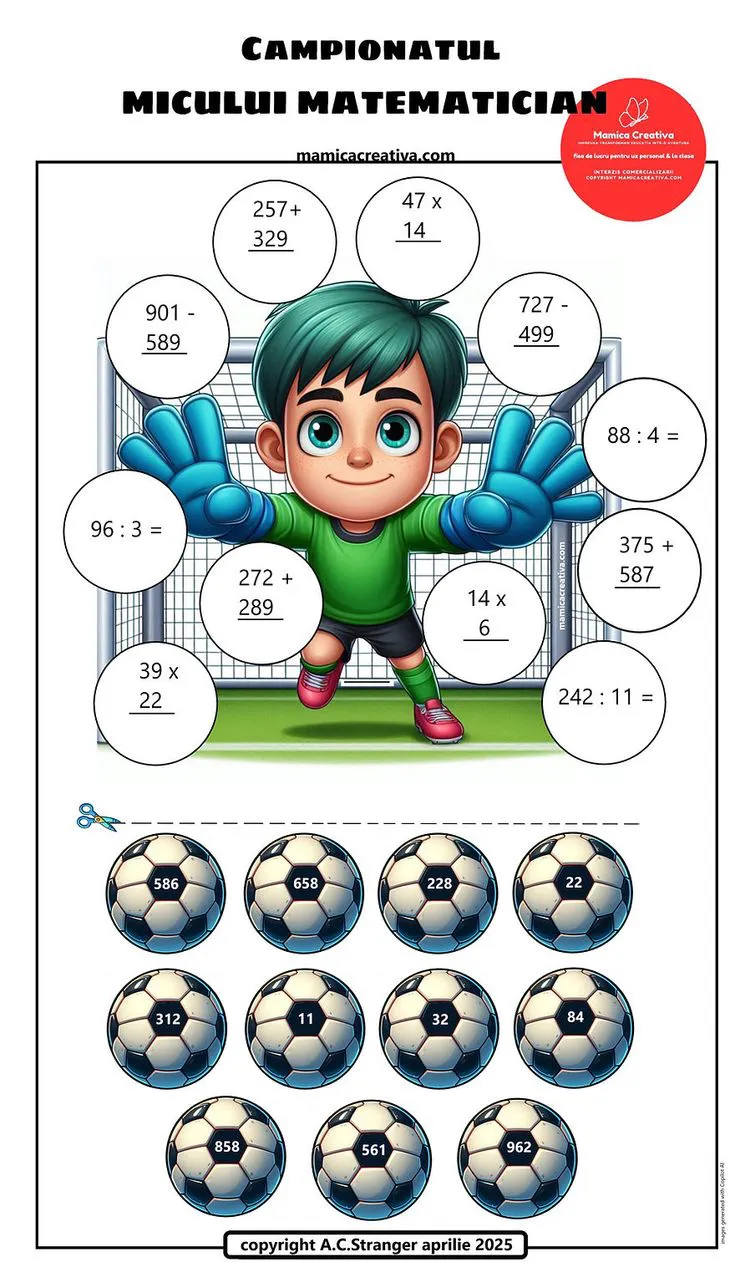
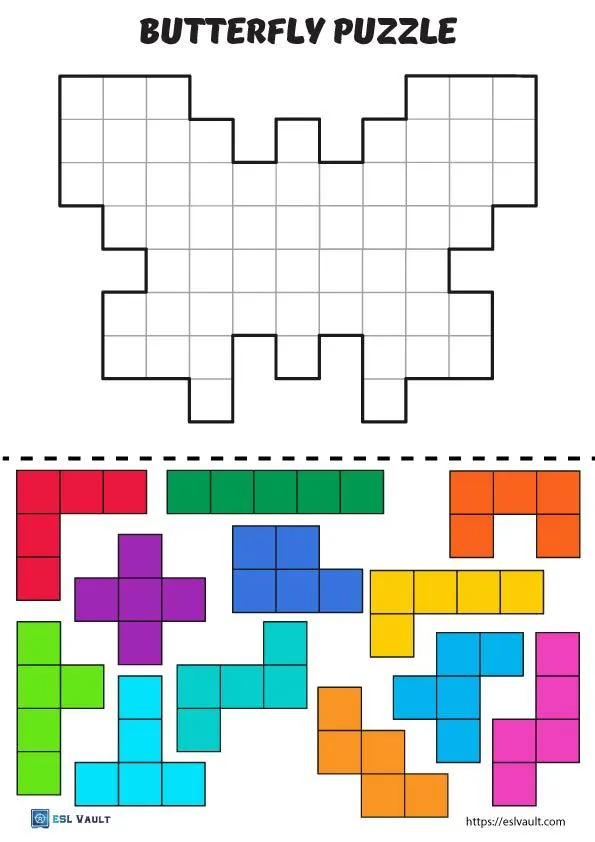
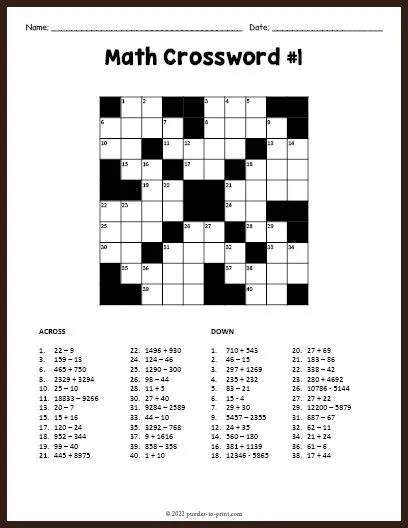
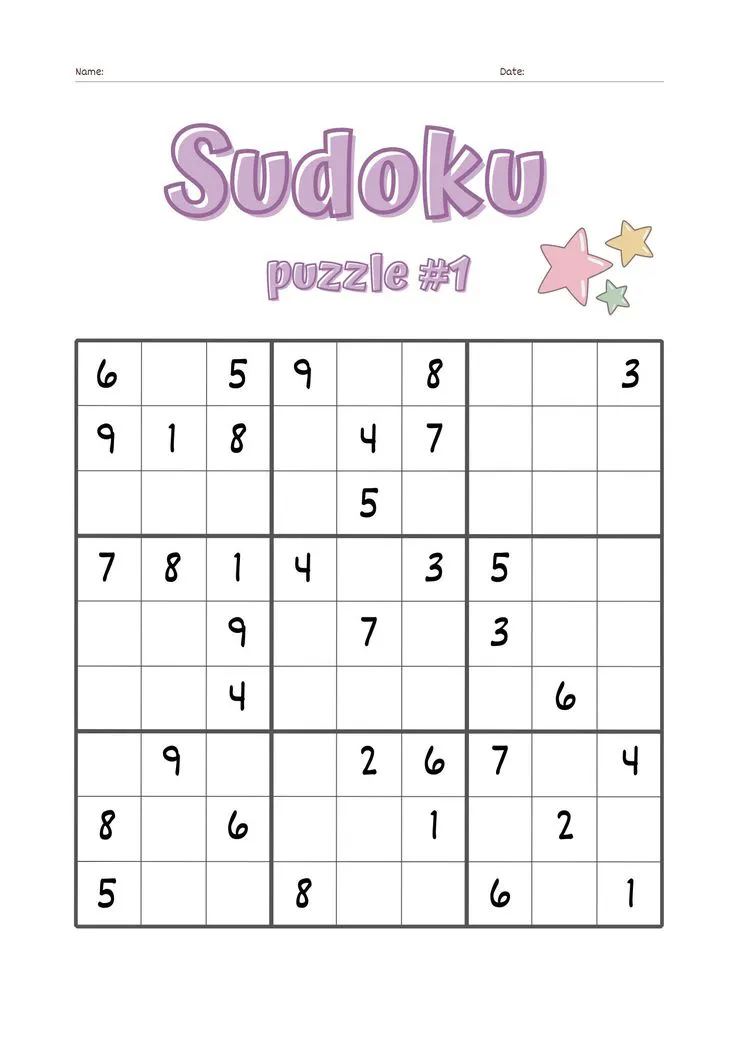
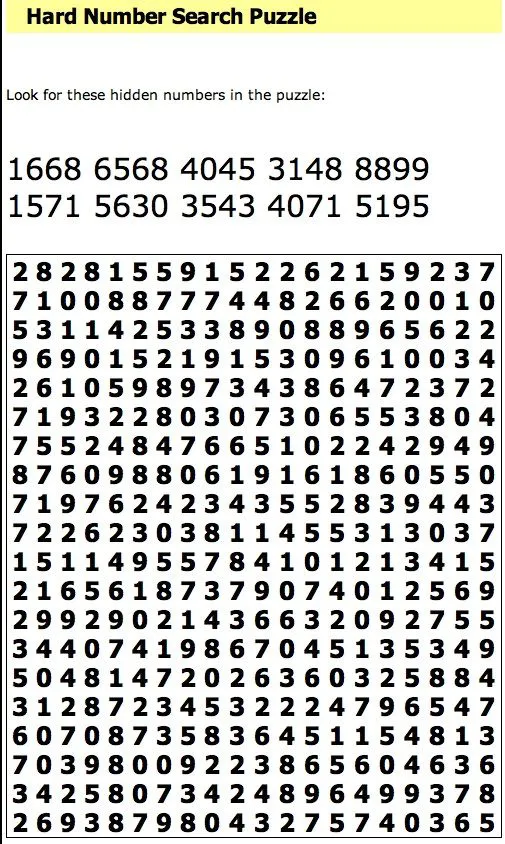

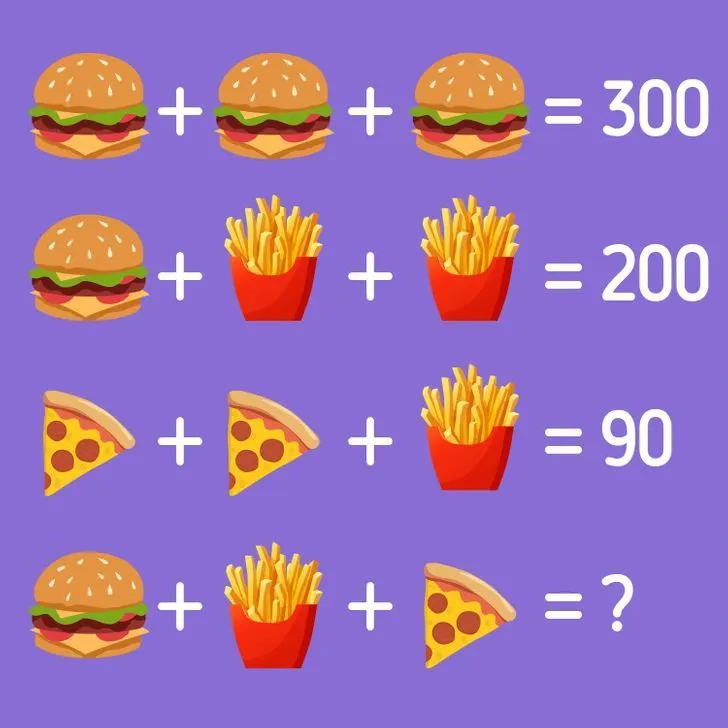
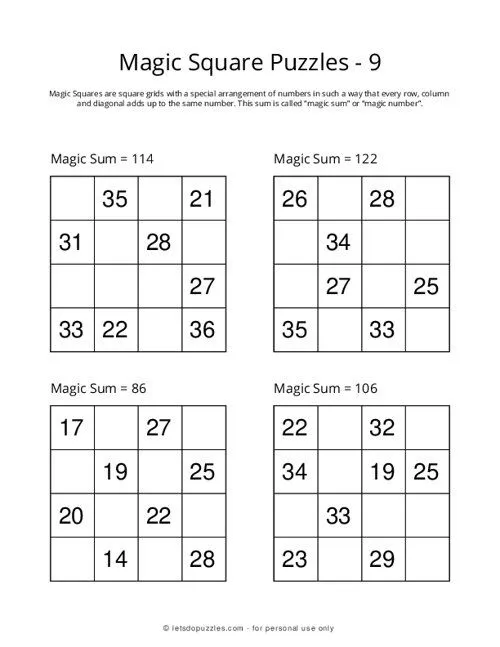
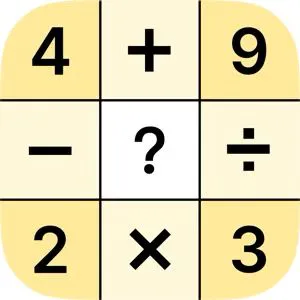
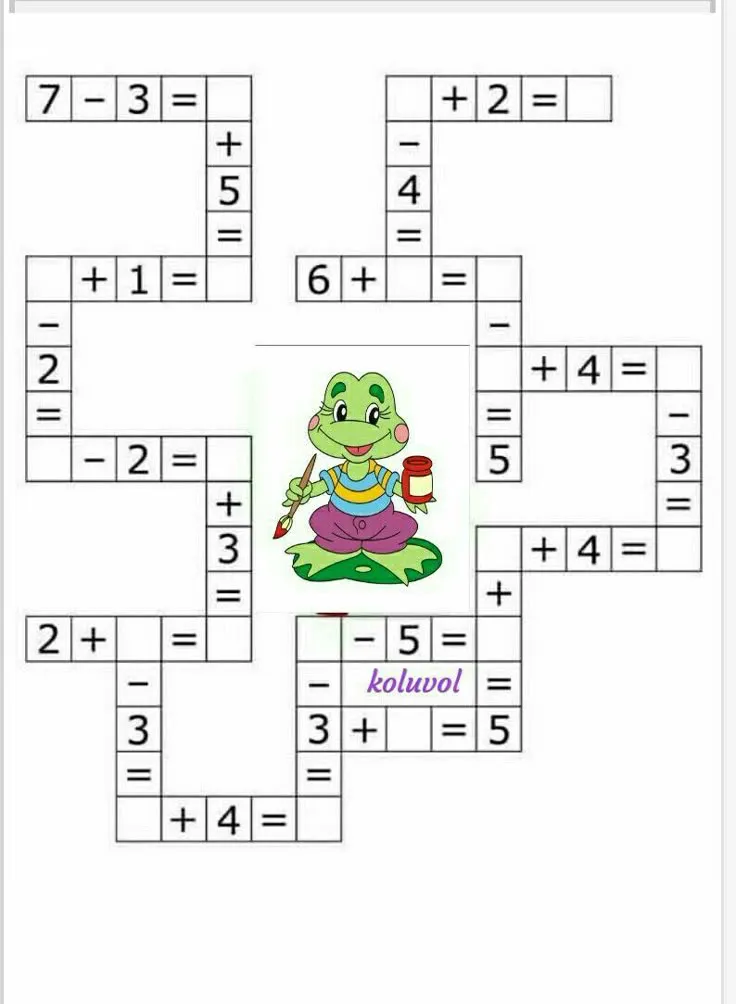
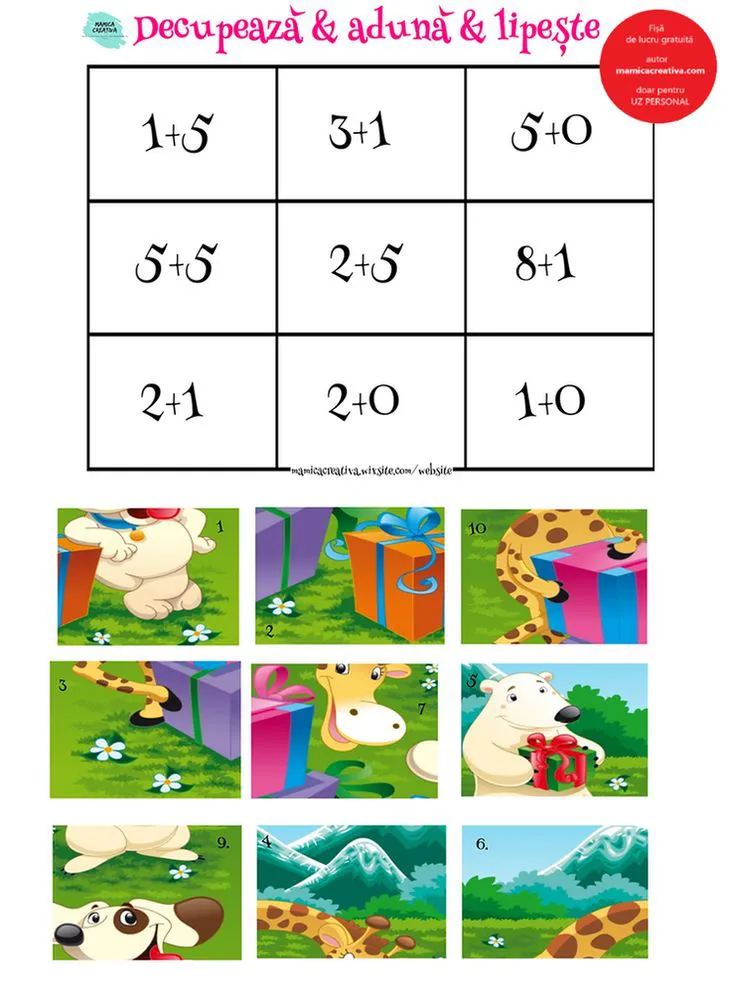
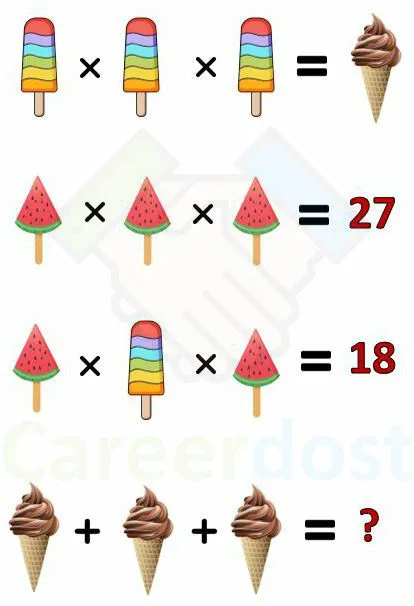
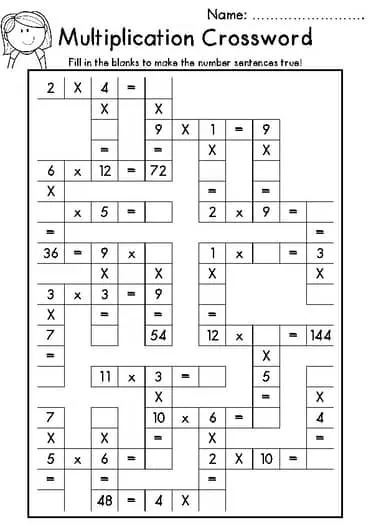
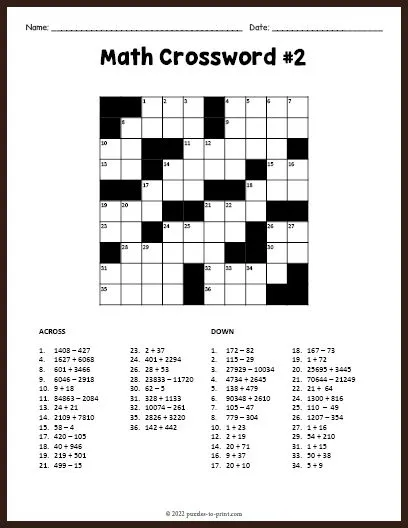
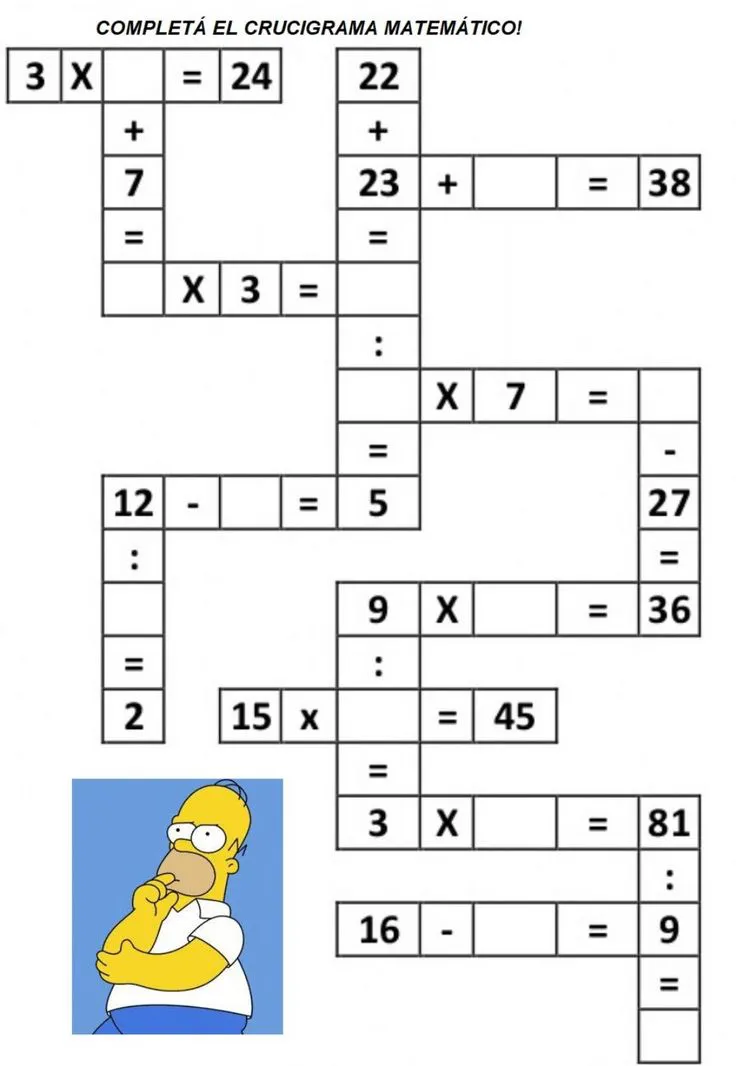
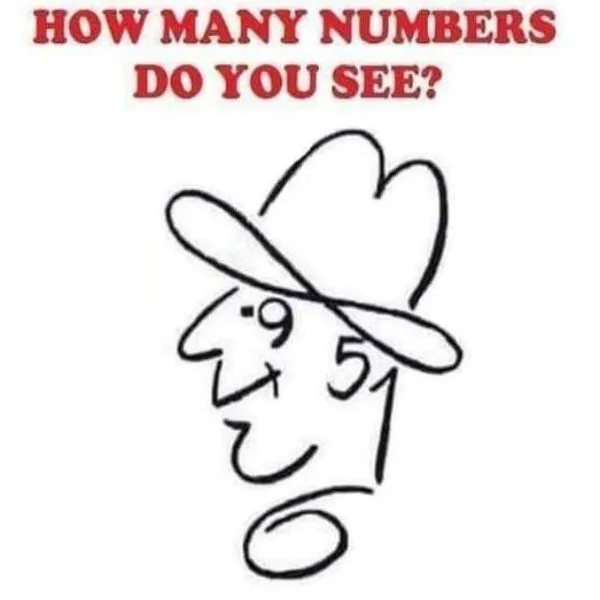

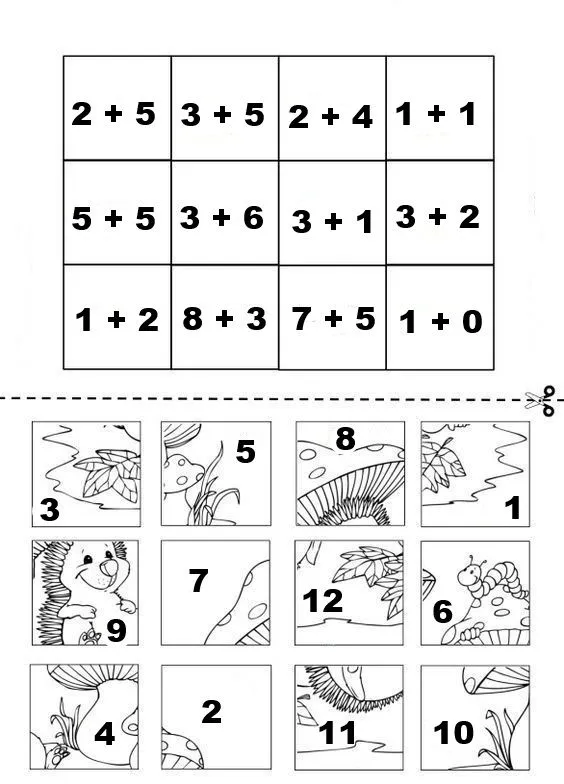


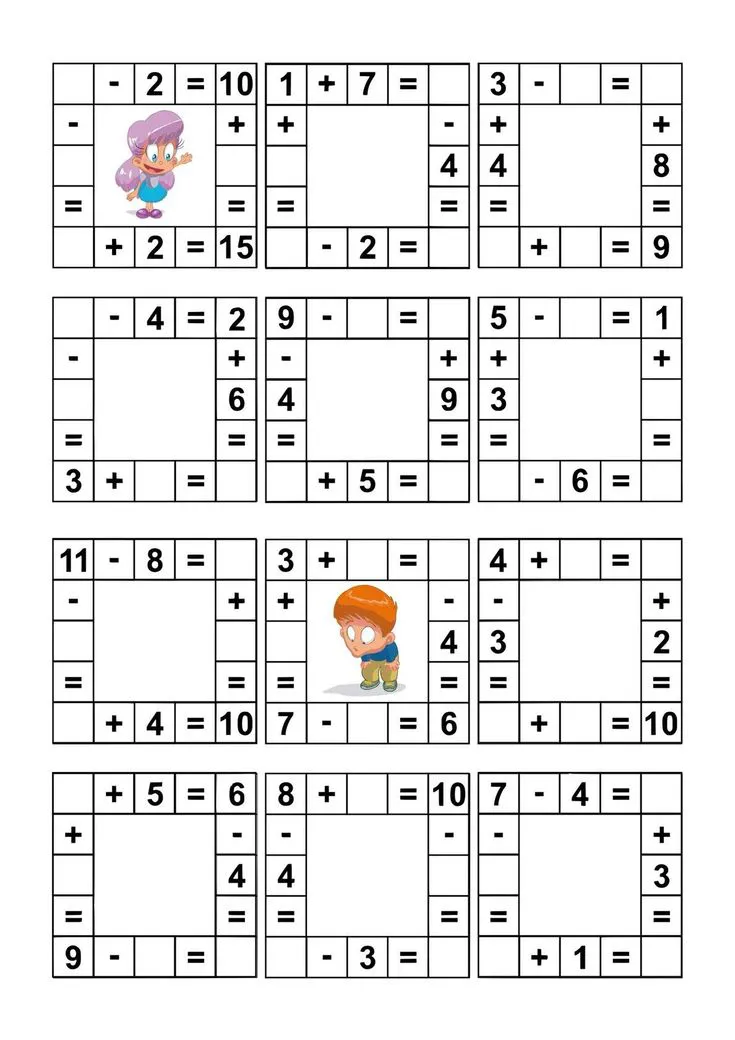

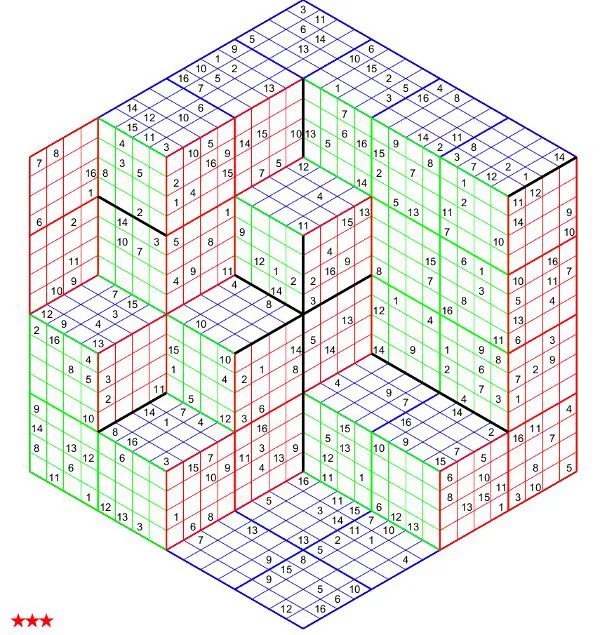
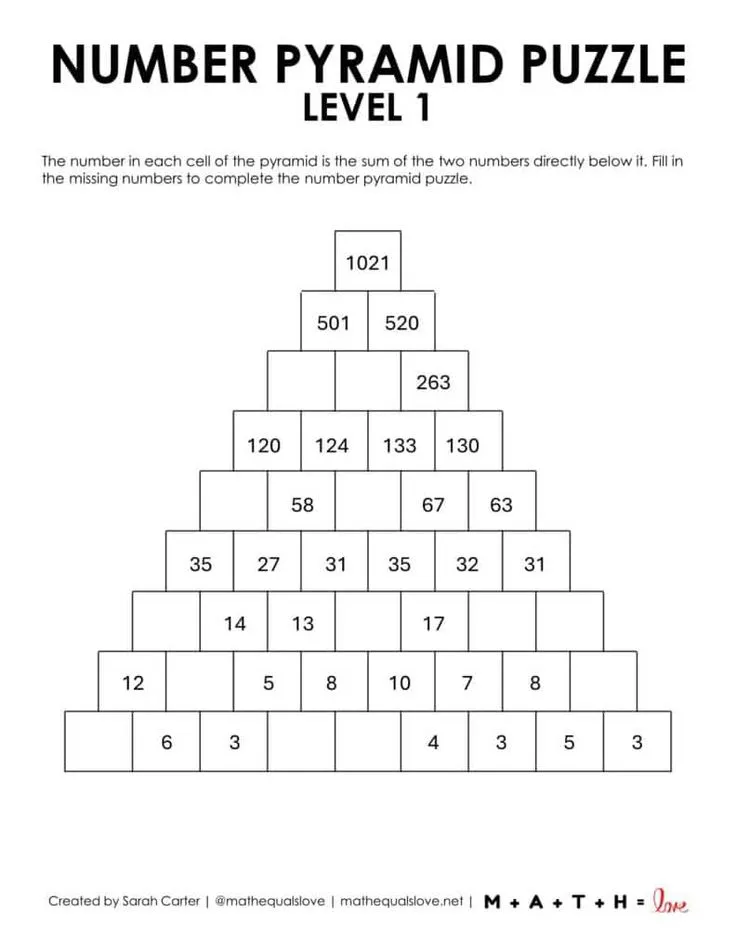

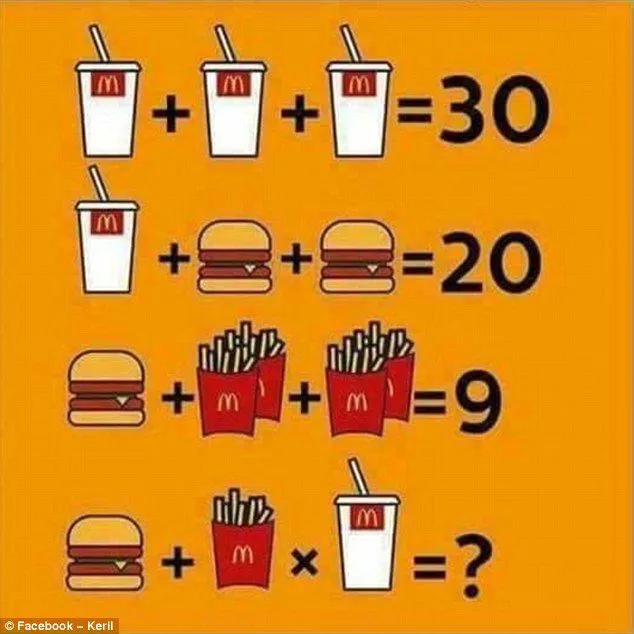
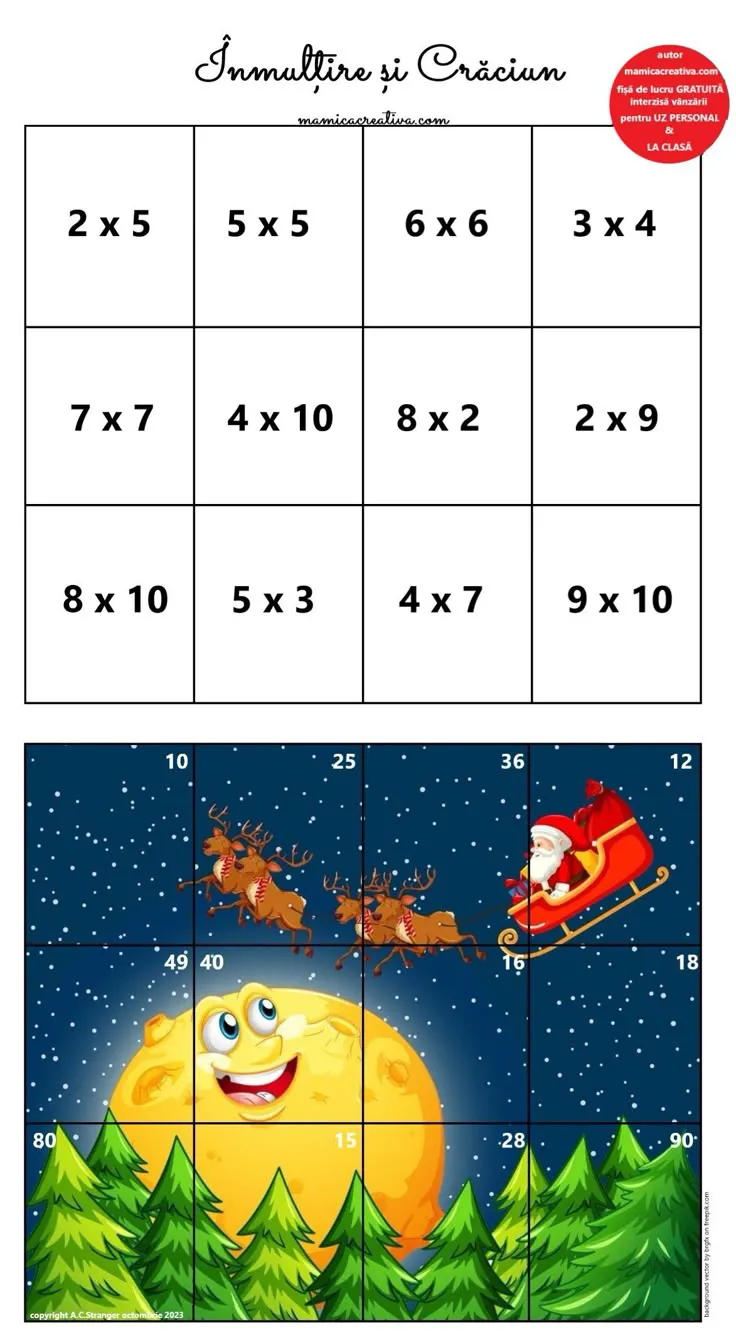
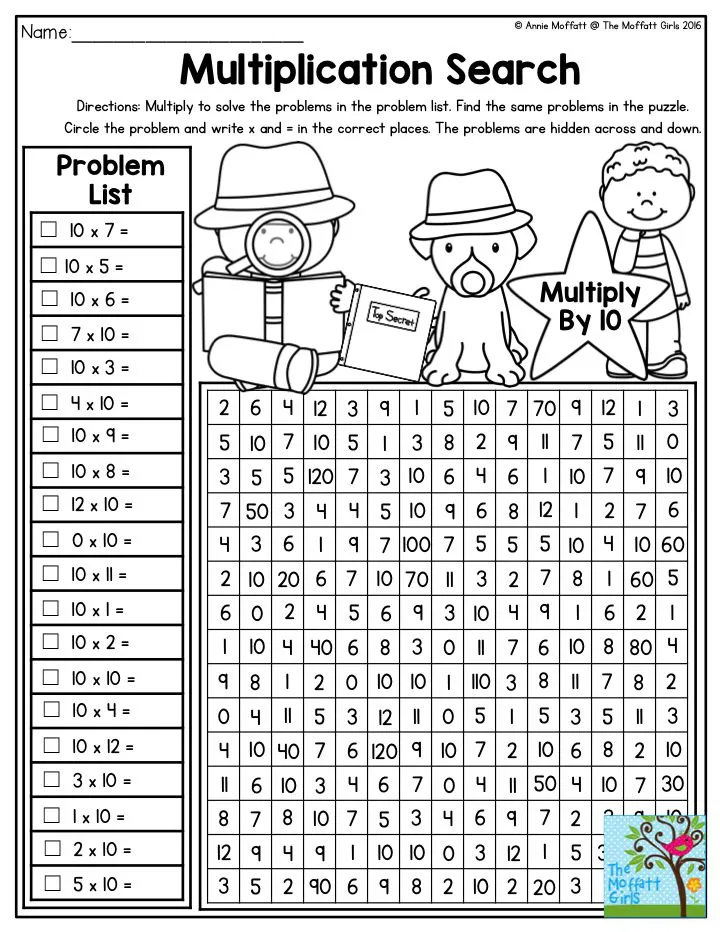
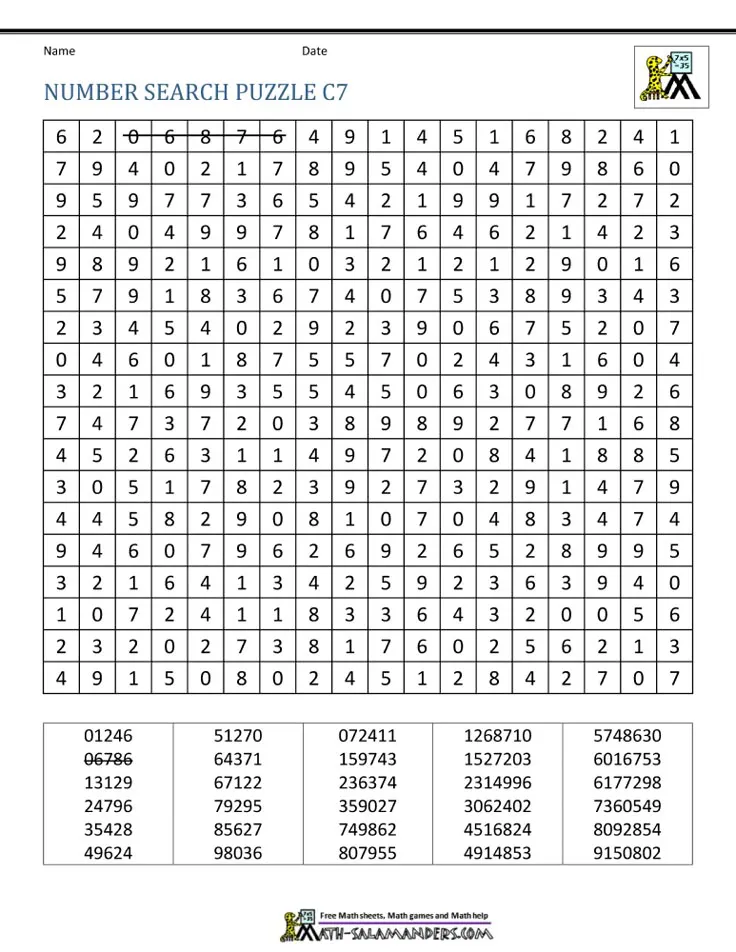
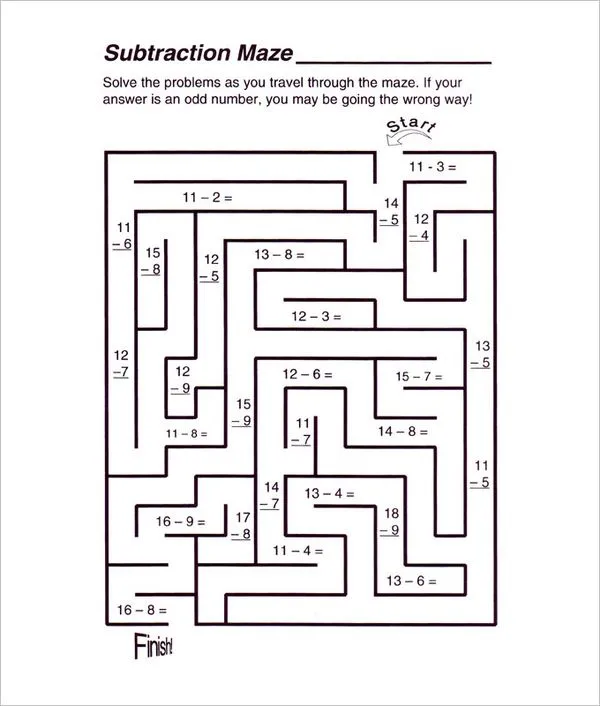
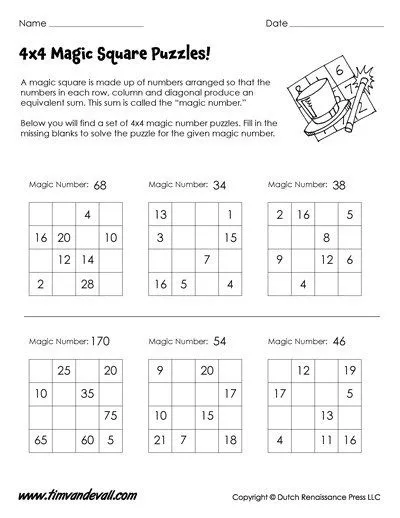

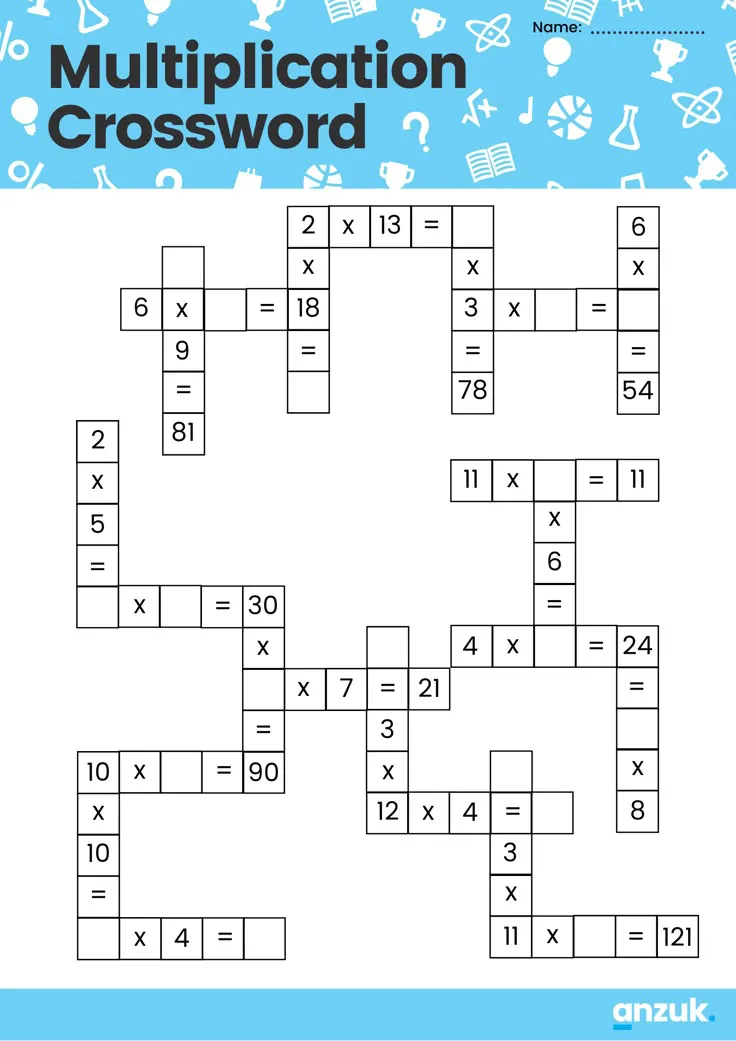
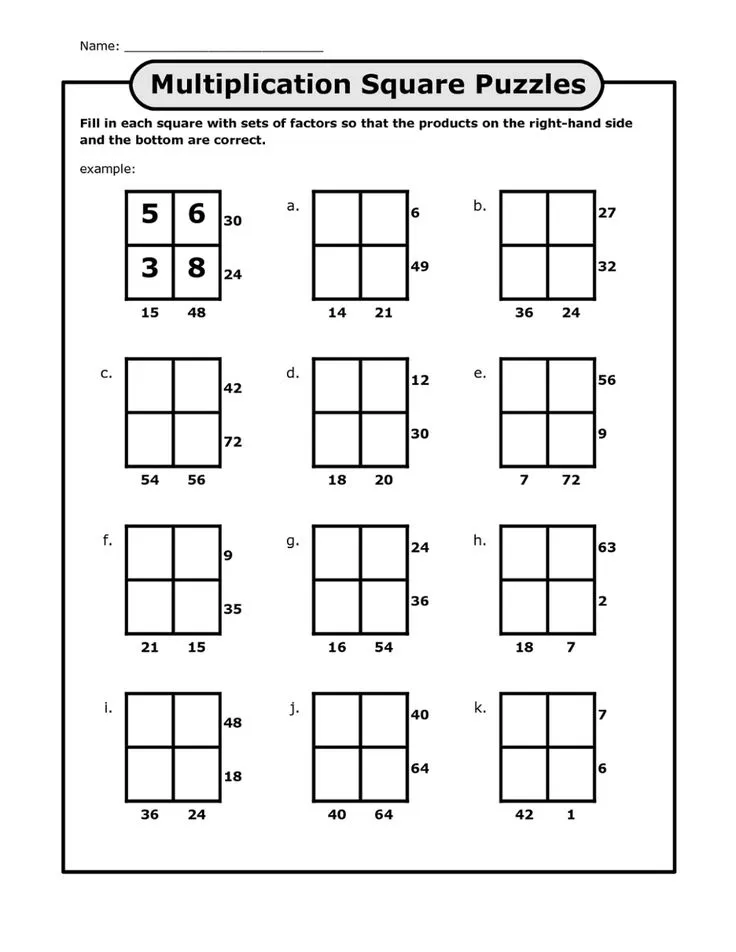

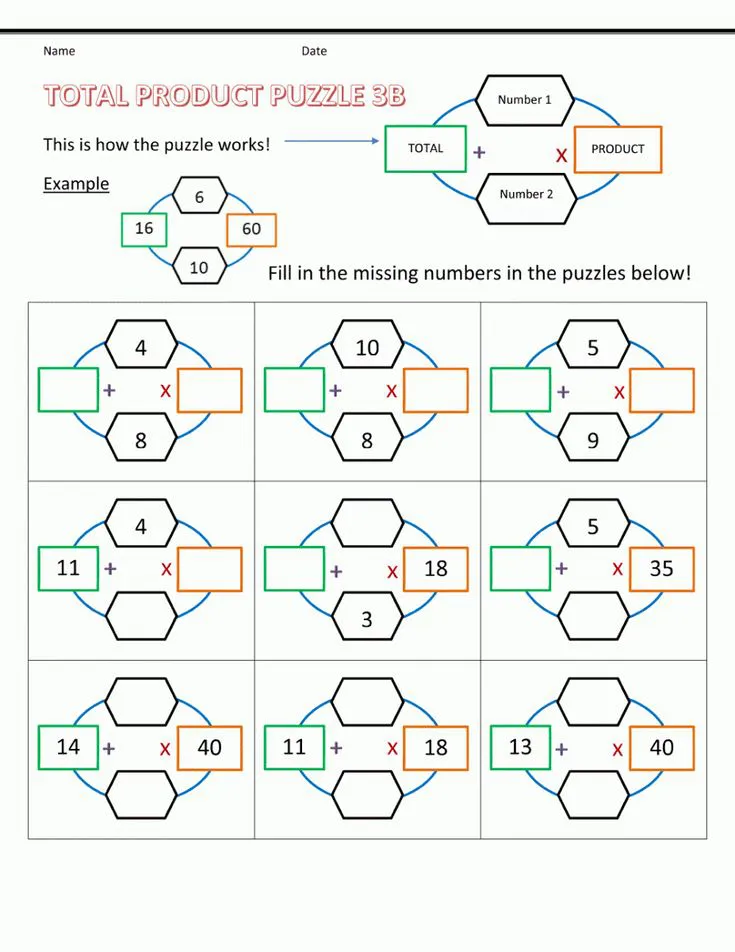
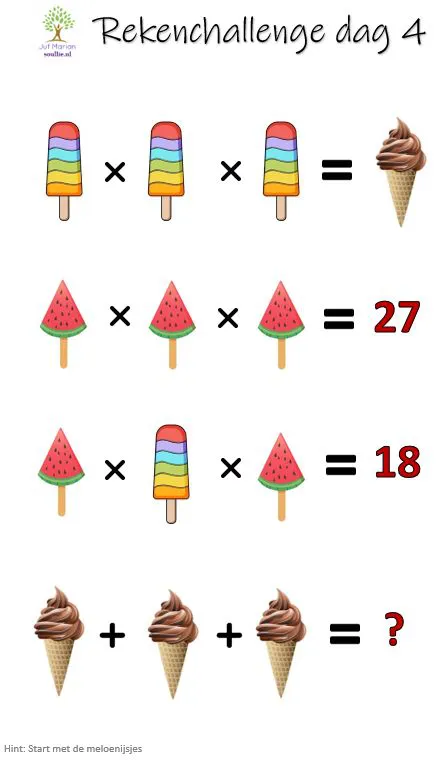
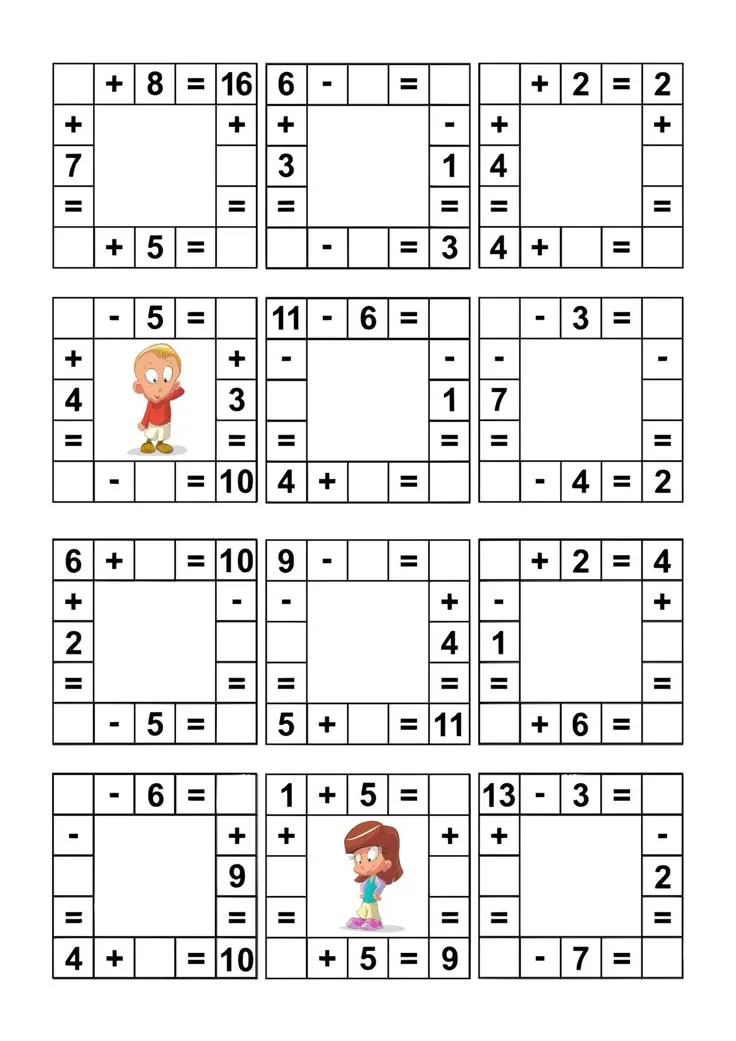
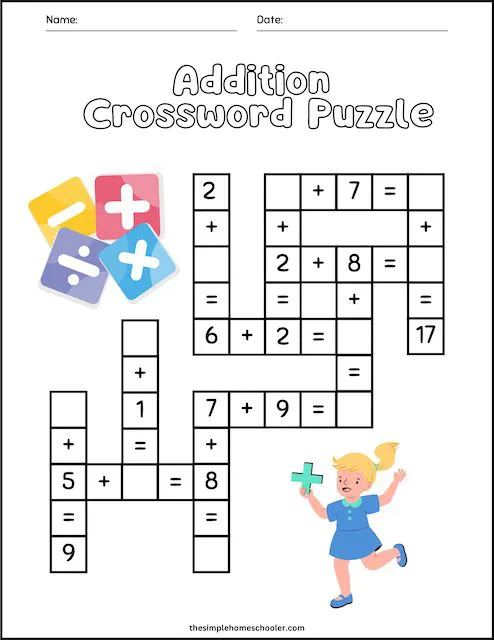

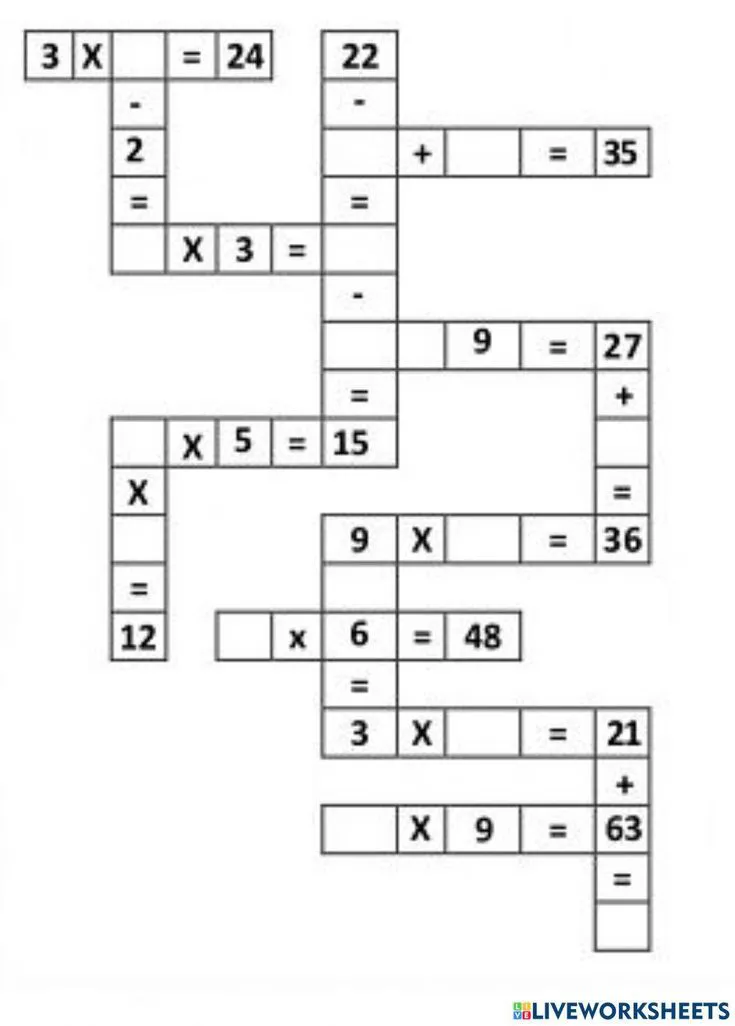
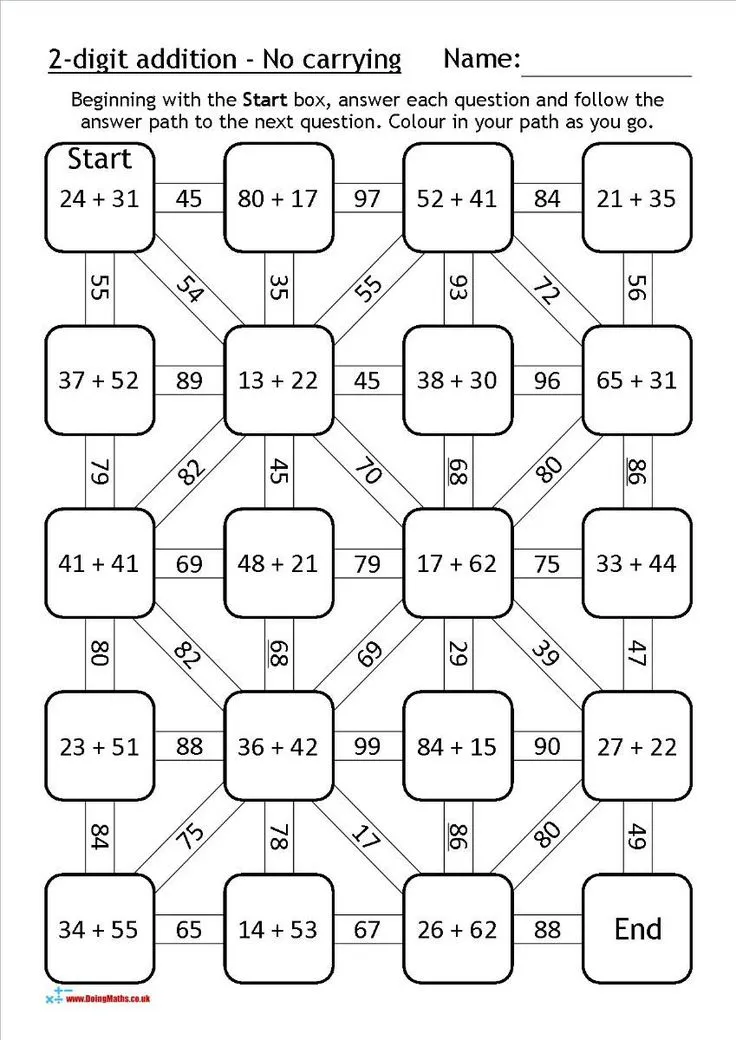
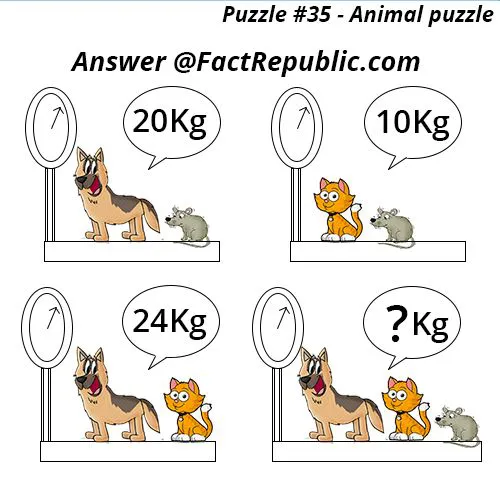
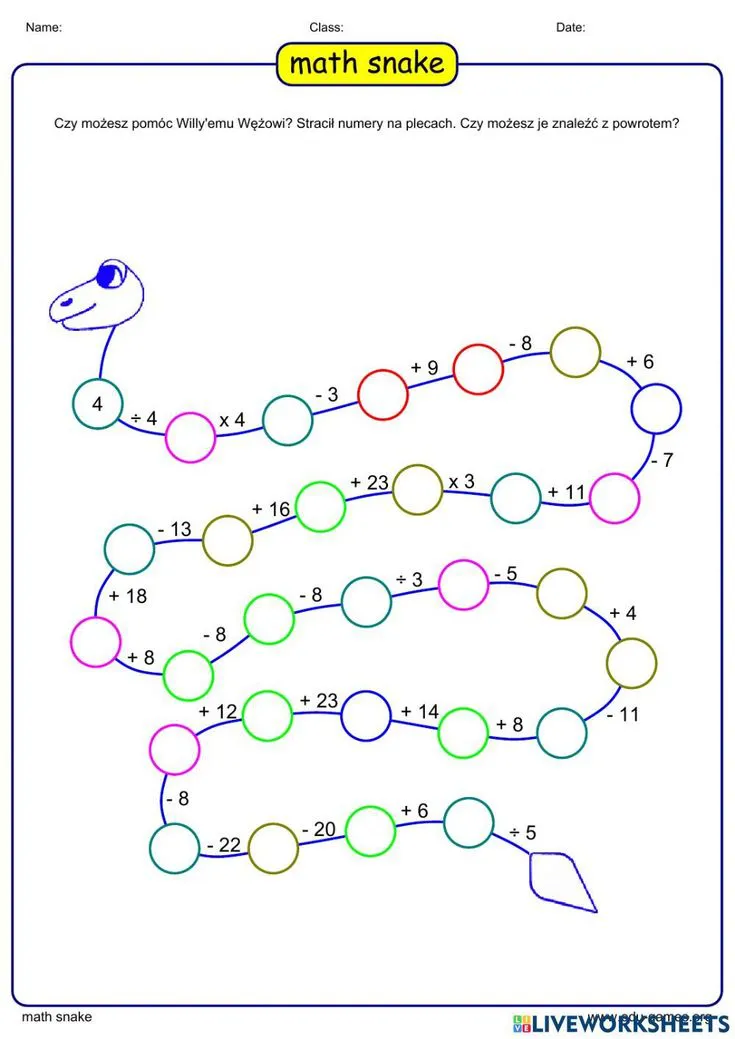
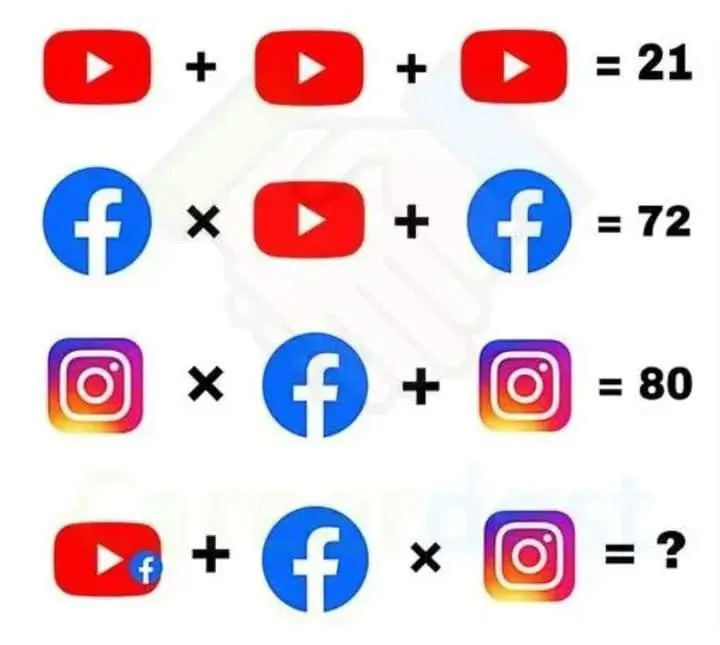
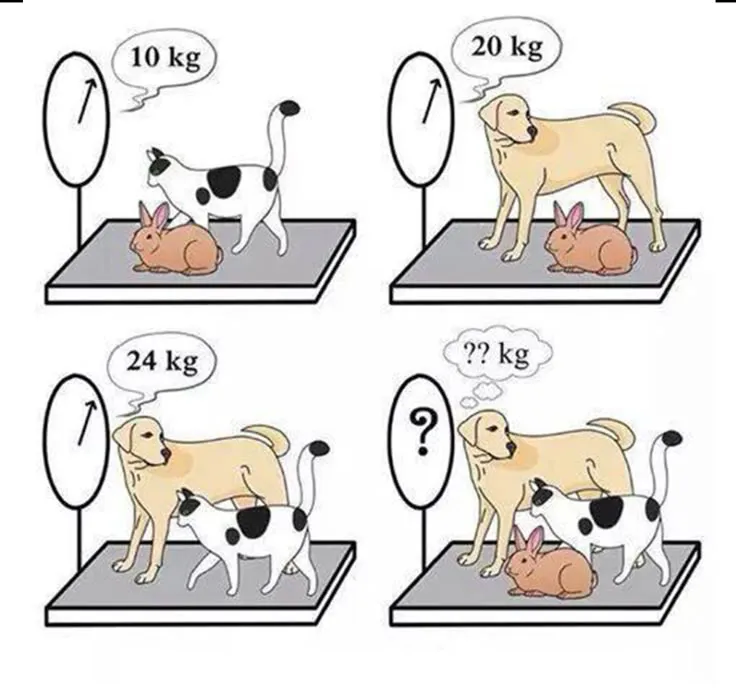
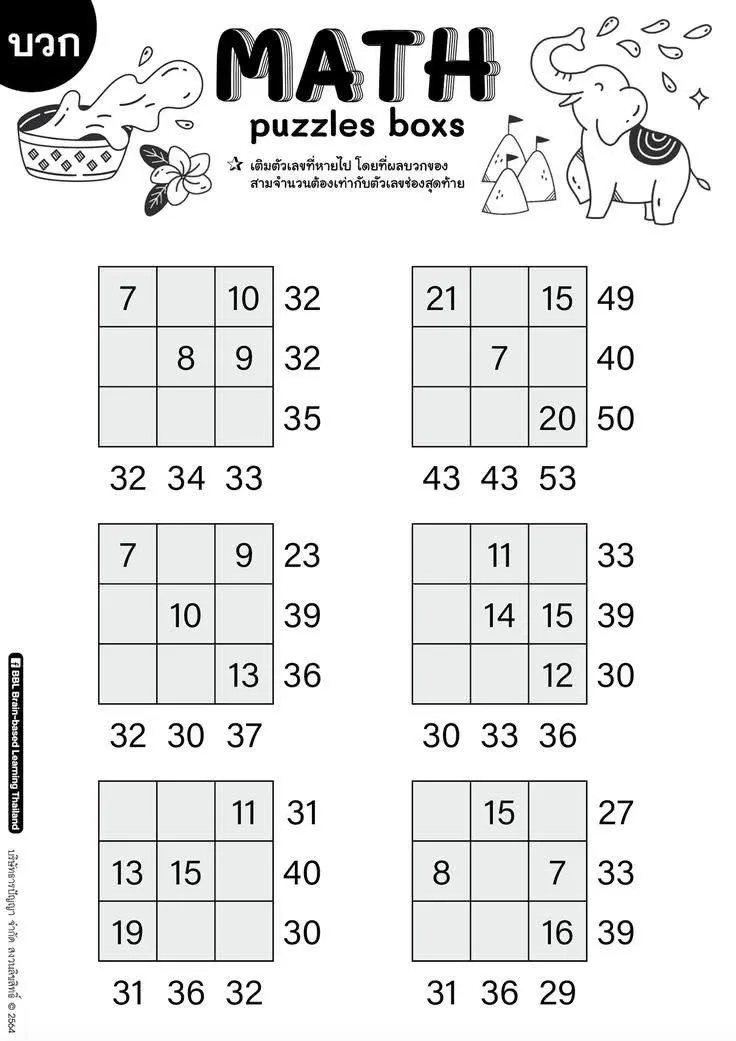
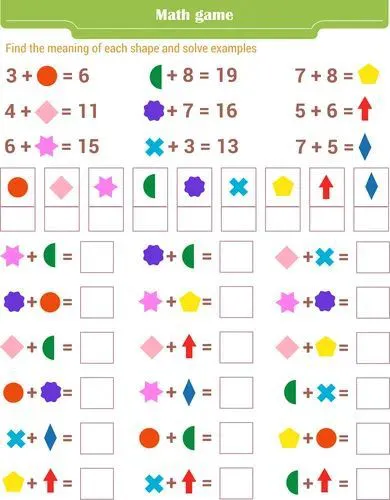
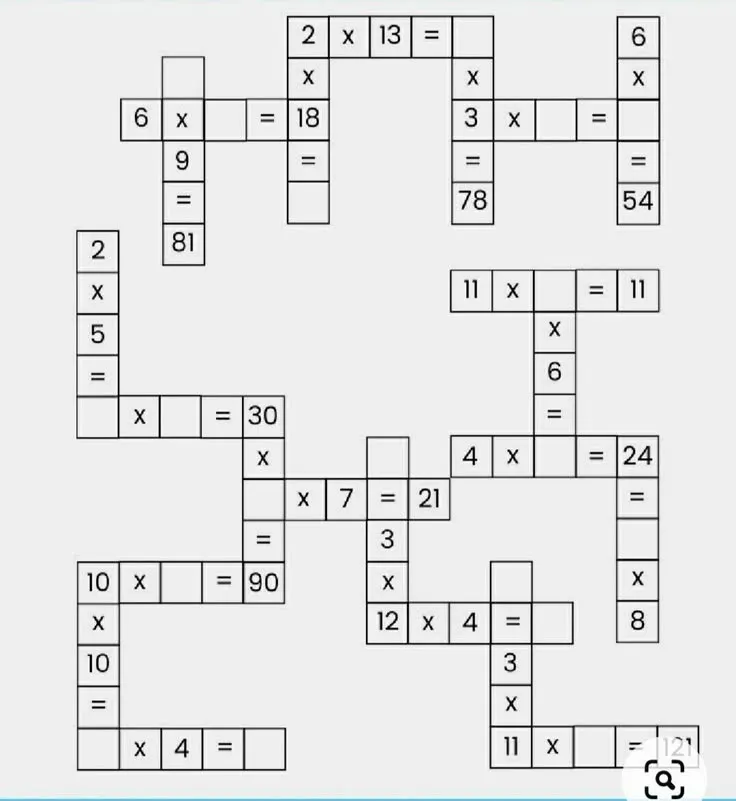
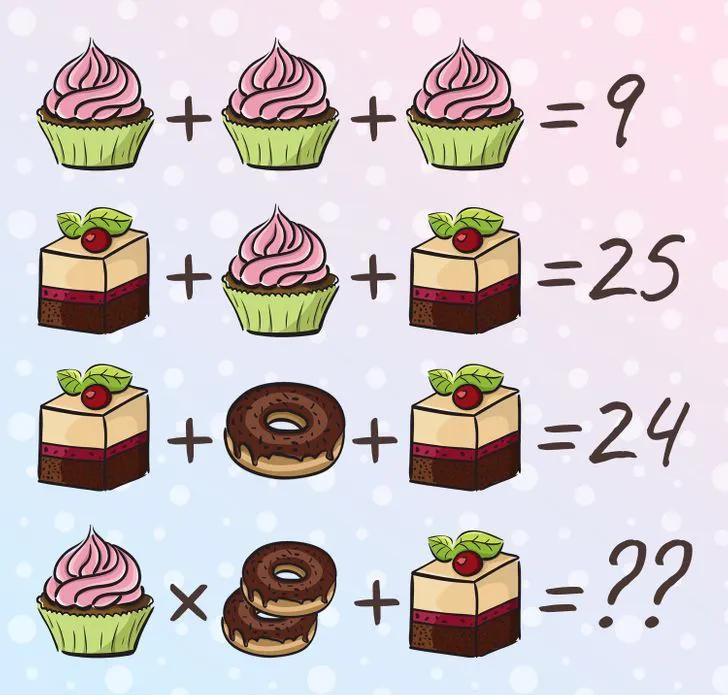

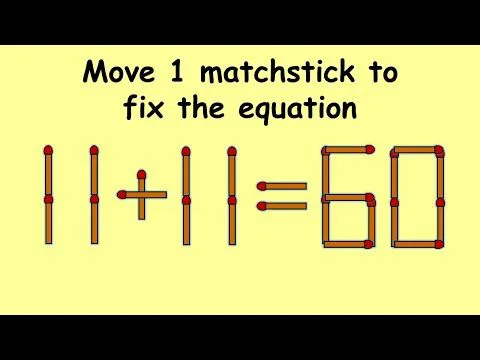


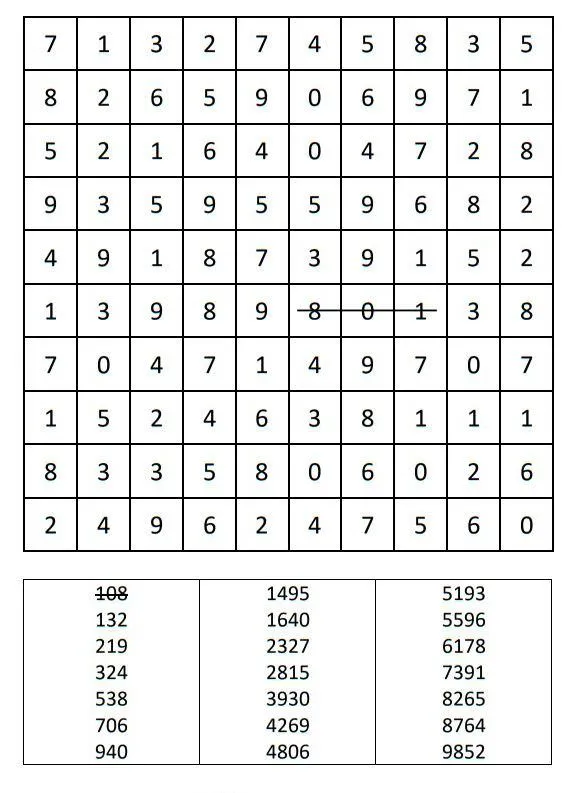
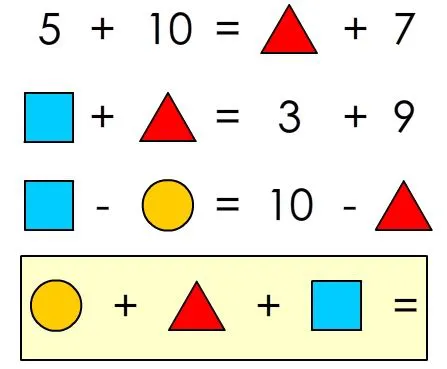
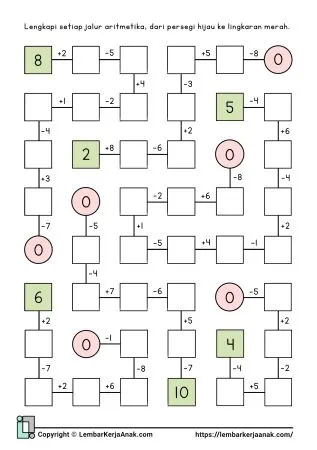
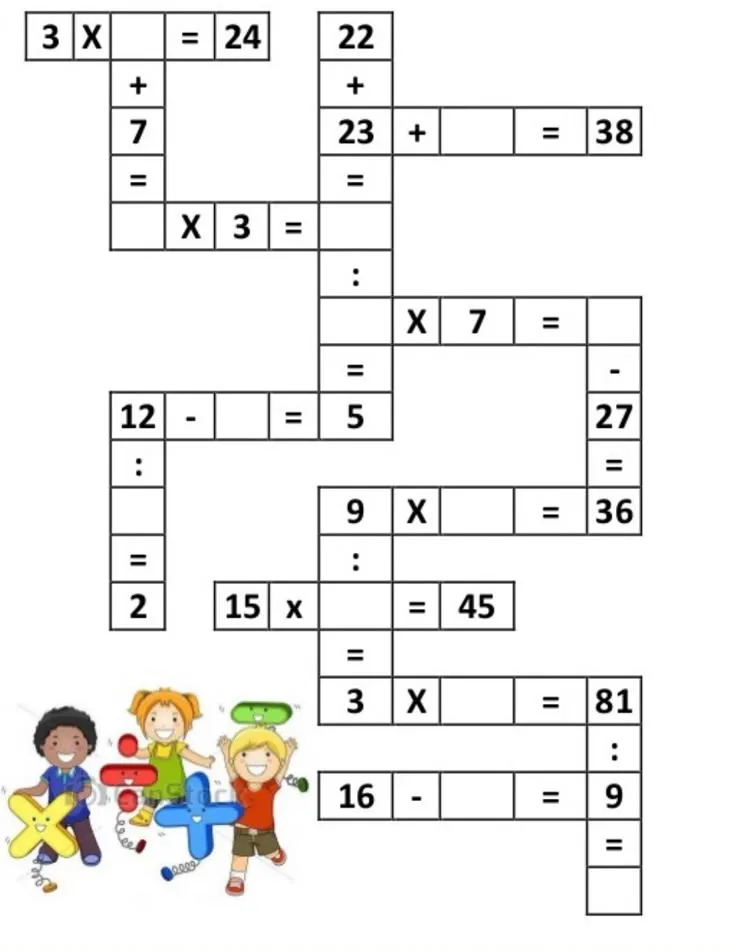
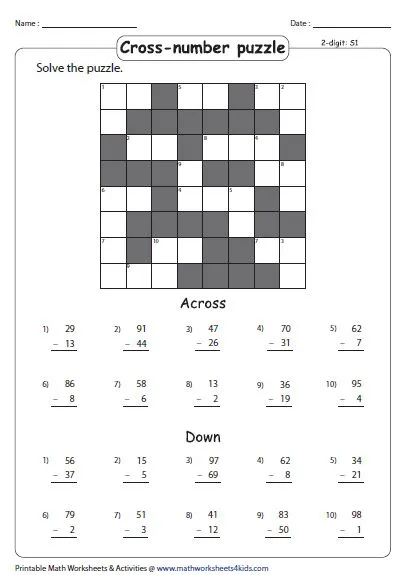
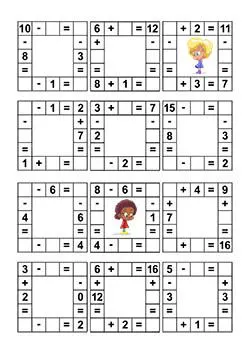
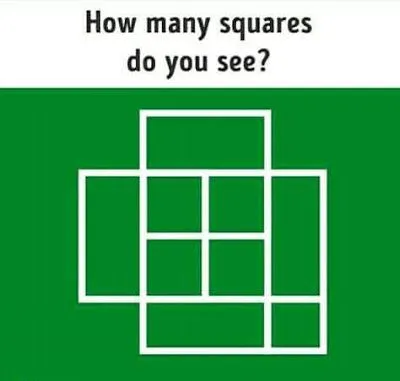
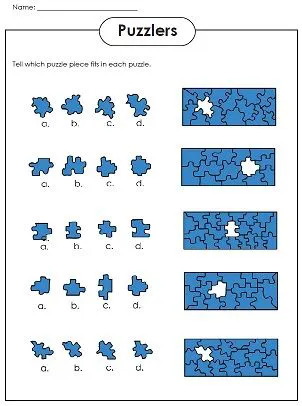
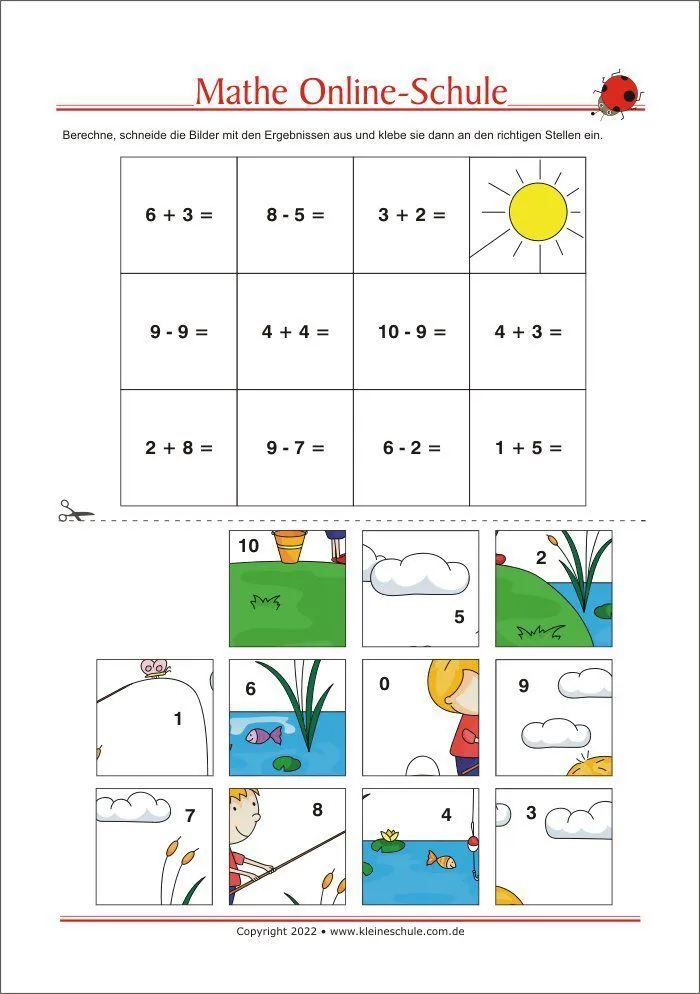
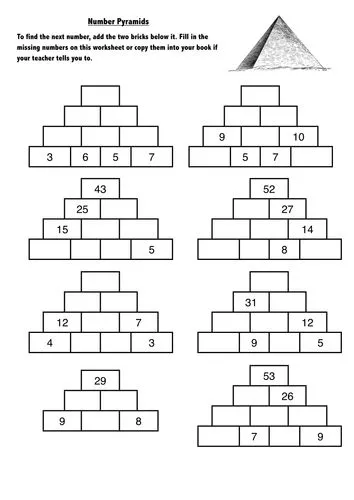
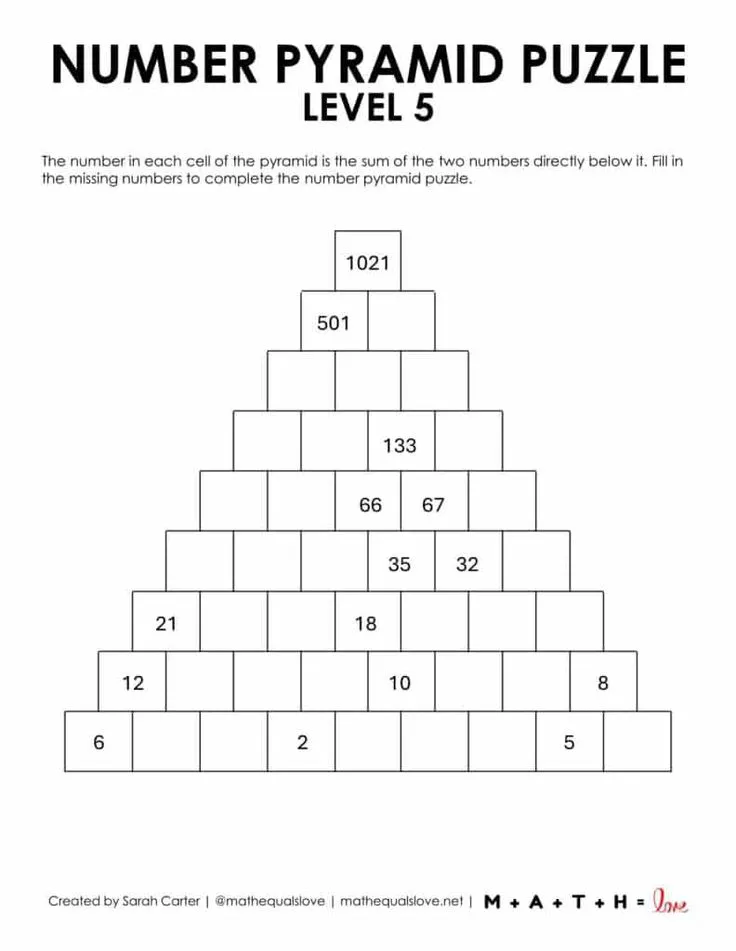
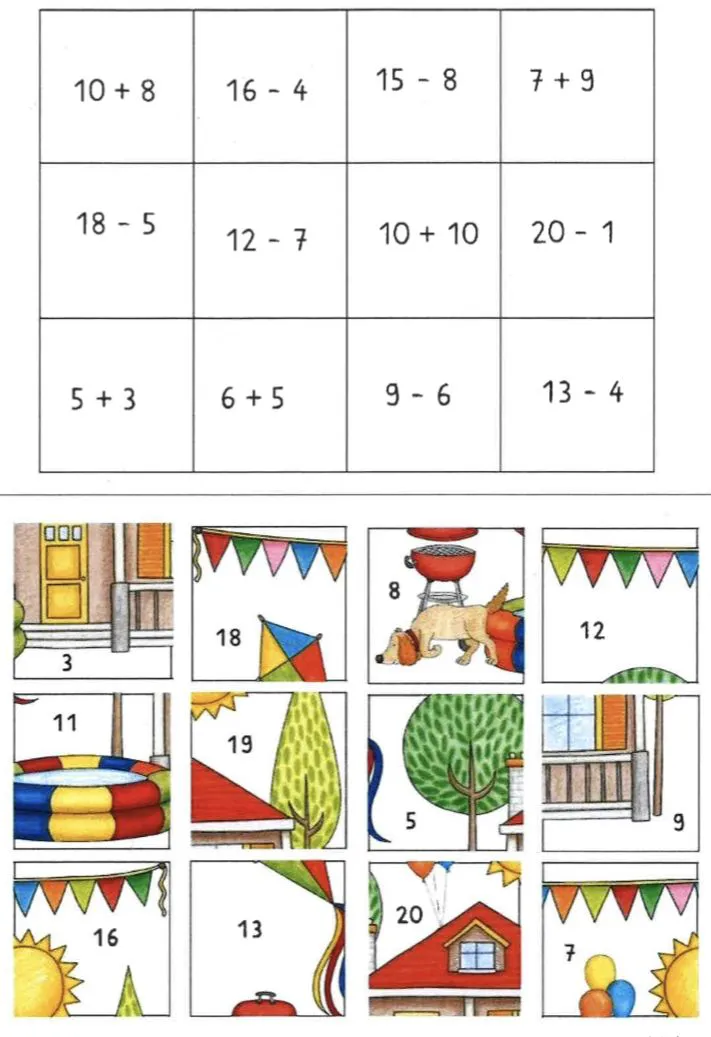
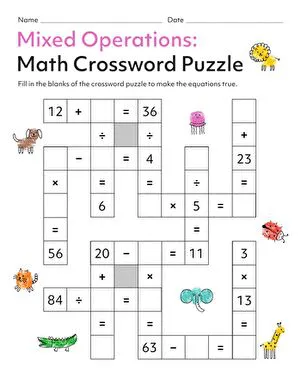


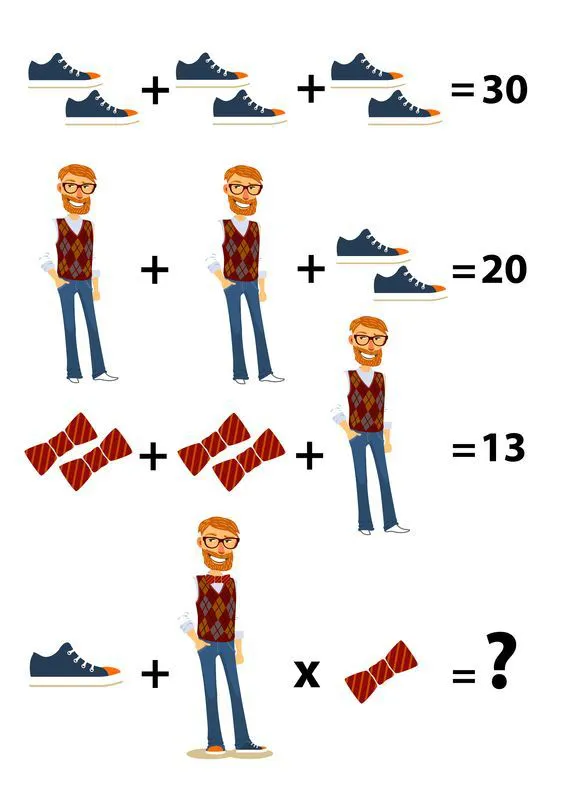
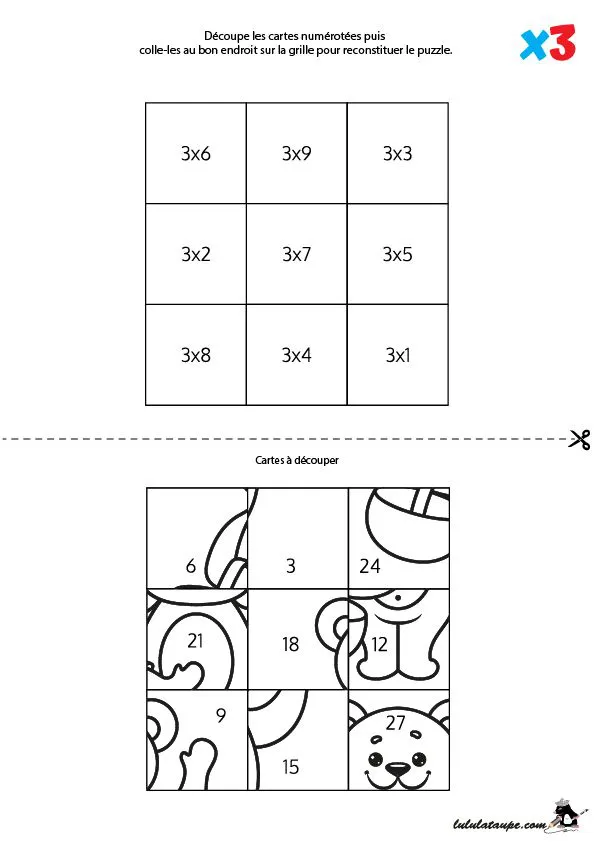
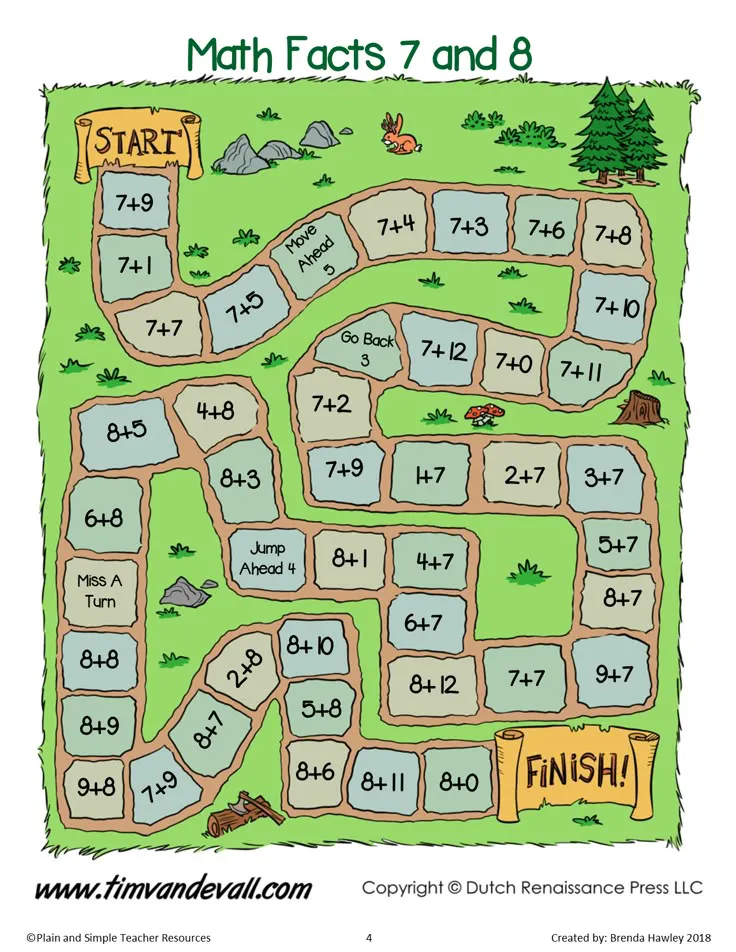
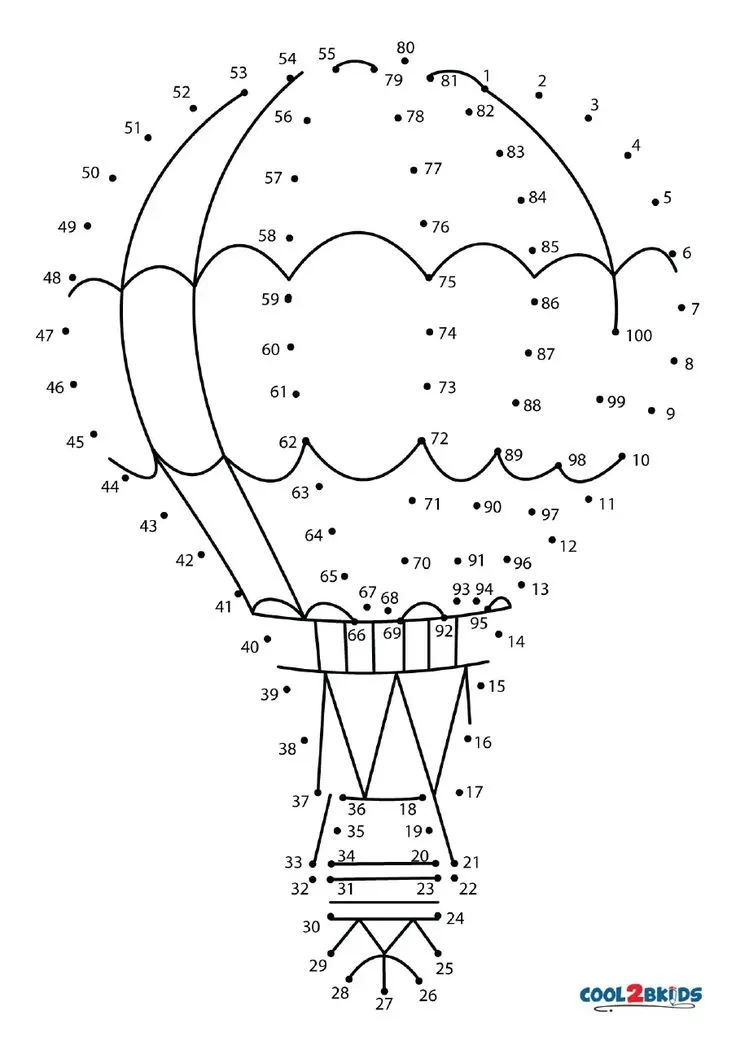
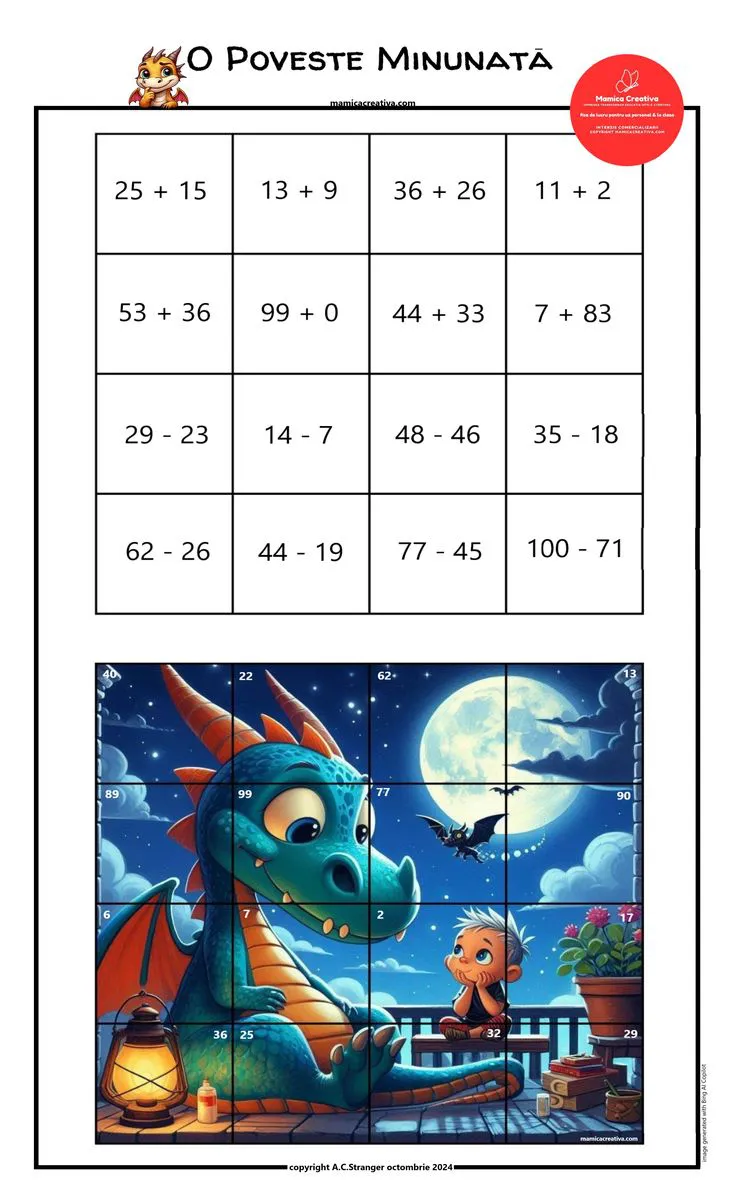
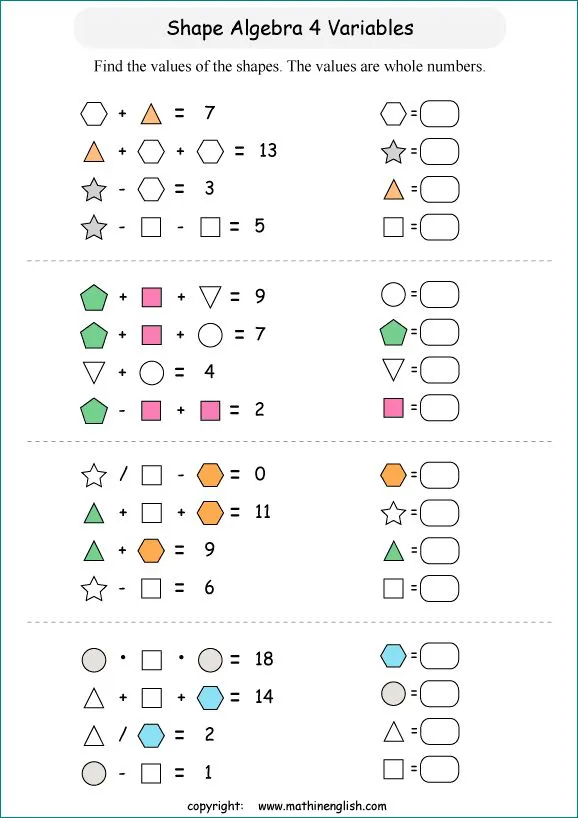
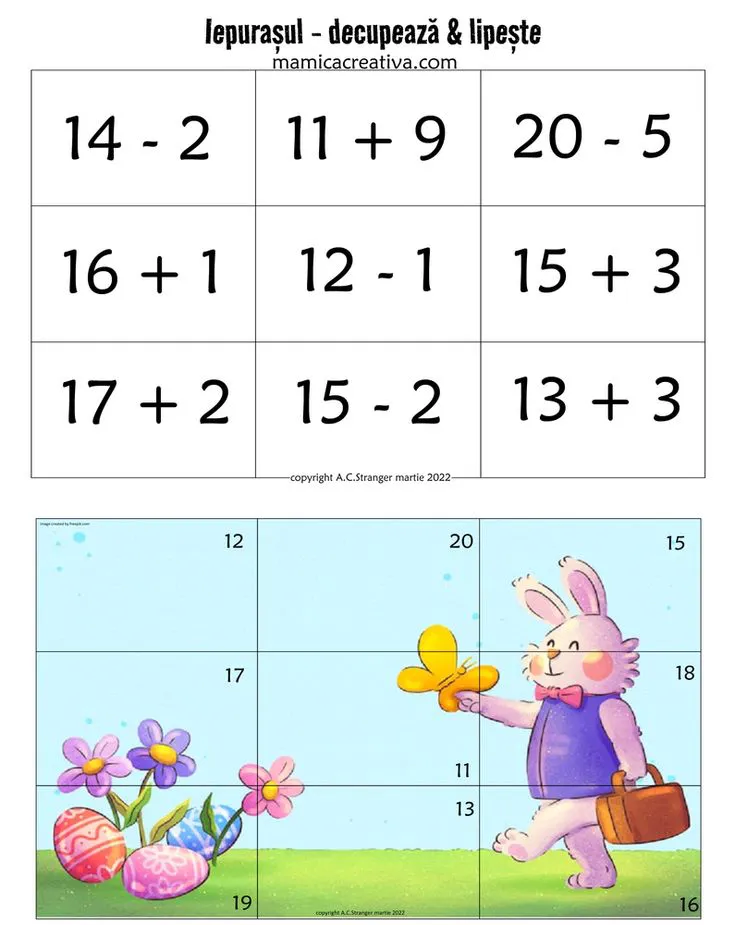
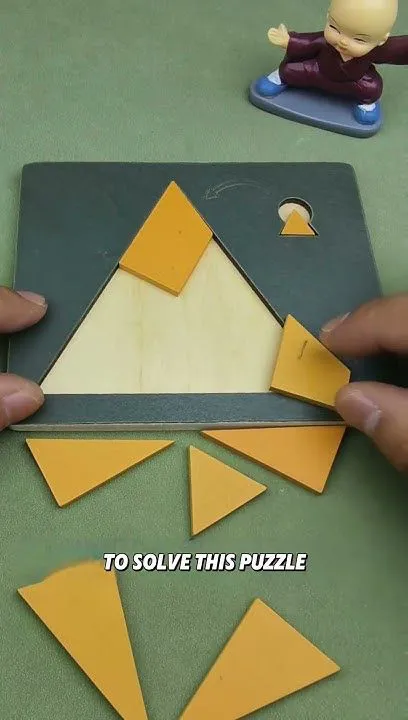

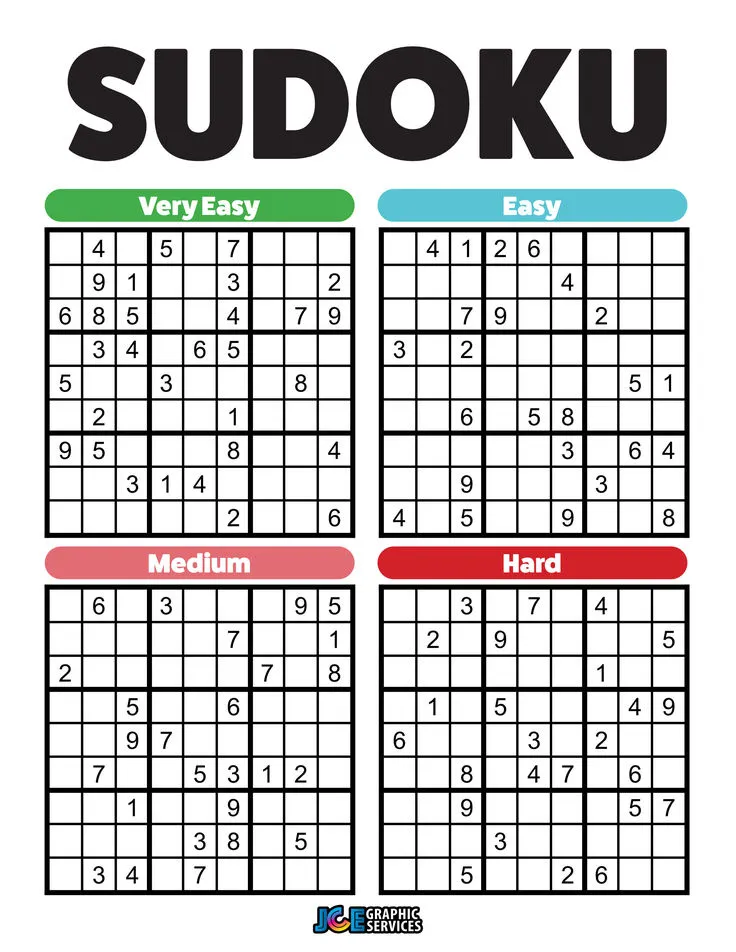
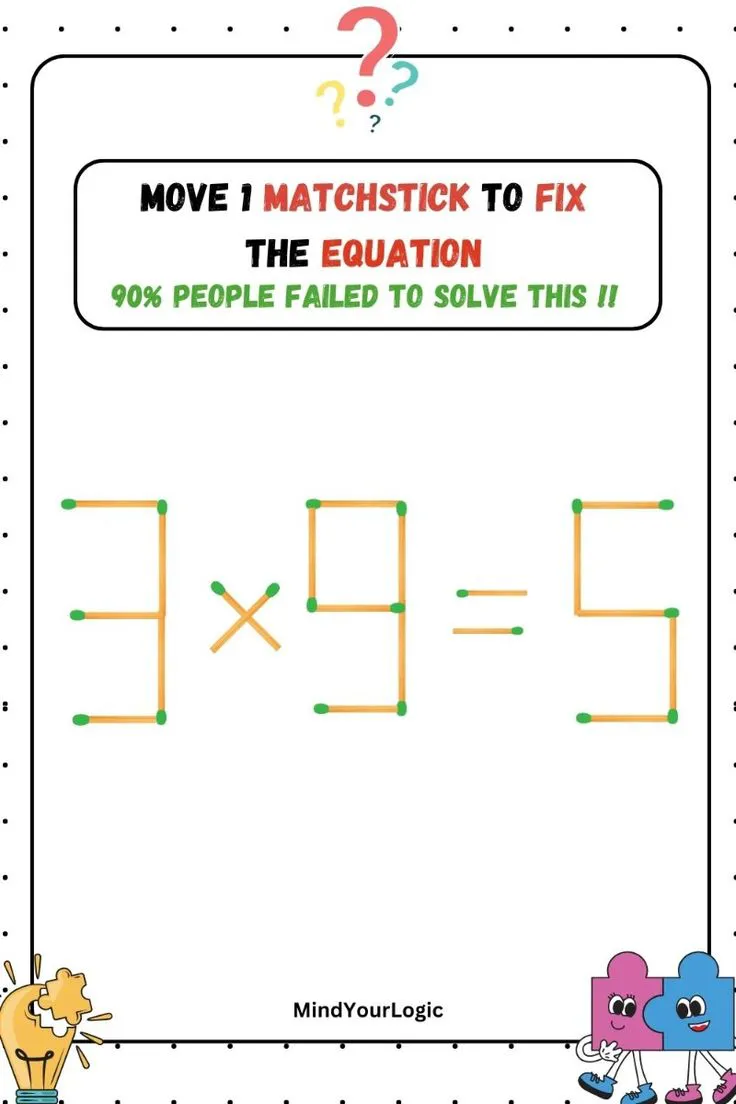
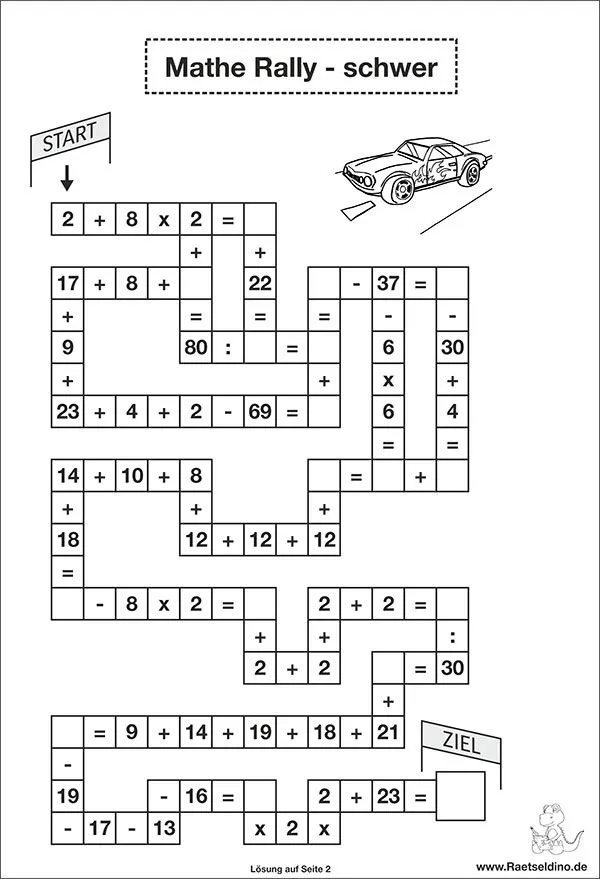
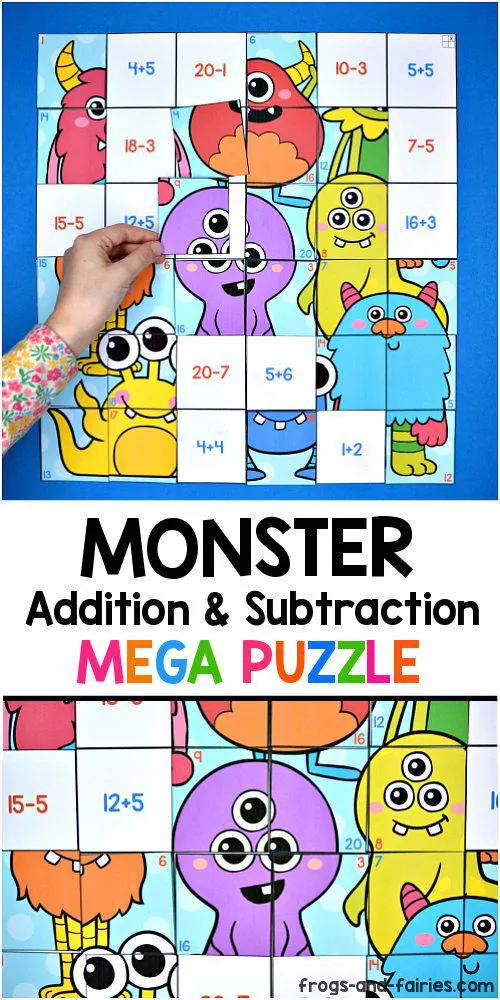
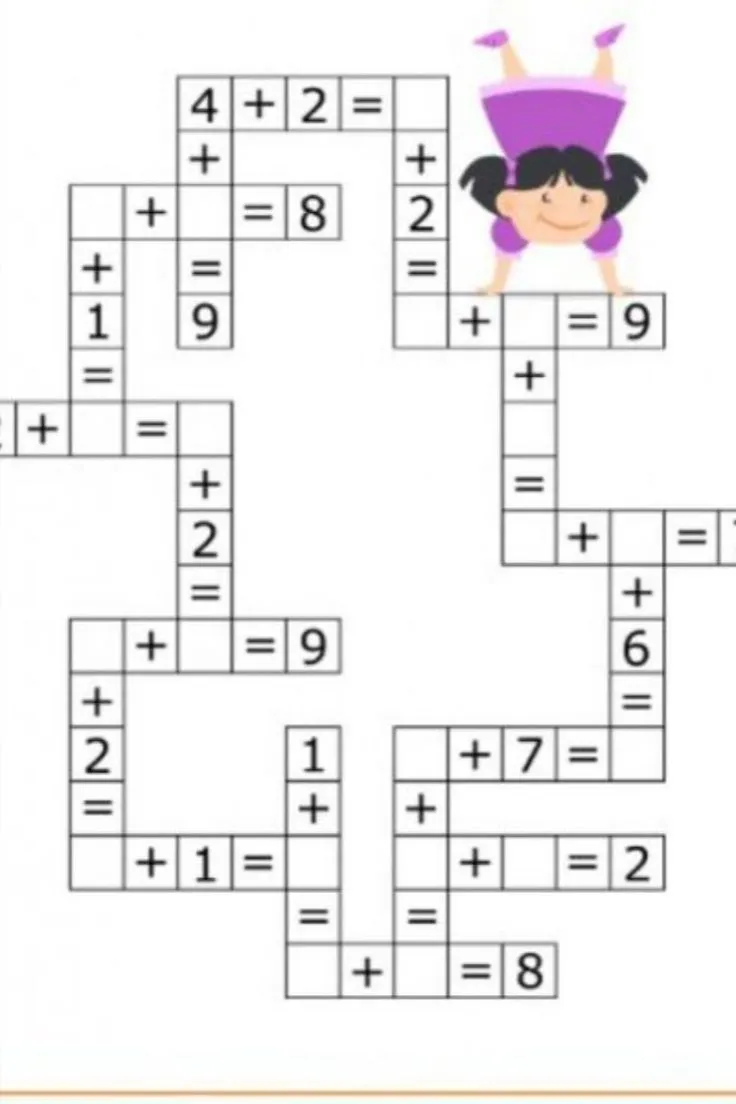
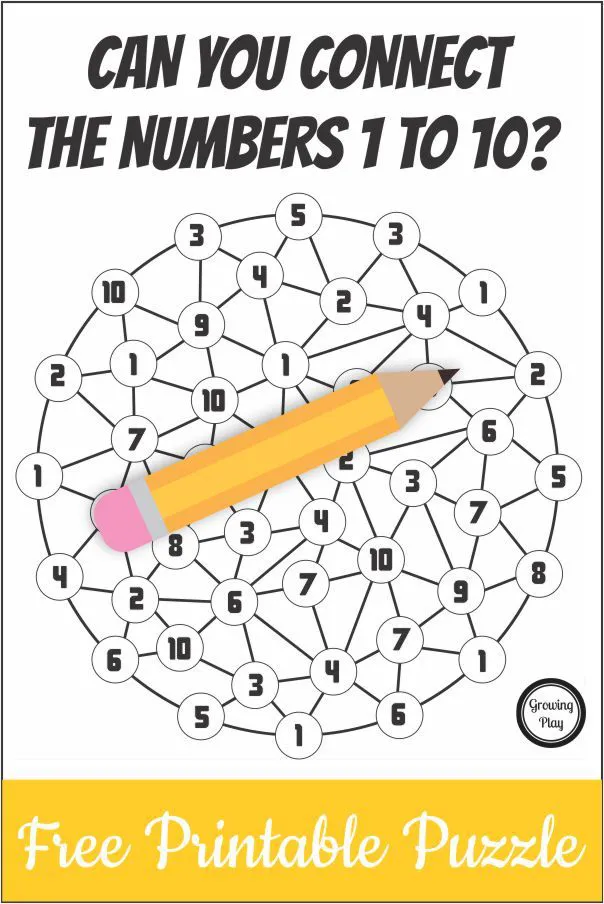
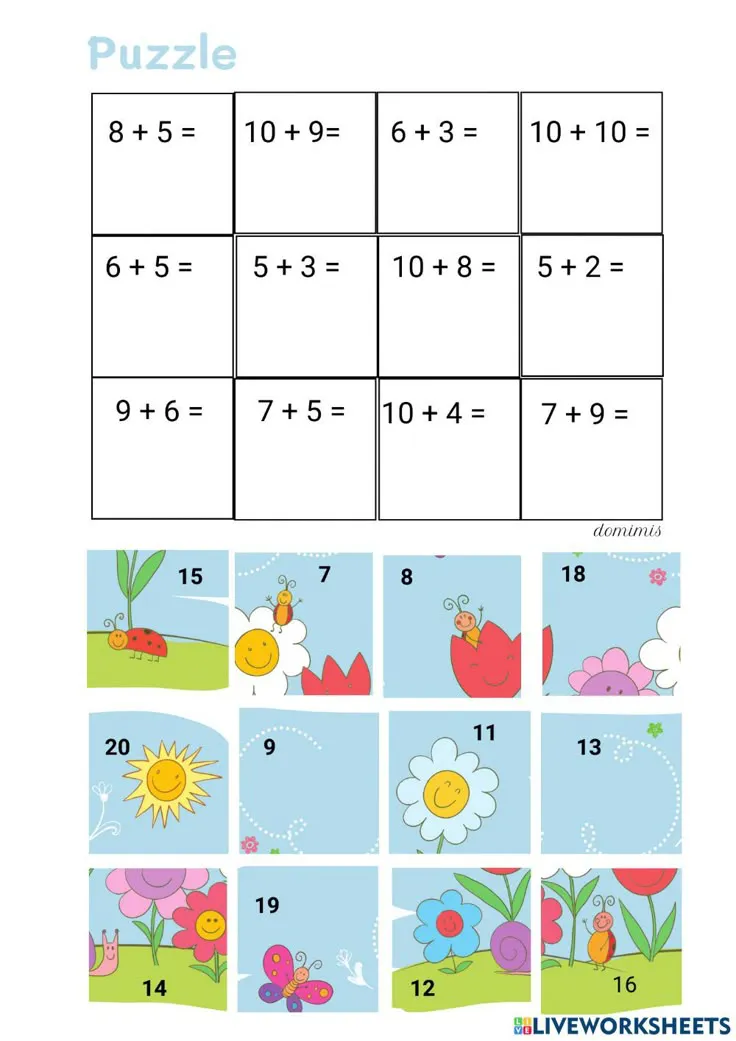

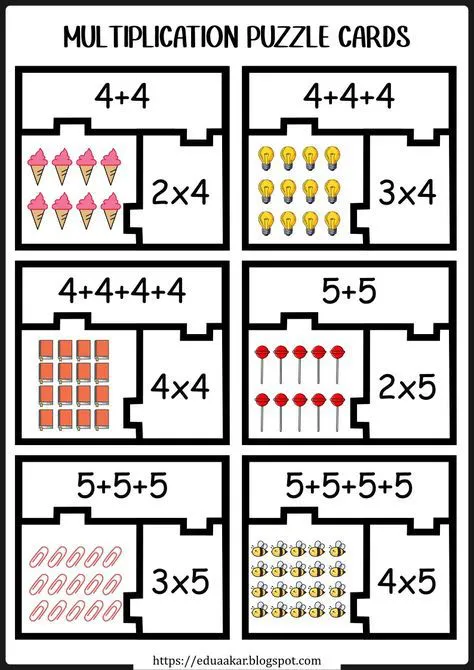


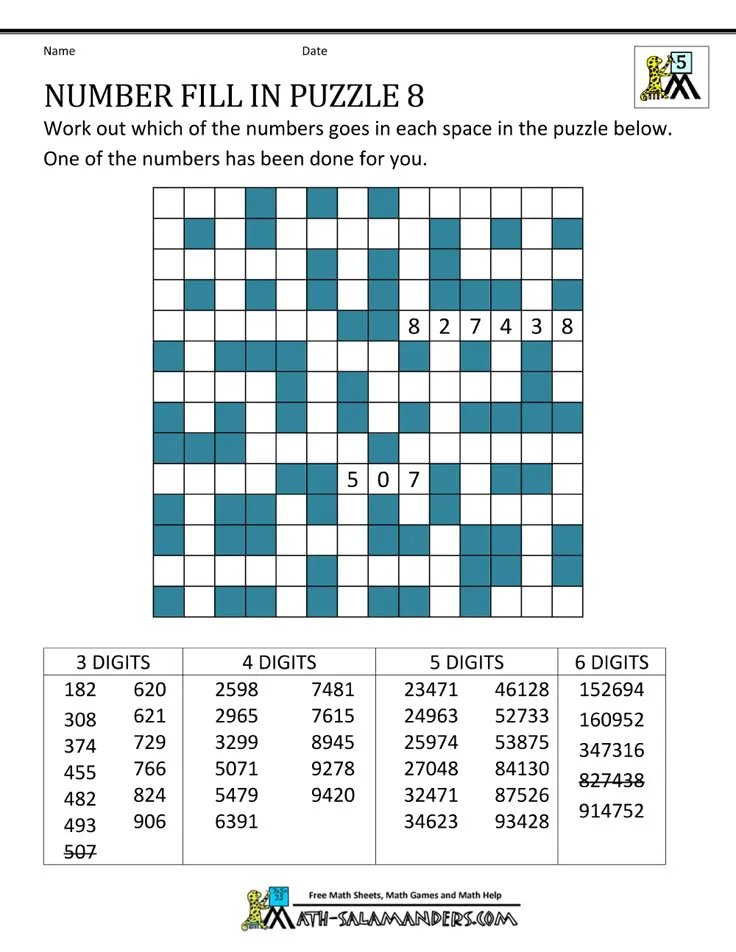

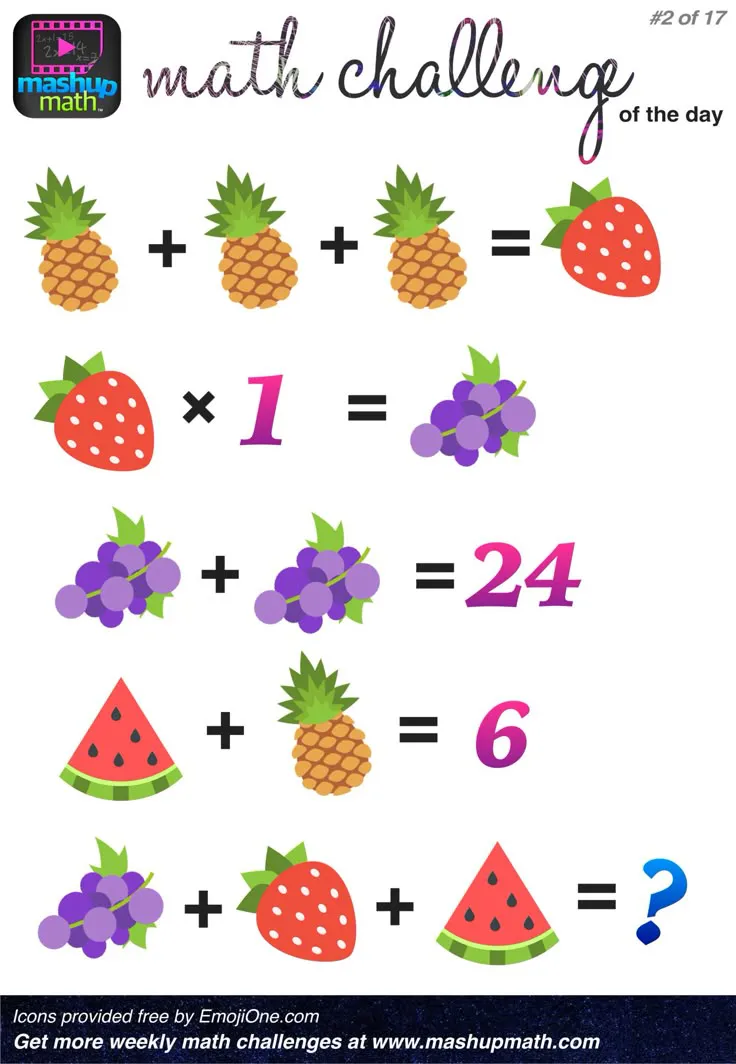
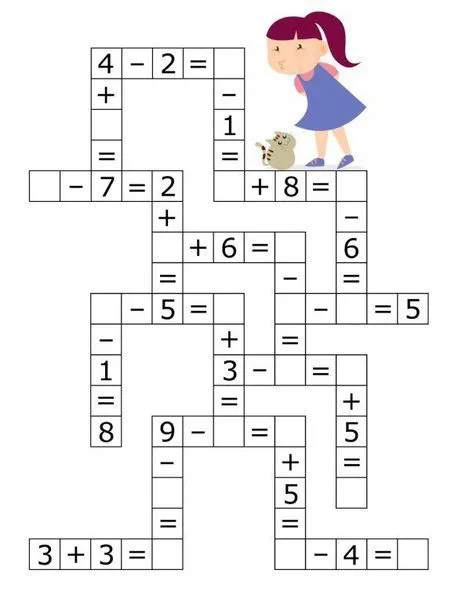
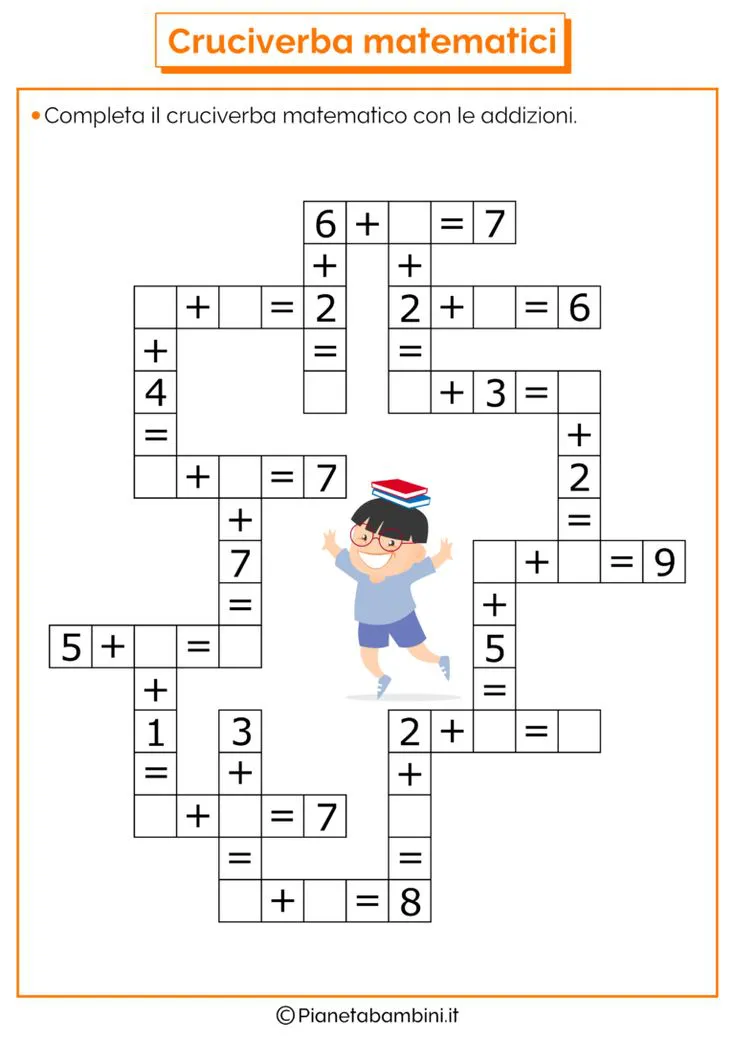
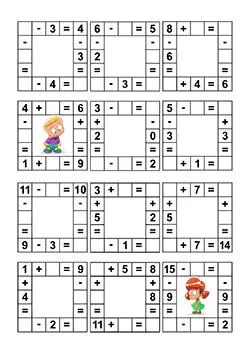
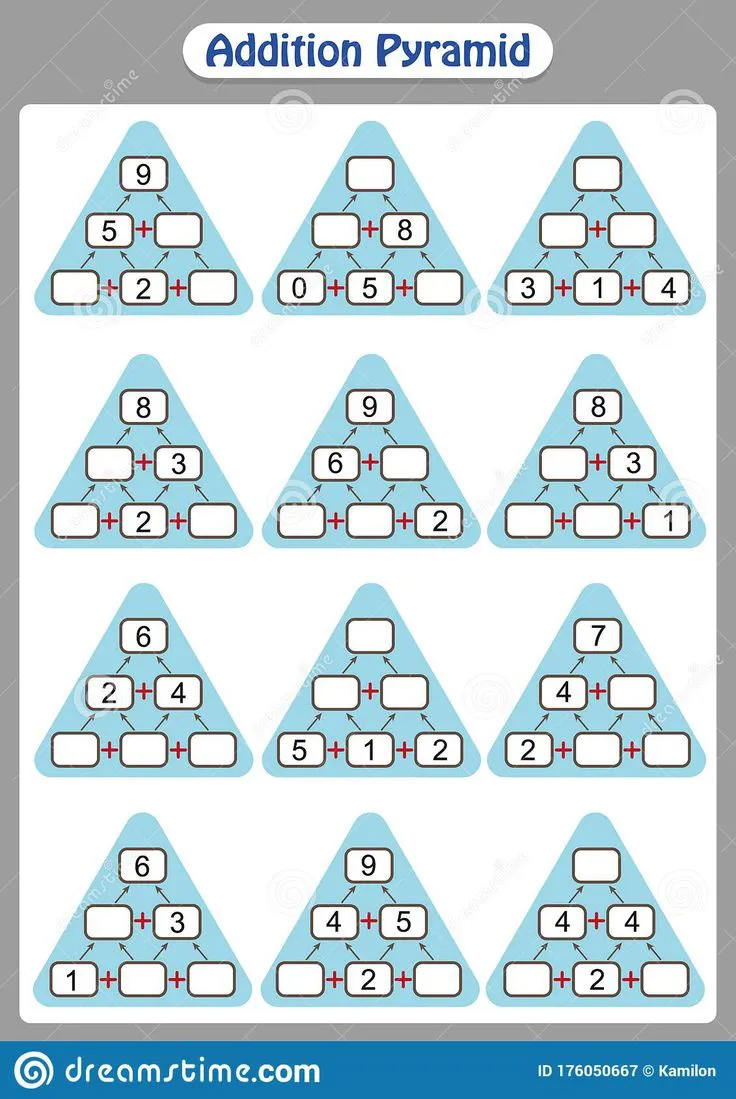

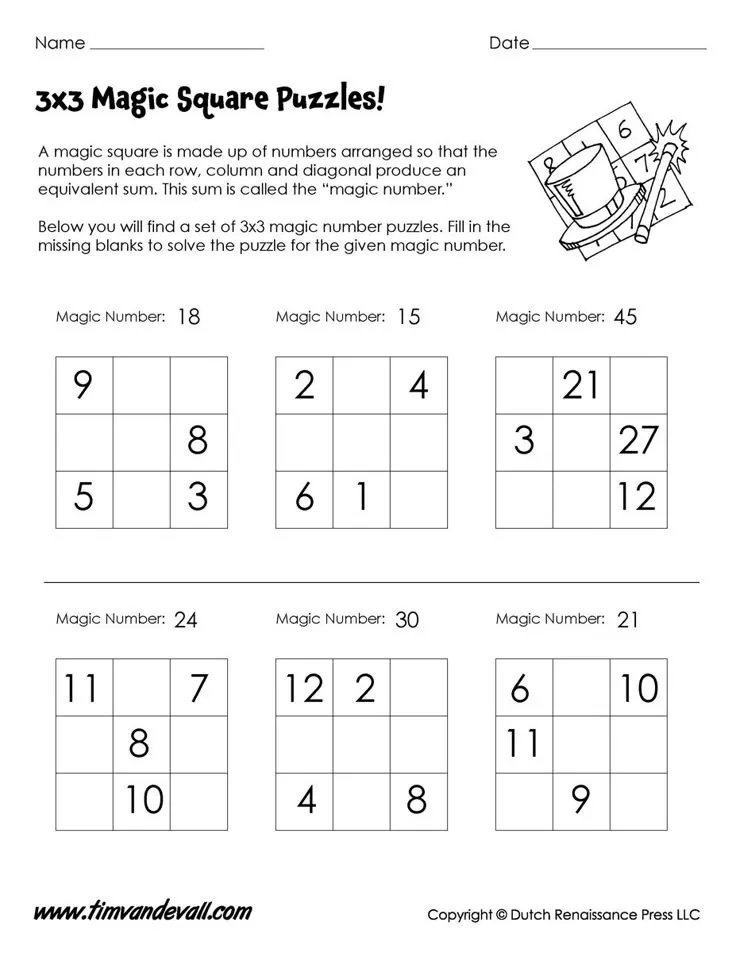
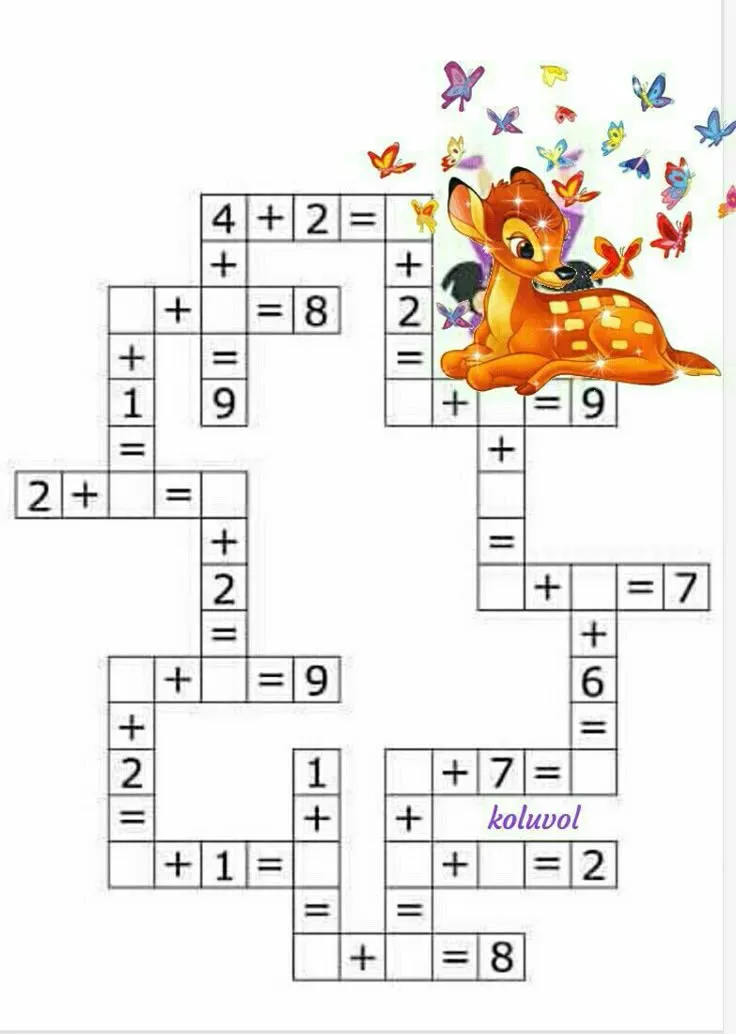
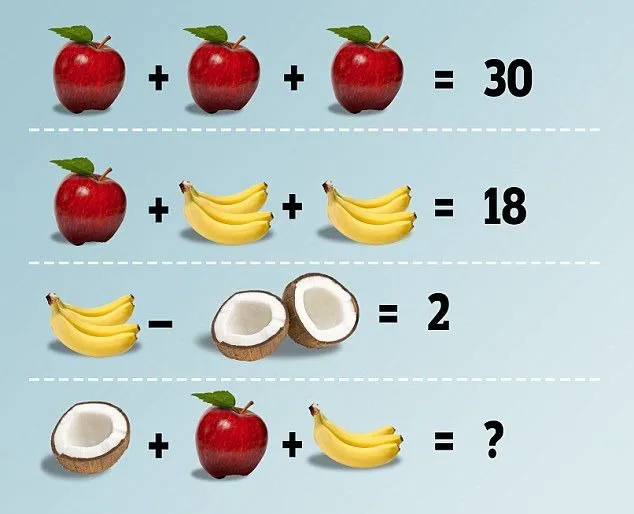
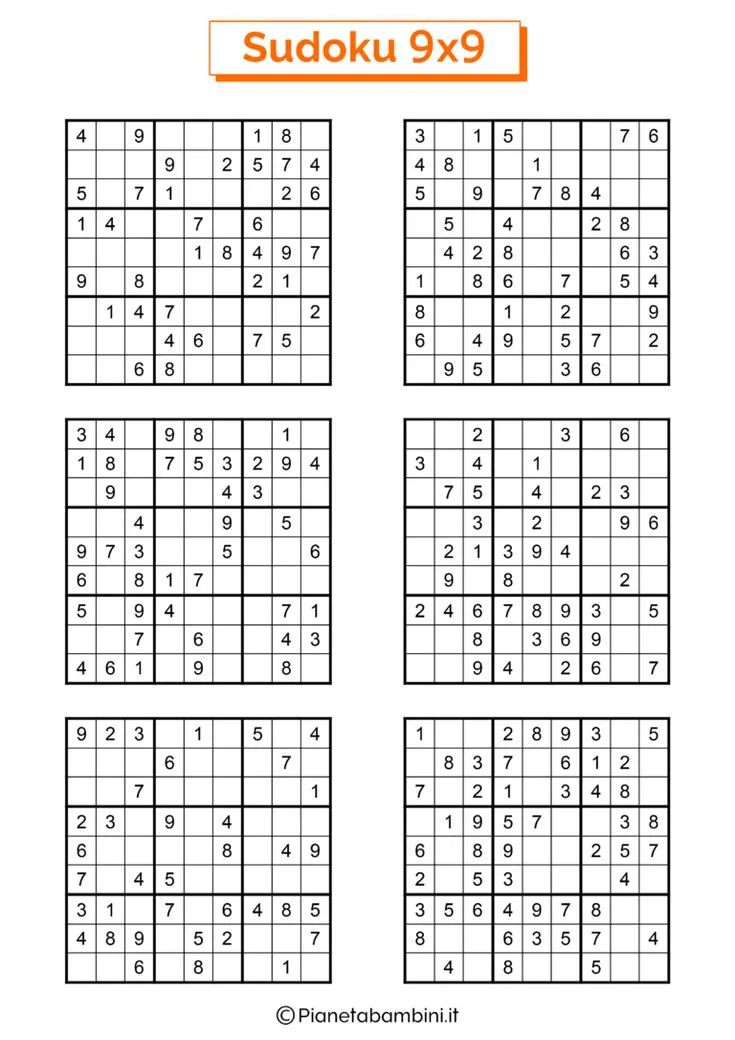
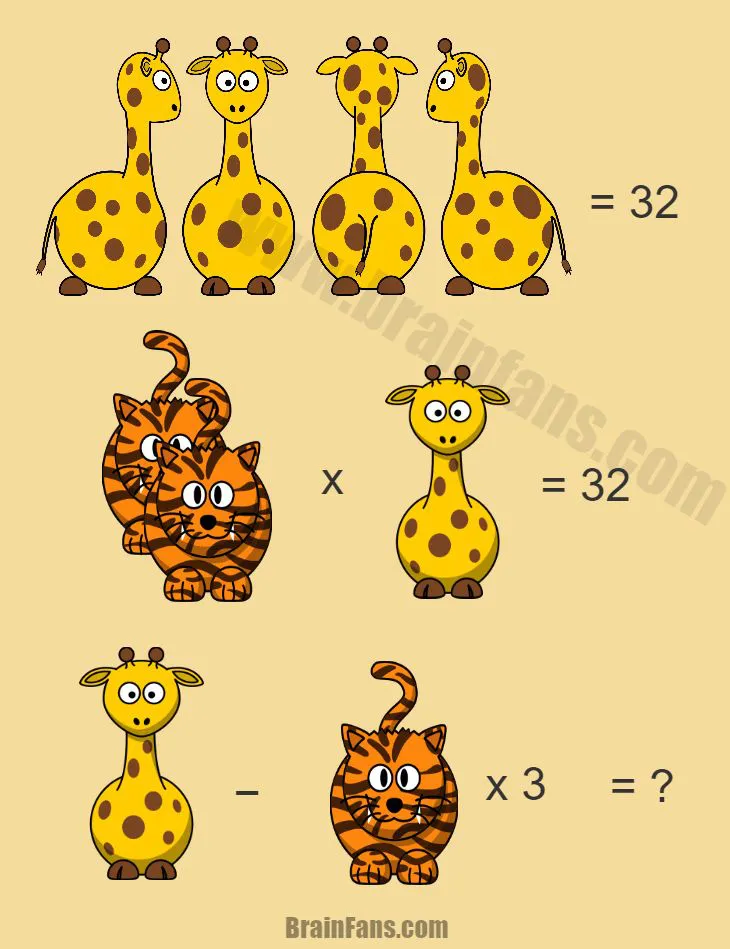

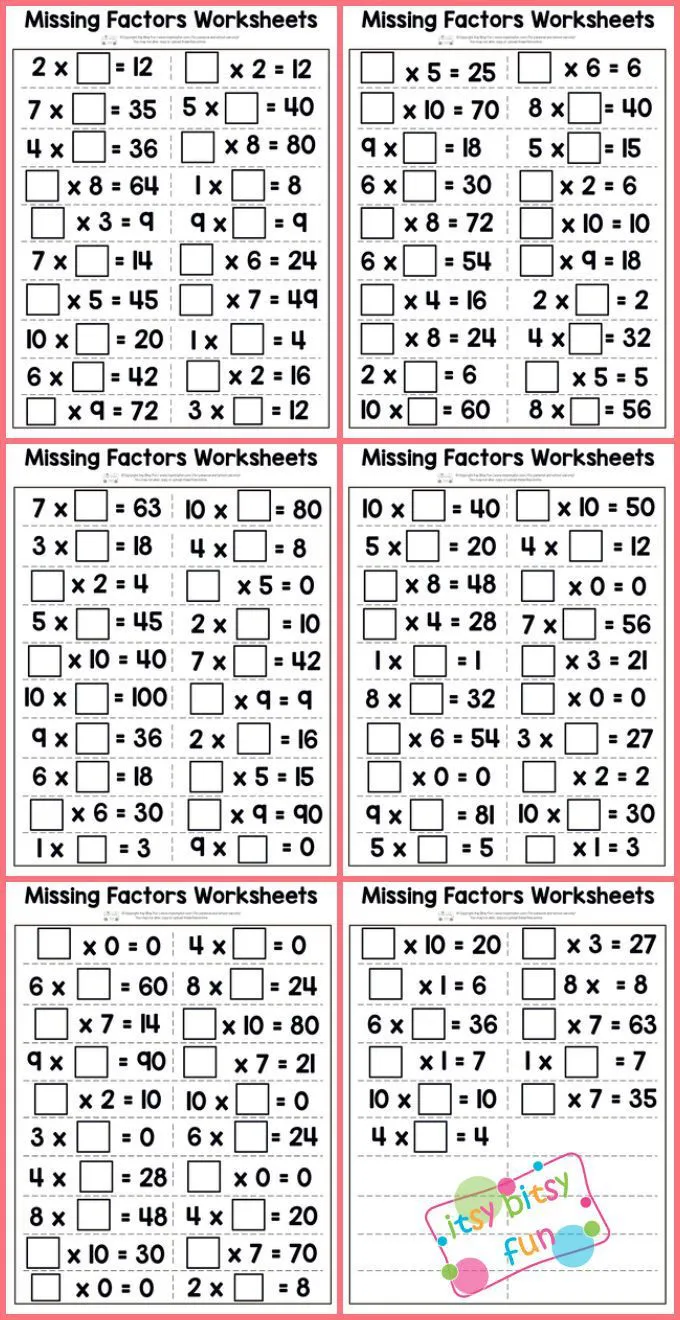
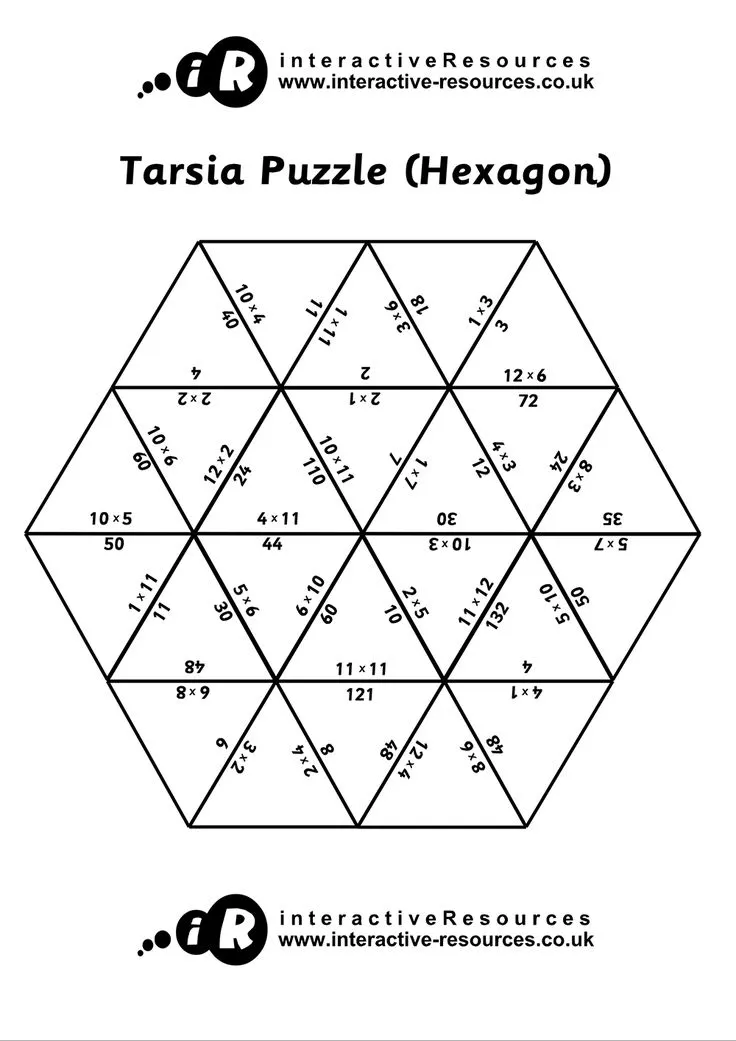
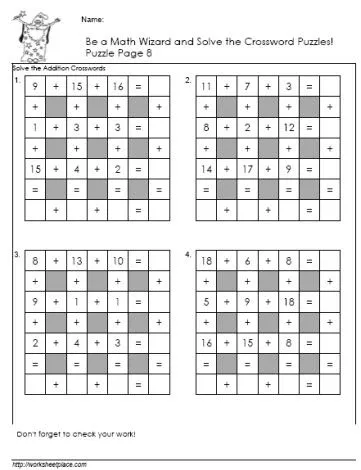

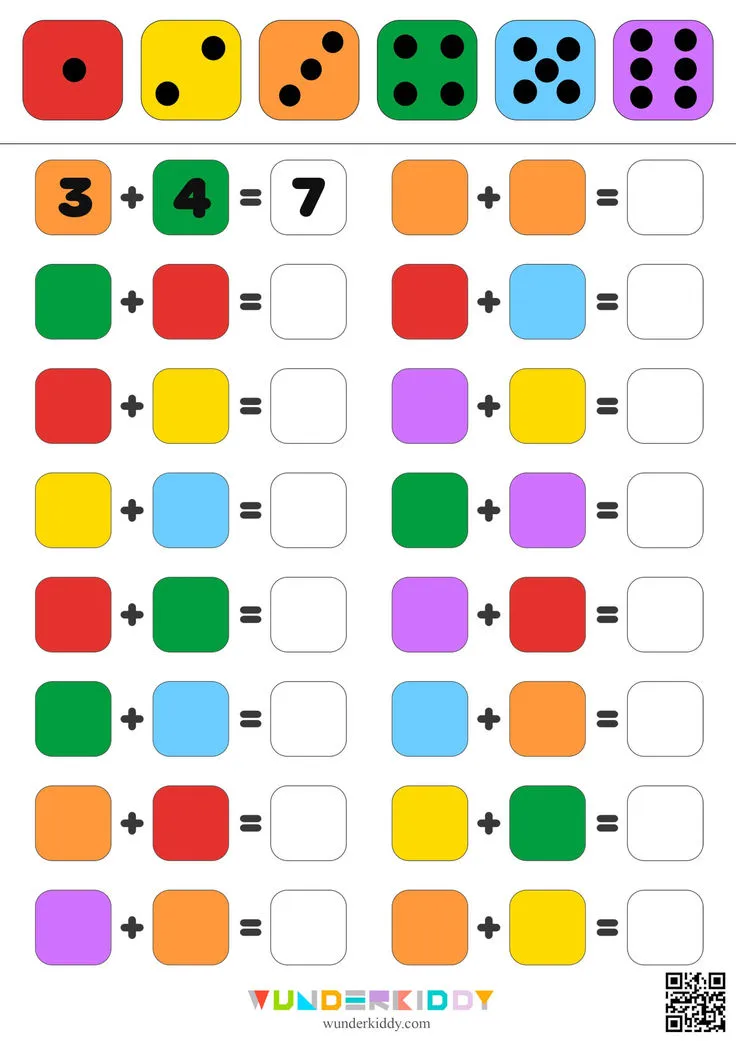
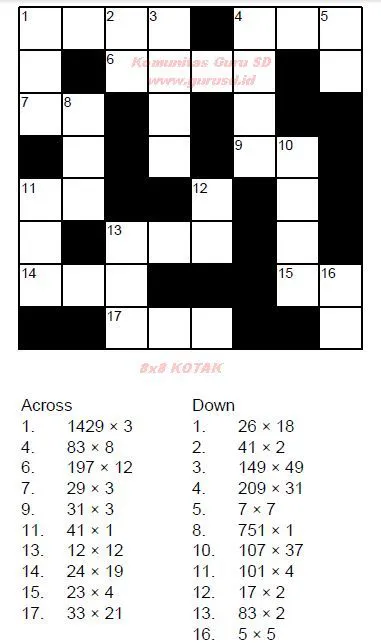

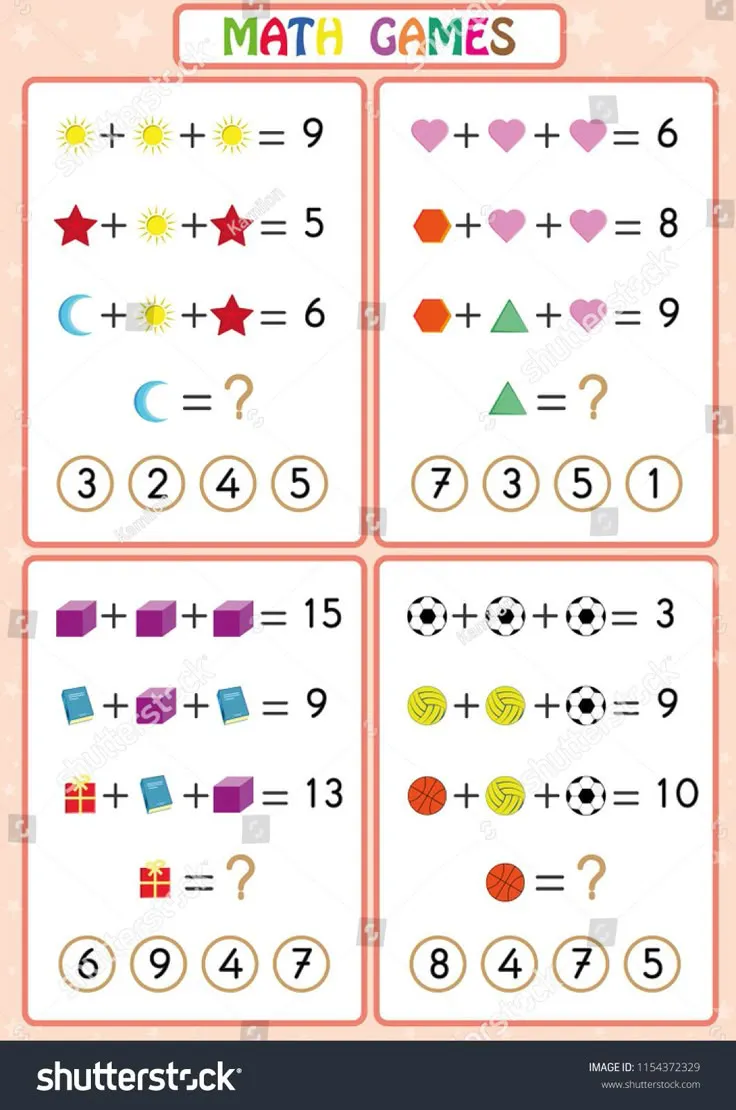
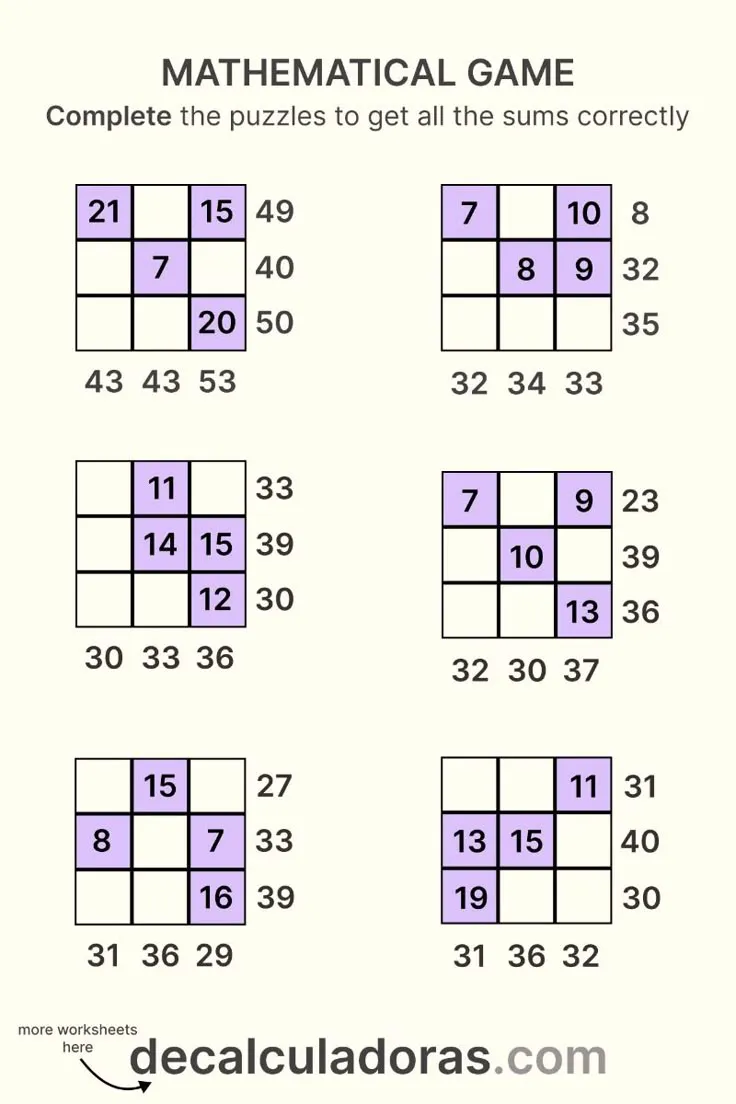
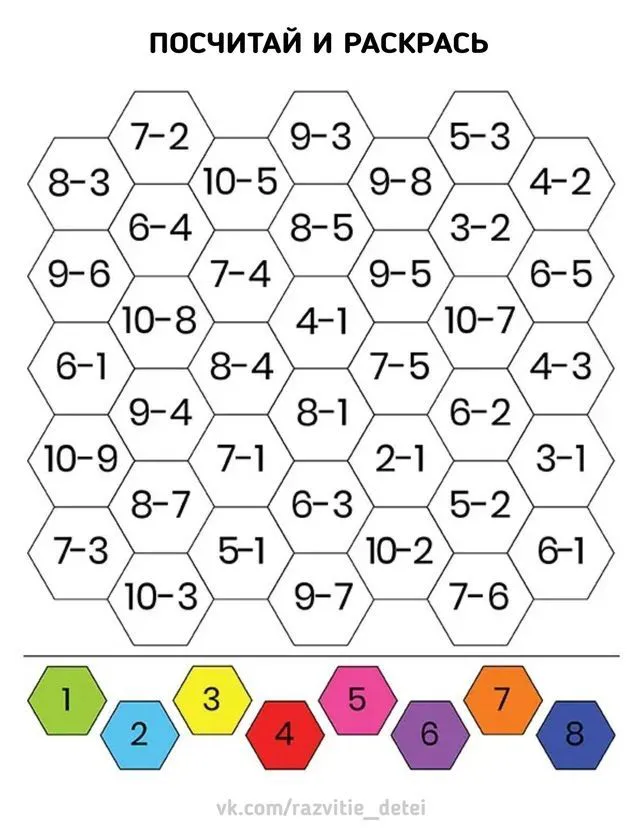
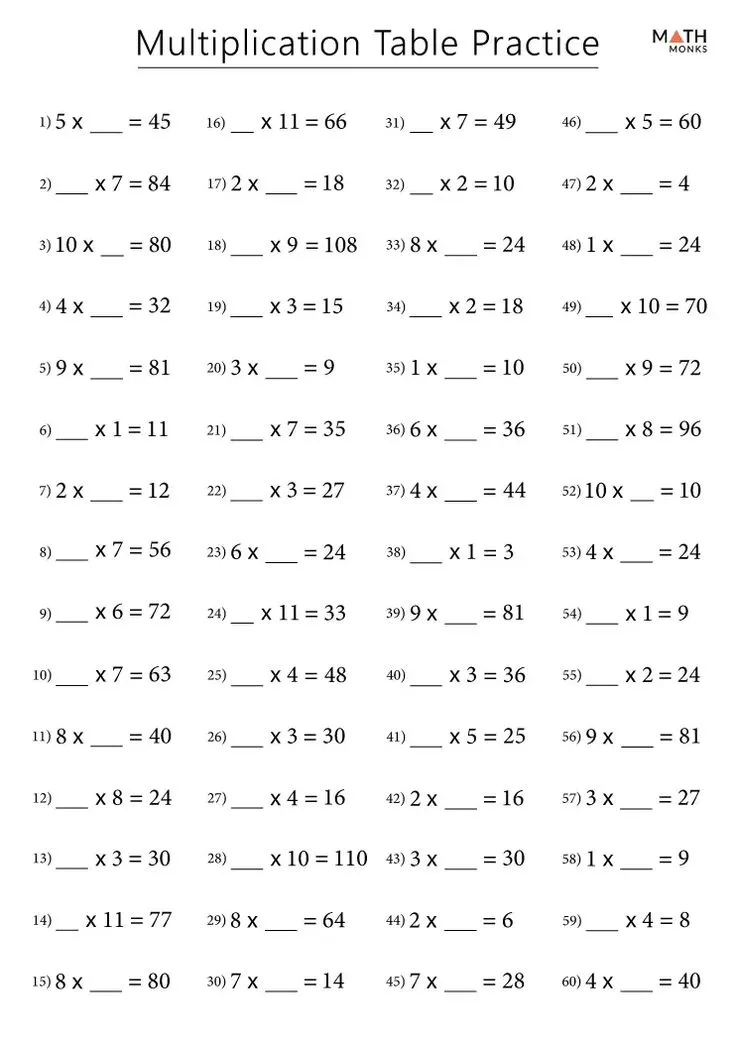
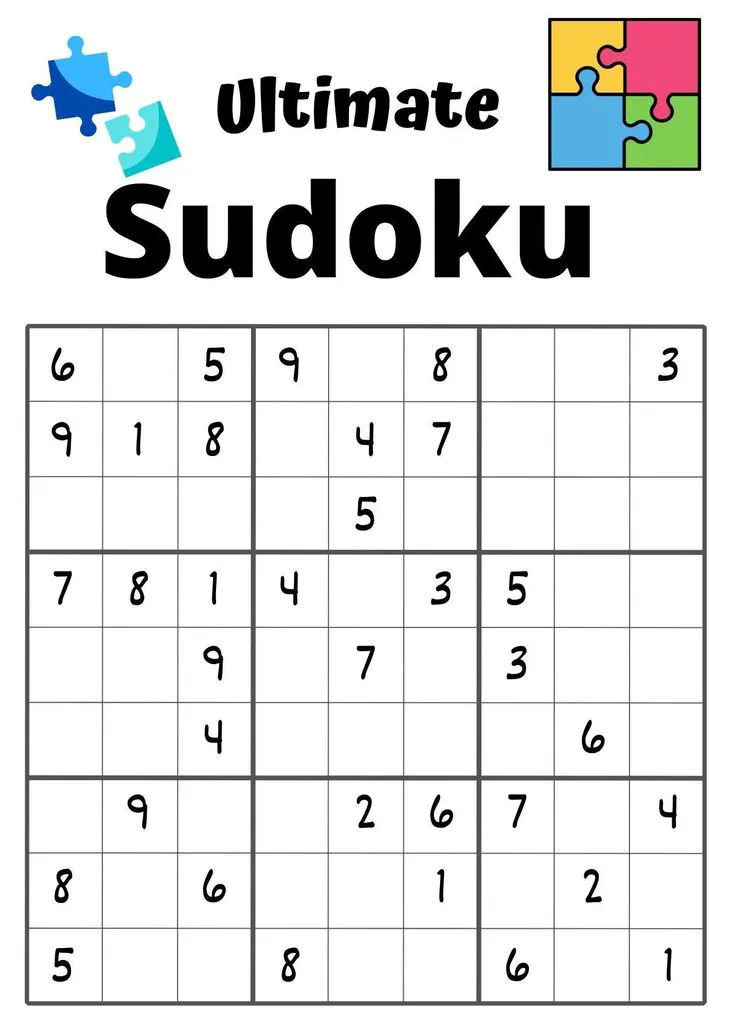
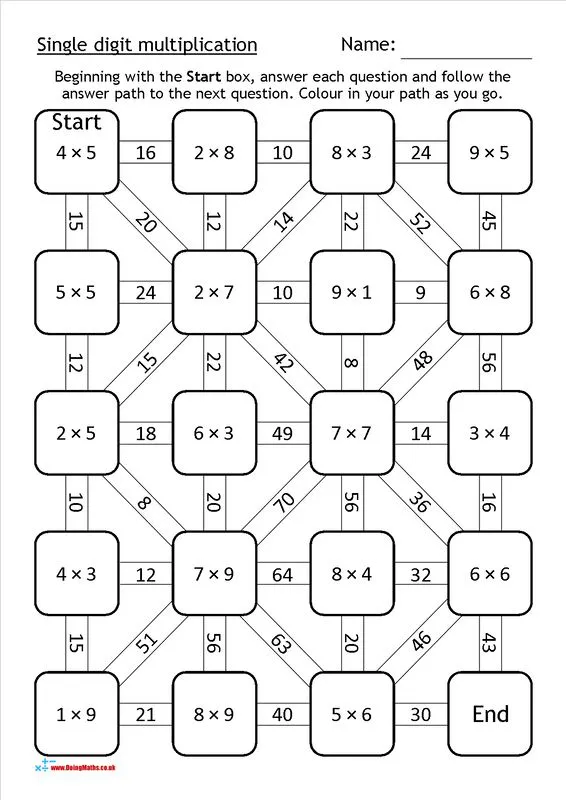
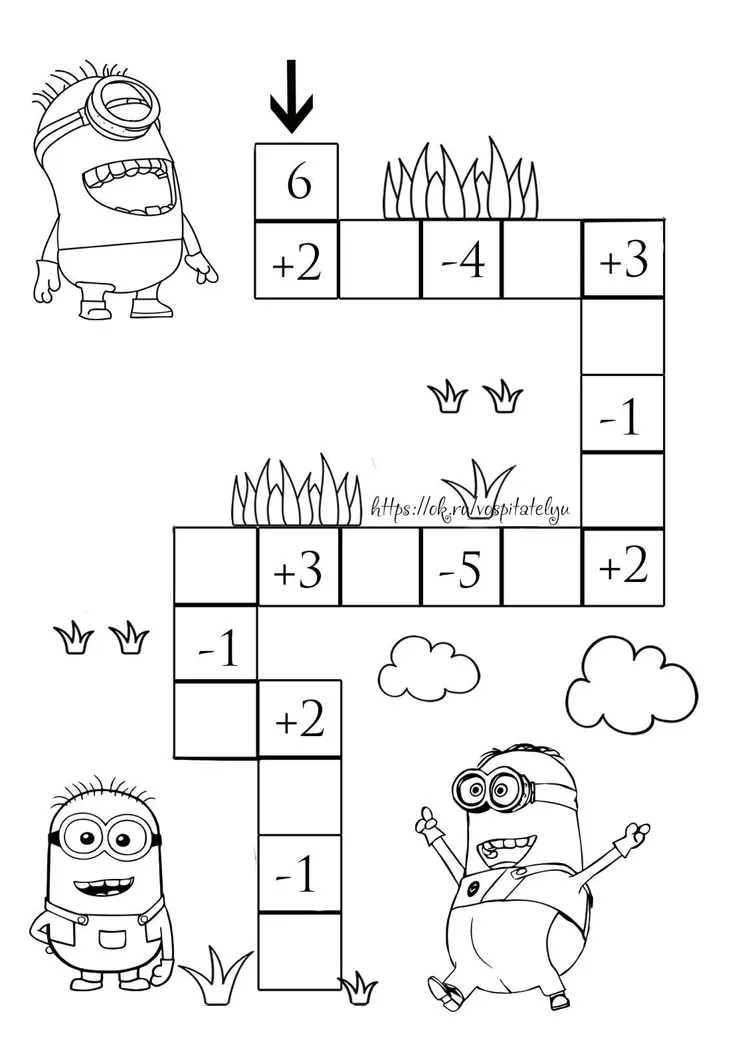
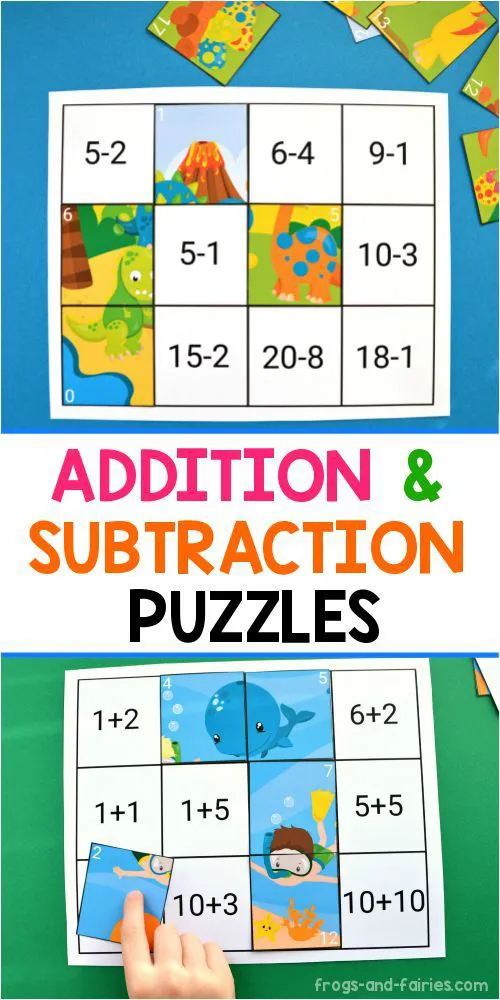
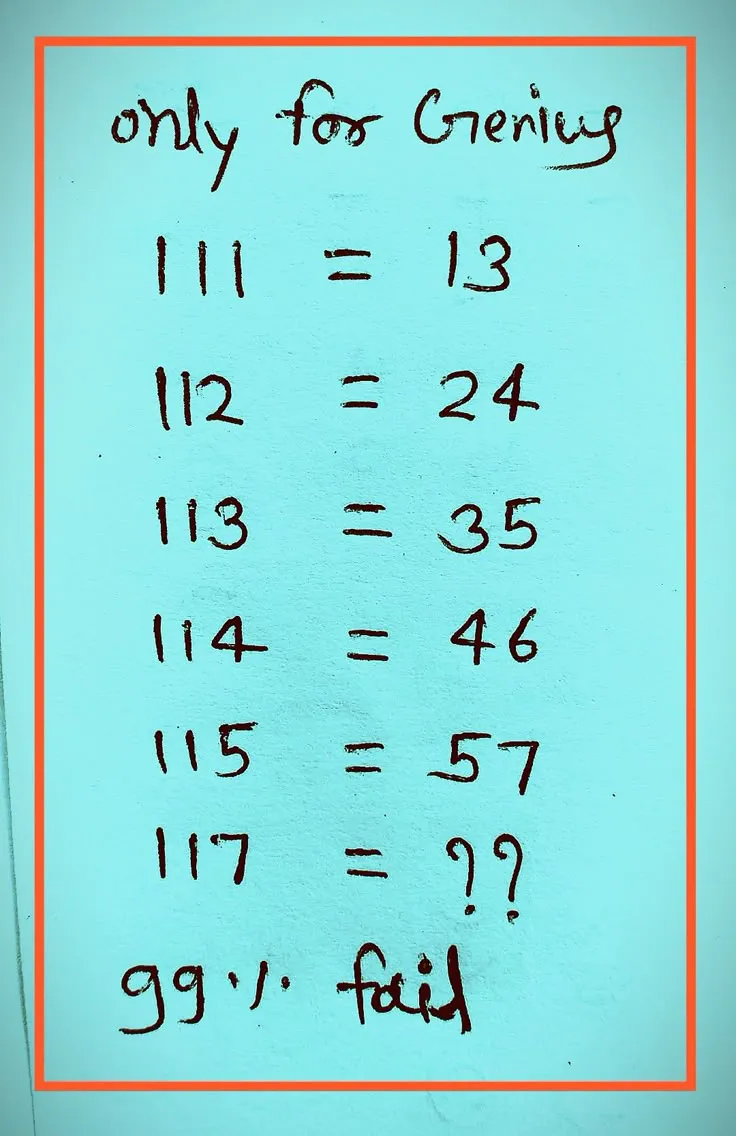
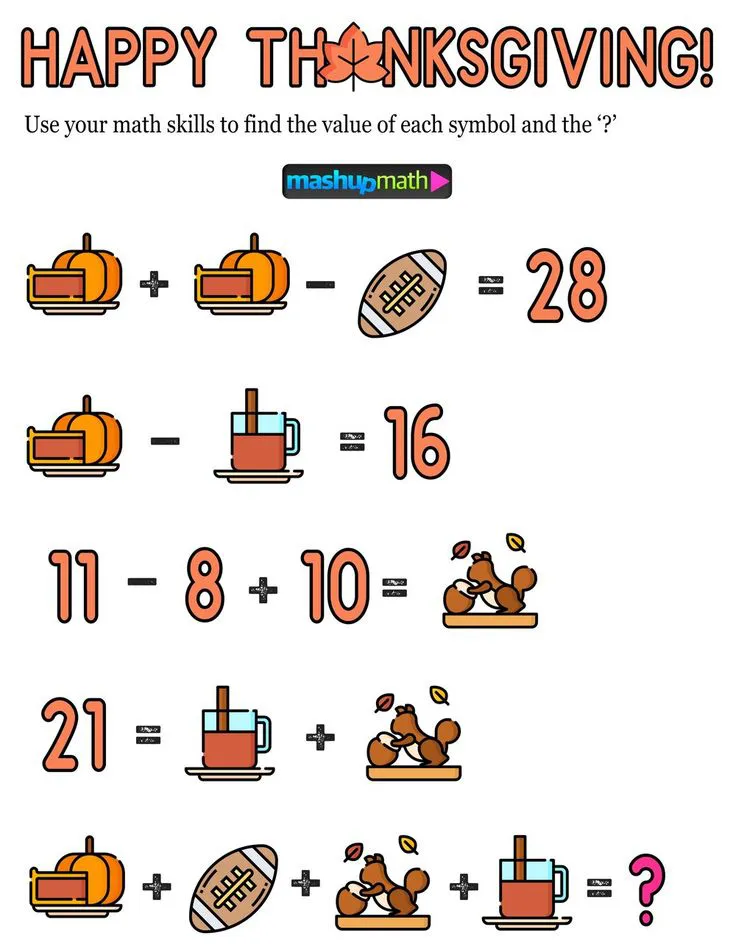


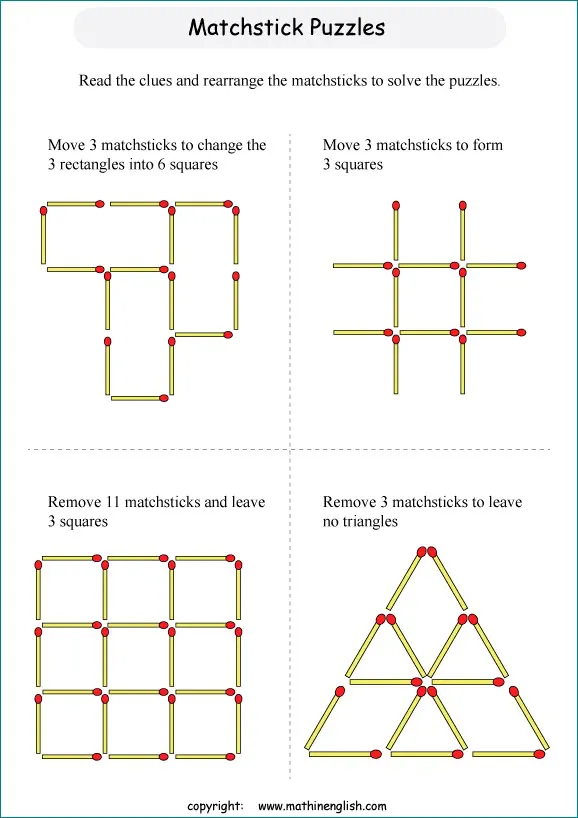
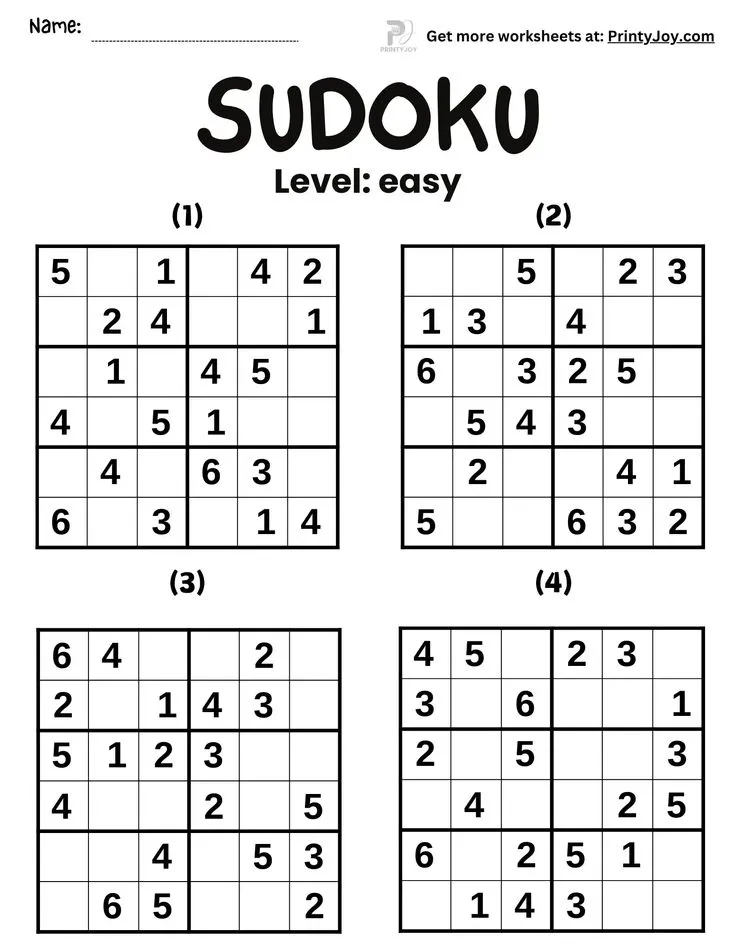

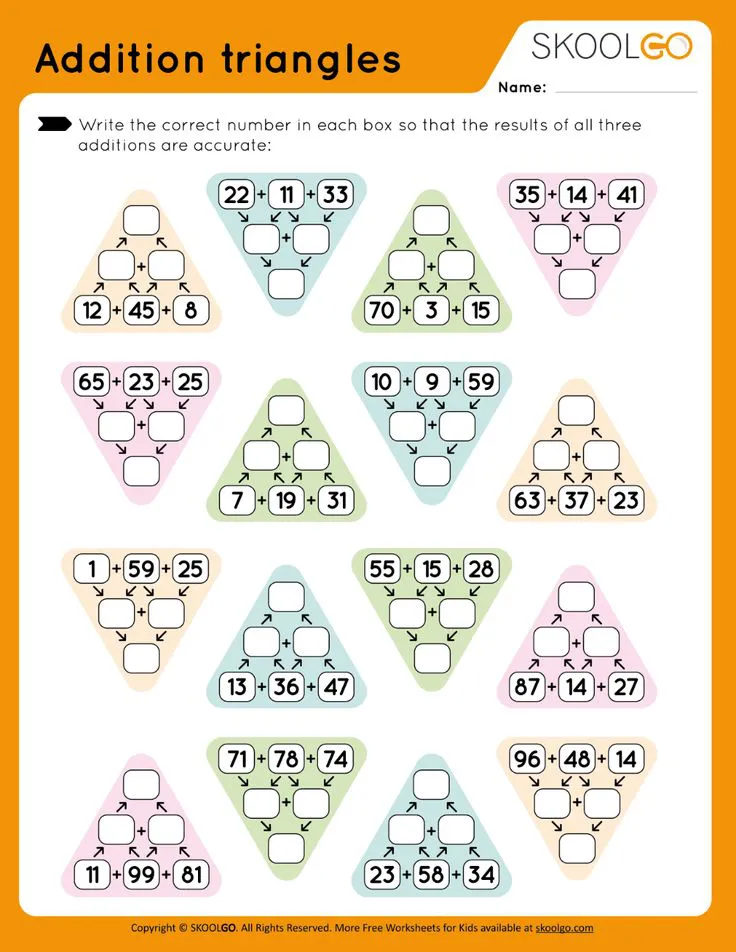
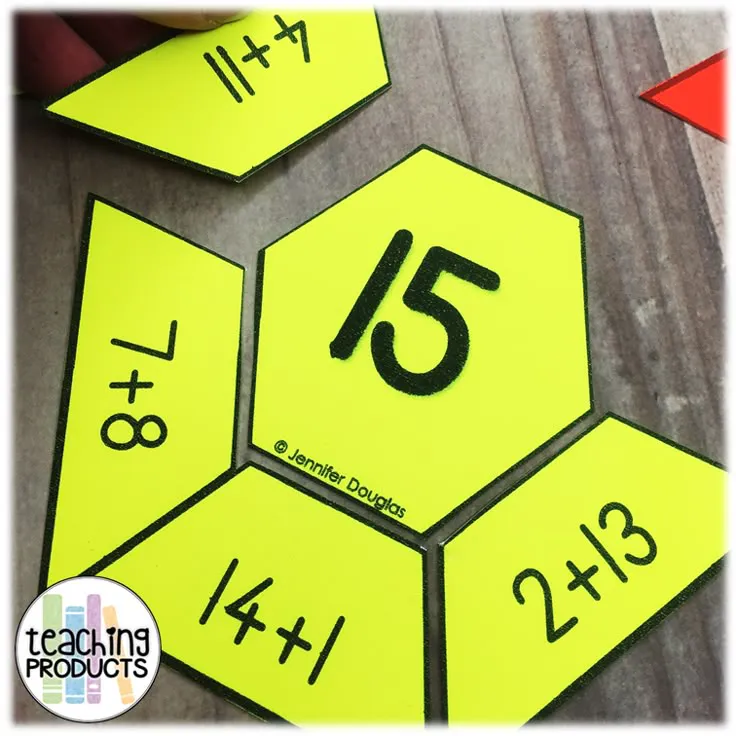
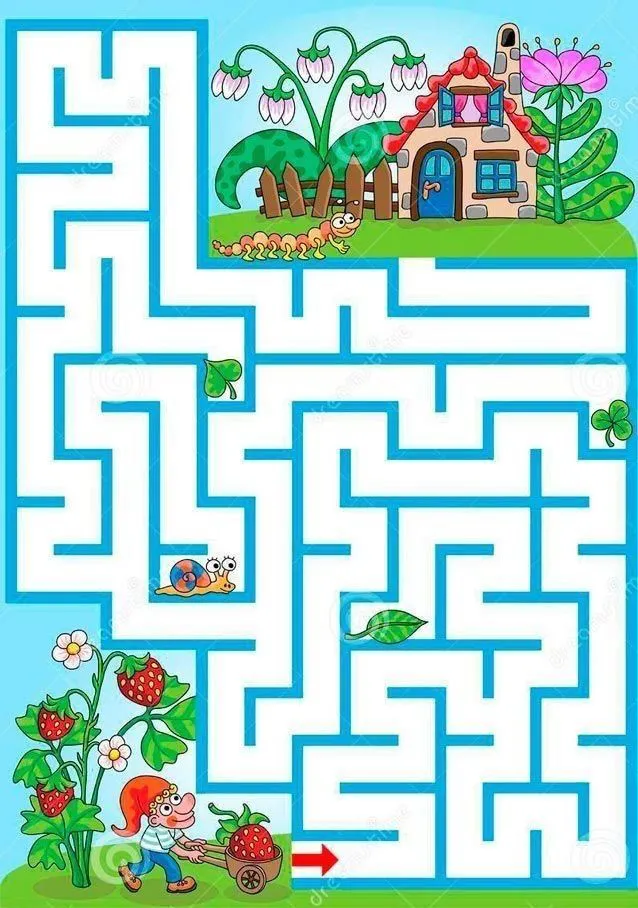
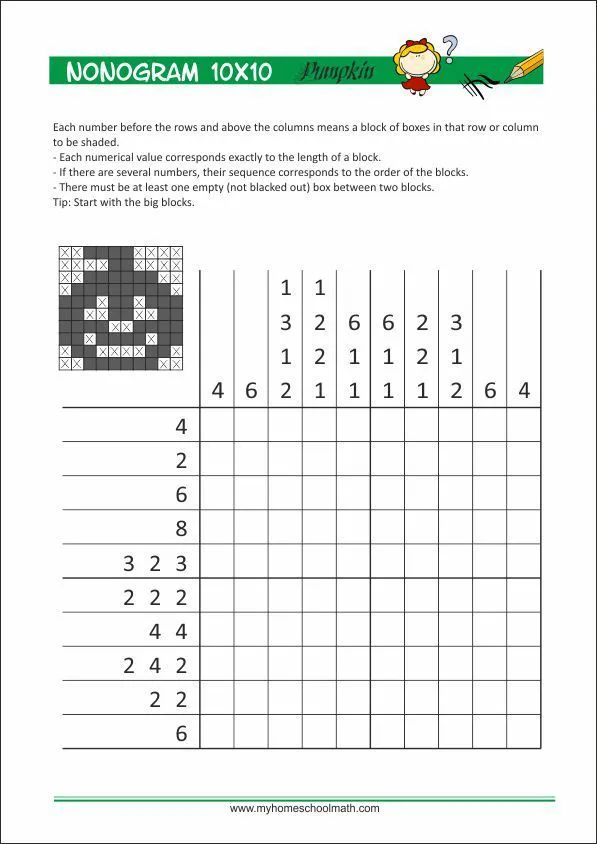
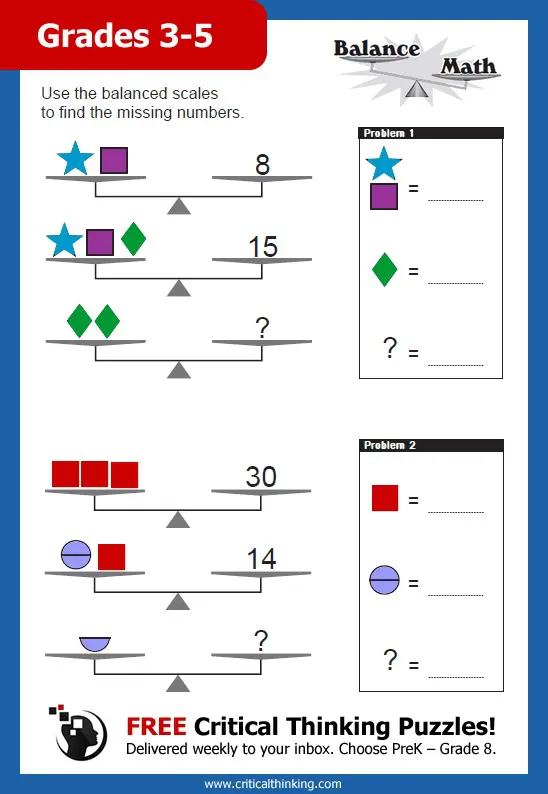
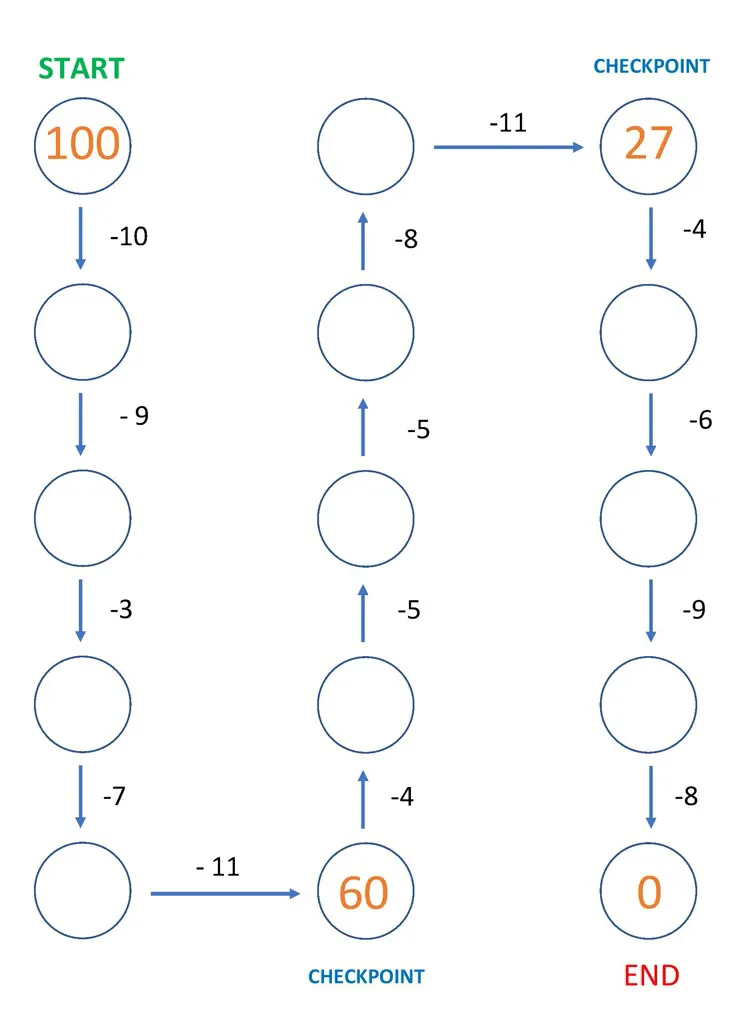

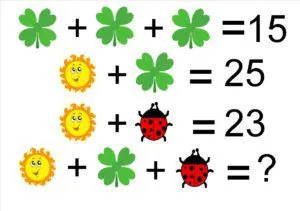
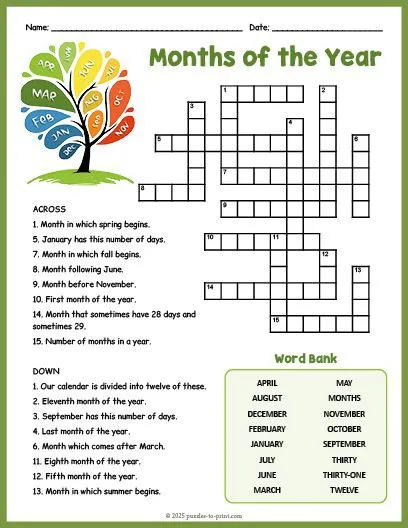

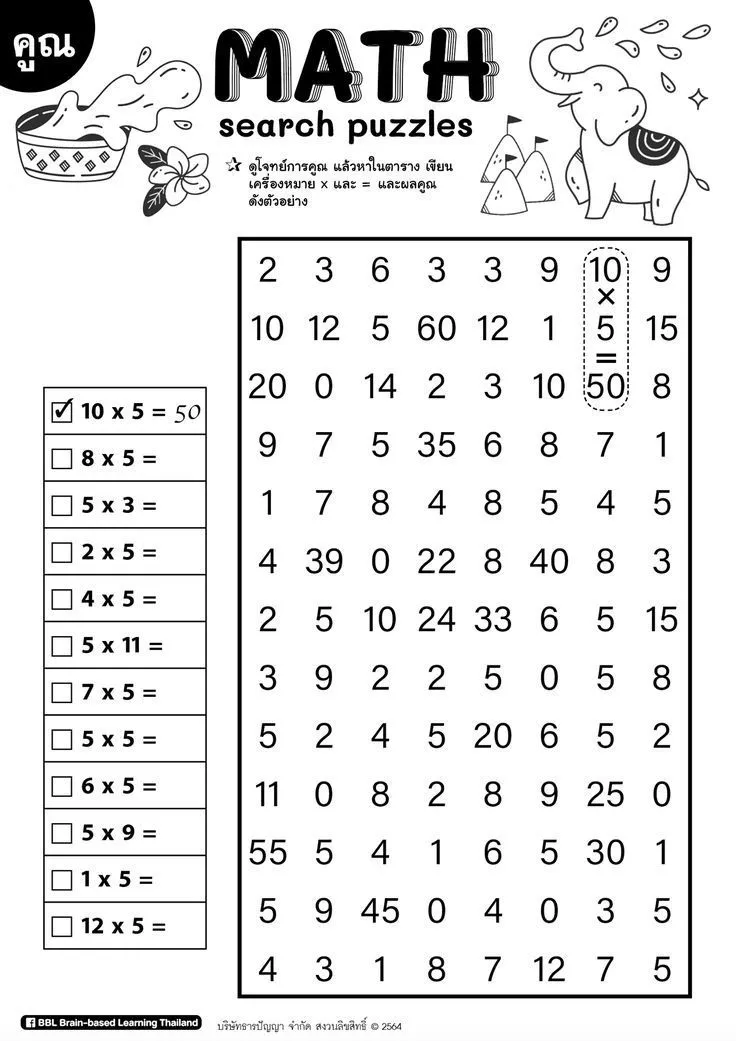
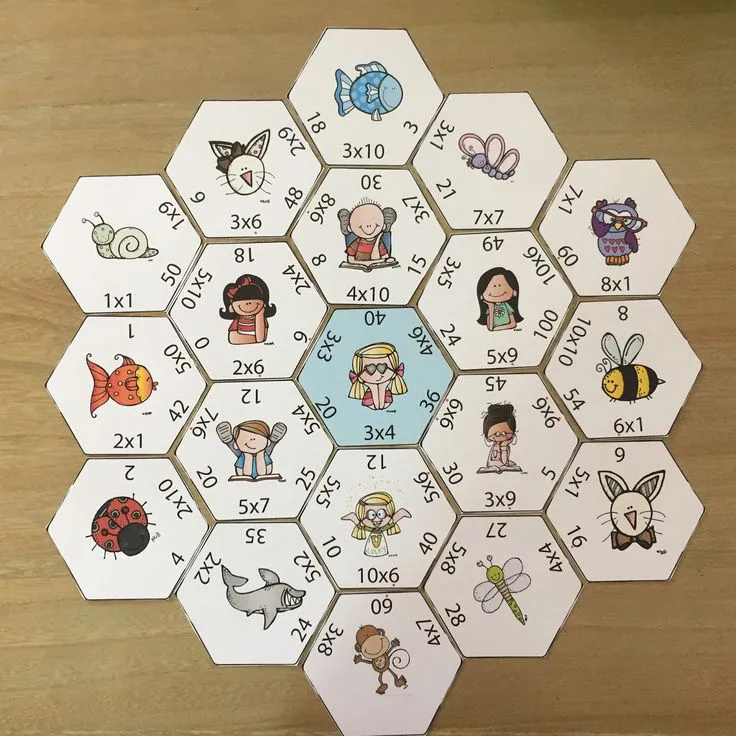

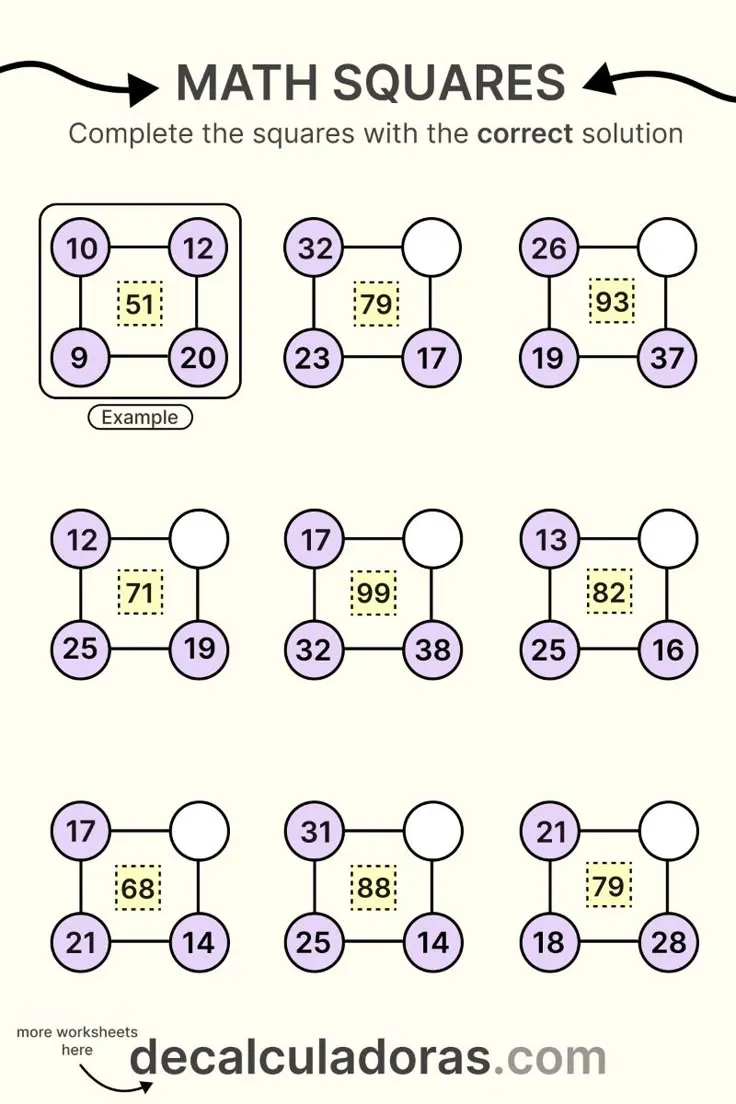

Explore a Wide Range of IQ Puzzles
Our puzzle collection covers several categories to target different cognitive abilities. This variety ensures that players continually face fresh challenges while exercising diverse skills:
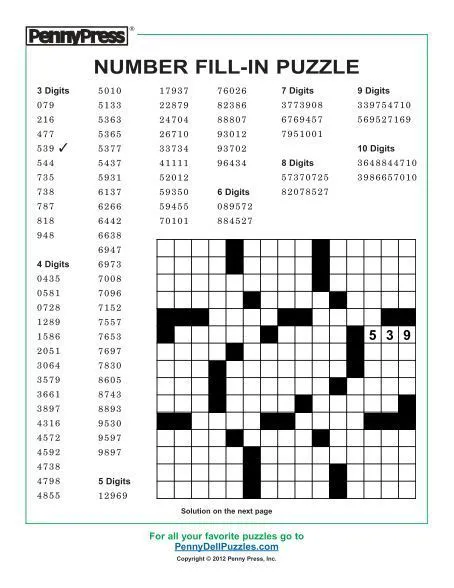
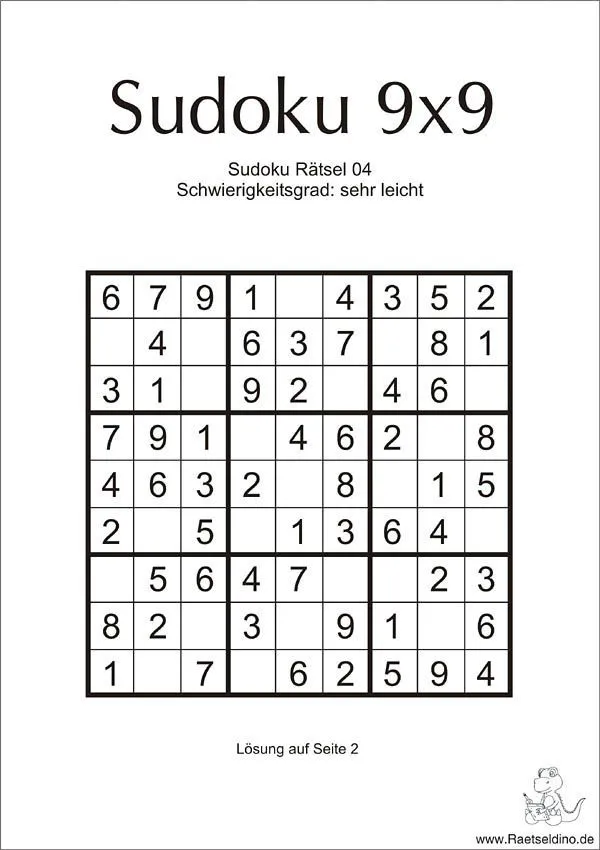
Number puzzles focus on spotting patterns, identifying sequences, and performing arithmetic reasoning. Visual puzzles challenge your spatial awareness and perception, often requiring mental rotation or observation of subtle details. Word and logic puzzles engage your language comprehension and reasoning skills, requiring you to interpret clues and think laterally. Mathematical puzzles strengthen your quantitative reasoning through problem-solving based on arithmetic, algebra, or logical operations.
Practicing across these categories not only makes gameplay more enjoyable but also promotes well-rounded cognitive development. Players improve memory, attention, and reasoning while building confidence in tackling increasingly complex challenges.
Tips to Solve IQ Puzzles Effectively
Success in puzzles comes from both strategy and practice. While there is no single “right way” to solve every puzzle, several approaches can make the process smoother:
- Take your time. Rushing through puzzles increases mistakes and reduces learning.
- Break complex problems into smaller parts to make them more manageable.
- Look for hidden patterns in numbers, visuals, or language. Often, clues are subtle and require careful observation.
- Review your first solution to ensure it aligns with all the puzzle’s conditions.
- Practice consistently. The more you engage with different puzzles, the faster and more accurate your problem-solving will become.
These strategies are particularly useful for beginners, but even advanced players benefit from a disciplined approach.
Benefits of Solving IQ Puzzles
Engaging with IQ puzzles is not just a fun pastime; it offers measurable cognitive advantages:
Solving puzzles strengthens your problem-solving skills by teaching logical approaches and systematic thinking. Memory and focus are enhanced as puzzles require recalling previous patterns and tracking multiple elements simultaneously. Creative thinking improves when you encounter lateral puzzles or unconventional visual challenges. Persistence and patience develop as you work through tricky problems without giving up. Finally, analytical skills gained from puzzles often translate into better decision-making and strategy in real-life situations.
Types of Brain Challenges You Can Try
To help students grow their thinking skills progressively, we’ve organised puzzles into meaningful categories. Each type challenges different aspects of intelligence, from wordplay to visual reasoning, and each includes examples and explanations to guide learning.
Pattern Recognition
Pattern recognition exercises train your mind to identify sequences and structures, whether in numbers, symbols, or visual arrangements. This helps improve prediction skills and cognitive flexibility.
Visual-Spatial Reasoning
Visual-spatial challenges require players to manipulate shapes, match objects, or rotate images mentally. These puzzles enhance spatial awareness and problem-solving abilities useful in many real-world contexts.
Word and Logic Challenges
Riddles and lateral-thinking puzzles engage your language skills and logical reasoning. They encourage creative problem-solving and flexible thinking, helping you approach challenges from different perspectives.
Mathematical and Arithmetic Problems
These puzzles involve calculations, logical operations, and number-based reasoning. They strengthen quantitative skills and teach players to apply methodical approaches in problem-solving.
Interactive Multi-Step Challenges
Some puzzles combine multiple cognitive skills, requiring sequential reasoning across different steps. This enhances multitasking abilities, planning, and strategic thinking.
How to Approach Different Puzzle Types
Approaching puzzles methodically improves your efficiency:
- Number Puzzles: Analyze differences, ratios, or arithmetic patterns.
- Visual Puzzles: Observe shapes, colors, and positions carefully; mentally manipulate objects when necessary.
- Word and Logic Puzzles: Break down sentences, phrases, and clues; search for hidden meanings or double entendres.
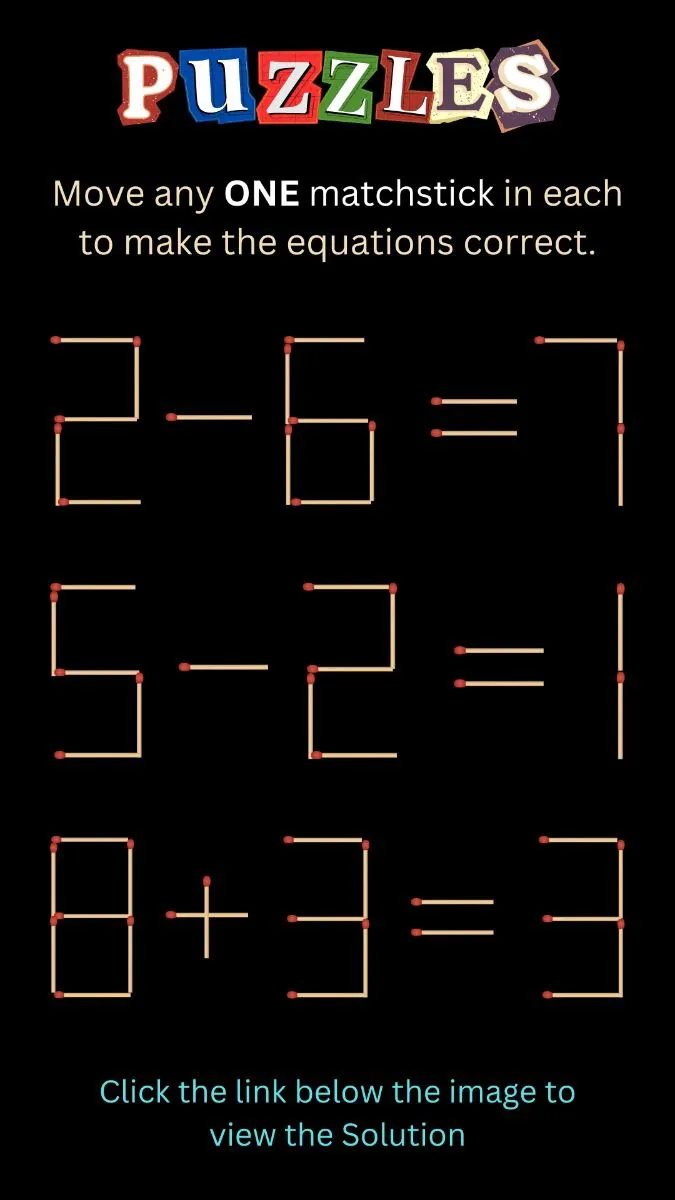
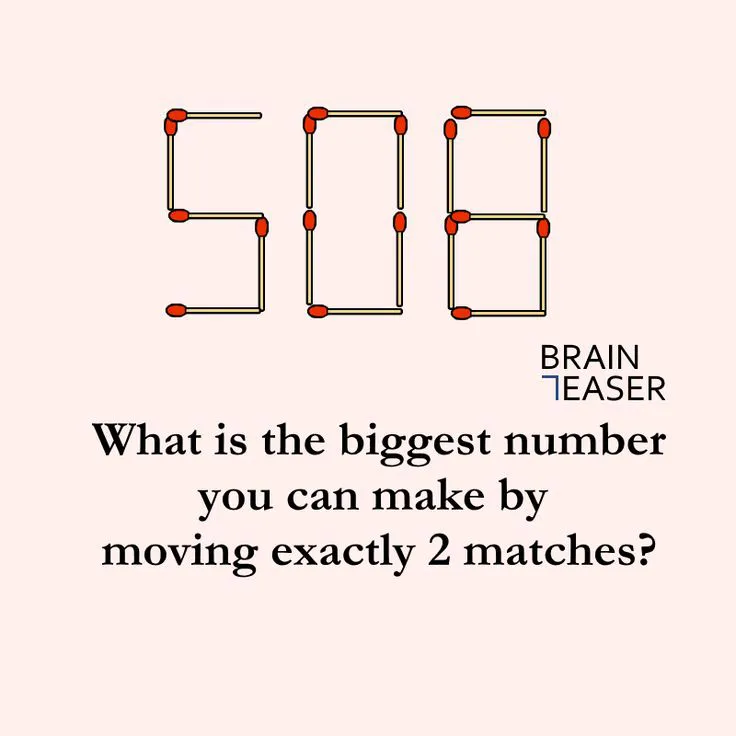
- Mathematical Challenges: Apply arithmetic rules first, then check for more advanced patterns like factorials, sequences, or modular logic.
This approach ensures that puzzles become an effective exercise for your cognitive growth rather than just entertainment.
Common Mistakes to Avoid
Even seasoned solvers can fall into common traps:
- Rushing leads to missed details and errors.
- Ignoring instructions or key hints often makes solutions impossible.
- Overcomplicating simple puzzles wastes effort and time.
- Relying solely on memory limits reasoning and analytical growth.
By avoiding these mistakes, players can focus on developing logical skills while enjoying a smoother puzzle-solving experience.
Recommended Strategies for Beginners
Beginners can build confidence and skills using these strategies:
- Start with simple puzzles and gradually progress to advanced ones.
- Learn from mistakes by analyzing why previous answers were incorrect.
- Use pencil and paper to visualize complex problems.
- Mix puzzle types to strengthen multiple cognitive skills simultaneously.
Consistency, patience, and reflection are key components to improving problem-solving efficiency over time.
Related Games
To expand your problem-solving experience, explore these interactive games:
- Logic Puzzles: Hands-on challenges for real-world logic reasoning. Play Logic Puzzles
- Mystery Detective Riddles: Engage with riddles hidden throughout immersive environments. Explore Mystery Riddles
- Word Search Puzzles: Improve observation and concentration through language-based challenges. Play Word Search Puzzles
- Math Puzzle Games: Test numerical reasoning and analytical thinking with number-focused challenges. Math Puzzle Games
These games complement IQ puzzles and provide a diverse, interactive learning experience while encouraging players to think critically and creatively.
Frequently Asked Questions
Yes. Regular puzzle engagement enhances memory, logic, pattern recognition, and overall problem-solving abilities.
No. Puzzles are suitable for all skill levels, and beginners can start with simpler challenges.
Absolutely. They are safe, educational, and help develop critical thinking in young minds.
Yes. Analytical thinking, logic, and attention to detail from puzzles can support learning in subjects like math, science, and language.