
Kids can practice concentration, memory, and problem-solving while having fun with brain games. Kids naturally like challenges, especially when they feel like fun instead of work. Kids can learn to think carefully, see patterns, and try different solutions by playing simple puzzles, riddles, matching games, sudoku-style games, and logic games.
The best brain games are ones that are age-appropriate, safe, and easy to understand. They should be fun, not stressful. Whether your child enjoys numbers, words, pictures, or tricky questions, many online brain games can help them stay mentally active. This guide will show you the best brain games for kids and explain how each one helps them improve their thinking skills.
Why Brain Games Are Good for Kids
Brain games help children playfully practice important skills. Rather than memorizing facts, kids learn by solving problems and making plans.
Good brain games can support:
- Memory
- Focus
- Logical thinking
- Creative thinking
- Pattern recognition
- Patience
- Problem-solving
For example, a riddle encourages a child to think beyond the clear answer. A math puzzle helps them notice number patterns. A memory game trains them to remember positions and details.
Brain games are not a replacement for school, reading, sleep, outdoor play, or family learning. But they can be a helpful part of a balanced plan.
1. Puzzle Games for Kids
Puzzle games are one of the best brain games for kids as they are simple, flexible, and fun. Number puzzles, picture puzzles, matching puzzles, shape puzzles, and logic challenges are some of them.
Puzzle games help kids learn to slow down and think before they act. They also teach children that mistakes are part of figuring out a challenge.
For example, if a child tries one answer and it doesn’t work, they can try another method. This builds discipline and builds confidence.
Kids can begin with simple puzzle games for children and then progress to more challenging ones as they improve.
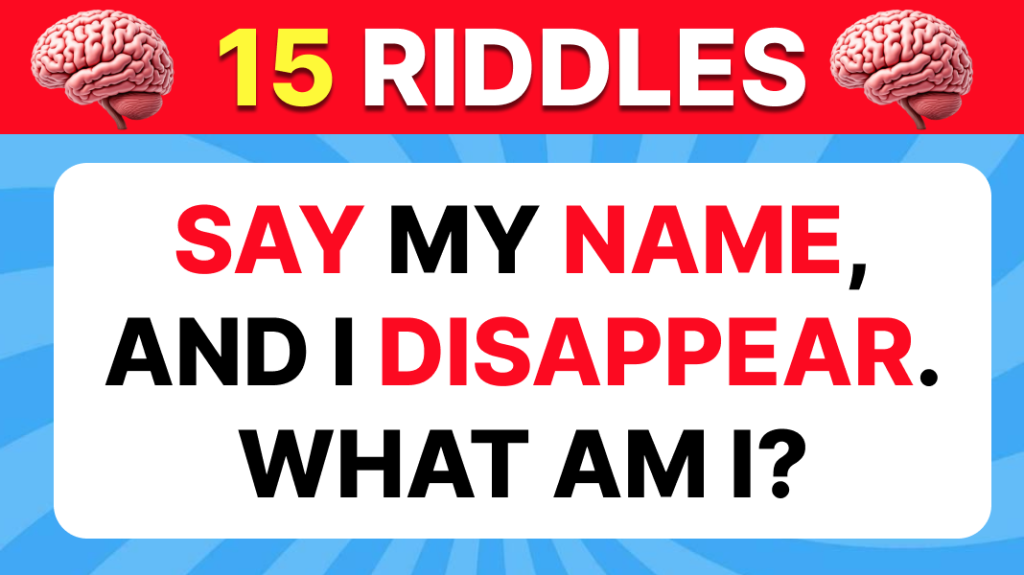
2. Easy Riddles for Kids
Riddles are short, fun questions that make kids think creatively. Some riddles use wordplay, while others use logic or common sense.
For example:
1. What has hands but can not clap?
Answer: A clock is the answer.
This kind of riddle shows kids that words can mean more than one thing. It also helps them pay attention and think in new ways.
Riddles are a fun way to spend time with family, take a break from school, or work out your brain quickly. Kids can try out easy riddles for kids and learn how to solve hard problems one step at a time.
3. Memory Matching Games
Memory-matching games are easy and helpful for kids who are younger. Kids usually flip cards over and try to remember where each picture or symbol is.
These games help you pay attention and remember things for a short time. They also show kids how to pay attention instead of just clicking.
To make memory games easier, start with fewer cards. As the child improves, increase the number of cards or use more similar images to add challenge.
Memory games are especially good for younger kids because the rules are easy to understand.
4. Math Puzzle Games
Kids can have fun while practicing their numbers with math puzzle games. These games might have missing numbers, easy math problems, number patterns, or counting challenges.
The point is not to make math look hard. The point is to make kids think of numbers as part of a game.
Math puzzles can help:
- Basic math
- Recognizing numbers
- Finding patterns
- Thinking logically
- Solving problems one step at a time
Start with easy puzzles that require addition, subtraction, or counting for younger kids. Older kids can work on puzzles with missing values and number sequences.
5. Word Games
Word games help kids learn new words, spell them correctly, remember them, and keep focused. These games could be word searches, easy crosswords, spelling games, or puzzles where you have to match letters.
Word games are helpful because they mix reading and playing. A child can learn new words while having fun.
Word searches with easy themes like animals, colors, food, or school supplies are great for beginners. Crosswords with easy clues may be fun for older kids.
Word games are also a good way for kids to relax when they need a mental challenge.
Math puzzles can help:
- Basic math
- Recognizing numbers
- Finding patterns
- Thinking logically
- Solving problems one step at a time
Start with easy puzzles that require addition, subtraction, or counting for younger kids. Older kids can work on puzzles with missing values and number sequences.
6. Spot the Difference Games
Spot the difference games are excellent for attention to detail. Kids compare two pictures and find small changes between them.
These games help children slow down and observe. They learn to notice missing objects, color changes, size differences, and small shape changes.
This type of game is especially helpful for visual focus. It is also fun because kids feel excited when they discover a hidden difference.
7. Simple Logic Games
Logic games help kids learn reasoning. These games may ask children to follow rules, connect clues, or choose the correct answer based on information.
For example, a simple logic puzzle might say:
This type of game is especially helpful for visual focus. It is also fun because kids feel upset. when they discover a hidden difference.
- The red ball is not first.
- The blue ball is after the green ball.
- Which ball comes first?
This teaches kids to compare clues and make plans carefully.
Logic games are great for older kids who enjoy challenges. Start with easy puzzles first so they do not feel frustrated.
8. Pattern Games
Pattern games ask kids to find what comes next. The pattern may include colors, shapes, numbers, or pictures.
For example:
Circle, square, circle, square, what comes next?
- These games help children understand order and repetition. Pattern recognition is useful in math, reading, music, and everyday thinking.
You can make pattern games easier or harder depending on the child’s age. Younger kids can use colors and shapes. Older kids can use numbers and more complex sequences.
8. Pattern Games
Pattern games ask kids to find what comes next. The pattern may include colors, shapes, numbers, or pictures.
For example:
Circle, square, circle, square, what comes next?
- These games help children understand order and repetition. Pattern recognition is useful in math, reading, music, and everyday thinking.
You can make pattern games easier or harder depending on the child’s age. Younger kids can use colors and shapes. Older kids can use numbers and more complex sequences.
9. Maze Games
Kids can practice planning and staying focused by playing maze games. The child has to find a way to get from the start to the finish without getting stuck.
Mazes help kids learn how to plan. They might have to try one path, see that it does not work, and then go back and pick a different one.
This helps you learn how to solve problems and be patient. Younger kids will enjoy simple mazes, but older kids will find bigger mazes more challenging.
10. Sudoku-Style Number Games
Classic Sudoku may be difficult for younger kids, but simple Sudoku-style games can be very helpful.
Kids can start with smaller grids, such as 4×4 puzzles. Instead of numbers 1 to 9, beginner puzzles may use numbers 1 to 4, colors, shapes, or pictures.
Sudoku-style games support focus, logic, and memory. They also teach children to follow rules and check their answers.
How to Choose the Right Brain Game for Your Child
The best brain game for a child depends on how old they are, what they like, and how good they are at it.
If your child is just starting, pick easy games. A game should be hard enough to be fun, but not too hard. The child might lose interest if it’s too hard.
Start with easy games that build confidence. When your child is ready, try slightly harder puzzles such as matching games, riddles, mazes, and visual challenges.
Tips for Safe and Healthy Brain Game Time
Brain games should be a regular part of your life. A short session is usually all you need.
Simple Tips for Screen-Time Learning:
- Start with just 10–15 minutes.
- Choose kid-friendly games.
- Avoid stressful or frustrating games.
- Mix different kinds of games.
- Ask kids to tell you what they are thinking as they play.
- Do not just say “good job” for the right answer—praise their effort.
- Take breaks between screen activities.
The main goal is to make thinking fun. Kids learn best when they feel calm and supported.
Conclusion
Brain games for kids can be fun and active learning. Puzzle games, riddles, memory games, word games, mazes, and logic challenges can help children practice helpful thinking skills. Begin with simple games, keep sessions short, and increase difficulty as confidence grows. Encourage the kids to play, think, and enjoy every little challenge.
Frequently Asked Questions [FAQ’s]
Best brain games for kids: Puzzle games, riddles, memory matching games, word games, math puzzles, spot the difference, mazes, and simple logic games.
Yes, some brain games can help kids practice their memory skills. Matching games, riddles, pattern games, and sudoku-style puzzles can help with short-term memory and focus.
Start with 10 to 15 minutes at a time, a good place to start. Short, focused play sessions work better than long ones. Kids need time for reading, outdoor play, rest, and other activities.
Memory matching games, simple riddles, picture puzzles, pattern games, easy mazes, and spot-the-difference games may be appealing to young kids. Pick games with easy rules and nice graphics.