
You do not have to download anything or make an account to play free online puzzle games, which are a fun way to test your brain. Puzzle games can help you relax and keep your mind busy at the same time, whether you like numbers, logic, patterns, riddles, or classic brain games.
The best part is that it is easy to get started with online puzzle games. You can play them in your browser during a short break, after school, or whenever you want to have some fun. Many puzzle games also help you practice memory, logic, focus, and problem-solving skills. This guide will show you the best free online puzzle games you can play and explain how each one helps your brain.
Why Free Online Puzzle Games Are So Popular
People like puzzle games because they are easy to understand but still hard enough to keep them interesting. You do not need expensive tools, long tutorials, or advanced gaming skills.
Most online puzzle games have one clear goal that you need to reach. Use clues to find the right answer, finish a network, solve a pattern, or answer a riddle.
This makes them great for a wide range of players, from kids to students to adults to seniors. When a website focuses on clean browser-based games, they are also usually safe and good for families.
1. Math Puzzle Games
If you like numbers and patterns, math puzzle games are one of the best options for you. These games could have missing number problems, equations, sequences, or simple math problems.
You have to figure out the rule behind the numbers, which helps you think logically. A puzzle might ask you to finish a sequence like 2, 4, 8, 16. To answer it, you need to see that each number is doubled.
Students can benefit from math puzzles, but anyone can enjoy them. They turn number practice into more of a game than a lesson.
You can play free puzzle games online and do number-based challenges right in your browser.
2. Sudoku Online
Sudoku is a classic puzzle game that trains focus, discipline, and logic. The goal is to fill a 9×9 network with numbers so that each row, column, and 3×3 box contains the correct numbers without repeating.
Sudoku may look like a math game because it uses numbers, but it is really about logic. You do not need advanced calculations. You need to organize the network, check possible answers, and make careful choices.
Beginners should start with easy Sudoku puzzles. Once you understand the rules, you can slowly move to medium and harder levels.
If you want a calm daily challenge, try Sudoku online and build your focus step by step.
3. Logic Games Online
Logic games are great for players who enjoy clues, patterns, and careful thinking. These games often ask you to solve a problem using rules rather than theory.
A logic puzzle might give you a few pieces of information and ask you to find the correct answer. To answer it, you need to compare clues, remove wrong options, and think step by step.
Logic games are useful because they build structured thinking. They teach you to slow down, read carefully, and test your ideas.
If you enjoy reasoning challenges, play logic games online and practice solving clue-based puzzles.
4. Riddle Games
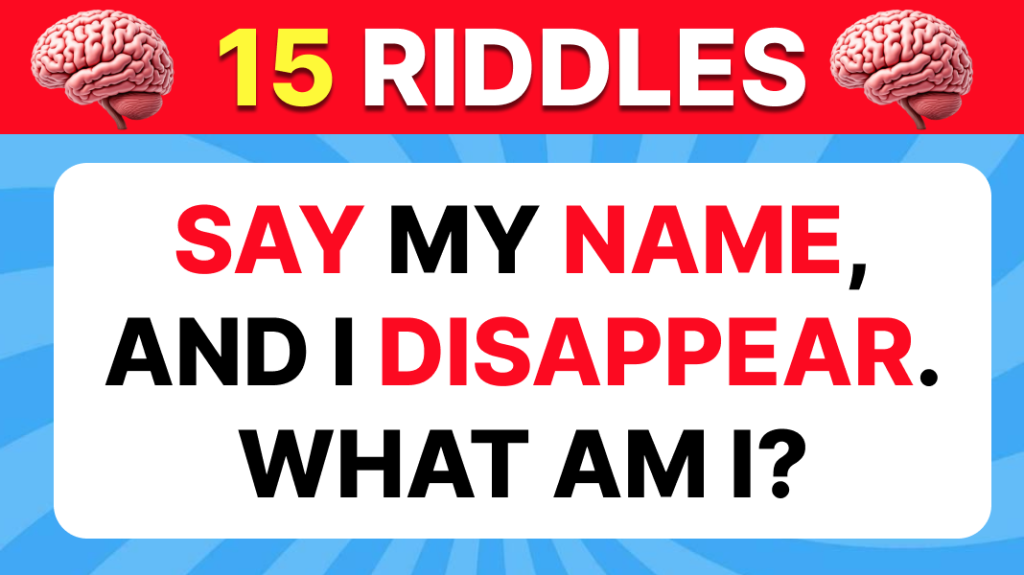
Riddle games are fun because they require logic and creativity. A riddle may seem simple, but the answer is often a matter of wordplay or some hidden meaning.
For instance, a riddle might ask, “What has hands but cannot clap?” Answer: A watch. The trick is that “hands” doesn’t mean human hands.
Riddles are a fun way to take a quick break. They are simple to read and fun to share with friends or family. They also help with flexible thinking, as you need to think past the first answer.
5. Pattern Puzzle Games
Pattern puzzle games ask you to find what comes next. The pattern may include numbers, shapes, colors, letters, or symbols.
These games train observation skills. You need to notice small changes and understand how the sequence works.
A pattern may change by size, direction, color, position, or number. Once you learn to check these details, pattern puzzles become easier and more enjoyable.
Pattern games are especially helpful for building problem-solving skills because they teach your brain to look for rules.
6. Word Puzzle Games
Word puzzle games include word searches, crosswords, spelling puzzles, and anagrams. These games are useful for vocabulary, memory, and attention.
In a word search, you scan a network to find hidden words. In a crossword, you use clues to fill in the correct answers. In a wordplay, you reorganize letters to make a word.
Word puzzles are useful because they train your brain to connect letters, meanings, and clues. They are also a good option when you want a lighter puzzle that still keeps your mind active.
7. Memory Puzzle Games
Memory puzzle games are simple but effective. A common example is a matching game where you flip cards and try to remember where each image is placed.
These games help train short-term memory and visual focus. They are also easy for beginners because the rules are usually simple.
To improve, do not click randomly. Try to remember positions carefully and look for patterns in the layout.
8. Visual Puzzle Games
Visual puzzles come in many forms, such as spot-the-difference games, shape puzzles, maze games, and challenges that use pictures. These games make you pay attention to the small things.
People who like to look closely and see small changes will like them. You have to pay attention to see the answer in visual puzzles, which is often right in front of you.
People of all ages enjoy playing visual puzzle games because they are easy to understand and often relaxing.
How Puzzle Games Help Build Skills
They can help with:
- Focus and attention
- Memory practice
- Logical thinking
- Problem-solving
- Patience
- Pattern awareness
- Creative thinking
For example, Sudoku improves focus, math puzzles train number logic, and riddles encourage creative thinking.
You can also try different game types, such as Sudoku, math puzzles, riddles, logic games, and word puzzles, based on your interest.
Tips for Choosing the Best Online Puzzle Game
What you want to work on will decide the best puzzle game.
- If you want to focus and calm your mind, choose Sudoku
- If you like numbers and patterns, do maths puzzles
- If you like clues and reasoning, try logic games
- Looking for creative thinking? Go for riddles
- If you want to practice word-stock, choose word puzzles
- If you want practice in short-term recall, choose memory games
It also helps to vary the kinds of puzzles. It can be fun to play the same game every day, but your brain gets a better workout when you mix things up.
How Often Should You Play Puzzle Games?
You do not need to play for hours. A short daily session is enough for most people.
Try playing for 10 to 15 minutes a day. Pick one or two puzzles and focus on solving them carefully. If you make a mistake, review what went wrong.
The goal is not only to win. The goal is to think better, notice patterns, and enjoy the challenge.
Conclusion
Free online puzzle games are a fun and simple way to practice thinking skills. Math puzzles, Sudoku, logic games, riddles, word puzzles, and memory games all help to train different skills. Begin with simple games, play them often, and try different kinds of puzzles to keep your mind active. Whenever you are ready, pick a puzzle and give your brain a quick online workout.
Frequently Asked Questions [FAQ’s]
Some of the best free online puzzle games are math puzzles, Sudoku, logic games, riddles, word puzzles, memory games, and puzzles that test your memory. Each kind teaches a different way of thinking.
Yes, you can play a lot of browser-based puzzle games online without having to download anything or sign up. You can go straight to the game page and start playing.
Online puzzle games can help you practice memory, focus, logic, and problem-solving skills.
Sudoku, memory games, simple math puzzles, word searches, and easy riddles are good for beginners. Start with easy levels and move to harder puzzles when you feel ready.